Chuxiong City (楚雄市) is the capital of Chuxiong Yi Autonomous Prefecture and one of the most important centers for ethnic education, cultural research and youth exchange in central Yunnan. With a combination of primary and secondary education, vocational training, museums, intangible cultural heritage, ethnic villages and rural practice bases, the city provides a diverse foundation for international student study tours in Chuxiong.
The city’s educational resources can generally be understood through three major areas: the historic central urban district around Lucheng, the newer Donggua development area, and the surrounding townships and rural communities. Each area has a different educational character. The central city has a concentration of established schools and cultural institutions, while the development area has newer educational facilities and vocational resources. Rural schools and communities provide opportunities to study living Yi traditions, traditional crafts and village culture.
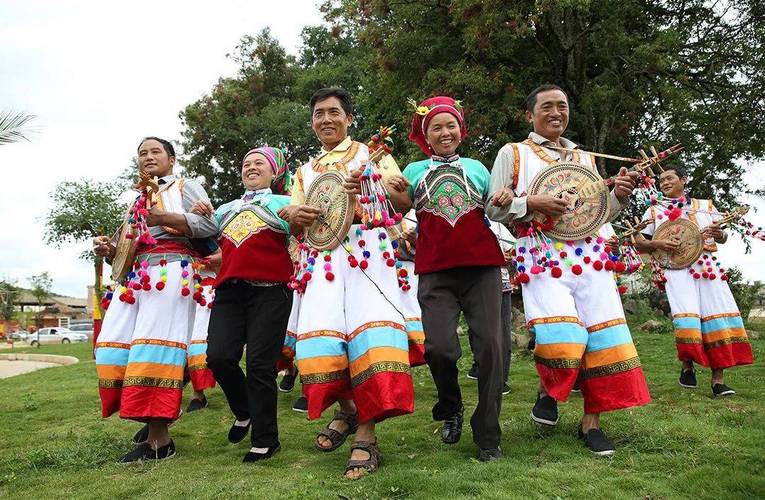
Chuxiong has also promoted the integration of intangible cultural heritage into school education, including Yi embroidery, traditional dance, ethnic music and folk customs. These programs create useful connections between formal education and local cultural resources, making Chuxiong particularly suitable for overseas students interested in ethnology, anthropology, traditional arts, education and cultural heritage.
Education Overview in Chuxiong City
Chuxiong has a relatively complete education system covering early childhood education, primary education, secondary education, vocational education and higher education. The city has also developed various extracurricular education and youth practice programs, including science education, labor education, ethnic unity education and intangible cultural heritage activities.
According to the supplied local education statistics, Chuxiong has two institutions of higher learning, with more than 700 full-time teachers and approximately 14,700 students. The city also has around 10 secondary vocational schools, 26 ordinary middle schools, a large network of primary schools and dozens of kindergartens. These institutions create a broad educational environment for both local students and potential international exchange programs.
A distinctive feature of Chuxiong education is the integration of ethnic culture into school-based education. Some schools have introduced Yi embroidery, traditional dance, folk music and ethnic customs into extracurricular courses and practical activities. Vocational schools can provide another level of cultural learning by connecting traditional handicrafts with professional skills training.
For international study groups, this combination makes Chuxiong more than a destination for sightseeing. Students can compare Chinese education with their own education systems, visit schools, communicate with local students and then continue their learning through museums, heritage workshops and village field research.
Main Educational Areas in Chuxiong
Lucheng Historic Urban District
Lucheng Town (鹿城镇) is the traditional educational and cultural center of Chuxiong. Many established primary and secondary schools are located in or around the central urban area.
The district is particularly suitable for education programs that combine school visits with local history and cultural research. Schools can connect with institutions such as Chuxiong Prefecture Museum and Chuxiong Confucian Temple, allowing students to move between classroom education and cultural heritage sites.
Donggua Development Area
Donggua Town (东瓜镇) represents one of the newer educational areas of Chuxiong. Newer primary and secondary schools, vocational education facilities and educational practice resources are concentrated in this part of the city.
The area is also close to major cultural-learning resources, making it practical for study groups that want to combine school exchange with Yi cultural education, traditional handicraft workshops and science-oriented activities.
Township and Rural Education Areas
Outside the central urban area, schools in townships such as Bajia Town (八角镇), Ziwu Town (子午镇) and Zixi Town (紫溪镇) often emphasize local cultural identity.
Some rural schools have developed their own distinctive educational programs, combining traditional Yi embroidery, left-foot dance, lantern traditions and other local cultural resources with everyday teaching. These schools can provide international visitors with a valuable perspective on how ethnic culture is transmitted to younger generations.
Representative Schools for International Education Visits
Schools in the Lucheng Area
Dongxing Middle School (东兴中学) is one of the established secondary schools in the central urban area and has experience in education and student development programs.
Jinlu Middle School (金鹿中学) has developed activities related to ethnic unity education and cultural exchange, making it relevant to international groups studying education and ethnic relations.
Beipu Middle School (北浦中学) is another established urban middle school that can serve as a potential reference institution for youth exchange programs.
Lucheng Primary School (鹿城小学) is a long-established primary school with a strong connection to the historic center of Chuxiong. Its location near Chuxiong Confucian Temple provides opportunities to explore the relationship between traditional culture, local history and modern education.
Schools in the Donggua Development Area
Chuxiong Development Zone Experimental Primary School (楚雄开发区实验小学) represents the newer generation of urban primary education facilities and has an emphasis on modern educational development.
Yihai Senior High School (彝海高级中学) is a public senior secondary school that can be considered for educational exchange programs involving secondary students.
Chuxiong City Vocational High School (楚雄市职业高级中学) is particularly relevant to international study tours because vocational education provides a direct connection between traditional culture and practical skills. Programs related to clothing production, Yi embroidery and tourism services can potentially be incorporated into cultural and vocational exchange activities.
Rural and Ethnic-Culture Schools
Faguzhu Mingde Primary School in Bajiao Town (八角镇法古苴明德小学) provides an example of a rural school incorporating Yi embroidery and left-foot dance into campus activities. For international students studying intangible heritage and rural education, this type of school offers a useful case study of how traditional culture can be transmitted through everyday education.
Schools in Ziwu Town can also draw on local Piao Chuan lantern traditions for cultural education and extracurricular activities.
School visits should always be arranged in advance through the appropriate education authorities or schools. International groups should not enter a school campus without prior approval.
International Study-Tour Resources in Chuxiong
Chuxiong combines education, ethnic culture, intangible heritage, archaeology, astronomy, museums and rural communities in a relatively compact geographical area. This creates several different study-tour themes for overseas students.
Yi Ethnic Culture and Intangible Cultural Heritage
The Yi people are central to Chuxiong’s cultural identity, and traditional arts provide some of the strongest resources for international cultural study.
Yi traditional clothing is an important heritage subject involving embroidery, textile techniques, colors, patterns and traditional tailoring. Students can examine how clothing communicates ethnic identity and how motifs connect with nature, mythology and community traditions.
Left-foot dance, associated with Yi musical and dance traditions, provides a more interactive form of cultural learning. Students can study the relationship between music, movement, community participation and festival culture, and where appropriate participate in guided dance activities.
Other relevant heritage resources include Yi gourd-flute making, Piao Chuan lantern traditions, root carving, bone and horn crafts, traditional Yi medicine practices and local fermented-food production.
A well-designed workshop should ideally involve a recognized craftsperson or cultural practitioner. Students can learn about raw materials, production techniques, symbolism and the contemporary challenges of transmitting traditional skills.
Chuxiong Prefecture Museum
Chuxiong Prefecture Museum (楚雄州博物馆) is one of the most important educational resources for understanding the history and culture of the wider prefecture. Its collections and exhibitions cover subjects including prehistoric fossils, the Wanjia Dam bronze culture, Yi clothing and revolutionary-era historical materials.
For international students, the museum can provide an academic introduction before fieldwork begins. Anthropology students can focus on ethnic culture and material culture, history students can examine archaeological development, while students interested in paleontology can explore the prehistoric record of Yunnan.
Museum-based learning can also help students understand why Chuxiong has developed such a strong relationship between archaeology, ethnic culture and tourism.
Ten-Month Solar Calendar Cultural Park
The Ten-Month Solar Calendar Cultural Park (十月太阳历文化园) introduces students to the traditional Yi concept of a ten-month solar calendar and its relationship with seasonal cycles, agriculture, cosmology and cultural beliefs.
This is particularly suitable for interdisciplinary study involving astronomy, anthropology, traditional knowledge and cultural geography. Students can investigate how societies historically observed natural cycles and developed systems for organizing agricultural and social life.
Yi Ancient Town
Yi Ancient Town (彝人古镇) provides a concentrated environment for learning about Yi cultural expression. Traditional-style streets, cultural performances, handicraft displays and ethnic arts create opportunities for students to observe how heritage is presented in contemporary tourism.
Study groups can focus on Yi embroidery, traditional musical instruments, folk performance and cultural commercialization. Where arrangements are available, workshops with craft practitioners can transform a sightseeing visit into a more educational hands-on experience.
Long March National Cultural Park and Torch Festival Heritage Resources
The Long March National Cultural Park in Chuxiong and associated Torch Festival cultural resources provide an opportunity to explore two different dimensions of local history: modern revolutionary history and traditional Yi festival culture.
Students can examine how historical memory is presented in museums and cultural institutions, while also learning how the Torch Festival functions as an important expression of Yi identity and community traditions.
This combination is useful for study programs examining the relationship between ethnic culture, national history, collective memory and contemporary education.
Zixi Yi Village
Zixi Yi Village (紫溪彝村) provides a more community-based cultural-learning environment. Students can observe traditional houses, village organization, local customs and aspects of everyday ethnic life.
For anthropology and sociology students, a village setting allows observation of how traditional culture changes in response to tourism, modernization and contemporary education. Fieldwork should be conducted respectfully, with prior arrangements and informed consent when interviewing or photographing residents.
Yikoukua Traditional Village
Yikoukua Traditional Village (以口夸传统村落) in Ziwu Town is associated with local Piao Chuan cultural traditions, traditional architecture, lantern performance and Dongjing music.
It is particularly suitable for students studying traditional villages, folk performance, community heritage and rural cultural landscapes. Rather than simply observing a performance, a study group can examine how music and folk traditions have been preserved, adapted and transmitted between generations.
Lianxiwan Study and Practice Base
Lianxiwan Study and Practice Base (莲溪湾研学实践基地) provides a more structured environment for student activities. Its resources include labor education, agricultural activities and traditional handicraft experiences such as bamboo weaving.
This type of facility is particularly suitable for younger students and mixed-age international study groups that need organized practical-learning spaces and supporting educational infrastructure.
Major Study-Tour Themes for International Students
Yi Intangible Heritage Study
The Yi intangible cultural heritage study tour can combine traditional clothing, embroidery, left-foot dance, gourd-flute making, folk music and traditional festivals.
Students can move from observation to hands-on learning by examining textiles, learning basic embroidery techniques, studying traditional instruments and participating in supervised cultural activities.
This theme is particularly suitable for students studying art, design, anthropology, ethnomusicology and cultural heritage.
History and Museum Studies
A Chuxiong history and museum study tour can focus on archaeology, prehistoric fossils, bronze culture, ethnic history and modern historical memory.
The museum provides the classroom-based foundation, while historical and cultural sites in the city can provide additional field-learning opportunities. Students can be encouraged to record observations, compare different forms of historical presentation and produce research notes or presentations.
Astronomy and Traditional Knowledge
The Ten-Month Solar Calendar provides an unusual opportunity to combine astronomy with anthropology.
Students can investigate how the Yi traditionally understood time, seasons and agricultural cycles and compare these ideas with calendar systems from their own countries.
Rural Anthropology and Field Research
A village-based program can introduce students to traditional architecture, agricultural life, ethnic customs, handicrafts and community organization.
Zixi Yi Village and traditional villages around Ziwu Town are particularly useful for this kind of fieldwork. International students should focus on observation and respectful interaction rather than treating villages simply as tourist attractions.
Vocational Education and Cultural Skills
Chuxiong’s vocational education resources offer another distinctive study-tour theme. Students can learn how traditional cultural skills such as Yi embroidery and ethnic clothing production are incorporated into contemporary vocational education.
An exchange with a vocational school can also allow international students to compare technical and vocational education systems in China with those in their home countries.
Suggested Study-Tour Frameworks
Short International Study Program
A short program can begin with Chuxiong Prefecture Museum to establish a historical and archaeological background, followed by the Ten-Month Solar Calendar Cultural Park for traditional astronomy and cosmology.
The program can then continue with Yi cultural activities and a supervised handicraft workshop, followed by a visit to a traditional village or rural cultural community. This structure allows students to progress from classroom-style learning to cultural observation and practical experience.
Deeper Cultural and Field Study Program
For longer international student groups, Chuxiong can support a deeper combination of museum research, traditional knowledge, vocational education and village fieldwork.
Students can first receive an introduction to Yi history and culture, then study the Ten-Month Solar Calendar and intangible heritage. A school exchange can introduce contemporary education and vocational training, followed by village-based field research focusing on traditional architecture, handicrafts, music and community life.
The final stage can involve students organizing their research notes, photographs, interviews and handicraft work into a presentation or small exhibition.
Practical Information for International Study Groups
Language and Cultural Mediation
Some rural schools, village communities and individual heritage practitioners may not have English-speaking staff. International groups should therefore arrange a bilingual study-tour leader or professional interpreter.
The interpreter should understand not only everyday language but also relevant terminology relating to Yi culture, traditional crafts, education and anthropology.
School Exchange Visits
International school groups should contact schools and relevant education authorities well in advance. School visits are different from ordinary tourism and require appropriate arrangements, particularly when students intend to enter classrooms, communicate with local students or participate in teaching activities.
Intangible Heritage Workshops
Hands-on activities such as embroidery, bamboo weaving and musical performance require adequate time. Students should not expect traditional handicrafts to be completed within a few minutes simply for demonstration purposes.
Whenever possible, workshops should be conducted by experienced practitioners who can explain both the technical process and the cultural meaning of the craft.
Photography and Village Etiquette
Photography should be handled carefully in villages, schools, religious spaces and during traditional ceremonies. Students should ask permission before photographing individuals or recording interviews.
Cultural study should be based on respect and participation rather than treating ethnic communities as objects of observation.
Best Travel Period for Study Tours
The period from October to April generally provides comfortable conditions for outdoor cultural visits and village fieldwork. The Torch Festival period in July and August can provide an opportunity to study major Yi festival traditions, although groups should make arrangements well in advance.
During the rainy season, international groups should allow additional flexibility for rural travel, particularly when visiting mountainous communities.
Education and Study-Tour Resources with Yaso Trip
Chuxiong City offers a particularly strong combination of formal education and living cultural heritage. Its schools, vocational institutions, museums, traditional villages, intangible cultural heritage and ethnic communities create opportunities for international students to study both contemporary China and the cultural traditions of southwestern Yunnan.
For Students Education Study Tours with Yaso Trip, Chuxiong can support programs covering Yi ethnic culture, intangible cultural heritage, anthropology, archaeology, traditional astronomy, vocational education, rural development, traditional villages and cultural tourism.
The strongest programs should connect several learning environments rather than relying on sightseeing alone. A student might begin by studying Yi history and archaeological collections in a museum, examine the Ten-Month Solar Calendar as an example of traditional knowledge, learn embroidery or another craft from a practitioner, exchange ideas with Chinese students at a local school, and finally conduct field observations in a traditional village.
This approach allows international students to see the relationship between education, cultural heritage and everyday community life. It also gives local schools and cultural practitioners opportunities for genuine international exchange.
School Reference for International Education Planning
The following institutions can be used as reference points when developing education exchanges or study-tour programs in Chuxiong. Actual visits, exchange activities and reception arrangements should be confirmed with each institution in advance.
| Education Level |
School |
Main Relevance for Study Tours |
| Kindergarten |
Chuxiong Hui People Kindergarten (楚雄市回民幼儿园) |
Early childhood education and local school observation |
| Kindergarten |
Chuxiong Zhiqu Kindergarten (楚雄市稚趣幼儿园) |
Early childhood education |
| Kindergarten |
Chuxiong Shigu Kindergarten (楚雄市石鼓幼儿园) |
Early childhood education |
| Kindergarten |
Chuxiong Boyuan International Kindergarten (楚雄博园国际幼儿园) |
International-oriented early education |
| Primary School |
Lucheng Primary School (鹿城小学) |
Historic urban education and cultural-learning connections |
| Primary School |
Huancheng Primary School (环城小学) |
Urban primary education |
| Primary School |
Beicheng Primary School (北城小学) |
Urban primary education |
| Primary School |
Chuxiong Beipu Primary School (楚雄北浦小学) |
Primary education and youth exchange |
| Primary School |
Fayi Primary School (法邑小学) |
Rural and community-based education |
| Middle School |
Chuxiong City Experimental Middle School (楚雄市实验中学) |
Urban secondary education |
| Middle School |
Chuxiong Yi National Middle School (云南省楚雄彝族自治州民族中学) |
Ethnic education and cultural exchange |
| Middle School |
Jinlu Middle School (金鹿中学) |
Secondary education and ethnic unity education |
| Middle School |
Dongxing Middle School (东兴中学) |
Established urban secondary education |
| Middle School |
Beipu Middle School (北浦中学) |
Urban secondary education |
| Higher Education |
Chuxiong Normal University (楚雄师范学院) |
Higher education, teacher training and potential academic exchange |
For international education programs, Chuxiong Normal University (楚雄师范学院) can be particularly relevant for academic exchange involving teacher education, ethnic culture, education research and student interaction. Vocational schools are also valuable when the study-tour theme focuses on traditional handicrafts, tourism services or the relationship between cultural heritage and modern skills education.
Chuxiong therefore provides an unusually broad platform for international student education tours in Yunnan, where formal schools, vocational education, museums, intangible cultural heritage and traditional communities can be connected into one educational experience. Rather than separating education from tourism, Yaso Trip can use these resources to build culturally grounded programs in which students learn through classrooms, museums, workshops, community visits and field research.