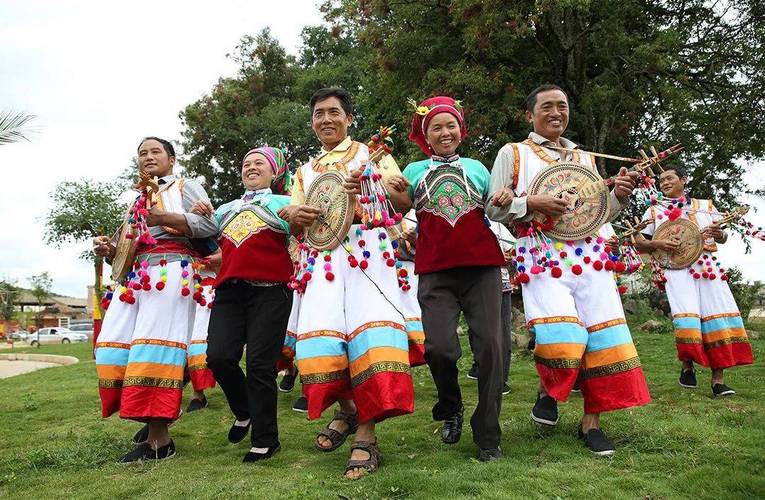
Nanjian Yi Autonomous County (南涧彝族自治县) is located at the southern end of Dali Bai Autonomous Prefecture (大理白族自治州) in western Yunnan. The county seat is situated in Nanjian Town (南涧镇), which functions as the administrative, commercial, cultural and transport centre of the county.
Nanjian administers five towns and three townships. These eight township-level divisions contain the county’s urban centre, tea-producing mountains, Yi villages, agricultural communities, birdwatching areas and Lancang River settlements. Nanjian is a county-level autonomous area and does not administer any other counties or county-level cities.
The county covers approximately 1,739 square kilometres, of which mountainous terrain accounts for more than 99%. Its registered population is approximately 224,600. Recent administrative information records around 81 village and community committees and more than 1,100 natural villages, although totals can change when village-level communities are reorganised.
SEO Title: Nanjian Administrative Divisions – Towns, Townships and Tourism Resources
Meta Description: Explore the five towns and three townships of Nanjian Yi Autonomous County, with an overview of local tourism resources, tea culture, Yi villages, birdwatching and rural travel.
Suggested Keywords: Nanjian administrative divisions, Nanjian towns and townships, Nanjian tourism resources, Nanjian Town, Wuliangshan Town, Nanjian Yi villages, Nanjian travel guide
Administrative Structure of Nanjian County
The current administrative structure consists of five towns and three townships:
Five towns:
- Nanjian Town
- Baohua Town
- Xiaowandong Town
- Gonglang Town
- Wuliangshan Town
Three townships:
- Yongcui Township
- Bixi Township
- Leqiu Township
The eight administrative areas occupy distinct geographical zones. Nanjian Town lies in the county’s principal basin, while Wuliangshan, Gonglang and Baohua extend into tea-producing mountain areas. Xiaowandong occupies part of the Lancang River corridor, and Yongcui, Bixi and Leqiu contain scattered agricultural and ethnic minority communities.
Development of the Administrative Divisions
Nanjian’s present administrative structure was gradually formed through several township reorganisations.
Xiaowandong Town was established in 1999 after the former Xinmin Township was abolished. In 2000, the former Langcang Township became Gonglang Town, while the former Baohua Township was reorganised as Baohua Town.
In 2002, the former Desheng Township was incorporated into Nanjian Town, strengthening the county seat’s administrative area. The former Wuliang Township became Wuliangshan Town in 2009.
These adjustments created the present five-town and three-township system, which remains visible on the official Nanjian County government website.
Tourism Resource Distribution
Nanjian’s tourism resources are often presented through the ideas of “Two Mountains and Two Rivers” and “Three Valleys and Four Parks.” This tourism geography is closely connected with the county’s administrative divisions.
The two mountains refer principally to the Wuliang Mountains (无量山) and the mountain systems extending through the county, while the two rivers represent the Lancang River (澜沧江) and the Heihui River (黑惠江).
The “three valleys” are associated with cherry blossoms, tea and medicinal plants. Tourism resources are further connected through rural parks, Yi cultural communities, outdoor recreation areas and ecological observation sites.
Each town or township therefore has a different tourism role:
- Nanjian Town serves as the county’s visitor and cultural centre.
- Wuliangshan Town is the main mountain and winter-blossom destination.
- Gonglang Town is associated with tea tourism and the Lancang River.
- Xiaowandong Town functions as a railway and river-tourism gateway.
- Bixi Township is known for birdwatching and tea-forest accommodation.
- Yongcui Township combines revolutionary heritage with rural agriculture.
- Baohua Town and Leqiu Township have potential for ecological agriculture, camping and countryside tourism.
Nanjian Town: County Centre and Yi Cultural Gateway
Nanjian Town is the seat of the county government and the principal base for accommodation, restaurants, shopping, transport and public services. Most visitors arriving by road use the town as their first stop before continuing towards the Wuliang Mountain or Lancang River areas.
Its best-known cultural resource is Xishan Tiaocai Village (西山跳菜村), where visitors can experience Nanjian Yi Tiaocai (南涧彝族跳菜). This nationally recognised intangible cultural heritage combines dance, music, balance and banquet service. Tiaocai performances are generally connected with organised meals, festivals and group visits.
The area around the county town also contains the Nanjian Earth Forest (南涧土林) and Wuliang Pagoda (无量塔). The earth formations provide a convenient natural sightseeing experience close to the urban area, while the pagoda offers views over the county basin.
Nanjian Town’s tourism position can be described as:
- Countywide visitor service centre
- Yi culture and Tiaocai experience base
- Accommodation and restaurant hub
- Shopping and local-product centre
- Gateway to the Earth Forest
- Starting point for travel into other towns and townships
Wuliangshan Town: Winter Blossoms and Mountain Ecology
Wuliangshan Town contains some of Nanjian’s most widely recognised landscapes. Its highland tea gardens, forest environment and winter cherry blossoms have made it the county’s principal scenic tourism area.
The best-known destination is Wuliang Mountain Cherry Blossom Valley (无量山樱花谷), where winter cherry trees bloom above green tea plantations. The landscape is usually at its most colourful from late November to mid-December, although flowering dates vary each year.
The town also provides access to mountain forests and protected ecological areas associated with the Wuliang Mountain National Nature Reserve (无量山国家级自然保护区). These environments support biodiversity, ecological research, walking, birdwatching and landscape photography.
Tourism in Wuliangshan Town is strongly linked with:
- Winter cherry blossom viewing
- Tea plantations
- Mountain photography
- Yi villages
- Ecological education
- Rural accommodation
- Agricultural-product shopping
Wuliangshan Town is also an important place to look for handmade Yi embroidery. Lu Xianxiu (鲁仙秀), a recognised Nanjian embroidery practitioner, comes from Hongxing Village in this town.
Gonglang Town: Tea Tourism and Mountain Agriculture
Gonglang Town is one of Nanjian’s principal tea-producing areas. Its tourism development focuses on tea plantations, tea culture, mountain accommodation and agricultural experiences.
The most representative tourism project is Wuliang Mountain Hidden Tea Valley (无量山藏茶谷). Visitors may encounter tea gardens, processing facilities, tea-tasting spaces and accommodation overlooking the plantations.
Depending on the agricultural season and local arrangements, tea experiences can include:
- Walking through tea gardens
- Picking tea leaves
- Learning about processing
- Watching tea ceremonies
- Tasting white, green or black tea
- Visiting tea producers
- Purchasing tea directly from cooperatives
Gonglang is also associated with the Menglong Ferry (猛龙渡) area along the Lancang River corridor. River landscapes add fishing, camping and outdoor recreation to the town’s tourism profile.
Its development position combines tea culture, ecological agriculture, rural accommodation and river-based recreation.
Xiaowandong Town: Railway Gateway and Lancang River Tourism
Xiaowandong Town lies beside the Lancang River at the meeting point of routes connecting Dali, Lincang and Pu’er. Its transport importance increased after the opening of Xiaowandong Railway Station (小湾东站) on the Dali–Lincang Railway.
The station provides connections towards Dali, Lijiang, Lincang and Kunming. It is more than 80 kilometres from Nanjian County town, so it functions primarily as a transport gateway for the eastern Lancang River area rather than as the central railway station for all Nanjian itineraries.
The town’s tourism resources include hydropower landscapes, reservoir scenery, riverside villages, Yi culture and fishing-related recreation. Frequently mentioned resources include:
- Xiaowan Hydropower Station (小湾电站)
- Lancang River reservoir scenery
- Traditional Yi villages
- Laojiaku Ancient Yi Village (老家库千年彝寨)
- Long-lake fishing and outdoor areas
- Mountain and river-cloud photography
Xiaowandong is being positioned as a new cultural tourism area connecting transport, rural revitalisation, Lancang River scenery and Yi village experiences.
Bixi Township: Birdwatching and Tea-Forest Retreats
Bixi Township (碧溪乡) is one of Nanjian’s most important ecological tourism areas. Its forests and mountain environment make it particularly suitable for birdwatching, wildlife observation and nature education.
Phoenix Mountain Birdwatching Area (凤凰山观鸟园) is associated with long-term migratory-bird monitoring and ringing activities. The broader area has become increasingly significant for ecological research and international bird-migration studies.
Tourism experiences in Bixi may include:
- Birdwatching
- Wildlife photography
- Forest walks
- Tea-garden visits
- Rural guesthouses
- Environmental education
- Village-based cultural activities
Tea-forest accommodation and rural retreats add a wellness dimension to the township. Nearby Lancang River areas may also support fishing and outdoor recreation, though exact administrative boundaries and access routes should be checked before travel.
Yongcui Township: Revolutionary Heritage and Rural Tourism
Yongcui Township (拥翠乡) combines revolutionary history, Yi communities, mountain agriculture and seasonal rural scenery.
One of its important historic resources is the Former Site of the Daga Farmers’ Revolutionary Party Branch (打戛农民革命党支部旧址), associated with the first farmers’ Party branch established in Nanjian. This gives the township potential for revolutionary-history education and study tours.
Agricultural tourism has also developed around villages such as Longfeng Village (龙凤村). Local industries and seasonal crops create opportunities for farm visits, flower viewing and the purchase of agricultural products.
Yongcui’s tourism position includes:
- Revolutionary heritage
- Red-culture educational travel
- Marigold fields
- Rural industries
- Agricultural experiences
- Yi village culture
Some tourism projects remain seasonal or are still developing, so visitors should confirm current operating arrangements.
Baohua Town: Agriculture and Rural Leisure
Baohua Town (宝华镇) is a predominantly mountainous agricultural area with tea, livestock and other ecological industries. Its landscape consists of valleys, slopes, forests and scattered villages.
Tourism development is less concentrated than in Nanjian Town or Wuliangshan Town. Its strongest potential lies in:
- Ecological agriculture
- Tea-producing communities
- Rural food
- Traditional villages
- Scenic mountain driving
- Farm stays
- Outdoor recreation
Baohua also provides road access towards mountain tourism resources in the broader Wuliang area. Travellers should use self-driving, a chartered vehicle or organised transport because rural attractions are widely dispersed.
Leqiu Township: Highland Agriculture and Outdoor Potential
Leqiu Township (乐秋乡) is another mountainous rural area where agriculture, forest resources and Yi community life shape the landscape.
Recent county events have used Qiege Wild-Luxury Camp (切格野奢营地) and other rural locations for outdoor and cultural activities. This indicates growing potential for camping, mountain leisure and event-based tourism.
Leqiu’s tourism strengths include:
- Highland agriculture
- Yi villages
- Forest scenery
- Camping
- Outdoor events
- Rural homestays
- Seasonal agricultural experiences
Facilities remain more limited than in the county town, and independent travellers should confirm road, accommodation and food arrangements in advance.
The “Three Valleys” Tourism Structure
Nanjian’s three-valley tourism concept helps connect resources distributed across several administrative areas.
Cherry Blossom Valley
The Wuliang Mountain Cherry Blossom Valley represents winter flowers, tea plantations and seasonal photography. It is most closely associated with Wuliangshan Town.
Hidden Tea Valley
The Wuliang Mountain Hidden Tea Valley focuses on tea production, tea ceremonies, agricultural education and mountain accommodation. It is associated principally with Gonglang Town.
Medicinal Herb Valley
Wuliang Medicinal Herb Valley (无量药谷) combines mountain ecology, medicinal plants and wellness-related tourism. Access may involve roads passing through Baohua and other mountain areas, so travellers should verify the most suitable route before departure.
Together, these valleys support Nanjian’s broader identity as a destination for tea culture, health, ecology and rural travel.
Tourism Development Across the Eight Administrative Areas
Tourism development is strongest in Nanjian Town, Wuliangshan Town and Gonglang Town, where visitor services and identifiable tourism products are more established.
Xiaowandong Town and Bixi Township have strong specialist potential in railway-based access, Lancang River scenery, birdwatching and ecological education. Yongcui Township is suited to revolutionary-history study tours and agricultural experiences.
Baohua Town and Leqiu Township remain quieter rural areas. Their development potential lies in community-based tourism, mountain driving, camping, agriculture and small-scale accommodation rather than large sightseeing facilities.
The distribution of resources can be understood as follows:
| Tourism Theme |
Principal Administrative Area |
| County services and Yi Tiaocai |
Nanjian Town |
| Winter cherry blossoms and mountain ecology |
Wuliangshan Town |
| Tea culture and tea estates |
Gonglang Town |
| Lancang River and railway access |
Xiaowandong Town |
| Birdwatching and forest retreats |
Bixi Township |
| Revolutionary heritage and agriculture |
Yongcui Township |
| Mountain agriculture and rural leisure |
Baohua Town |
| Camping and highland countryside |
Leqiu Township |
Nanjian Yi Autonomous County Administrative Divisions
Nanjian Yi Autonomous County does not contain subordinate counties or county-level cities. Its complete township-level administrative structure consists of the following five towns and three townships.
| Administrative Division |
Type |
Administrative Role or Core Area |
Principal Tourism Resources and Positioning |
| Nanjian Town (南涧镇) |
Town; county seat |
Nanjian urban area |
County service centre; Xishan Tiaocai Village, Nanjian Earth Forest, Wuliang Pagoda, Yi cultural experiences |
| Wuliangshan Town (无量山镇) |
Town |
Wuliang Mountain area |
Wuliang Mountain Cherry Blossom Valley, nature reserve landscapes, tea gardens, mountain ecology and Yi embroidery |
| Gonglang Town (公郎镇) |
Town |
Fengling and Longping areas |
Wuliang Mountain Hidden Tea Valley, white-tea estates, tea-making experiences, mountain accommodation and Menglong Ferry |
| Xiaowandong Town (小湾东镇) |
Town |
Cha River new area and Lancang River corridor |
Xiaowandong Railway Station, Xiaowan Hydropower Station, reservoir scenery, ancient Yi village culture, fishing and photography |
| Baohua Town (宝华镇) |
Town |
Baohua mountain area |
Ecological agriculture, tea-growing communities, rural leisure, mountain scenery and developing countryside tourism |
| Yongcui Township (拥翠乡) |
Township |
Longfeng Village and surrounding communities |
Former Daga Farmers’ Revolutionary Party Branch site, revolutionary-history education, marigold fields and agricultural tourism |
| Bixi Township (碧溪乡) |
Township |
Phoenix Mountain area |
Birdwatching, migratory-bird monitoring, tea-forest guesthouses, ecological education and wellness travel |
| Leqiu Township (乐秋乡) |
Township |
Leqiu highland communities |
Highland agriculture, Qiege camping area, Yi villages, forest recreation and emerging rural tourism |