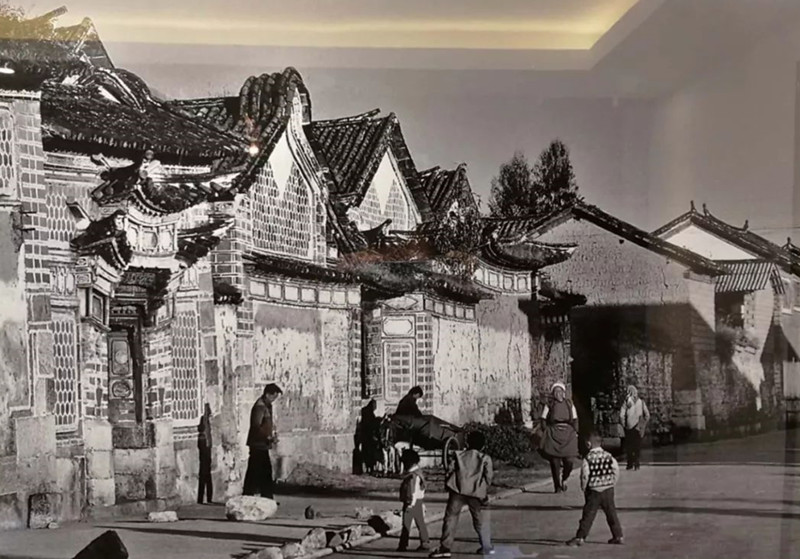
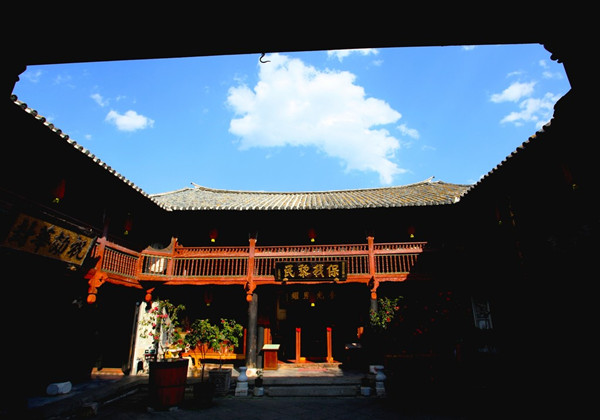
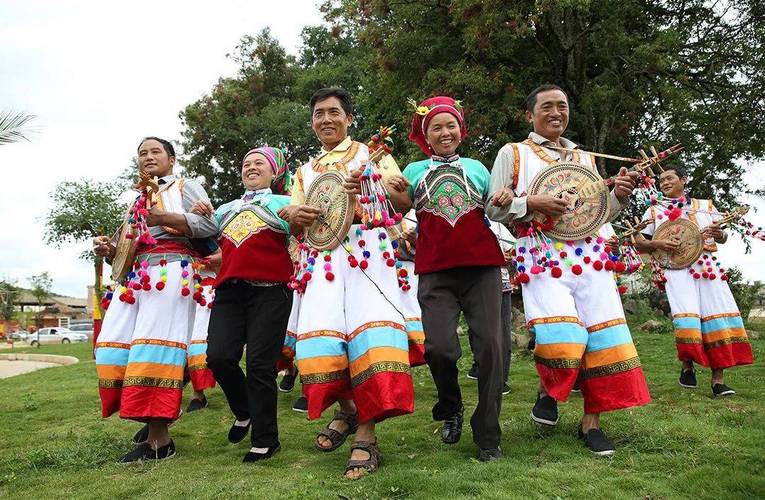
The essence of traveling in Dali Bai Autonomous Prefecture (大理白族自治州) can be summed up as “Cangshan Mountain, Erhai Lake, ancient towns and a relaxed lifestyle.” First-time visitors usually focus on Dali Ancient Town (大理古城), the western shore of Erhai Lake (洱海), Xizhou Ancient Town (喜洲古镇), Cangshan Mountain (苍山) and the eastern lakeshore. Travelers with more time can continue to Shaxi Ancient Town (沙溪古镇), Weishan Ancient Town (巍山古城), Nuodeng Ancient Village (诺邓古村), Jizu Mountain (鸡足山) and other destinations across the prefecture.
A well-planned Dali tour should separate the western and eastern sides of Erhai Lake. The western shore is known for ancient towns, Bai culture, rural scenery and the Erhai Ecological Corridor, while the eastern shore offers elevated lake views, waterfront villages and beautiful sunsets. Allow at least three or four days for the classic Dali experience and five to seven days if you want to explore the wider prefecture.
How Many Days to Spend in Dali
Two Days: Essential Dali Highlights
A two-day tour is suitable for travelers with limited time. Spend the first day exploring Dali Ancient Town, Chongsheng Temple and the Three Pagodas (崇圣寺三塔) and nearby Bai neighborhoods. On the second day, travel along the western shore of Erhai Lake through Longkan Wharf (龙龛码头), Panxi Village S-Bend (磻溪村S湾) and Xizhou Ancient Town.
This arrangement covers Dali’s best-known historical and lakeside attractions, but it leaves little time for Cangshan Mountain or the eastern shore.
Three to Four Days: Classic Dali Tour
Three or four days is the most comfortable choice for a first visit. It provides enough time to experience Dali’s old-town atmosphere, Bai culture, lakeside countryside and mountain scenery without rushing.
Day 1: Dali Ancient Town and Local Life
After arriving, check into a hotel near Dali Ancient Town. Walk along Renmin Road (人民路), visit local markets and climb Wuhua Tower (五华楼) for views over the tiled roofs of the old town. In the evening, sample local snacks such as grilled rushan cheese or relax in a folk-music bar.
Day 2: Western Erhai Lake and Xizhou Ancient Town
Start early at Longkan Wharf to watch the sunrise. Continue along the Erhai Ecological Corridor by bicycle, shared bicycle or sightseeing vehicle, passing rural villages and Panxi Village S-Bend. Later, visit Xizhou Ancient Town to see traditional Bai courtyard houses, taste Xizhou Baba (喜洲粑粑) and experience Bai tie-dyeing.
Day 3: Cangshan Mountain or Eastern Erhai Lake
Choose Cangshan Mountain if you prefer hiking, forests and panoramic views. The Gantong Cableway (感通索道) provides access to the mountain, and nearby Jizhao Nunnery (寂照庵) is known for its tranquil garden and vegetarian meals. Alternatively, arrange a private vehicle for the eastern shore, visiting Shuanglang Ancient Town (双廊古镇), Ideal State (理想邦) and Little Putuo Island (小普陀) before watching the sunset over Erhai Lake.
Day 4: Three Pagodas or a Full-Day Excursion
Visit Chongsheng Temple and the Three Pagodas for one of Dali’s most recognizable historical views. Travelers interested in the Ancient Tea Horse Road can instead take a full-day trip to Shaxi Ancient Town, although an overnight stay in Shaxi offers a more relaxed experience.
Five to Seven Days: In-Depth Dali Prefecture Tour
With five to seven days, combine central Dali with the prefecture’s historic towns, ethnic villages and mountain landscapes. A recommended route is:
Dali Ancient Town – Erhai Lake – Xizhou – Shuanglang – Shaxi – Jianchuan – Weishan
Another option focuses on western Yunnan’s old trading settlements:
Dali – Weishan – Nuodeng – Shaxi – Lijiang
Travelers interested in Buddhist culture can add Jizu Mountain, while those interested in handicrafts can explore Jianchuan County (剑川县) for traditional woodcarving and Zhoucheng Village (周城村) for Bai tie-dyeing.
Best Time to Visit Dali
Dali has a subtropical highland monsoon climate with abundant sunshine, fresh air and relatively mild temperatures. It can be visited throughout the year, but March to June is generally one of the best periods, especially for spring flowers, comfortable temperatures and outdoor activities.
Spring: March to May
Spring is an excellent season for visiting Dali Ancient Town, Erhai Lake, Cangshan Mountain and the Three Pagodas. Days are often sunny and pleasant, but mornings and evenings can remain cool. Bring a warm jacket, particularly if you plan to visit mountain areas.
Summer: June to August
Summer brings green landscapes, blooming fields and the rainy season. Rain usually falls in showers rather than lasting all day, but an umbrella or lightweight raincoat is essential. Ultraviolet radiation remains strong even on cloudy days, so sunscreen, sunglasses and a hat are necessary.
Summer is also an important season for Yunnan’s wild mushrooms. Visitors may enjoy wild-mushroom hotpot, but mushrooms should only be eaten at reputable restaurants where they are properly identified and thoroughly cooked.
Autumn: September to November
Autumn generally offers clear skies, cool weather and excellent visibility around Cangshan Mountain and Erhai Lake. Pack a jacket and sweater because temperatures drop after sunset.
Winter: December to February
Dali winters are relatively mild during the day, making the region attractive to visitors escaping colder parts of China. Nights can still be chilly, and the air becomes dry. Pack warm layers, moisturizer, lip balm and adequate sun protection.
What to Pack for a Dali Tour
Dali is famous for rapid weather changes and strong ultraviolet exposure. Even during summer, a lightweight jacket is useful for early mornings, rainy periods and evenings. Essential items include sunscreen, sunglasses, a sun hat, comfortable walking shoes and a reusable water bottle.
For Cangshan Mountain or other high-altitude areas, bring warmer clothing, rain protection and footwear with good grip. Winter visitors should pack sweaters and a wind-resistant coat, while summer travelers should prepare for both sunshine and sudden rain.
How to Get to Dali
Dali has one of the most convenient transportation networks among destinations in western Yunnan. Visitors can arrive by air, high-speed train, long-distance bus or private vehicle.
By Air
Dali Fengyi Airport (大理凤仪机场) connects Dali with major Chinese cities. The airport is located southeast of the urban area, and travelers can continue to Xiaguan or Dali Ancient Town by airport transfer, taxi or private vehicle.
By Train
Dali Railway Station (大理站) is in Xiaguan, the modern urban center of Dali City. High-speed and conventional trains connect Dali with Kunming, Lijiang and other Yunnan destinations. From the station, buses, taxis and private transfers are available to Dali Ancient Town and the Erhai Lake area.
By Road
Long-distance buses connect Dali with Kunming, Lijiang, Shangri-La and surrounding counties. Private vehicles are particularly useful for reaching Shaxi, Nuodeng, Weishan, Jizu Mountain and smaller villages where public transportation may be limited.
Useful Transportation Guides
Getting Around Dali
Dali Ancient Town and the Western Shore
Dali Ancient Town is easy to explore on foot. Bicycles, shared bicycles and designated sightseeing vehicles are suitable for sections of the Erhai Ecological Corridor.
Outside electric motorcycles are generally restricted from entering protected sections of the western-shore ecological corridor. Before renting any electric vehicle, confirm where it may be used, the battery condition and its realistic travel range.
Eastern Erhai Lake
Attractions on the eastern shore are more widely separated. A private car or licensed vehicle with a driver is generally the most comfortable and efficient option for visiting Shuanglang, Little Putuo Island and Ideal State in one day. Avoid unlicensed roadside vehicles offering unusually low prices.
Traveling to Outlying Counties
Shaxi, Jianchuan, Nuodeng, Weishan and Jizu Mountain require longer transfers. Private tours, chartered vehicles or self-driving are usually more practical than relying entirely on public buses, especially for travelers with limited time.
Where to Stay in Dali
Dali Ancient Town
Dali Ancient Town is the most convenient base for first-time visitors. It offers a wide selection of restaurants, cafés, shops, boutique inns and hotels at different price levels. It is also convenient for visiting Cangshan Mountain, the Three Pagodas and the western shore of Erhai Lake.
Caicun and Longkan
Caicun Village (才村) and Longkan are suitable for travelers who want lakeside scenery and easy access to sunrise viewpoints. Accommodation can be more expensive than in the old town, and the choice of restaurants may be more limited.
Shuanglang Ancient Town
Shuanglang is popular for direct lake views, boutique hotels and a quiet waterfront atmosphere. It is well suited to couples and leisure travelers, although traffic congestion and limited parking can occur during busy periods.
Xiaguan
Xiaguan offers convenient access to Dali Railway Station, the airport, shopping centers and urban services. It is a practical choice for business travelers, late arrivals and early departures.
Choosing a Hotel
Check recent guest reviews and authentic room photographs before booking. Confirm whether the property has convenient vehicle access, heating or air-conditioning, soundproofing and nearby construction work. Some old-town and lakeside hotels cannot be reached directly by large vehicles, so travelers with heavy luggage should ask about pickup arrangements.
Basic hotel hygiene precautions include washing hands after using frequently touched items, disinfecting drinking glasses with boiling water when appropriate, preparing personal toiletries and pajamas, and avoiding shared plastic slippers if cleanliness is uncertain.
Recommended Accommodation Resources
What to Eat in Dali
Dali’s cuisine reflects the traditions of the Bai people as well as influences from across Yunnan. Visitors can eat at street stalls, family-run restaurants, traditional Bai courtyards and modern dining establishments.
Popular specialties include rushan cheese (乳扇), Xizhou Baba, Dali clay-pot fish (大理砂锅鱼), raw pork skin salad (生皮), pickled fish, local cured meats, wild-mushroom dishes and Bai-style sour-and-spicy flavors. Travelers unfamiliar with raw or lightly cooked food should choose cooked alternatives.
Restaurants hidden along quieter lanes of Dali Ancient Town often provide a more local atmosphere than those on the busiest commercial streets. During the mushroom season, only choose established restaurants and never collect or cook unidentified wild mushrooms independently.
Shopping and Local Handicrafts
Dali is known for Bai tie-dyeing, Jianchuan woodcarving, ethnic embroidery, silver ornaments, tea, local foods and Nuodeng ham. Purchase handicrafts from established workshops, cooperatives or reputable shops whenever possible.
Prices for silverware, traditional medicine and mass-produced “handicrafts” can vary considerably in tourist areas. Ask about the material, production method and origin before purchasing, and keep receipts for valuable items.
Best Things to Do in Dali
Dali brings together mountain scenery, lake landscapes, Buddhist heritage, ancient towns and Bai ethnic culture. Visitors can cycle beside Erhai Lake, hike on Cangshan Mountain, explore traditional villages, visit Buddhist temples or follow sections of the Ancient Tea Horse Road.
The region’s celebrated scenery is traditionally described through the four images of “Wind, Flower, Snow and Moon.” These refer to Xiaguan’s wind, Shangguan’s flowers, Cangshan’s snow and the moon reflected on Erhai Lake.
Top Attractions in Dali
Cycling Around Erhai Lake
Cycling is one of Dali’s signature experiences, but visitors should not assume that the entire lake can be comfortably circled in a single day. The western ecological corridor is best for relaxed riding, photography and village visits, while longer road sections may involve motor traffic and changing weather.
Choose a route suited to your physical condition, check the bicycle and brakes before departure, carry water and sun protection, and avoid riding after dark. Families and casual travelers may prefer a short section between Longkan, Panxi and nearby villages rather than attempting a complete circuit.
Hiking in Dali
Cangshan Mountain, Shibao Mountain, Jizu Mountain and the countryside around Shaxi offer excellent hiking opportunities. Mountain weather can change quickly, particularly during the rainy season. Use designated trails, check local weather and cableway conditions, carry suitable clothing and avoid isolated routes without a guide.
Travelers should also consider Dali’s elevation. Although most visitors adapt without difficulty, the combination of strong sunshine, dry air and physical activity can cause fatigue. Drink enough water and allow time to acclimatize.
Dali Travel Tips and Important Precautions
Weather and Sun Protection
Check the weather forecast before traveling, but prepare for rapid changes. Use sunscreen even on cloudy days, and carry an additional layer for early mornings, evenings and mountain excursions.
Personal Documents and Valuables
Keep your passport, visa, wallet and electronic devices secure. Store digital copies of important travel documents separately and avoid leaving valuables unattended in cafés, vehicles or hotel public areas.
Respecting Bai Culture
Respect local customs when entering villages, temples and family courtyards. Ask permission before photographing residents or religious ceremonies. Dress appropriately in sacred places and follow instructions concerning restricted areas.
Erhai Lake Environmental Protection
Erhai Lake is an ecologically sensitive area. Do not leave rubbish, enter restricted wetlands or wash items in the lake. Follow local traffic and ecological-corridor regulations and use designated cycling, walking and viewing areas.
Peak-Season Travel
Chinese public holidays, summer vacation and major Bai festivals can bring heavy visitor numbers. Book hotels, transportation and private vehicles in advance. Start sightseeing early to avoid traffic and enjoy quieter conditions at popular locations.
How to Combine Dali with Other Yunnan Destinations
Dali fits naturally into a wider northwestern Yunnan itinerary. A classic route is:
Kunming – Dali – Lijiang – Shangri-La
Travelers interested in ancient towns and the Ancient Tea Horse Road can follow:
Dali – Shaxi – Jianchuan – Lijiang
For a deeper cultural journey through Dali Prefecture, consider:
Dali – Weishan – Nanjian – Yunlong – Nuodeng – Jianchuan – Shaxi
A five- or six-day holiday can combine Dali with Lijiang, while seven to ten days allows enough time to include Shangri-La or explore Dali’s outlying counties at a more comfortable pace.
Planning a Dali Tour with Yaso Trip
Useful local information can make a new journey more convenient, enjoyable and time-efficient. Yaso Trip can arrange customized Dali tours covering transportation, accommodation, Bai cultural experiences, Erhai Lake cycling, Cangshan hiking, family travel, photography, food experiences and multi-destination Yunnan itineraries.
Whether you want a classic three-day Dali tour, an in-depth journey through the ancient towns of Dali Prefecture or a longer Kunming–Dali–Lijiang–Shangri-La itinerary, the route can be adjusted according to your travel dates, interests, physical condition and preferred hotel standard.