Longchuan County (陇川县) is administered by Dehong Dai and Jingpo Autonomous Prefecture (德宏傣族景颇族自治州) in western Yunnan Province (云南省). Located along the China–Myanmar border, the county covers approximately 1,873 square kilometers and has a border extending for about 50.9 kilometers. The county government is based in Zhangfeng Town (章凤镇).
The terrain descends from northeast to southwest, combining the broad Longchuan basin with mountain valleys and forested uplands. The Longjiang River (龙江), Husa River (户撒河) and Nanwan River (南宛河) flow through the county, supporting fertile farmland, ethnic villages and several emerging rural tourism areas.
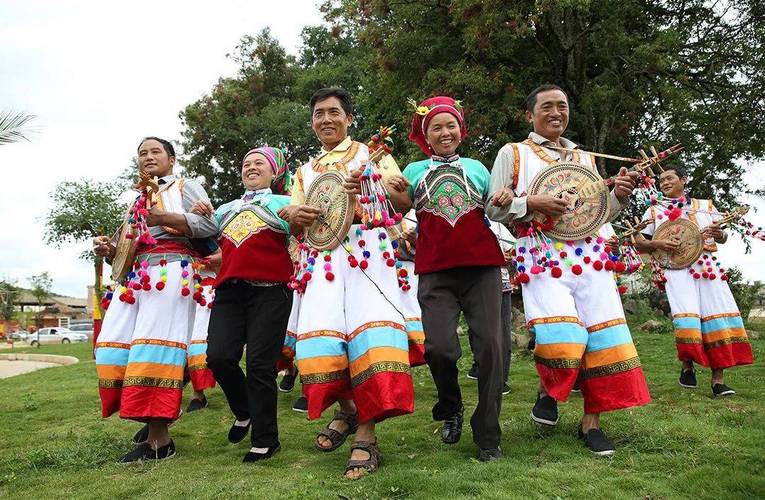
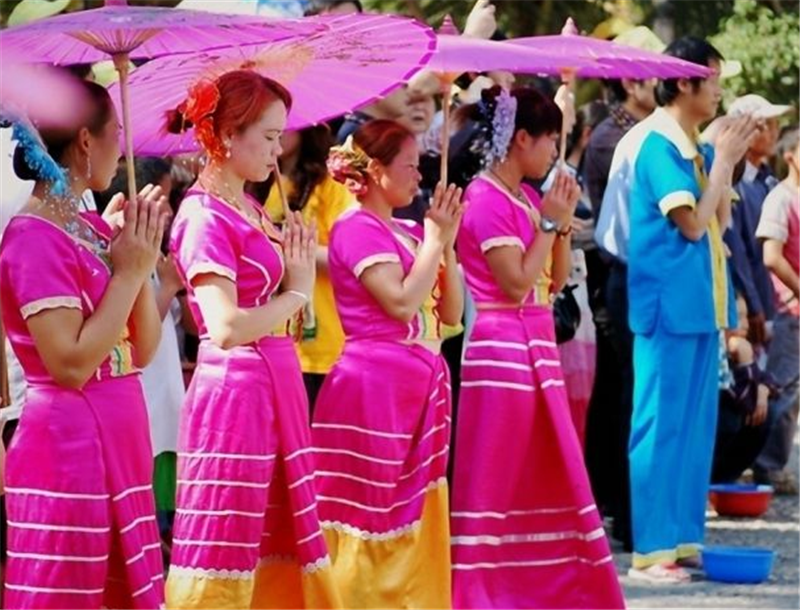
Longchuan is home to Jingpo, Achang, Dai, Han, Lisu and other ethnic communities. It has the largest concentration of Achang people in China and preserves a rich mixture of borderland traditions, religious architecture, village customs, handicrafts and food culture. These cultural resources make the county particularly suitable for ethnic minority tours, border culture experiences, educational travel and intangible cultural heritage programs.
Administrative Structure of Longchuan County
Longchuan County administers four towns and five townships, including one officially designated ethnic township. It has no subdistrict offices. The Longchuan State Farm Administrative Committee (陇川农场管委会) operates as a separate state-farm administrative body and is not included in the township-level administrative sequence.
The four towns are Zhangfeng, Longba, Jinghan and Chengzi. The five townships are Husa Achang Ethnic Township, Qingping Township, Wangzishu Township, Huguo Township and Mengyue Township.
Tourism resources are distributed according to the county’s geography and ethnic settlement patterns. The basin is characterized by border towns, farmland and Dai and Jingpo villages. Husa is the center of Achang culture and traditional craftsmanship. The eastern and northern mountains contain forests, historical villages, streams and highland landscapes, while the southeastern Longjiang area is developing lake-based recreation and resort tourism.
Zhangfeng Town: County Seat and Border Gateway
Zhangfeng is the political, commercial and transportation center of Longchuan County. Situated close to Myanmar, it serves as the county’s principal gateway for border trade and regional travel.
Zhangfeng Port (章凤口岸) is an important border trade crossing. The movement of people and goods has given the town a distinctive borderland atmosphere shaped by Chinese and Southeast Asian cultural influences.
Travel experiences in Zhangfeng include the old urban area, local markets, border commerce streets and Theravada Buddhist monasteries. The town also functions as the main distribution point for journeys to Husa, Longba, Qingping and other rural destinations.
Visitors will find the county’s most convenient selection of accommodation, restaurants, shops and transportation services here. For international travelers, Zhangfeng is a practical base for arranging private vehicles, local guides and multi-day cultural excursions.
Longba Town: Jingpo Villages and Border Countryside
Longba Town (陇把镇) is a border community with a significant Jingpo population. Its rural landscapes combine farmland, traditional villages and views toward the China–Myanmar frontier.
The best-known cultural attraction is Long’an Jingpo Village and Border Earthen-Brick Culture Scenic Area (龙安景颇村寨・龙安边境土砖文化景区), a national AAA-rated tourism site. Traditional residences, Jingpo cultural symbols and village customs provide a close look at everyday life in the border region.
Munao ceremonial pillars, ethnic dress, communal dancing and Jingpo architecture form the core of the local cultural experience. The surrounding countryside is suitable for village walks, rural photography and small-group cultural visits.
Longba also has countryside hot-spring resources that can be combined with village tourism and relaxed rural stays. Tourism facilities remain relatively modest, so private transportation and advance arrangements are recommended.
Jinghan Town: Dai Culture and Agricultural Landscapes
Jinghan Town (景罕镇) is an important transportation and agricultural center in the southern part of the Longchuan basin. Sugarcane fields, Dai villages and Buddhist architecture shape its rural landscape.
The Jinghan Pagoda (景罕佛塔) is a prefecture-level protected cultural relic and one of the town’s representative historical sites. It reflects the influence of Theravada Buddhism among Dai communities in western Yunnan.
Traditional Buddhist monasteries, known locally as zhuangfang, remain central to religious and community life. Travelers should dress respectfully, remove shoes when required and ask permission before photographing monks or religious ceremonies.
Agricultural visits may focus on sugarcane cultivation, local markets and the irrigated countryside of the Longchuan basin. Jinghan is also closely associated with Jingpo cultural activities and serves as one of the county’s important festival venues.
Chengzi Town: Historic County Center and Lakeside Countryside
Chengzi Town (城子镇) served as the historical seat of Longchuan County before the administrative center moved to Zhangfeng. Remnants of its former political and commercial importance remain part of the town’s local identity.
The old town area contains traces of earlier streets, settlement patterns and community history. Although the tourism infrastructure is limited, Chengzi offers a quieter setting for travelers interested in the county’s administrative development and rural heritage.
The countryside near Nanwan Lake (南宛湖) features farmland, villages and waterside landscapes. These surroundings are suited to short rural excursions, photography and leisurely drives between Chengzi and Qingping.
Husa Achang Ethnic Township: Center of Achang Culture
Husa Achang Ethnic Township (户撒阿昌族乡) is the only officially designated ethnic township in Longchuan County. It is China’s largest Achang settlement area and is recognized for its folk arts, traditional metalworking and well-preserved ethnic customs.
Husa lies in a long, narrow basin near the China–Myanmar border. Rivers, rice fields, villages and forested mountains create a distinctive agricultural landscape. The township is the most important destination in Longchuan for Achang cultural tours and intangible cultural heritage experiences.
Husa Knife-Making
The Traditional Forging Techniques of Husa Knives (户撒阿昌刀锻制技艺) are included in China’s national intangible cultural heritage. Achang blacksmiths are known for forging durable knives through processes involving repeated heating, hammering, shaping, polishing and decoration.
Travelers may visit workshops to observe the craft, but workshop access should be arranged in advance. Visitors should follow safety instructions and ask permission before photographing craftspeople or handling tools.
Achang Food and Silverwork
Husa Guoshou Rice Noodles (户撒过手米线) are among the best-known local foods. Rice noodles and seasoned ingredients are traditionally placed in the palm before eating, giving the dish its name and distinctive dining style.
Achang silver ornaments are another important expression of local craftsmanship. Decorative pieces are closely connected with traditional clothing, weddings, festivals and family identity.
Temples and Rural Landscapes
Huangge Temple (皇阁寺) and Tian’an Temple (天安寺) are provincial-level protected cultural heritage sites. Together with village houses, agricultural fields and the Husa River, they form an important cultural landscape.
Husa is especially suitable for educational programs covering Achang history, metalworking, food traditions, clothing, architecture and village life. Festival visits can also be arranged around the Aluwoluo and Huijie celebrations.
Qingping Township: Ancient Villages, Lake Views and Hot Springs
Qingping Township (清平乡) occupies a transitional zone between the eastern hills and the Longchuan basin. Its tourism resources include traditional settlements, lake scenery, grasslands, forested mountains and natural hot springs.
Zhongme Ancient Village (中么古寨) is a traditional Dai settlement included in the Chinese Traditional Villages program. The village retains elements of Dai residential architecture, community layout and rural life.
Qingping is also associated with Chunhua Liangzi Mountain Ridge (春花梁子), Nanwan Lake Hot Spring (南宛湖温泉) and Qingping Grassland (清平大草原). These sites present a quieter side of Longchuan, far from the county’s busier border towns.
The township suits travelers interested in countryside walks, village photography, hot-spring relaxation and slow travel. Road conditions and visitor facilities vary, so a local vehicle is more practical than relying on public transportation.
Wangzishu Township: Highland Forests and Jingpo Heritage
Wangzishu Township (王子树乡) lies in the mountainous northeast of Longchuan County. Jingpo and Lisu communities live among forested ridges, highland farmland and deep valleys.
Bangjiao Village (邦角村) is known for the Bangjiao Shanguan Administrative Residence (邦角山官衙署), a provincial-level protected cultural relic. The site reflects the historical shanguan administrative system once found in Jingpo society.
The township’s forests and highland agricultural areas provide opportunities for hiking, birdwatching and landscape photography. Traditional villages offer insight into Jingpo architecture, farming practices and community customs.
Tourism remains small-scale, and routes may involve winding mountain roads. Visitors should travel with a driver familiar with local conditions and obtain permission before entering villages or photographing residents.
Huguo Township: Mountain Ecology and Historic Passes
Huguo Township (护国乡) is a mountainous area in northern Longchuan and forms part of the upper reaches of the Nanwan River. Dense forests, highland streams and isolated villages define the landscape.
The Shanmulong Pass Site (杉木笼隘遗址) is a prefecture-level protected cultural relic connected with the region’s historical transportation and defense routes.
Jingpo and Lisu villages preserve mountain farming traditions, local festivals and customs shaped by the surrounding forest environment. The township has potential for ecological tours, cultural research and carefully managed trekking activities.
Visitor services are limited. Travelers should carry essential supplies, avoid entering forest areas without local guidance and respect restrictions relating to ecological protection and border management.
Mengyue Township: Longjiang Lake and Waterfront Holidays
Mengyue Township (勐约乡) is located along the Longjiang River in southeastern Longchuan County, close to the Longjiang Reservoir. Its river-valley climate and waterside landscapes distinguish it from the county’s mountainous northern areas.
The township’s main visitor destination is Boxin Bay Scenic Area and Longjiang Lake Resort (泊心湾景区・龙江湖度假区), a national AAA-rated attraction. Tourism facilities include lakeside guesthouses, waterfront recreation and places for relaxed countryside stays.
The surrounding valley is home to Jingpo communities and agricultural villages. Lake scenery, ethnic culture and riverside landscapes can be combined in a short leisure itinerary.
Mengyue is suitable for family holidays, lakeside relaxation and travelers who prefer a slower pace. Water activities may depend on weather, seasonal water levels and local operating conditions.
Longchuan State Farm Area
The Longchuan State Farm Administrative Committee is a state-farm institution rather than a town or township. It is therefore excluded from the county’s formal list of nine township-level divisions.
The state-farm area is characterized by agricultural landscapes and subtropical crops. Its tourism potential lies mainly in plantation visits, agricultural education and countryside experiences rather than conventional sightseeing.
Administrative Divisions and Villages of Longchuan County
| Administrative Level |
Division |
Type |
Administrative Villages |
| Longchuan County |
Zhangfeng Town |
Town and county seat |
Zhangfeng Village (章凤村), Hunong Village (户弄村), Manla Village (曼拉村), Diesa Village (迭撒村), Lameng Village (拉勐村), Nongguan Village (弄贯村), Manmian Village (曼面村), Mangnong Village (芒弄村) |
| Longchuan County |
Longba Town |
Town |
Long’an Village (龙安村), Lüliang Village (吕良村), Bangwa Village (邦外村), Hudao Village (户岛村), Manbeng Village (曼崩村), Huhui Village (户回村) |
| Longchuan County |
Jinghan Town |
Town |
Manruan Village (曼软村), Mandan Village (曼胆村), Handeng Village (罕等村), Guangmu Village (广母村), Manmian Village, Manhuang Village (曼晃村), Jinghan Village (景罕村), Nonghuai Village (弄怀村) |
| Longchuan County |
Chengzi Town |
Town |
Jiewu Village (姐乌村), Moshui Village (磨水村), Zaduo Village (扎多村), Bada Village (巴达村), Manlei Village (曼雷村), Xinzhai Village (新寨村) |
| Longchuan County |
Husa Achang Ethnic Township |
Ethnic township |
Xiangjie Village (项姐村), Manpeng Village (曼捧村), Langguang Village (朗光村), Panle Village (潘乐村), Longguang Village (隆光村), Huzao Village (户早村), Mingshe Village (明社村), Mangbing Village (芒炳村), Baoping Village (保平村), Lasa Village (腊撒村) |
| Longchuan County |
Qingping Township |
Township |
Qingping Village (清平村), Zhongme Village (中么村), Guangwai Village (广外村), Xinshan Village (新山村), Nonglong Village (弄龙村) |
| Longchuan County |
Wangzishu Township |
Township |
Wangzishu Village (王子树村), Bangjiao Village, Luolang Village (罗朗村), Nabang Village (那邦村), Gangba Village (岗巴村) |
| Longchuan County |
Huguo Township |
Township |
Bangdong Village (邦东村), Yumai Village (玉麦村), Yuejiazhai Village (岳家寨村), Lijiazhai Village (李家寨村) |
| Longchuan County |
Mengyue Township |
Township |
Yingpan Village (营盘村), Guangwa Village (广瓦村), Wamu Village (瓦幕村), Bangzhong Village (帮中村) |
Key Tourism Villages
Several administrative villages are particularly useful when planning cultural and educational tours in Longchuan.
Long’an is known for Jingpo village culture, earthen-brick buildings and border countryside. Zhongme represents a well-preserved Dai settlement and is listed among China’s traditional villages. Bangjiao combines Jingpo heritage with the historic shanguan administrative residence.
Langguang provides access to Huangge Temple and the cultural landscapes of Husa, while Yingpan serves as an important gateway to Boxin Bay and the Longjiang Lake recreation area.
These villages are spread across different parts of the county, and public transportation between them is limited. A private vehicle with a local driver is the most efficient option for international visitors, photography groups and student tours.
Tourism Areas of Longchuan County
| Tourism Area |
Main Destinations |
Cultural and Natural Features |
Recommended Experiences |
| County Seat and Border Area |
Zhangfeng |
Border trade, markets, Buddhist culture and urban services |
Border culture, local markets and travel connections |
| Western Border Villages |
Longba |
Jingpo villages, earthen-brick houses, farmland and hot springs |
Village visits, Jingpo culture and rural photography |
| Southern Basin |
Jinghan |
Dai villages, Buddhist architecture and sugarcane farmland |
Agricultural tours, temple visits and festival experiences |
| Historic Central Area |
Chengzi |
Former county seat, rural heritage and lakeside countryside |
Local history and relaxed countryside excursions |
| Husa Basin |
Husa Achang Ethnic Township |
Achang culture, knife-making, temples, food and silverwork |
Intangible heritage, cultural study and handicraft experiences |
| Eastern Hills |
Qingping |
Traditional Dai village, lake, hot springs and grasslands |
Village photography, countryside walks and leisure travel |
| Northeastern Mountains |
Wangzishu |
Highland forests, Jingpo villages and historical buildings |
Trekking, birdwatching and Jingpo heritage |
| Northern Mountains |
Huguo |
Forests, streams, historic passes and Lisu and Jingpo communities |
Ecological tours and mountain cultural research |
| Southeastern Longjiang Area |
Mengyue |
Reservoir scenery, waterfront accommodation and Jingpo culture |
Lakeside holidays, water recreation and rural stays |