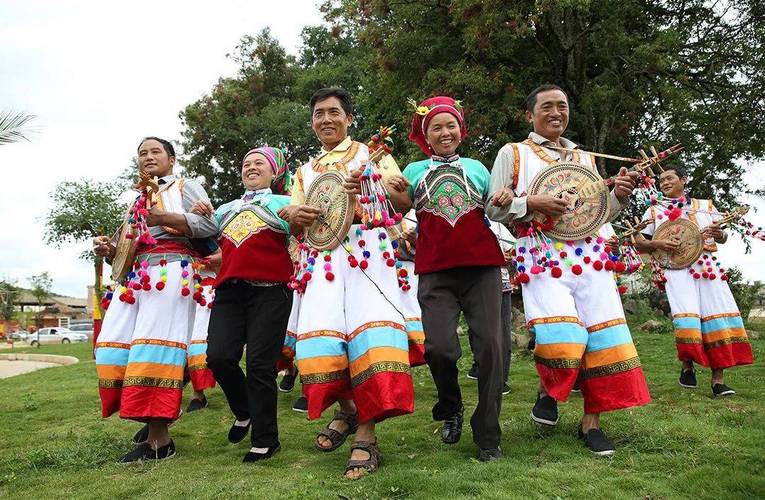
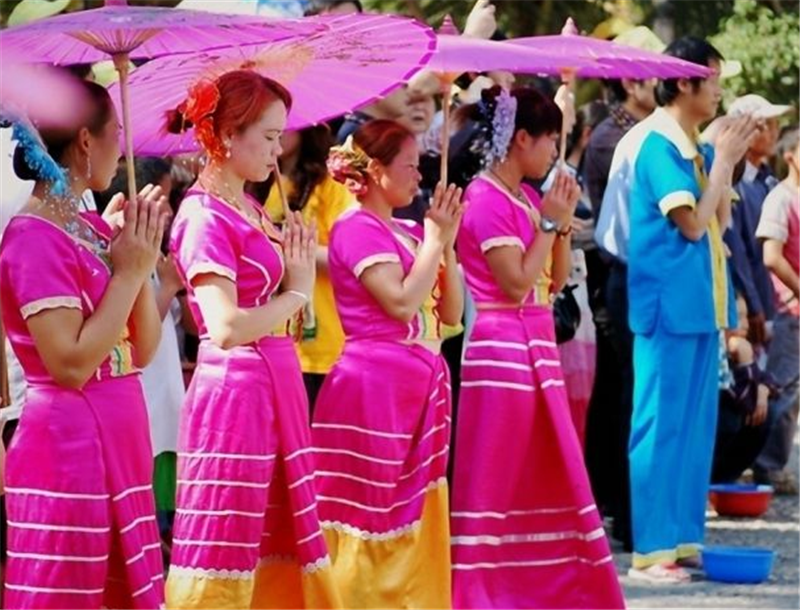
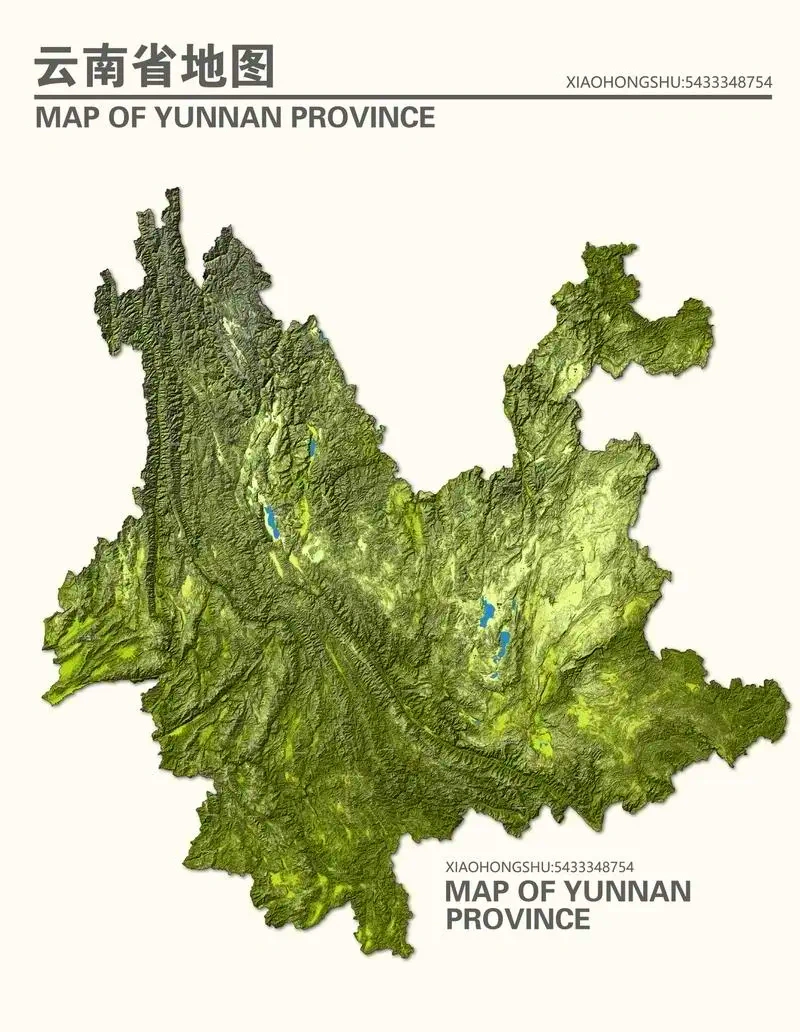
Longchuan County (陇川县) is located in Dehong Dai and Jingpo Autonomous Prefecture (德宏傣族景颇族自治州) along the China–Myanmar border. Known as the Home of Munao Zongge, the county is inhabited by Jingpo, Achang, Dai, Lisu, De’ang and other ethnic communities. Its border setting, multicultural villages and living traditions give educational travel here a character that is difficult to find elsewhere in Yunnan.
Longchuan has a complete local education system covering kindergartens, primary schools, junior middle schools, senior high schools and vocational education. Several campuses incorporate ethnic dance, traditional sports, local history and intangible cultural heritage into school activities. These resources support school exchanges, youth cultural programs and field-based learning, subject to prior approval from the relevant authorities.
Most major schools and educational facilities are concentrated in Zhangfeng Town (章凤镇), the county seat. Township schools in Husa, Jinghan, Chengzi, Longba, Wangzishu, Huguo and Mengyue serve rural and ethnic communities, often through boarding-school systems. International groups should arrange bilingual interpretation because full-time English-language services are uncommon outside the county seat.
Education in Different Areas of Longchuan County
Zhangfeng Town
Zhangfeng is Longchuan’s main education centre, with county-level secondary schools, primary schools, vocational facilities and kindergartens. Campuses generally have better classrooms, sports grounds, activity rooms and reception facilities than schools in remote townships.
Educational themes in Zhangfeng include border-community development, ethnic unity, Jingpo culture and vocational training. When approved in advance, visits may include classroom observation, student interaction, friendly sports activities and demonstrations of campus-based ethnic cultural programs.
Husa Achang Ethnic Township
Husa Achang Ethnic Township (户撒阿昌族乡) is one of the most important centres of Achang culture in China. Local schools maintain close connections with surrounding villages, family workshops and traditional craft communities.
Educational visits can combine school exchanges with the study of Husa Knife Forging Skills (户撒刀锻制技艺), Achang customs and traditional food. Small groups can visit local workshops to observe metal shaping, heat treatment, polishing and decorative techniques under the guidance of experienced craftspeople.
Jinghan Town, Chengzi Town and Longba Town
Jinghan Town (景罕镇), Chengzi Town (城子镇) and Longba Town (陇把镇) have township schools serving communities with large Dai and Jingpo populations. Boarding education plays an important role because many students come from villages dispersed across rural and mountainous areas.
School-based activities may include ethnic dance, traditional sports, local-language culture and agricultural knowledge. These townships are suitable for field visits exploring the relationship between education, village life and ethnic cultural inheritance.
Wangzishu, Huguo and Mengyue
Wangzishu Township (王子树乡), Huguo Township (护国乡) and Mengyue Township (勐约乡) are mountainous areas where schools serve smaller settlements and remote communities. Campuses are generally modest, and reception capacity may be limited.
These areas are better suited to university researchers, small international student groups and specialised field-study programs than to large school delegations. Possible topics include rural education, mountain livelihoods, biodiversity, community development and the transmission of ethnic traditions.
Major Schools in Longchuan County
Key Schools in Zhangfeng Town
Longchuan County No. 1 Middle School (陇川县第一中学) is a major senior secondary school in the county. Its campus facilities, sports programs and academic structure make it a possible venue for approved high-school exchanges and youth activities.
Longchuan County Ethnic Middle School (陇川县民族中学) places particular emphasis on ethnic culture and unity education. Its multicultural student community provides a meaningful setting for exchanges focused on language, identity and school life in a border county.
Zhangfeng Complete Middle School of Longchuan County (陇川县章凤完全中学) is a public secondary school with relatively comprehensive facilities. Approved visits may include campus tours, cultural interaction and student activities.
Longchuan County Vocational Senior High School and Longchuan Branch of Dehong Vocational College (陇川县职业高级中学/德宏职业学院陇川分院) is the county’s principal public vocational school. Its programs are connected with tourism services, agriculture, forestry, sericulture and locally relevant practical skills. It is suitable for vocational education exchanges and industry-related study programs.
Longchuan County Ethnic Primary School (陇川县民族小学) incorporates ethnic dance, traditional games and cultural activities into school life. Munao Zongge movements, Dai dances, spinning tops and other traditional sports may appear in campus performances and physical-education activities.
Longchuan County No. 1 Primary School (陇川县第一小学) and Longchuan County No. 2 Primary School (陇川县第二小学) are important public primary schools serving the county seat. Both provide opportunities to understand elementary education and multicultural campus life in Longchuan.
Township Middle Schools
Longchuan County No. 2 Middle School (陇川县第二中学) serves students in Chengzi Town, while Longchuan County No. 3 Middle School (陇川县第三中学) is located in Longba Town.
Other township secondary schools include Guangdeng Middle School of Jinghan Town (陇川县景罕广等中学), Jinghan Middle School of Longchuan County (陇川县景罕中学), Mengyue Middle School of Longchuan County (陇川县勐约中学), Husa Middle School of Longchuan County (陇川县户撒中学), Qingping Middle School of Longchuan County (陇川县清平中学) and Wangzishu Middle School of Longchuan County (陇川县王子树中学).
Honghe Experimental School of Zhangfeng Town (陇川县章凤镇红河实验学校) is another school within the Zhangfeng education area. Its current program, visit availability and reception arrangements should be confirmed before including it in an international study tour.
Township Primary and Central Schools
Major township schools include Chengzi Town Central Primary School (陇川县城子镇中心小学), Longba Town Central Primary School (陇川县陇把镇中心小学) and Jinghan Town Central Primary School (陇川县景罕镇中心小学).
Mountain and rural education can be explored through approved visits to Mengyue Township Central School (陇川县勐约乡中心学校), Husa Township Central Primary School (陇川县户撒乡中心小学), Qingping Township Central Primary School (陇川县清平乡中心小学) and Wangzishu Township Central School (陇川县王子树乡中心学校).
Zhangfeng Town Central School (陇川县章凤镇中心学校) serves the county-seat area and nearby communities. Its location makes it more convenient for organised student groups staying in Zhangfeng.
Kindergartens and Early Childhood Education
Early childhood institutions include Longchuan Farm Central Kindergarten (陇川农场中心幼儿园), Zhangfeng Town Kindergarten (陇川县章凤镇幼儿园), Zhangfeng Border Trade Kindergarten (陇川县章凤边贸幼儿园) and Longba Town Sweetheart Kindergarten (陇川县陇把镇甜心幼儿园).
Kindergarten visits require particularly careful coordination, safeguarding arrangements and institutional approval. They are generally more appropriate for professional delegations studying early childhood education than for ordinary tourist groups.
Longchuan County School List
| Education Area |
School |
School Type |
Location |
Potential Study Focus |
| Zhangfeng |
Longchuan County No. 1 Middle School |
Senior secondary school |
Zhangfeng Town |
Secondary education, sports and student exchange |
| Zhangfeng |
Longchuan County Ethnic Middle School |
Ethnic secondary school |
Zhangfeng Town |
Multicultural education and ethnic unity |
| Zhangfeng |
Zhangfeng Complete Middle School |
Complete secondary school |
Zhangfeng Town |
Campus life and youth exchange |
| Zhangfeng |
Longchuan County Vocational Senior High School |
Vocational school |
Zhangfeng Town |
Tourism, agriculture, sericulture and vocational training |
| Zhangfeng |
Longchuan County Ethnic Primary School |
Ethnic primary school |
County education area |
Traditional sports, dance and ethnic culture |
| Zhangfeng |
Longchuan County No. 1 Primary School |
Public primary school |
Zhangfeng Town |
Primary education and campus interaction |
| Zhangfeng |
Longchuan County No. 2 Primary School |
Public primary school |
Zhangfeng Town |
Primary education and cultural activities |
| Chengzi |
Longchuan County No. 2 Middle School |
Secondary school |
Chengzi Town |
Rural secondary education |
| Longba |
Longchuan County No. 3 Middle School |
Secondary school |
Longba Town |
Border-town and rural education |
| Jinghan |
Guangdeng Middle School |
Secondary school |
Handeng Village, Jinghan Town |
Village education and ethnic culture |
| Jinghan |
Jinghan Middle School |
Secondary school |
Jinghan Town |
Dai and Jingpo community education |
| Mengyue |
Mengyue Middle School |
Secondary school |
Mengyue Township |
Mountain education and rural life |
| Husa |
Husa Middle School |
Secondary school |
Husa Achang Ethnic Township |
Achang culture and community education |
| Qingping |
Qingping Middle School |
Secondary school |
Qingping Township |
Rural and mountain education |
| Wangzishu |
Wangzishu Middle School |
Secondary school |
Wangzishu Township |
Border-village and boarding education |
| Zhangfeng |
Honghe Experimental School |
Experimental school |
Zhangfeng Town |
School development and campus exchange |
| Chengzi |
Chengzi Town Central Primary School |
Primary school |
Chengzi Town |
Township primary education |
| Longba |
Longba Town Central Primary School |
Primary school |
Longba Town |
Village and agricultural education |
| Jinghan |
Jinghan Town Central Primary School |
Primary school |
Jinghan Town |
Ethnic culture and local school life |
| Mengyue |
Mengyue Township Central School |
Central school |
Mengyue Township |
Mountain-community education |
| Husa |
Husa Township Central Primary School |
Primary school |
Husa Achang Ethnic Township |
Achang cultural education |
| Qingping |
Qingping Township Central Primary School |
Primary school |
Qingping Township |
Rural primary education |
| Wangzishu |
Wangzishu Township Central School |
Central school |
Wangzishu Township |
Remote-area education |
| Zhangfeng |
Zhangfeng Town Central School |
Central school |
Hunong Village |
County-seat and village education |
| Longba |
Longchuan Farm Central Kindergarten |
Kindergarten |
Longba Town |
Early childhood education |
| Zhangfeng |
Zhangfeng Town Kindergarten |
Kindergarten |
Zhangfeng Town |
Preschool education |
| Zhangfeng |
Zhangfeng Border Trade Kindergarten |
Kindergarten |
Zhangfeng Town |
Early childhood education in a border-trade community |
| Longba |
Longba Town Sweetheart Kindergarten |
Kindergarten |
Longba Town |
Township preschool education |
School visits are not regular sightseeing activities. Availability depends on official permission, the academic calendar, examinations, campus security policies and the school’s capacity to receive visitors.
International Study-Tour Resources in Longchuan
Longchuan’s educational travel resources can be grouped into four main themes: ethnic intangible heritage, China–Myanmar border education, traditional craftsmanship and rural industries, and rainforest ecology. These themes can be adapted for international school groups, overseas Chinese youth, university students, researchers and professional education delegations.
Jingpo Munao Zongge Culture
Jingpo Munao Zongge (景颇族目瑙纵歌) is a large collective dance and one of Longchuan’s defining cultural traditions. The dance follows routes and patterns marked by ceremonial structures known as Munao Shidong.
At Munao Zongge Square (目瑙纵歌广场), students can learn about Jingpo history, dance formations, costume, music and community identity. Outside the main festival period, smaller demonstrations or introductory workshops may be arranged with local cultural practitioners.
Achang Craftsmanship and Food Culture
Husa is the principal destination for studying Achang craftsmanship. Workshop visits introduce the tools, materials and skills involved in traditional knife making. For safety reasons, hands-on activities should be carefully designed according to the age of the students.
The cultural experience can be paired with Achang Hand-Tossed Rice Noodles (阿昌族过手米线). Students can learn how rice noodles, minced meat, spices and other ingredients are combined and eaten by hand, offering an accessible introduction to the relationship between food and ethnic identity.
Multicultural Villages
Guangshan Jingpo Village (广山景颇村寨) and Achang settlements around Husa provide opportunities to study traditional houses, family structures, festivals, clothing and changing rural livelihoods.
Village visits should be arranged through local contacts rather than treated as unannounced sightseeing. Small-group conversations, craft demonstrations and shared meals usually provide a more respectful and meaningful experience.
China–Myanmar Border Education
Zhangfeng Port
Zhangfeng Port (章凤口岸) is a land crossing associated with cross-border trade and communication between China and Myanmar. When access is permitted, the surrounding area can support lessons on border geography, international trade and the long-standing relationship between communities on both sides.
The port remains an operational border facility rather than a conventional tourist attraction. Passports, photography restrictions, access controls and current border-management rules must be checked before a visit.
Laying Historical Area
The Laying Foreign Street Site (拉影洋人街遗址) is associated with the history of the western Yunnan frontier and wartime events. It can be incorporated into historical field studies examining border defence, regional conflict and the changing role of frontier settlements.
Interpretation should be arranged in advance because the educational value of the site depends heavily on historical explanation rather than on visible structures alone.
Lüliang Border Village
Lüliang Village (吕良村) offers study topics connected with border-community development, frontier protection and rural industries. Programs may introduce students to boundary awareness, village governance, sericulture and the development of modern border communities.
Activities near border markers or controlled areas must follow local regulations. Students should remain with the group and follow the instructions of guides and local officials.
Industry and Vocational Study Resources
Sericulture and Silk Production
The Longba Sericulture and Silk Industry Base (陇把镇蚕桑丝绸产业基地) introduces the stages of silk production, from mulberry cultivation and silkworm raising to cocoon processing. It is particularly suitable for biology, agriculture, rural economics and vocational education programs.
Seasonal conditions influence what students can observe. Groups interested in silkworm development or cocoon harvesting should confirm production schedules before fixing their travel dates.
Rainforest Sports and Outdoor Education
Husa Yunnan–Myanmar International Rainforest Sports Park (户撒滇缅国际雨林运动公园) combines forest landscapes with hiking, sports and outdoor activities. It can support lessons in physical education, teamwork and environmental awareness.
Adventure programs require professional supervision, appropriate insurance and weather-based risk assessment. Activity difficulty should match the age and physical condition of the participants.
Ecological Field Studies
Longchuan Forest Park (陇川森林公园) and the county’s subtropical villages provide accessible locations for studying forest vegetation, insects, birds and human relationships with the natural environment.
Mountain and rainforest environments can be hot, humid and slippery. Field programs should include suitable footwear, sun and rain protection, insect repellent, drinking water and clear safety boundaries.
Intangible Cultural Heritage and Ethnic Traditions
National-Level Intangible Cultural Heritage
Jingpo Munao Zongge is both a festival tradition and a living expression of collective memory. Educational activities may cover music, dance routes, costume, ceremonial symbols and the cultural meaning of large community gatherings.
Husa Knife Forging Skills preserve the Achang people’s long-established knowledge of ironworking. Workshop observation can introduce students to material selection, forging, quenching, sharpening and ornamentation, as well as the role of knives in production, exchange and cultural identity.
Provincial and Local Cultural Traditions
Other traditions associated with Longchuan include Jingpo Knife Dance (景颇族刀舞), Husa Silver Forging Skills (户撒银饰锻造技艺), De’ang Longyang Festival (德昂族龙阳节) and Achang Alu Dance (阿昌族跳阿露).
The Husa Achang Traditional Cultural Ecological Protection Area of Xinzhai and Hejie Villages (户撒阿昌族传统文化生态保护区〔新寨—贺姐村〕) preserves a wider cultural environment rather than a single performance or craft. Its villages, workshops, foodways and community customs can be studied together as parts of a living cultural landscape.
Traditional Dance and Music
Important local dance traditions include Jingpo Dingge Dance (景颇丁戈舞), Dai Gaguang Dance (傣族嘎伴光), Dai Elephant-Foot Drum Dance (傣族象脚鼓舞), Achang Shuigu Dance (阿昌族甩鼓舞) and De’ang Longyang Dance (德昂族龙阳舞).
Workshops can introduce rhythm, basic steps, costumes and the social settings in which the dances are performed. Programs should involve recognised community practitioners whenever possible.
Traditional Sports
Local school and community activities may include bamboo-pellet shooting, spinning tops, stick-resistance games and other ethnic sports. These provide lively formats for cross-cultural student interaction.
Safety rules and age-appropriate equipment are essential, particularly for activities involving projectiles or physical competition.
Ethnic Food
Longchuan’s multicultural food traditions include Hand-Tossed Rice Noodles, Jingpo Ghost Chicken (景颇鬼鸡) and Dai Pounded Dishes (傣族舂菜). Cooking activities can connect food with climate, agriculture, local plants and community customs.
Dietary restrictions, allergies, halal requirements and tolerance for spicy food should be collected before the tour. Kitchens and preparation areas should also be checked for their suitability for student groups.
Oral Literature
Jingpo and Achang creation epics preserve knowledge through oral storytelling. Listening sessions with local cultural practitioners can introduce students to mythology, migration memories, ancestors and traditional understandings of the natural world.
Translation is important for international groups because many layers of meaning may be lost without explanation in both the local language and English.
Recommended Study-Tour Experiences
A Longchuan educational program can include:
- Learning the basic steps and cultural meaning of Munao Zongge.
- Observing Achang knife forging in a recognised Husa workshop.
- Preparing and tasting Hand-Tossed Rice Noodles.
- Joining age-appropriate traditional sports and student interaction.
- Visiting Jingpo, Achang or Dai villages with community permission.
- Exploring sericulture and the silk-production process.
- Studying border geography, trade and community development.
- Conducting guided rainforest or subtropical ecology observations.
- Visiting an approved school for classroom or cultural exchange.
- Recording field notes, interviews and reflective learning journals.
Main Study-Tour Areas
| Study Area |
Main Resources |
Suitable Topics |
Recommended Group Type |
| Zhangfeng Town |
Schools, Munao Zongge Square, forest park and port area |
Campus exchange, Jingpo culture and border education |
International schools and youth groups |
| Husa Achang Ethnic Township |
Craft workshops, villages and local schools |
Achang culture, metalworking and traditional food |
Small and medium-sized student groups |
| Jinghan and Chengzi |
Dai and Jingpo communities, township schools and rural landscapes |
Ethnic education, agriculture and village life |
School and university groups |
| Longba and Lüliang |
Border villages, sericulture and rural industries |
Silk production, community development and frontier geography |
Vocational and university groups |
| Wangzishu and Mengyue |
Mountain schools, villages and natural environments |
Rural education, anthropology and field research |
Small specialist groups |
| Huguo mountain area |
Forests and highland communities |
Ecology, biodiversity and rural livelihoods |
University and nature-study groups |
| Rainforest sports park |
Forest trails and outdoor activities |
Teamwork, physical education and environmental awareness |
Youth and outdoor education groups |
Planning an International Student Study Tour
School Visit Approval
International school visits must be arranged well in advance. The organiser should contact the relevant school and coordinate with the Longchuan County Education and Sports Bureau (陇川县教育体育局) when official registration or approval is required.
A request normally needs to explain the group’s nationality, age range, number of participants, educational purpose, preferred dates and planned activities. Approval should be confirmed before the school visit is advertised as part of a guaranteed itinerary.
Village and Workshop Appointments
Village visits, cultural demonstrations and craft workshops require appointments with local communities and practitioners. Programs should allow sufficient time for explanation and interaction rather than treating the experience as a brief photo stop.
Traditional knowledge belongs to the community. Photography, video recording, interviews and the use of cultural material should be discussed with participants before the activity begins.
Language Support
Most rural schools, villages and workshops do not have full-time English-speaking staff. A bilingual guide is strongly recommended for international groups, while academic or professional delegations may also need subject-specific interpretation.
Group Size and Accommodation
Large groups are best accommodated in Zhangfeng Town, where hotels, restaurants and transport services are more developed. Small specialist groups can stay in Husa, Mengyue or other rural areas if accommodation, meals and foreign-guest registration are confirmed in advance.
Festival Season
The main Munao Zongge celebrations traditionally take place during the first lunar month. Festival dates may vary from year to year, while schedules, access and visitor arrangements can change.
Smaller cultural demonstrations and introductory dance activities may be organised at other times, but they should not be presented as equivalent to the full community festival.
Border Regulations
Longchuan’s border location makes strict compliance with local regulations essential. Visitors must not enter controlled zones, approach border infrastructure without permission or use drones near sensitive areas.
Passports should be carried when required, and all participants must follow local instructions concerning photography, movement and access.
Longchuan County Students Education Study Tour Tips
Longchuan County is especially suitable for study tours centred on Jingpo and Achang culture, living intangible heritage, rural education, sericulture, rainforest ecology and China–Myanmar border communities. School visits must be approved in advance, while village programs and workshop demonstrations require prior appointments with local hosts and cultural practitioners. International groups should travel with bilingual guides because English-language services are limited outside Zhangfeng Town. Larger groups are advised to use the county seat as their accommodation base and make day trips to Husa, Longba, Jinghan and surrounding villages. All visits to ports, border villages and frontier sites must follow current border-management rules, and outdoor activities should be adjusted for weather, road conditions and the age of participating students.