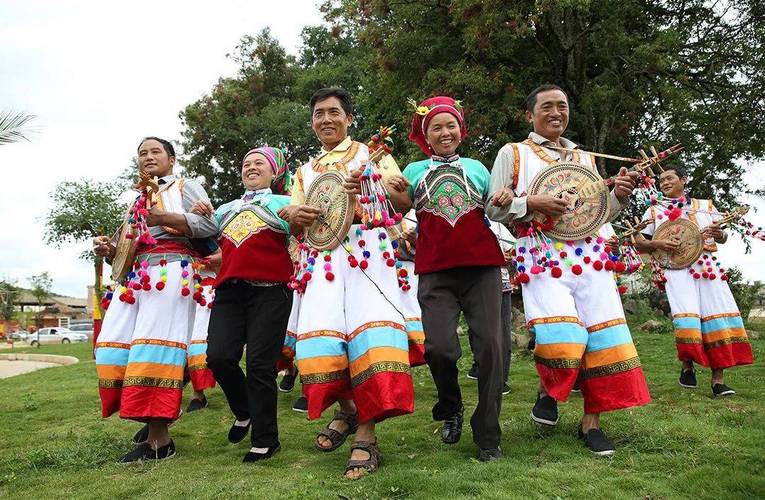
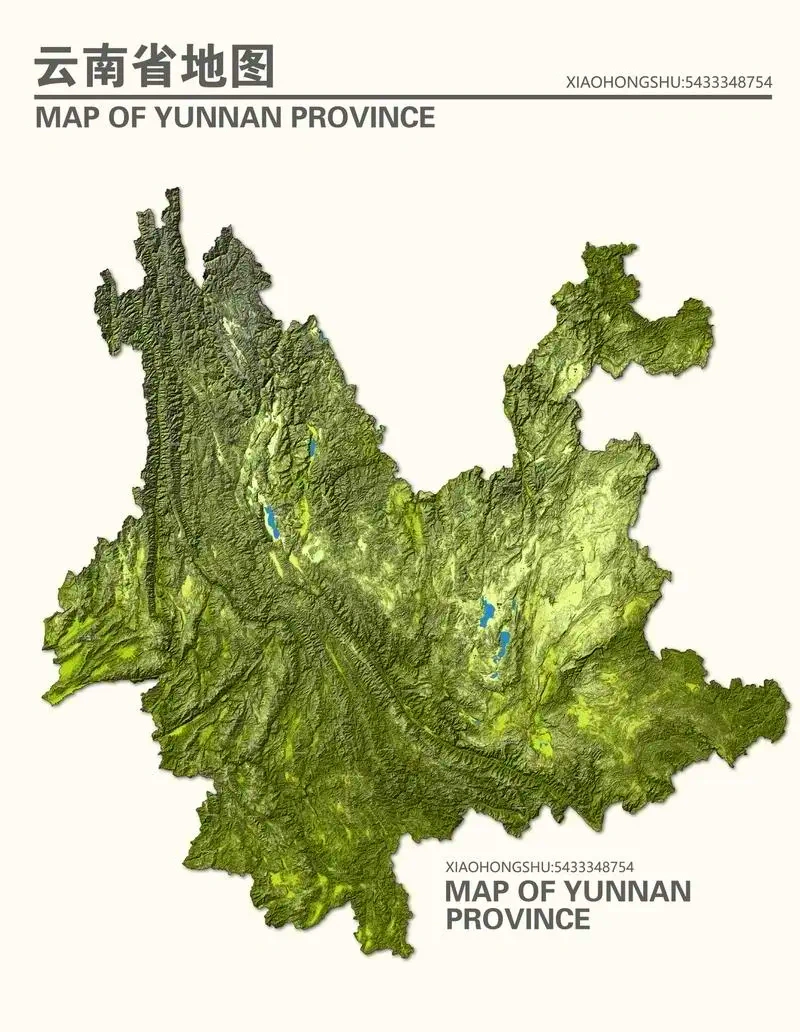
Longchuan County (陇川县) lies along the China–Myanmar border in Dehong Dai and Jingpo Autonomous Prefecture (德宏傣族景颇族自治州). Known as one of the birthplaces of the Munao Zongge tradition, the county is home to Jingpo, Achang, Dai, De’ang and other ethnic communities. Its shopping culture brings together traditional handicrafts, border trade, mountain produce and village-market traditions.
Shopping areas are spread across four main settings: the commercial streets of Zhangfeng Town (章凤镇), Achang craft villages in Husa Achang Ethnic Township (户撒阿昌族乡), souvenir shops near cultural attractions and periodic markets in rural towns. Visitors looking for authentic handmade products will find better choices in the villages and workshops where they are produced, while shops in the county seat are more convenient for packaged food, tea and standardized gifts.
The best-known souvenirs include Husa knives, Achang silver ornaments and Jingpo brocade. Longchuan is also a good place to buy locally grown rice, honey, tea, dried mushrooms, spices and snacks. Because some knives may be classified as controlled items, travellers must never carry them casually or place them in personal luggage without checking the applicable rules. Purchases should be registered where required and shipped through a lawful service arranged by an authorized seller.
Main Shopping Areas and Commercial Streets
Zhangfeng Old Street and Traditional Market
Zhangfeng Old Street (章凤老街), locally known as Laojiezi, is one of the most atmospheric places to experience everyday commerce in the county seat. The surrounding lanes contain produce stalls, speciality shops, ethnic clothing stores and vendors selling small goods imported through border trade.
Traditional market days are generally held on dates ending in five or zero, although schedules can change during holidays and local events. On busy market days, shoppers may find Jingpo textiles, Achang-style silverwork, dried mountain products, spices, household goods and seasonal fruit in the same lively market area.
This is a local market rather than a polished tourist shopping district. Bargaining may be acceptable at independent stalls, but it should remain friendly and reasonable. Cashless payment is widely used, while overseas bank cards may not be accepted by smaller vendors.
Tuanjie Road and Sanxiang North Road
Tuanjie Road (团结路) and Sanxiang North Road (三象北路) form part of Zhangfeng’s modern commercial area. Supermarkets, speciality-food stores, clothing shops and ethnic-inspired gift stores are concentrated along these streets.
This area is convenient for travellers who want to purchase several types of souvenirs in one visit. Packaging and product labels are generally clearer than those found at temporary market stalls, making the district suitable for tea, honey, rice products, snacks and compact cultural gifts.
Longchuan Supply and Marketing Agricultural Products Exhibition Center
The Longchuan Supply and Marketing Agricultural Products Exhibition Center (陇川供销农特产品展销中心) brings together products from communities across the county. Typical items include tea, honey, rice, dried foods and ethnic cultural merchandise.
For visitors with limited time, the center offers an efficient way to compare locally produced goods before leaving Longchuan. Packaged products are also easier to carry or arrange for domestic delivery.
Zhangfeng Port and Laying Border Gate
The commercial area around Zhangfeng Port–Laying Border Gate (章凤口岸—拉影国门) reflects Longchuan’s border-trade character. Shops may stock Myanmar coffee, spices, fruit products, latex goods, cosmetics and small decorative items.
Product origin and quality can vary considerably. Travellers should check labels, receipts and customs restrictions before buying imported food or agricultural products. Extra caution is advisable when considering jade, gemstones, jewellery or other expensive items whose authenticity may be difficult to verify.
Mangdong Street and Mangdan New Village
Mangdong Street (芒东街) and Mangdan New Village (芒旦新寨) are important destinations for Achang metalworking and silver craftsmanship. Family workshops and artisan studios produce traditional Husa blades, decorative miniature knives, sheaths and silver accessories.
A workshop visit can be more rewarding than simply buying a finished product. Visitors may be able to watch forging, polishing, engraving or silver-shaping techniques and learn how these skills are passed between generations. Advance arrangements are recommended for demonstrations or hands-on activities.
Husa Township Market
The Husa Township Market (户撒乡集市) serves surrounding villages and offers a mixture of agricultural produce and household goods. Local rice, tobacco products, woven textiles, seasonal vegetables and mountain foods are commonly traded here.
The market is especially interesting for travellers who prefer everyday village life to conventional souvenir stores. Product availability depends on the season and market calendar.
Chengzi Saturday Mountain-Produce Market
The Chengzi Saturday Mountain-Produce Market (城子镇周六山货街) gathers traders and farmers from nearby communities. Stalls may carry medicinal plants, bamboo products, dried foods, farm produce and handmade household items.
As the market normally operates on Saturdays, travellers should confirm the schedule locally before making a special journey. Early visits usually provide the widest selection.
What to Buy in Longchuan County
Husa Knives
Husa Knives (户撒刀) are the most celebrated handicrafts of Longchuan’s Achang community. The blades are known for their balanced form, detailed workmanship and durability. The traditional forging craft is included in China’s national intangible cultural heritage system.
Products range from functional blades and decorated sheaths to miniature commemorative pieces. However, even decorative or small knives may be subject to transport, shipping, aviation, railway, customs or destination-country restrictions.
International visitors should ask the workshop whether the item can legally be purchased and exported. When required, registration and shipment should be handled by the seller or an authorized service. Never carry a knife directly onto public transport or attempt to send it through an ordinary courier without confirmation.
Achang Silver Ornaments
Achang Silver Ornaments (阿昌族银佩饰) include hairpins, earrings, bracelets, waist chains and embossed silver decorations. Many designs were originally created to accompany ceremonial or festive clothing.
Handmade pieces may show small variations in shape and finish. Buyers should ask about the silver content, production method and whether a piece is handmade or machine-produced. Requesting a receipt is advisable for higher-value purchases.
Jingpo Brocade
Jingpo Brocade (景颇织锦) is woven on traditional looms using bold colours and geometric patterns. The motifs may reflect community identity, natural imagery and stories preserved through Jingpo cultural traditions.
Modern products include shoulder bags, scarves, table runners, wall hangings, purses and small ornaments. Handwoven pieces require more time and skill than factory-made imitations, so examining the weave and asking about the maker can help distinguish authentic craftwork.
Tongpa Ethnic Shoulder Bags
Tongpa (筒帕) is a traditional woven shoulder bag associated with several ethnic communities in southwestern China, including the Dai, Yi, Hani, Jingpo, Wa and Lisu peoples. Dai-style examples are particularly admired for their embroidery and colourful woven patterns.
Compact, practical and easy to pack, these bags are among the most convenient ethnic souvenirs. Designs sold in Longchuan may incorporate local Jingpo or Dai motifs.
Local Rice and Grain Products
Longchuan’s warm valleys and fertile farmland support several distinctive rice products. Popular choices include Husa Aluowoluo rice, Longchuan soft rice and red rice.
Packaged rice is readily available in Zhangfeng and at agricultural-product outlets. International travellers should check their destination’s biosecurity and customs rules before carrying grains across a national border.
Tea and Mountain Products
Local shops sell De’ang Sour Tea (德昂酸茶), ancient-tree black tea, white tea, Pu’er tea and Husa Xiangzhi tea. Sour tea is particularly notable because it reflects the food heritage of the De’ang people and may be prepared for drinking or eating.
Other mountain products include Jingpo honey, dried mushrooms, Polygonatum tea, walnut oil and dendrobium products. Clearly labelled, sealed packages are the safest choice for travel.
Hand-Serving Rice Noodles
Hand-Serving Rice Noodles (过手米线) are a celebrated Achang speciality from the Husa area. Rice noodles are traditionally placed in the palm and topped with a seasoned mixture that may contain minced pork, chilli, herbs and other ingredients before being eaten.
The freshly prepared dish is best enjoyed locally. Some speciality shops may offer sealed or travel-friendly ingredients inspired by the dish, but these should not be expected to reproduce the complete fresh version.
Jingpo Dried Meat and Chilli Products
Jingpo-style dried meat, roasted chilli sauce, pickled bamboo shoots and preserved fruit are common food souvenirs. Their strong flavours reflect the use of mountain herbs, smoke, fermentation and chilli in local cooking.
Travellers should choose commercially sealed products with clear ingredient and production labels. Meat products may be restricted by the customs authorities of the destination country.
Fish Raised in Rice Fields
Rice-Field Fish (稻田鱼) are raised in flooded paddies, where fish and rice form a traditional agricultural system. The fish are primarily a local food experience rather than a practical souvenir.
Visitors can try rice-field fish in rural restaurants or village meals when seasonally available. Transporting fresh or preserved fish across borders may be restricted.
Water-Splashing Baba
Water-Splashing Baba (泼水粑粑) is a glutinous-rice food traditionally associated with the Water-Splashing Festival. The rice mixture is sweetened, wrapped in banana leaves and steamed, giving it a soft texture and gentle fragrance.
Freshly made versions may appear around festival periods, village markets and Dai community events. It is best eaten locally while still fresh.
Border-Trade Products
Myanmar coffee, spices and processed tropical-fruit products are widely associated with Longchuan’s border-shopping scene. Small packets are convenient gifts, provided the labels, seals and expiry dates are clear.
Imported products should not automatically be treated as local Longchuan specialities. Buyers who want to support local producers should ask where an item was made and whether it came from a local cooperative or workshop.
Ethnic Handicrafts and Village Shopping
Achang Craft Traditions
Husa is the principal destination for Achang forging and silverwork. Visitors can shop for handcrafted knives, silver ornaments, woven products and traditional-style accessories directly from artisans.
Buying from a workshop provides a clearer connection to the maker and the production process. Travellers should ask before photographing artisans, tools, family interiors or workspaces.
Jingpo Craft Traditions
Jingpo artisans are known for loom weaving, silver decoration, bamboo work and objects inspired by Munao ceremonial culture. Bags, textiles and small totem ornaments are among the most accessible souvenirs.
Guangshan Jingpo Village (广山景颇寨) is a useful place to explore Jingpo craft traditions in a community setting. Some activities may require reservations, particularly for organized groups or visitors who need bilingual interpretation.
Dai and De’ang Products
Dai communities produce woven fabrics, embroidered bags, bamboo utensils and ingredients used in local cooking. De’ang cultural products are strongly associated with tea, particularly sour tea and other mountain-grown varieties.
These products can be found in village markets, Zhangfeng shops and border-area stores. For handmade textiles, shoppers should ask whether the item was woven locally or sourced from another region.
Shopping at Major Attractions
| Attraction or Shopping Area |
Main Shopping Locations |
Recommended Purchases |
Visitor Notes |
| Munao Zongge Park (目瑙纵歌园) |
Cultural shops and stores around the square |
Munao totem gifts, Jingpo textiles and small ethnic ornaments |
Convenient for quick souvenir shopping |
| Yunnan Jingpo Garden (云南景颇园) |
Village craft areas and community shops |
Brocade, silver ornaments, bamboo tea containers and ethnic clothing |
Craft demonstrations may be available |
| Husa Achang Ethnic Township |
Mangdong workshops and artisan studios |
Husa knives, Achang silverwork, local rice and agricultural products |
Controlled blades require compliant registration and shipping |
| Zhangfeng Port–Laying Border Gate |
Border shops and designated retail outlets |
Myanmar coffee, spices, processed fruit and small imported goods |
Be cautious with gemstones and luxury products |
| Chengzi Saturday Mountain-Produce Market |
Weekly market stalls |
Herbs, bamboo products, dried foods and farm produce |
Confirm the Saturday market schedule before travelling |
| Longchuan Supply and Marketing Agricultural Products Exhibition Center |
County-level exhibition and retail area |
Tea, honey, rice, packaged food and cultural gifts |
Suitable for one-stop shopping before departure |
Practical Shopping Advice
Choose the Right Place for Each Purchase
For intangible cultural heritage crafts, visit workshops in Husa or Jingpo community craft areas. Direct purchases allow visitors to understand how an object was made and who produced it.
For agricultural souvenirs, the county-seat exhibition center and established speciality stores offer convenient packaging and clearer labels. Village markets provide a more local experience, but availability is less predictable.
For border products, shop near Zhangfeng Port and keep receipts. High-value jade, jewellery and gemstones should only be purchased from reputable businesses that provide reliable certification.
Check Market Days in Advance
Traditional markets follow local calendars rather than daily tourist schedules. Zhangfeng’s old-market gatherings are generally associated with dates ending in five or zero, while Chengzi’s mountain-produce street is usually held on Saturdays.
Schedules may change because of festivals, weather or public events. Confirm the opening day with a local hotel, guide or driver before departure.
Arrange Transportation Between Shopping Areas
Shopping sites are spread across the county. Husa is roughly 53 kilometres from central Zhangfeng, and public transport may not align well with workshop visits or rural market hours.
A private vehicle with a local driver is the most practical choice for combining Zhangfeng, Husa, Guangshan and the border area in one journey. Mountain roads and rural conditions may increase travel time.
Follow Knife-Transport Regulations
Husa blades require special attention. Regulations may differ according to the knife, carrier, route and destination. A workshop’s willingness to sell an item does not automatically mean that it can be carried on an aircraft, train or across an international border.
Ask the seller to explain the registration and authorized-shipping procedure. International visitors should also consult their airline, customs authority and destination-country regulations before purchasing.
Check Food and Agricultural Restrictions
Fresh fruit, meat, rice, seeds, herbs, honey and plant products can be restricted by international customs and biosecurity rules. Products accepted on a domestic journey may still be prohibited on an international flight.
For overseas travel, select factory-sealed goods with ingredient lists, production details and expiry dates. When uncertain, enjoy the product in Longchuan instead of carrying it abroad.
Respect Village Etiquette
Ask permission before photographing residents, craftspeople, ceremonies or private homes. Some textile patterns and ceremonial objects may carry cultural meanings that are not immediately visible to visitors.
A local guide can help with introductions, translation and appropriate behaviour. This is especially useful for educational groups arranging workshop demonstrations.
Suggested Shopping Route
A practical shopping circuit links Zhangfeng Town → Husa Achang Ethnic Township → Guangshan Jingpo Village → Zhangfeng Port.
Begin in the county seat for packaged agricultural products and an introduction to Longchuan’s commercial life. Continue to Husa for forging and silverwork, then visit Guangshan for Jingpo textiles and community crafts. Finish near the border gate for coffee, spices and small Myanmar goods.
Travellers with additional time can arrange the route around a traditional market day. This creates a fuller shopping experience combining ethnic heritage, artisan workshops, rural produce and China–Myanmar border culture.