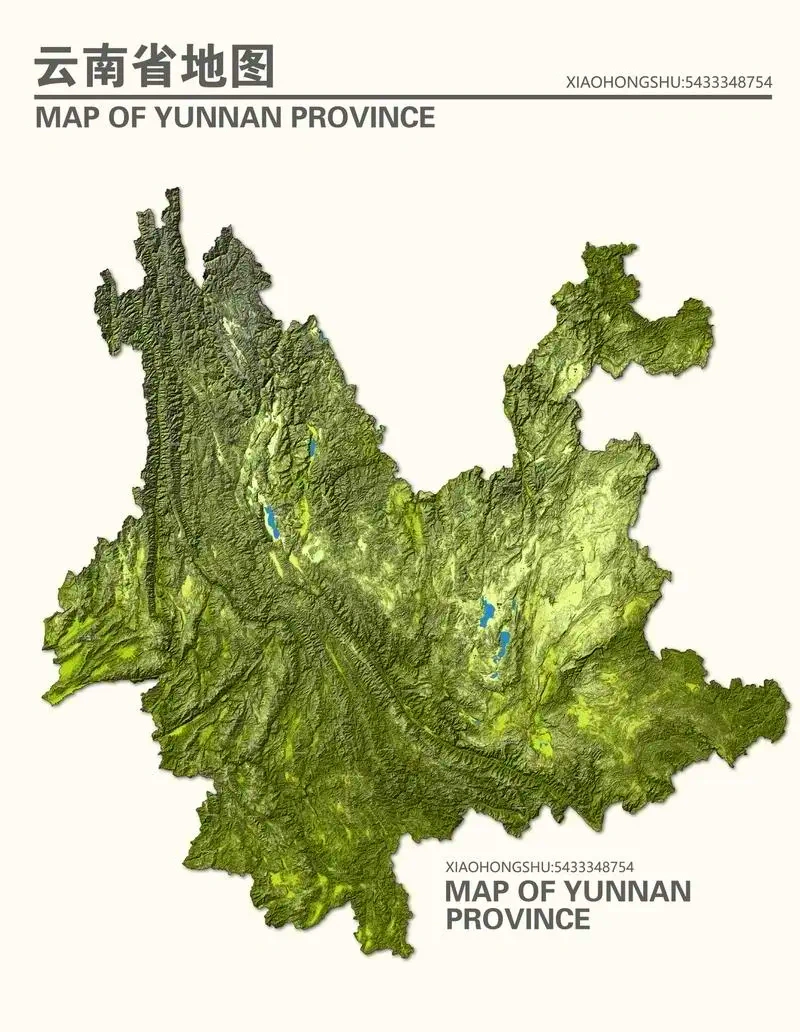
Longchuan County (陇川县) lies in Dehong Dai and Jingpo Autonomous Prefecture (德宏傣族景颇族自治州) in western Yunnan. The county borders Myanmar and is connected with other parts of Dehong by an expanding network of expressways and provincial roads. Zhangfeng Town (章凤镇), the county seat, serves as the main transport hub and the most practical base for exploring the surrounding countryside.
The county’s attractions are spread across border villages, ethnic minority communities, river valleys and mountainous areas. Places such as Husa Achang Ethnic Township (户撒阿昌族乡), Mengyue Township (勐约乡), Chengzi Town (城子镇) and Wangzishu Township (王子树乡) are some distance from Zhangfeng. Local buses reach several townships, but departures are limited and return transport can be difficult to arrange in rural areas.
For most international visitors, private transport, a chartered vehicle or self-driving provides the greatest flexibility. Public transportation is useful within the county seat and along several established township routes, while cycling and motorcycle travel are better suited to selected local roads rather than long-distance transfers.
Longchuan County Transportation Overview
Longchuan is primarily a road-based destination. The Tenglong Expressway (腾陇高速), Ruilong Expressway (瑞陇高速) and Mangliang Expressway (芒梁高速) connect the county with Tengchong, Ruili, Mangshi and the wider western Yunnan road network. Paved roads reach all nine townships, although road conditions vary once travelers leave the main highways.
The county has a border crossing at Zhangfeng Port (章凤口岸). Border inspections may operate along roads leading to ports, boundary markers and sensitive frontier areas. International travelers should carry their passports and confirm local access requirements before visiting remote border villages. Some locations may require prior approval or may be temporarily closed to visitors.
Guangsong General Airport (广宋通用机场) is located in Jinghan Town (景罕镇), but it does not operate regular commercial passenger flights. The nearest practical airport for most travelers is in Mangshi.
How to Get to Longchuan County
By Air via Mangshi
Dehong Mangshi International Airport (德宏芒市国际机场) is the main commercial airport serving Dehong. It receives flights from Kunming and several other Chinese cities. From the airport, travelers can continue to Zhangfeng by intercity coach, private transfer, rental car or ride-hailing service.
The drive from Mangshi to Longchuan generally takes between one and a half and two hours, depending on traffic, weather and the location of the final destination. A prearranged airport transfer is particularly convenient for families, groups carrying luggage and international study-tour teams.
Travelers arriving late in the day should confirm onward transport before departure. Services to rural townships become much less frequent in the evening.
By Air via Tengchong
Tengchong Tuofeng Airport (腾冲驼峰机场) is another possible gateway. It is useful for visitors combining Tengchong’s volcanic landscapes, hot springs and historical attractions with a journey through western Dehong.
The road connection between Tengchong and Longchuan uses the Tenglong Expressway. A private vehicle or chartered transfer is usually more convenient than relying on multiple public bus connections.
About Guangsong General Airport
Guangsong General Airport supports general aviation activities rather than regular commercial passenger services. Ordinary travelers cannot use it as a scheduled arrival airport. Flight searches and travel plans should therefore focus on Mangshi or Tengchong.
Getting to Longchuan by Long-Distance Bus
From Mangshi
Coaches operate between Mangshi and Zhangfeng. This is one of the most practical public transportation options for reaching the county. The journey normally takes around one and a half to two hours.
Passengers should verify the departure station and timetable locally because operating schedules can change. Travelers with fixed sightseeing arrangements may find a private transfer more efficient, especially when continuing directly to a rural attraction.
From Ruili
Ruili City (瑞丽市) is connected to Longchuan by expressway. The road journey usually takes about one hour under normal conditions. Coaches, taxis, ride-hailing vehicles and private transfers may be available.
This connection works well for a wider Dehong itinerary combining the border landscapes of Ruili with the ethnic communities and countryside of Longchuan.
From Tengchong
Long-distance buses may operate from Tengchong City (腾冲市) to Longchuan, but departures are less frequent than services from Mangshi or Ruili. The travel time by public bus can be considerably longer because of intermediate stops and station procedures.
Travelers following a multi-destination western Yunnan route should confirm the current schedule before traveling. A chartered vehicle can save time when several attractions are included along the way.
From Kunming
Direct long-distance buses may operate from Kunming Western Bus Station (昆明西部客运站) to Longchuan. The journey is lengthy and is generally less comfortable than flying to Mangshi and continuing by road.
For most visitors, the preferred combination is:
- Fly from Kunming (昆明) to Mangshi.
- Continue from Mangshi to Zhangfeng by coach or private vehicle.
- Use Zhangfeng as the base for traveling around the county.
Bus Station in Zhangfeng
Longchuan’s urban and rural passenger services have been moved to the new passenger station on Huancheng East Road (环城东路). Travelers should not rely on directions to the former station.
Schedules may vary by season, passenger demand and road conditions. Confirming the departure time one day in advance is advisable for township services.
Traveling to Longchuan by Train and Bus
Longchuan does not currently have a passenger railway station. Travelers using the railway can take a train to Baoshan Railway Station (保山站) and continue toward Mangshi and Longchuan by road.
This option involves at least one transfer and is usually slower than flying to Mangshi. It may nevertheless suit travelers already exploring Dali, Baoshan or other destinations along the western Yunnan route.
The railway associated with the Ruili corridor should not be confused with the China–Laos Railway. Until passenger rail service reaches Dehong, buses and private road transfers remain necessary for the final section to Longchuan.
Self-Driving to Longchuan County
Self-driving is one of the most convenient ways to explore Longchuan because it allows travelers to combine attractions that have limited public transportation. The principal driving connections include:
| Starting point |
Main road connection |
Approximate distance |
Typical driving time |
| Kunming |
G56 Hangrui Expressway and connecting roads |
About 740 km |
8–9 hours |
| Mangshi |
Main Dehong road network |
About 100 km |
1.5–2 hours |
| Tengchong |
Tenglong Expressway |
About 110 km |
Around 2 hours |
| Ruili |
Ruilong Expressway |
About 70 km |
Around 1 hour |
Expressways and major provincial roads are generally suitable for ordinary vehicles. Rural roads may become narrower and more winding, particularly near mountain villages and forest areas. Heavy rain can cause slippery surfaces, falling rocks, fog and short-term traffic restrictions.
Drivers should refuel in Zhangfeng or the main township centers before entering remote areas. Fuel stations are less common in isolated villages, and mobile phone coverage may be inconsistent on some mountain roads.
International visitors planning to drive in China need a valid Chinese driving licence. An overseas licence or International Driving Permit alone is not normally sufficient. Hiring a licensed vehicle with a local driver is the simpler choice for most foreign travelers.
Local Transportation in Zhangfeng Town
Urban and Rural Buses
Local buses depart from the new passenger station and serve parts of the county seat as well as selected surrounding towns. Connections may be available toward Jinghan, Chengzi and Longba Town (陇把镇).
Township routes generally operate less frequently than urban services, and the last departure may be relatively early. Visitors should check both outbound and return times before leaving Zhangfeng.
Taxis and Ride-Hailing Services
Taxis and ride-hailing vehicles are convenient within Zhangfeng and for nearby attractions. Availability drops quickly outside the county seat. A vehicle that takes passengers to Husa, Mengyue or Wangzishu may not remain in the area for the return journey.
When visiting rural attractions, arrange a round-trip vehicle or ask the driver to wait. Depending on finding another car after sightseeing can result in long delays.
Shared Electric Scooters
Shared electric scooters operate in parts of Zhangfeng and are useful for short journeys within the urban area. They are suitable for restaurants, shops and nearby cultural sites but should not be used for long trips to rural townships.
Battery range, mountain gradients, traffic conditions and designated operating zones make shared scooters unsuitable for countryside travel.
Car Rental and Private Transfers
Rental cars and chartered vehicles can be arranged in Zhangfeng or Mangshi. A private vehicle is particularly useful for combining ethnic villages, border sites and natural attractions in one day.
Travelers should choose a licensed transport provider. For routes close to the Myanmar border, confirm that the driver and vehicle are permitted to enter the intended area.
Transportation to Major Attractions
| Attraction or destination |
Distance from Zhangfeng |
Driving time |
Public transportation |
Travel notes |
| Jingpo Garden and Munao Zongge Cultural Park (景颇园·目瑙纵歌文化园) |
About 3 km |
8–10 minutes |
Taxi or shared scooter |
Convenient location near the county seat |
| Laying National Gate and Boundary Marker No. 50 (拉影国门、50号界碑) |
About 8 km |
Around 15 minutes |
Taxi or arranged vehicle |
Access rules may apply near the border |
| Long’an Xinma Hot Spring (龙安新马温泉) |
About 13 km |
Around 20 minutes |
Taxi; no dependable direct bus |
Suitable for a short leisure trip |
| Huangge Temple (皇阁寺), Husa Knife Workshops (户撒刀工坊) and Silversmith Village (银器村) |
About 47 km |
Around 1 hour |
Limited township buses |
Private transport is recommended |
| Yunnan–Myanmar International Rainforest Park (滇缅国际雨林公园) at Pingshan Village (坪山村) |
About 50 km |
Around 70 minutes |
No reliable direct bus |
Suitable for driving, camping and outdoor activities |
| Boxin Bay and Longjiang Reservoir (泊心湾·龙江水库) |
About 35 km |
Around 50 minutes |
Very limited service |
Arrange return transport in advance |
| Old Longchuan Town (陇川老城) |
About 22 km |
Around 35 minutes |
Selected urban–rural bus routes |
Historical and cultural area |
| Nanwan Lake Wetland (南宛湖湿地) |
About 39 km |
Around 55 minutes |
No reliable direct bus |
Private vehicle recommended |
| Nongyan Dai Village (弄彦傣族村寨) |
About 20 km |
Around 30 minutes |
Taxi or arranged vehicle |
Border-area access should be confirmed |
| Bangwa Cherry Blossom Valley (邦瓦樱花谷) |
Varies by route |
Mountain-road journey |
No dependable public transport |
Narrow roads require careful driving |
Distances and driving times are approximate. Weather, border inspections, construction and rural road conditions can affect journey times.
Transportation Around Husa Achang Ethnic Township
Husa is the cultural heartland of the Achang people in Longchuan. Its villages are known for traditional metalworking, silverwork, temples, rice fields and mountain scenery. Because the attractions are spread across the township, a private vehicle offers much greater flexibility than a public bus.
Visitors using township buses should confirm the final return departure before beginning their sightseeing. Ride-hailing vehicles are difficult to find in the area, especially in the late afternoon.
Husa also has dedicated cycling routes. A practical arrangement is to travel from Zhangfeng to Husa by vehicle, explore the local cycling trails, and return by the same prearranged transport.
Transportation Around Mengyue Township
Mengyue is known for reservoir scenery, forested hills and waterside recreation. Public transportation is limited, and departures may not match sightseeing hours. Self-driving or a chartered vehicle is the most dependable option.
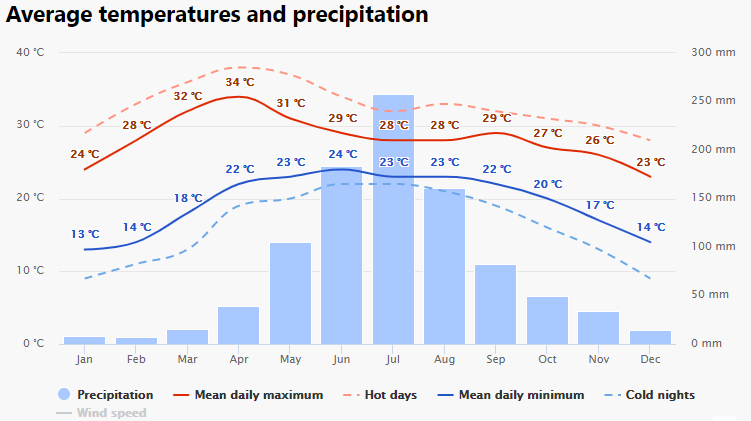
The roads are generally manageable in suitable weather, but travelers should allow extra time during the rainy season. Camping equipment, food and other supplies are best purchased before leaving Zhangfeng.
Transportation Around Chengzi Town
Chengzi, the former administrative center of Longchuan, preserves local historical character and can be reached by selected urban–rural bus services. It is one of the more accessible destinations outside Zhangfeng.
A bus visit is possible for travelers with a flexible schedule, although departure times should be checked beforehand. Those combining Chengzi with Nanwan Lake or more remote villages will benefit from a private vehicle.
Recommended Self-Driving Routes
Zhangfeng and Husa Cultural Route
A compact cultural route can connect Zhangfeng with Jingpo Garden, Long’an Xinma Hot Spring, Huangge Temple, Achang villages, silversmith workshops, Husa knife-making studios and the rainforest park.
The complete circuit is approximately 100 kilometers, depending on the chosen village roads and stops. Starting early provides enough time for cultural visits and short walks without driving on mountain roads after dark.
Border Landscapes and Ethnic Villages Route
A broader route can connect Zhangfeng, Laying National Gate, Nongyan Dai Village, Boxin Bay, Nanwan Lake, Old Longchuan Town and Husa.
Because the route covers border roads and remote rural areas, it is better divided across several days. Access conditions should be checked locally before departure, especially for national gates, boundary markers and frontier villages.
Cycling in Longchuan County
Husa Cycling Trails
The Husa Cycling and Fitness Trail (户撒骑行健身步道) is Longchuan’s principal cycling destination. The planned ecological corridor covers approximately 50 kilometers and includes several route options through rice fields, Achang villages, woodland and temple landscapes.
The main routes include:
- A 26-kilometer route from Laixizhai Sun and Moon Square (来细寨日月广场) to the rainforest park
- A 16-kilometer countryside circuit through the Husa basin
- An 8-kilometer forest loop suitable for a shorter ride
Rest areas and camping locations can be found along selected sections. Conditions and facility availability should be confirmed locally before setting out.
Practical Cycling Advice
Cycling all the way from Zhangfeng to Husa is not recommended for casual visitors. The distance, changing elevation, traffic and unpredictable weather make the journey demanding.
A safer arrangement is to transport bicycles to Husa and ride one of the local loops. Helmets, rain protection, drinking water, repair tools and offline navigation are essential. During the rainy season, wet surfaces and reduced visibility can make forest and mountain roads hazardous.
Motorcycle Touring in Longchuan
The Husa countryside has an approximately 42-kilometer rural circuit that passes farmland and village scenery. Its relatively smooth sections can be enjoyable for experienced riders, although agricultural vehicles, pedestrians and animals may share the road.
The Zhangfeng–Husa–Mengyue circuit combines main roads with rural sections and offers views of border farmland, forests and ethnic villages. Riders should check fuel availability and weather conditions before entering less populated areas.
Some village roads are narrow, worn or vulnerable to landslides. Motorcycle travel into remote mountains should not be attempted alone. Riders must wear helmets, carry the required documents and obey all border-control instructions. Foreign-registered motorcycles may be subject to additional restrictions and should not be assumed to have access to border-controlled areas.
Border Travel and Required Documents
Longchuan’s border setting is an important part of its landscape and culture, but it also means that transportation plans must account for security regulations. Carry a passport or other accepted identification whenever traveling outside Zhangfeng.
National gates, boundary markers and certain frontier villages may require advance permission. Access policies can change, and a destination visible on a map may not necessarily be open to international visitors.
Photography may be restricted near checkpoints, military facilities, border-control infrastructure and inspection areas. Follow posted instructions and ask before photographing sensitive locations.
Rainy-Season Road Safety
Western Yunnan’s rainy season can affect both expressways and rural mountain roads. Common hazards include standing water, fog, falling rocks, small landslides and reduced visibility.
Drivers should remain on paved roads whenever possible, avoid unfamiliar mountain routes after dark and allow additional travel time. Long-distance cycling and motorcycle journeys are best postponed during periods of heavy rain.
Before leaving Zhangfeng, check the local weather and ask the accommodation provider or driver about current road conditions. Rural access can change more quickly than standard navigation applications indicate.