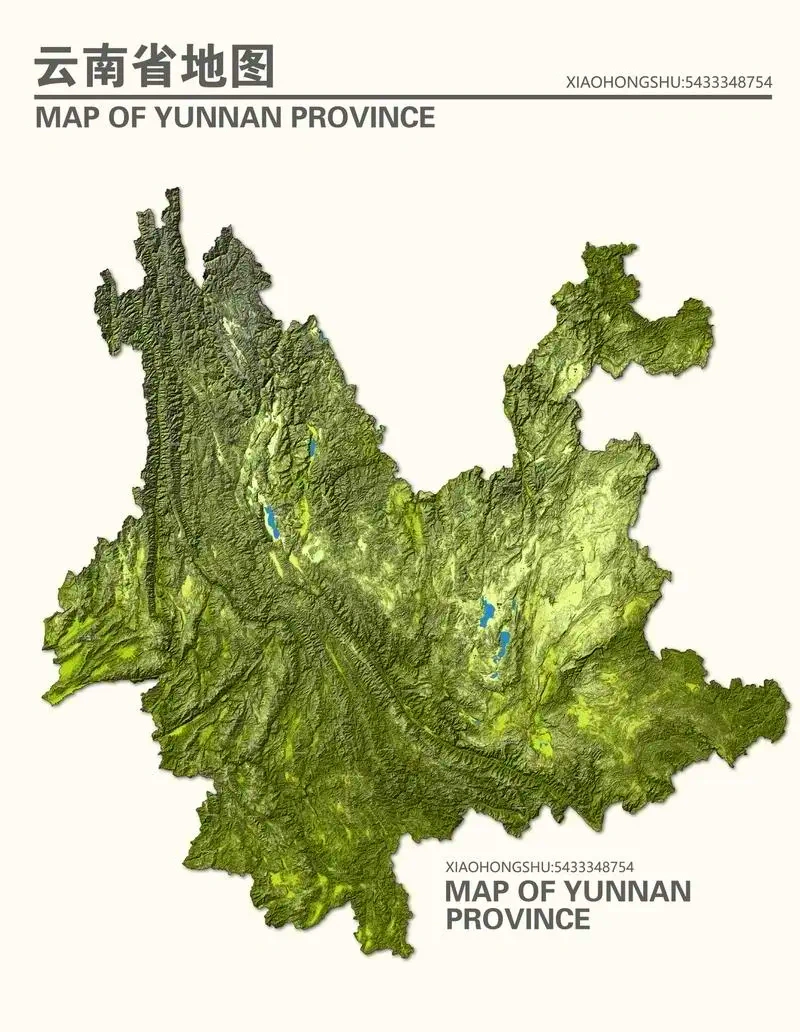
Tiger Leaping Gorge(虎跳峡)is not only one of the most spectacular canyon landscapes in China but also a cultural corridor where Tibetan, Naxi, Yi, Lisu, Bai, Pumi, Hui, and Han communities have lived together for generations. Festivals here are deeply connected with the mountains, rivers, farming traditions, religious beliefs, and ethnic customs of northwestern Yunnan. Unlike large urban events held in exhibition centers, local festivals are usually organized around villages, temples, scenic areas, and community squares, featuring traditional singing, ethnic dances, bonfire celebrations, handicraft displays, agricultural product markets, and folk rituals.
The festival culture of this region reflects the unique character of the Hengduan Mountains. The roaring Jinsha River, the snow-covered peaks of Jade Dragon Snow Mountain(玉龙雪山) and Haba Snow Mountain(哈巴雪山), and the ancient Tea Horse Road heritage have shaped a lifestyle where nature worship, ethnic unity, and traditional customs remain an important part of local identity. For travelers, attending a festival in this area provides an opportunity to experience not only sightseeing but also the living culture of mountain communities.
Summer Festival Experience: Torch Festival and Ethnic Celebration
The Torch Festival is the most representative traditional celebration in the region and usually takes place around the sixth lunar month, corresponding approximately to late July or early August. It originated from Yi cultural traditions but has gradually developed into a shared celebration among many ethnic groups living around the canyon area.
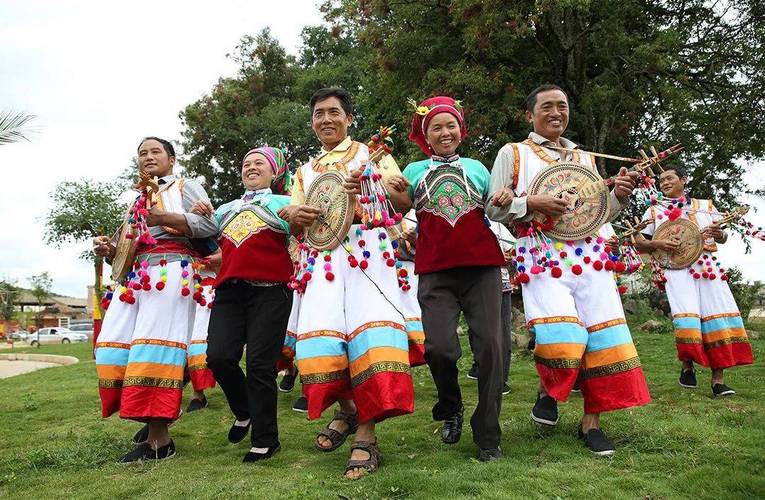
During the Torch Festival, villages such as Baoshan Village(宝山村) and surrounding communities organize cultural performances, traditional ceremonies, agricultural markets, and evening bonfire activities. Yi, Lisu, Naxi, Tibetan, and Han residents often participate together, creating a unique atmosphere of ethnic harmony.
Visitors can enjoy traditional dances, including Yi group dances, Lisu folk performances, Tibetan songs, and Naxi musical expressions. Local residents usually wear traditional clothing, prepare homemade dishes, and invite guests to join community celebrations. At night, large bonfires become the center of the festival, with residents and travelers dancing together around the flames.
The Torch Festival is especially attractive for international visitors because it offers direct interaction with local communities. Instead of simply watching performances, travelers can participate in traditional dancing, taste local food, explore handicraft stalls, and learn about mountain village customs.
Spring Cultural Activities and Traditional Ethnic Festivals
Spring is a peaceful season for cultural exploration in Tiger Leaping Gorge. During this period, villages celebrate agricultural traditions, religious ceremonies, and ethnic gatherings connected with the beginning of a new farming cycle.
The Naxi people celebrate Sanduo Festival(三朵节), one of their most important traditional festivals, on the eighth day of the second lunar month. The festival honors Sanduo, the protective deity of the Naxi people, and includes worship ceremonies, outdoor gatherings, singing, dancing, and family celebrations.
Although the largest celebrations are held in areas with strong Naxi cultural traditions, communities around Tiger Leaping Gorge are also influenced by this cultural event. Travelers visiting nearby villages during this period may experience Naxi music, traditional clothing, local food, and spiritual customs.
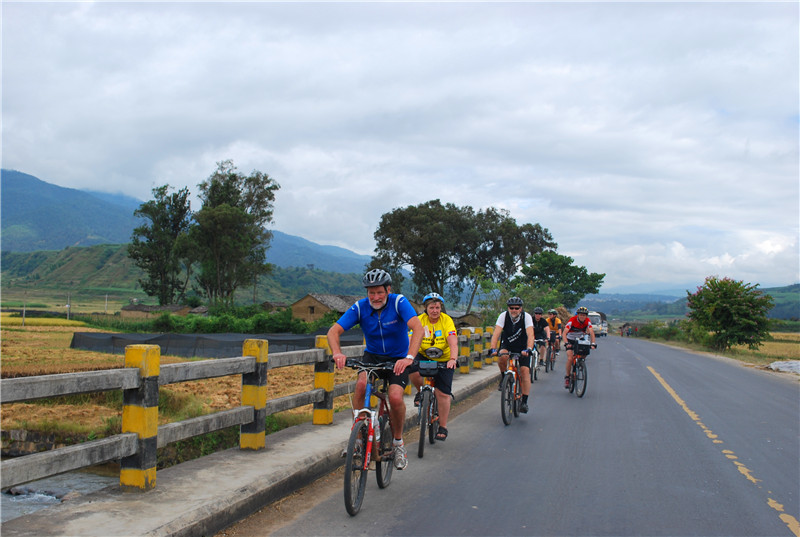
Spring is also an ideal period for cultural tourism because the weather is comfortable, mountain roads are easier to travel, and visitors can combine festival experiences with hiking routes along the Tea Horse Road.
Winter Festivals and New Year Cultural Activities
The winter season brings traditional Chinese New Year celebrations and local tourism activities. During the Spring Festival period, Tiger Leaping Gorge scenic areas often organize cultural programs combining traditional customs with modern tourism experiences.
Visitors may encounter activities such as traditional handicraft demonstrations, folk games, cultural exhibitions, and New Year performances. Local communities use this period to welcome visitors, display traditional skills, and promote regional specialties.
One popular type of activity is traditional woodblock printing and cultural handicraft experiences connected with Dongba culture. Travelers can create their own handmade souvenirs while learning about the ancient writing system and artistic traditions of the Naxi people.
Winter is also a quieter travel season, allowing visitors to experience village life more deeply without the crowds of summer tourism periods.
Autumn Cultural Tourism and Regional Events
Autumn is one of the best seasons for cultural travel in Tiger Leaping Gorge. The weather is stable, mountain scenery is clear, and many outdoor cultural activities are combined with hiking and rural tourism.
The Shangri-La Cultural Tourism Festival(香格里拉文化旅游节) is an important regional event that promotes ethnic culture, traditional arts, tourism resources, and local products. Tiger Leaping Gorge often participates through cultural exhibitions, tourism promotions, folk performances, and community activities.
During these events, visitors can experience traditional music, ethnic costumes, local handicrafts, agricultural products, and regional cuisine. The combination of natural landscapes and cultural performances makes autumn one of the most rewarding periods for international travelers.
Ethnic Minority Festival Culture in Tiger Leaping Gorge
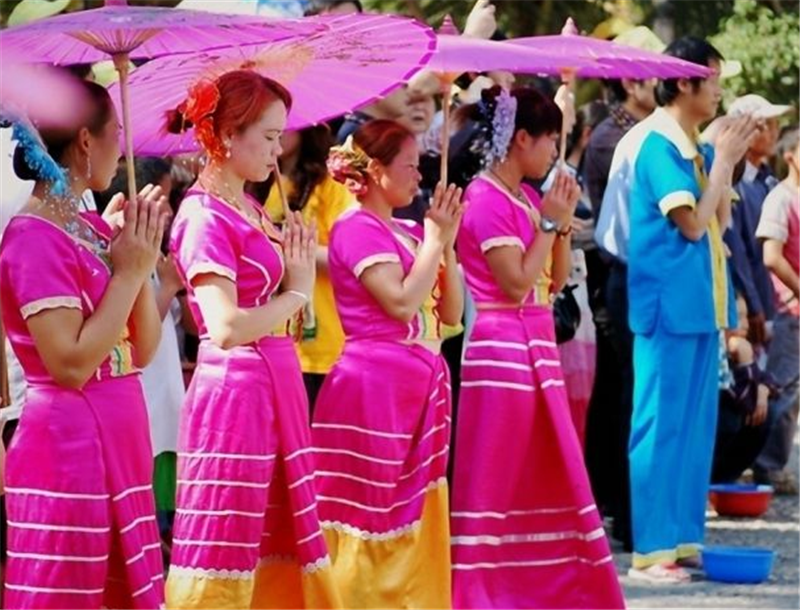
The festival traditions of Tiger Leaping Gorge are closely connected with the ethnic diversity of the region. Yi communities emphasize ancestor traditions, agricultural ceremonies, and fire-related celebrations. Lisu communities are known for energetic dances, traditional musical performances, and community gatherings. Naxi culture highlights Dongba traditions, religious ceremonies, and ancient artistic expressions. Tibetan communities preserve Buddhist customs, mountain worship traditions, and seasonal celebrations.
The cultural charm of this region lies in the fact that different ethnic groups do not celebrate separately but often participate in each other’s events. A single festival may include multiple languages, costumes, musical styles, and food traditions, creating a multicultural atmosphere unique to the Hengduan Mountains.
Festival Tourism Experience Guide
For travelers interested in festival tourism, the best experience comes from combining natural sightseeing with cultural participation. The Torch Festival period is the most recommended time for visitors who want a lively atmosphere with music, dance, and community celebrations. Spring is suitable for travelers interested in traditional rituals and ethnic culture, while autumn offers the best combination of hiking, photography, and cultural activities.
Visitors should respect local customs when joining village festivals. Asking permission before photographing religious ceremonies or local residents is recommended. Wearing appropriate clothing, avoiding disturbing rituals, and participating respectfully will help create a more meaningful cultural exchange.
Festival tourism in Tiger Leaping Gorge is not only about watching performances. It is about sharing food with local families, listening to mountain stories, walking through ancient villages, and understanding how different ethnic communities have maintained their traditions in one of the world’s most dramatic landscapes.
Tiger Leaping Gorge Annual Festival Activities Table
| Time |
Festival / Event |
Main Participants |
Main Activities and Cultural Features |
| Late July to Early August (Lunar June) |
Torch Festival |
Yi, Lisu, Tibetan, Naxi, Han and other local communities |
Bonfire celebrations, ethnic dances, folk performances, traditional food, handicraft markets |
| February 8 (Lunar Calendar) |
Sanduo Festival |
Naxi communities and surrounding ethnic groups |
Traditional worship ceremonies, outdoor gatherings, Naxi music, cultural activities |
| January–February |
Spring Festival Cultural Activities |
Local villages and scenic areas |
New Year celebrations, folk games, handicraft experiences, cultural exhibitions |
| August |
Shangri-La Cultural Tourism Festival |
Regional ethnic communities and tourism organizations |
Cultural performances, tourism exhibitions, ethnic culture displays, local product promotion |
| Spring and Autumn Seasons |
Tea Horse Road Cultural Activities |
Local villages, hikers, cultural travelers |
Ancient road exploration, village visits, traditional lifestyle experiences |
Festival Tourism
Tiger Leaping Gorge offers a festival experience that combines spectacular nature, ethnic traditions, and historical heritage. The most important feature of local festivals is cultural diversity: Yi bonfires, Lisu dances, Naxi traditions, Tibetan customs, and Han celebrations exist together in the same mountain region.
For international travelers, the Torch Festival provides the most vibrant cultural experience, while spring and autumn offer better conditions for combining festivals with hiking, photography, and village exploration. The true attraction of festival tourism here is not only the event itself but the opportunity to connect with local people and discover the living traditions of the canyon communities.
With its dramatic landscapes, ancient Tea Horse Road history, and multicultural festivals, Tiger Leaping Gorge represents one of the most authentic cultural travel destinations in Yunnan. It allows visitors to experience a place where mountains, rivers, ethnic traditions, and human stories continue to exist together.