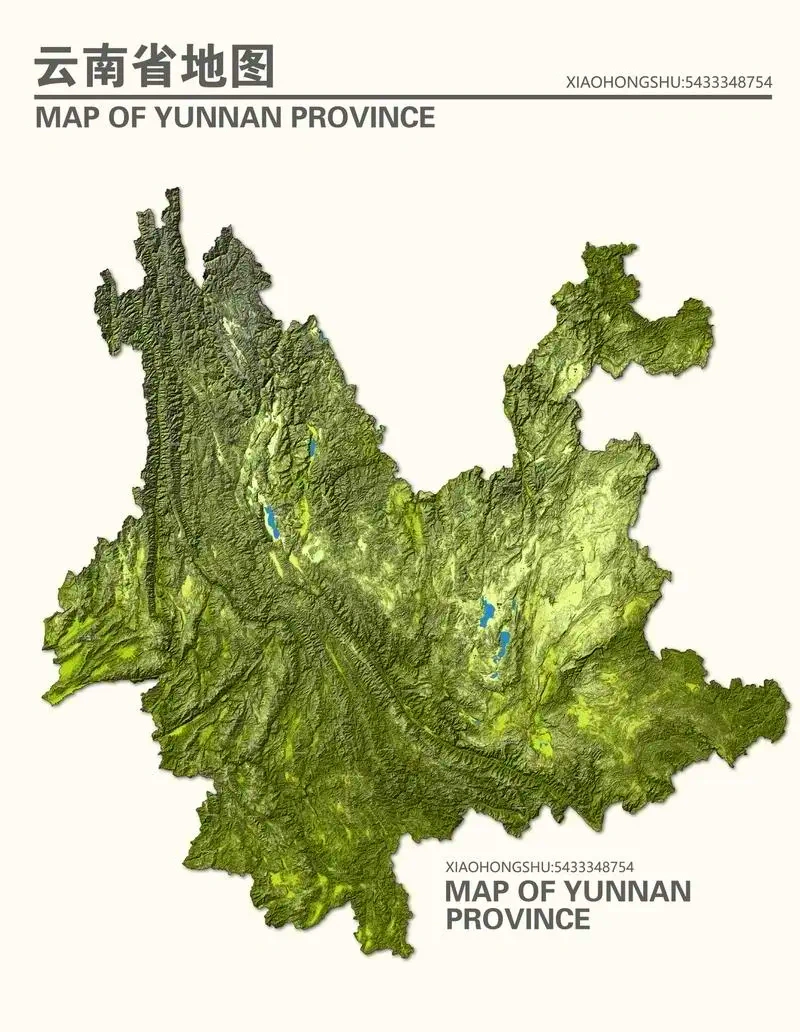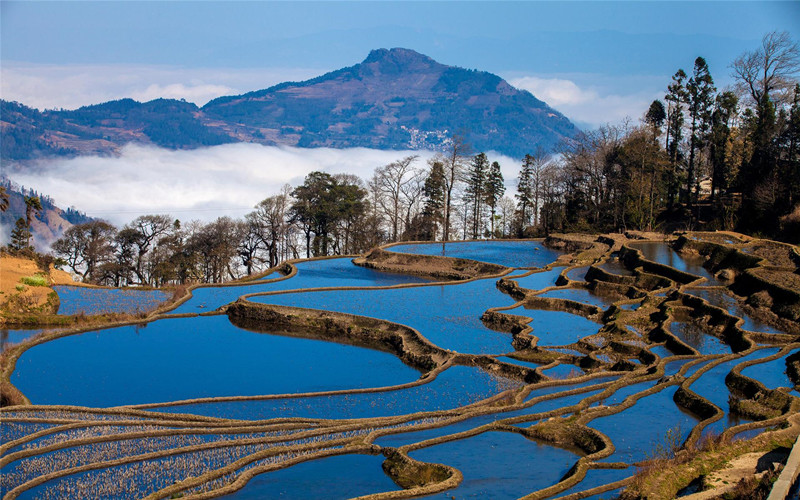
Shangri-La (香格里拉), whose Tibetan name is often interpreted as “the sun and moon in the heart,” is the capital of Diqing Tibetan Autonomous Prefecture (迪庆藏族自治州) in northwestern Yunnan. Situated at approximately 3,300 meters above sea level, the region combines snow-capped mountains, alpine lakes, grasslands, primeval forests, Tibetan monasteries and traditional villages.
A classic Shangri-La tour usually takes three to five days. First-time visitors can explore Dukezong Ancient Town (独克宗古城), Ganden Sumtseling Monastery (噶丹·松赞林寺), Napa Lake and Yila Grassland (纳帕海·依拉草原) and Pudacuo National Park (普达措国家公园). Travelers with more time can continue to Tiger Leaping Gorge (虎跳峡), Haba Snow Mountain (哈巴雪山) or Meili Snow Mountain (梅里雪山).
Preparing for a Shangri-La Tour
Best Seasons to Visit Shangri-La
| Travel Period |
Seasonal Features |
Recommendation |
| May–June |
Alpine rhododendrons bloom across the mountains, the grasslands turn green and the weather is suitable for outdoor activities |
★★★★★ |
| July–August |
Cool summer temperatures, seasonal wetlands around Napa Lake, green grasslands and fresh wild mushrooms |
★★★★ |
| September–October |
Clearer mountain views, colorful autumn landscapes and excellent conditions for photography and hiking |
★★★★★ |
| November–April |
Fewer visitors, winter scenery and a greater chance of clear snow-mountain views, but temperatures are much lower |
★★★ |
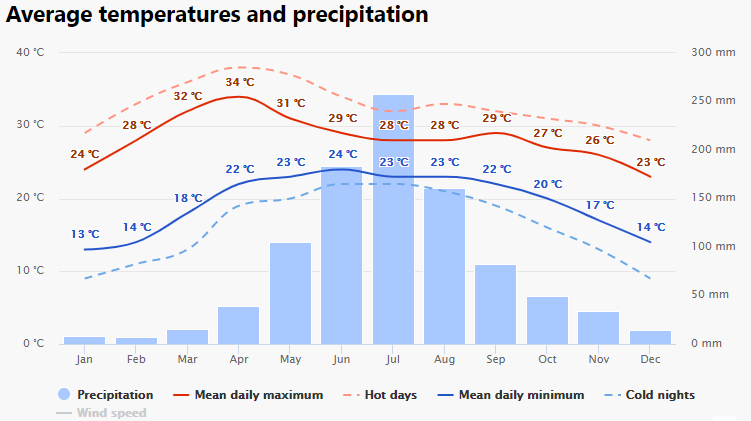
May to October is generally the most popular period for a Shangri-La tour. May and June are especially attractive for flowers and green landscapes, while September and October offer clearer skies and colorful autumn scenery. July and August are cool but coincide with the rainy season.
Winter is quieter and often provides clear views of distant snow mountains. However, cold temperatures, snow and icy mountain roads may affect transportation and outdoor activities.
Altitude and Health Preparation
The center of Shangri-La stands at approximately 3,300 meters above sea level. Some visitors may experience headaches, fatigue, shortness of breath, poor sleep or a reduced appetite after arrival. The first day should therefore be kept relaxed.
Avoid strenuous exercise, heavy drinking and overeating immediately after reaching Shangri-La. Drink enough water, keep warm and allow your body time to adjust. Travelers with heart, lung or other serious medical conditions should consult a medical professional before visiting a high-altitude destination.
Portable oxygen is widely available, but it should be used appropriately. Visitors experiencing severe headaches, confusion, difficulty walking, persistent vomiting or breathing problems at rest should seek medical assistance and descend to a lower altitude as soon as possible.
Clothing and Essential Items
Shangri-La has a large temperature difference between day and night. Dressing in layers is the most practical approach. A moisture-wicking base layer, warm fleece and waterproof outer jacket can be combined according to the weather.
Even in summer, visitors should carry a warm coat. Strong ultraviolet radiation at high altitude also makes sunscreen, sunglasses, lip balm and a sun hat essential. A raincoat or umbrella is useful during the rainy season.
Other useful items include a power bank, personal medication, a reusable water bottle, comfortable walking shoes and a small amount of cash. Downloading an offline map is advisable because mobile signals may be unstable in remote mountain areas.
How to Get to Shangri-La
Flights to Shangri-La
Diqing Shangri-La Airport (迪庆香格里拉机场) is the nearest airport to the city. Flights may connect Shangri-La with cities such as Kunming (昆明), Chengdu (成都) and Chongqing (重庆), although routes and schedules vary by season.
The airport is relatively close to the city center and Dukezong Ancient Town. A taxi or private transfer is generally the most convenient way to reach a hotel after arrival.
Train to Shangri-La
The railway between Lijiang (丽江) and Shangri-La has made the destination considerably easier to reach. The train journey offers impressive views of northwestern Yunnan and is one of the most convenient choices for visitors traveling from Kunming, Dali or Lijiang.
During busy periods, especially national holidays and the summer travel season, train tickets should be booked in advance. Travelers can continue from the railway station to their hotels by taxi, hotel transfer or private vehicle.
Bus and Private Transfer
Long-distance buses operate between Lijiang and Shangri-La. This option takes longer than the train but may be useful when rail tickets are unavailable.
A private transfer provides greater flexibility and can include stops at scenic areas along the route. It is particularly suitable for families, small groups, photographers and travelers carrying a large amount of luggage.
Transportation Within Shangri-La
Taxis and Ride-Hailing Services
Taxis and ride-hailing vehicles are convenient for travel within the city. They are suitable for short journeys between Dukezong Ancient Town, the modern city center and Sumtseling Monastery.
Service availability may be limited late at night or during busy holiday periods. Ask the hotel to arrange a vehicle if an early departure is required.
Private Car and Driver
Hiring a private car with a driver is one of the easiest ways to visit attractions outside the city. This option is particularly useful for Napa Lake, Pudacuo National Park, Tiger Leaping Gorge and remote villages.
A private vehicle also allows travelers to adjust the schedule according to the weather, photography conditions and personal interests.
Bicycles and Electric Scooters
Cycling or riding an electric scooter around Napa Lake can be enjoyable in suitable weather. However, visitors should consider the effects of altitude, traffic, strong sunlight, sudden rain and free-roaming livestock.
Electric scooters are not recommended during heavy rain, strong winds, snow or icy conditions.
Tourist Shuttle Buses
Tourist buses may operate from the city or Dukezong Ancient Town to major attractions such as Pudacuo National Park. Routes and departure times can change, so visitors should confirm the latest timetable through their hotel or the local passenger transport service.
Where to Stay in Shangri-La
| Accommodation Area |
Main Features |
Suitable For |
| Dukezong Ancient Town |
Tibetan-style guesthouses, restaurants, cafés and convenient access to the old town |
First-time visitors and most leisure travelers |
| Outside the North Gate of Dukezong |
Quieter surroundings while remaining within walking distance of the ancient town |
Light sleepers and travelers seeking a quieter stay |
| Napa Lake Area |
Grassland, wetland and mountain views, but fewer restaurants and transport services |
Self-drive visitors, couples and photographers |
| Central Shangri-La |
Modern hotels, banks, shops and easier vehicle access |
Business travelers, families and larger groups |
| Feilai Temple in Deqin |
Famous views of Meili Snow Mountain and convenient sunrise photography |
Travelers continuing to Deqin and Meili Snow Mountain |
Dukezong Ancient Town is the most convenient accommodation area for first-time visitors. When booking, check whether the hotel offers heating, humidifiers, oxygen facilities, luggage assistance and vehicle access.
The stone-paved lanes inside the ancient town can be inconvenient for large suitcases. Travelers may ask the hotel to arrange luggage collection from the nearest vehicle-accessible point.
Feilai Temple (飞来寺) is located in Deqin County (德钦县) rather than central Shangri-La. It should be treated as an extension of a wider Diqing itinerary, usually requiring additional travel time.
Top Attractions in Shangri-La
| Attraction |
Main Features |
Suggested Visiting Time |
| Dukezong Ancient Town |
Historic Tibetan town, Guishan Park, Giant Prayer Wheel and evening Guozhuang dancing |
2–3 hours |
| Ganden Sumtseling Monastery |
The largest Tibetan Buddhist monastery in Yunnan, traditional architecture and Lamuyangcuo Lake |
2–3 hours |
| Pudacuo National Park |
Alpine lakes, forests, meadows, wetlands and walking trails |
Half day |
| Napa Lake and Yila Grassland |
Seasonal wetland, open grassland, livestock and birdwatching |
2–3 hours |
| Tiger Leaping Gorge |
Dramatic canyon scenery and internationally known hiking routes |
One day or longer |
| Haba Snow Mountain |
Alpine trekking, mountaineering and high-altitude scenery |
2–5 days |
| Meili Snow Mountain |
Sacred Tibetan peaks and sunrise views from Feilai Temple |
2–3 days from Shangri-La |
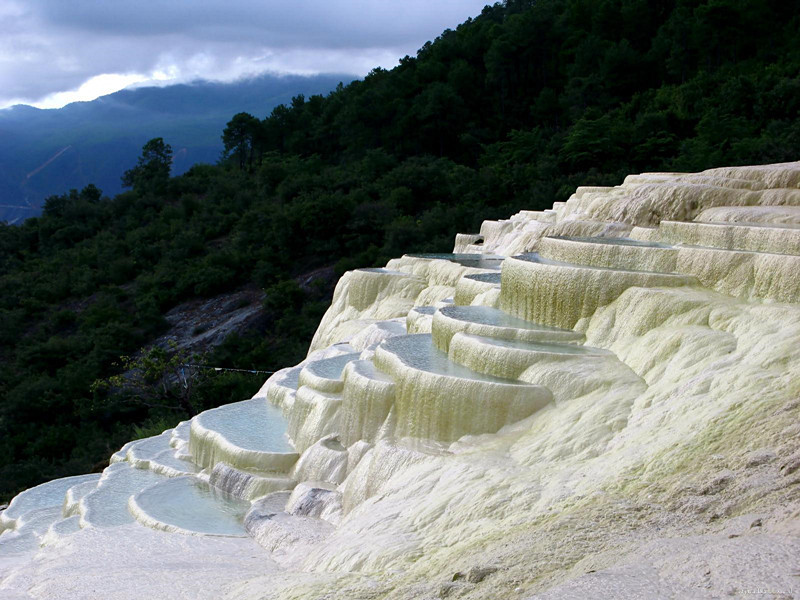
| Baishuitai Terraces |
Natural white mineral terraces and Naxi cultural landscapes |
One day |
| Shika Snow Mountain |
Mountain scenery, alpine vegetation and seasonal snow landscapes |
Half day to one day |
| Balagezong Grand Canyon |
Canyon landscapes, mountain villages and highland scenery |
One day |
Dukezong Ancient Town
Dukezong Ancient Town is the cultural and tourism center of Shangri-La. Known as the “City of Moonlight,” it contains traditional Tibetan houses, winding lanes, restaurants, cafés and handicraft shops.
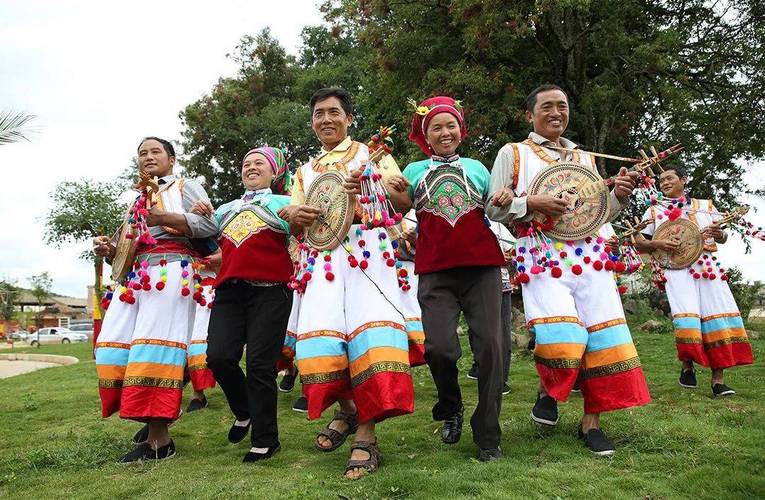
The best-known landmark is the Giant Prayer Wheel at Guishan Park (龟山公园大转经筒). Visitors can walk through the old town in the afternoon and watch or join the public Guozhuang dance (锅庄舞) at Sifang Street (四方街) in the evening.
Ganden Sumtseling Monastery
Ganden Sumtseling Monastery, sometimes called the “Little Potala Palace,” is the largest Tibetan Buddhist monastery in Yunnan. Its golden roofs, white walls, religious halls and surrounding mountains create one of Shangri-La’s most recognizable landscapes.
Visitors should walk clockwise around religious structures, dress respectfully and follow photography restrictions inside the halls. Lamuyangcuo Lake (拉姆央措湖) below the monastery is a good location for viewing and photographing reflections.
Pudacuo National Park
Pudacuo National Park protects alpine lakes, forests, wetlands, meadows and wildlife habitats. Shudu Lake (属都湖) is one of its main scenic areas and has accessible walking routes and viewing platforms.
The park stands at a high elevation, so visitors should walk slowly and avoid excessive physical exertion. The number of open routes may change because of weather, ecological protection and park management.
Napa Lake and Yila Grassland
Napa Lake and Yila Grassland form one seasonal landscape. During wetter periods, water spreads across the basin and creates a broad highland lake. During drier months, much of the area becomes grassland.
The area is suitable for scenic drives, cycling, birdwatching and photography. Visitors should remain on public roads, avoid entering private grazing land without permission and confirm prices before participating in horse riding or other privately operated activities.
Tiger Leaping Gorge
Tiger Leaping Gorge is one of the deepest and most dramatic river canyons in the region. The Jinsha River flows between Jade Dragon Snow Mountain (玉龙雪山) and Haba Snow Mountain, creating powerful rapids and steep mountain scenery.
The Upper Gorge viewing area is suitable for ordinary sightseeing, while the High Trail is designed for hikers. Trekking conditions depend on rainfall, landslides and trail maintenance, making local weather and safety checks essential.
Haba Snow Mountain
Haba Snow Mountain is an important destination for trekking and mountaineering in Shangri-La. The mountain rises above the eastern side of Tiger Leaping Gorge and features forests, alpine meadows, glacial landscapes and a summit above 5,000 meters.
Short visits can focus on Haba Village (哈巴村) and nearby walking routes. Summit climbing requires several days, appropriate equipment, acclimatization, professional mountain guides and suitable insurance. It should not be treated as an ordinary sightseeing activity.
Meili Snow Mountain
Meili Snow Mountain is located in Deqin County and is regarded as a sacred mountain range by Tibetan communities. Its highest peak, Kawagarbo (卡瓦格博), rises to 6,740 meters.
The most famous viewing location is Feilai Temple, where visitors may see the peaks illuminated by golden sunrise light. Clear views depend entirely on weather conditions and can never be guaranteed.
Recommended Three-Day Shangri-La Itinerary
Day 1: Shangri-La Arrival and Dukezong Ancient Town
Arrive in Shangri-La and transfer to the hotel. Keep the first part of the day relaxed so that your body can adjust to the altitude.
In the afternoon, explore Dukezong Ancient Town and walk up to Guishan Park to see the Giant Prayer Wheel. Return to Sifang Street in the evening to watch local residents perform Guozhuang dancing. A yak hotpot dinner offers a warming introduction to local cuisine.
Day 2: Sumtseling Monastery and Napa Lake
Visit Ganden Sumtseling Monastery in the morning. Walk clockwise around the religious buildings, respect photography restrictions and continue to Lamuyangcuo Lake for views of the monastery.
In the afternoon, travel around Napa Lake and Yila Grassland by private vehicle. Stop at public viewpoints and enjoy the changing scenery of wetlands, open grassland, Tibetan villages and grazing animals before returning to the ancient town.
Day 3: Pudacuo National Park
Spend the morning or most of the day at Pudacuo National Park. Walk along the Shudu Lake route and enjoy the forests, alpine wetlands and mountain scenery.
Return to Shangri-La in the afternoon for onward travel. Visitors taking an evening train or flight should allow enough time for the transfer and possible traffic delays.
Extended Shangri-La Itineraries
Four-Day Shangri-La Tour
Add a day trip to Tiger Leaping Gorge or Baishuitai Terraces. Tiger Leaping Gorge is better for dramatic canyon scenery, while Baishuitai combines mineral terraces with rural landscapes and Naxi culture.
Five-Day Shangri-La and Haba Snow Mountain Tour
Combine the classic Shangri-La attractions with Haba Village and a short mountain trek. Travelers planning a summit attempt will need more time for acclimatization, preparation and climbing.
Six- or Seven-Day Shangri-La and Meili Snow Mountain Tour
Continue from Shangri-La to Benzilan (奔子栏), the Jinsha River Big Bend (金沙江大湾), Dongzhulin Monastery (东竹林寺), Feilai Temple and Meili Snow Mountain. This route is suitable for photographers, cultural travelers and visitors interested in the mountain landscapes of northern Diqing.
Shangri-La Food
| Local Food |
Features |
| Yak Hotpot (牦牛肉火锅) |
A warming highland dish with firm, flavorful yak meat |
| Butter Tea (酥油茶) |
Traditional Tibetan drink available in salty and sometimes sweetened versions |
| Highland Barley Cake (青稞饼) |
A fragrant local staple made from highland barley |
| Tsampa (糌粑) |
Roasted barley flour traditionally mixed with tea or butter |
| Tibetan Pork (藏香猪) |
Local pork valued for its distinctive texture and flavor |
| Tibetan Clay-Pot Dishes (藏式土锅) |
Shared dishes containing meat, vegetables and local ingredients |
| Wild Mushroom Chicken Soup (野生菌炖鸡) |
A seasonal dish associated with Yunnan’s summer mushroom harvest |
Local Tibetan restaurants can be found throughout Dukezong Ancient Town. Jingjing Mani Stone Tibetan Restaurant (静静的嘛呢石藏餐) and Minzhu Lamu (敏珠拉姆) are among the restaurants known for Tibetan-style dishes.
Wild mushrooms must be thoroughly cooked and eaten only at reliable restaurants. Never collect or eat unidentified mushrooms independently.
Local Customs and Cultural Etiquette
Walk clockwise around monasteries, stupas, prayer wheels and other religious sites. Do not step on door thresholds when entering traditional buildings or religious halls.
Photography may be prohibited inside monastery halls. Always check posted rules and ask permission before photographing monks, residents or religious ceremonies.
Dress respectfully when visiting monasteries. Avoid excessively revealing clothing, loud behavior and touching religious objects without permission.
Do not step on prayer flags or disturb Mani stones. When visiting Tibetan homes or villages, follow the guidance of the host or local guide.
Ask for permission before photographing local residents. Confirm the price before taking photographs with animals, joining horse-riding activities or entering privately operated attractions.
Common Travel Problems to Avoid
Be cautious with unusually cheap horse rides, informal home visits and unlicensed roadside tour services. Always confirm the route, duration and total price before participating.
Avoid purchasing expensive Tibetan medicine, silverware, jewelry or other products from unverified roadside sellers. Choose established shops and request clear product information.
Weather changes quickly in the mountains. Heavy rain can cause rockfalls, muddy roads and landslides, while winter snow can create icy driving conditions.
Pudacuo National Park and other scenic areas are situated at high elevations. Travelers who feel unwell should reduce walking distances, rest frequently and seek assistance when necessary.
Budget Planning for a Shangri-La Tour
The total cost of a Shangri-La trip depends on the travel season, hotel category, transportation method and number of included attractions.
Budget travelers can stay in guesthouses around Dukezong Ancient Town, use trains and tourist buses, and focus on attractions close to the city. Travelers seeking greater comfort can choose oxygen-equipped hotels and hire a private vehicle for attractions outside the city.
Private tours cost more but provide flexible departure times, direct transfers and easier access to remote destinations. This option is particularly useful for families, photographers, senior travelers and small groups.
Book hotels and transportation early for travel between May and October, during Chinese public holidays and around the Spring Festival. Hotel rooms with heating and oxygen facilities are often in high demand.
Useful Telephone Numbers in Shangri-La
| Service |
Telephone Number |
| Area Code |
0887 |
| Police |
110 |
| Police Text Message Service |
12110 |
| Ambulance |
120 |
| Fire |
119 |
| Traffic Accidents |
122 |
| Water Emergency |
12395 |
| Consumer Complaints |
12315 |
| Railway Information |
12306 |
| Weather Service |
12121 |
| General Information |
12580 / 118114 |
| Telephone Directory |
114 |
| Bank of China |
95566 |
| Diqing Shangri-La Airport Inquiry |
0887-8229901 |
| Local Tourism Consultation or Complaints |
Confirm the current number locally before travel |
Telephone numbers and departmental responsibilities may change. For non-emergency tourism assistance, ask the hotel or local tour operator to confirm the latest official contact details.
Seasonal Packing Guide
Spring: March to May
Spring temperatures remain cool, particularly in the morning and evening. Bring sweaters, a warm jacket and clothing that can be worn in layers. Snow may remain on higher mountains.
Summer: June to August
Light clothing may be comfortable during sunny daytime periods, but warm clothing is still necessary at night. Bring a waterproof jacket, umbrella, hat, sunglasses and sunscreen.
Summer is the rainy season. Check weather forecasts before traveling to mountain areas, Tiger Leaping Gorge or Haba Snow Mountain.
Autumn: September to November
Long-sleeved clothing, a fleece and a warm outer jacket are recommended. September and October often provide excellent conditions for hiking and photography, but temperatures drop quickly after sunset.
Winter: December to February
Pack thermal underwear, sweaters, a down jacket, gloves, a scarf and a warm hat. Waterproof footwear with good traction is useful when roads and paths are covered by snow or ice.
Language and Communication
People in Diqing commonly speak Tibetan, Mandarin and regional varieties of Yunnan Chinese. Mandarin is widely used in Dukezong Ancient Town and the central urban area.
English is available at some international hotels, cafés and tourism businesses, but it is less commonly spoken in remote villages and mountain areas. A translation application or bilingual destination list can be helpful.
Internet and Mobile Services
Most hotels, guesthouses, restaurants and cafés in central Shangri-La provide Wi-Fi. Mobile coverage is generally available in the city but may become unstable in national parks, mountain valleys and remote villages.
Download maps, hotel addresses, tickets and important contact information before leaving the city.
Travel Insurance
Travel insurance is strongly recommended, particularly for hiking, cycling and mountaineering trips. Check whether the policy covers high-altitude activities, emergency evacuation, trip interruption and the specific elevation you plan to reach.
Standard travel insurance may exclude technical climbing and high-altitude mountaineering. Anyone attempting Haba Snow Mountain should confirm the insurance terms carefully.
Road Conditions
The rainy season generally lasts from June to September. Heavy rain may affect mountain roads through landslides, falling rocks, flooding or temporary closures.
Snow and ice may affect roads in winter, particularly on routes toward Deqin, Meili Snow Mountain and high mountain passes. Use an experienced local driver and allow extra time in the itinerary.
Banks and ATMs
Major Chinese banks have branches or ATMs in Shangri-La, especially along Changzheng Avenue (长征大道) and in the modern city center. International bank cards may not work at every ATM, so travelers should carry an alternative payment method.
| Bank |
Address |
Telephone |
| Bank of China, Diqing Branch (中国银行迪庆州分行) |
Chicika Street, Shangri-La |
Confirm locally |
| Bank of China ATM (中国银行ATM) |
No. 13 Cangfang Street, Shangri-La |
— |
| Industrial and Commercial Bank of China (中国工商银行) |
No. 144 Changzheng Avenue, Shangri-La |
95588 / 0887-8222632 |
| China Construction Bank (中国建设银行) |
No. 46 Chicika Street, Jiantang Town |
0887-8222787 |
| Agricultural Bank of China (中国农业银行) |
No. 175 Changzheng Avenue, Jiantang Town |
0887-8222406 |
Electronic payment is widely used in China, but international visitors should set up an accepted payment method before traveling. Carrying some cash remains useful in small villages and remote areas.
Post Offices and Express Delivery
The postal code for Shangri-La is 674400. China Post and major domestic express companies operate branches in the city. Hotel staff can often assist travelers who need to send postcards or parcels.
| Service |
Address |
Telephone |
| China Post (中国邮政) |
Intersection of Dongwang Road and Jiangke Road |
0887-8232510 |
| YTO Express (圆通速递) |
Southeast of Jinsha International Hotel, Jiantang Town |
95554 |
| Yunda Express (韵达快递) |
No. 213 Changzheng Avenue |
95546 |
| Yunda Express (韵达快递) |
No. 84 Dawa Road, Jiantang Town |
95546 |
| SF Express (顺丰速运) |
No. 127 Dalalang, Dukezong Ancient Town |
95338 |
| SF Express (顺丰速运) |
Jinsha Road, Shangri-La |
95338 |
Addresses and branch locations may change, so ask the hotel to confirm the nearest operating branch before visiting.
Hospitals in Shangri-La
| Hospital |
Address |
Telephone |
| People’s Hospital of Shangri-La (香格里拉市人民医院) |
No. 19 Chicika Street, Jiantang Town |
0887-8222022 / 0887-8222454 |
| Tibetan Medicine Hospital of Diqing Prefecture (迪庆州藏医院) |
Kangzhu Avenue, Jiantang Town |
0887-8223974 |
| Shangri-La Xiehe Hospital (香格里拉协和医院) |
No. 9 Yangtang Road |
0887-8233120 / 0887-8266120 |
| Shangri-La Boai Hospital (香格里拉博爱医院) |
No. 32 Xiangbala Avenue |
Confirm locally |
For a medical emergency, call 120. Travelers experiencing serious altitude-related symptoms should seek professional medical assistance immediately.
Shangri-La Travel Advice
A well-planned Shangri-La tour balances sightseeing with sufficient time for altitude adjustment. Avoid arranging demanding hikes immediately after arrival, and keep the first day flexible.
Three days are enough for the classic attractions around the city. Five days allow time for Tiger Leaping Gorge, Baishuitai or Haba Snow Mountain, while a week is more suitable for combining Shangri-La with Deqin and Meili Snow Mountain.
The most rewarding way to experience Shangri-La is to travel slowly. Allow time for monastery visits, grassland scenery, local meals and conversations with residents rather than treating every destination as a quick photo stop.