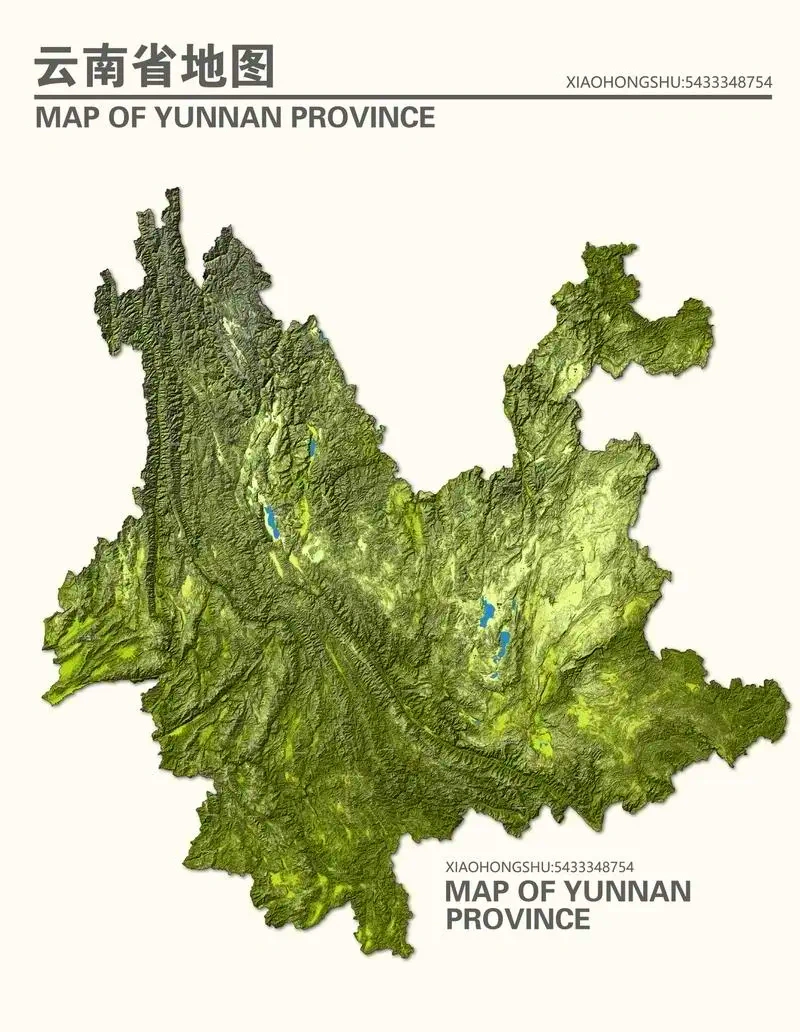
Weixi Lisu Autonomous County (维西傈僳族自治县) is located in the hinterland of the Three Parallel Rivers World Natural Heritage Site (三江并流世界自然遗产) in Diqing Tibetan Autonomous Prefecture (迪庆藏族自治州), Yunnan Province (云南省). As the only Lisu autonomous county in China, Weixi is widely known as an important birthplace of Lisu culture and a region where multiple ethnic groups have lived together for generations.
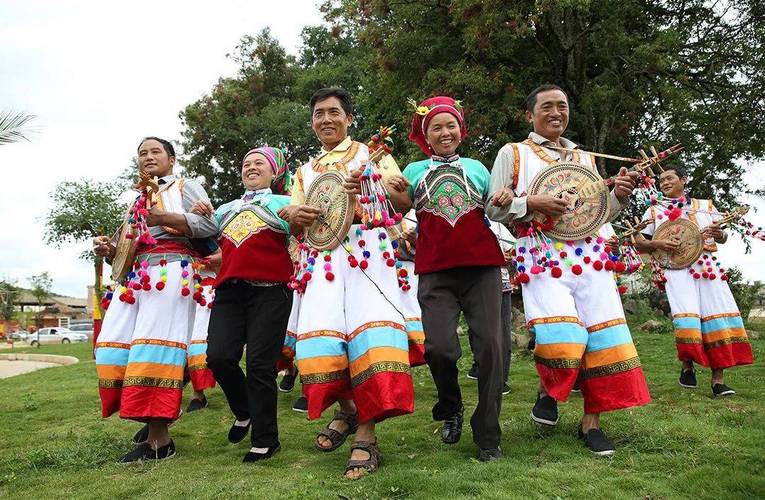
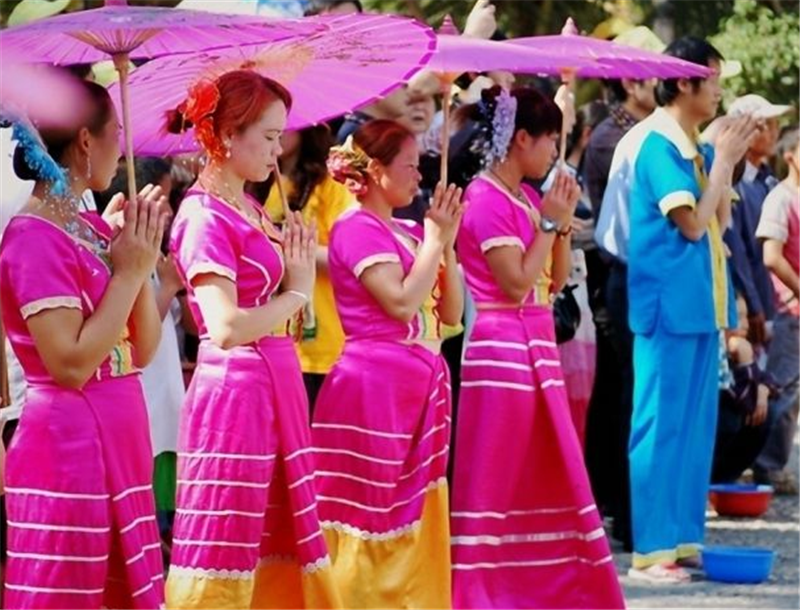
The county is home to Lisu, Tibetan, Naxi, Bai, Yi, and Han communities. Through long-term interaction and cultural exchange, these groups have created a diverse festival culture featuring traditional ceremonies, ethnic songs and dances, agricultural celebrations, religious customs, and folk competitions. Today, festivals in Weixi are not only important occasions for local communities but also valuable cultural tourism experiences that allow visitors to understand the traditions, beliefs, and lifestyles of the people living in the mountain valleys of northwest Yunnan.
The festival calendar of Weixi follows the rhythms of nature and agricultural production. Winter is highlighted by the grand Kuoshi Festival (阔时节), spring features traditional Lisu ceremonies such as the Sword Ladder Climbing Festival (刀杆节), summer brings ethnic celebrations including the Torch Festival (火把节), and autumn is marked by harvest celebrations, cultural performances, and agricultural experiences. These events provide travelers with opportunities to experience authentic village life, traditional costumes, music, dance, food, and hospitality.
Four Seasons Festival Activities in Weixi County
Winter Festivals: Kuoshi Festival — The Grand Lisu New Year Celebration
The Kuoshi Festival (阔时节) is the most important traditional festival of the Lisu people and is regarded as the Lisu New Year celebration. The word “Kuoshi” means a new year and a new beginning in the Lisu language. Due to differences in local traditions and calendars, celebration dates may vary between villages, but Weixi County officially celebrates Kuoshi Festival from December 21 to 23 each year.
During the festival, villages throughout Weixi become lively with traditional ceremonies and community gatherings. Families prepare special foods, make rice wine, decorate their homes with green pine branches, and hold rituals to welcome good fortune in the coming year. Traditional foods such as corn cakes, preserved meat, and homemade wine are prepared for family members and guests.
One of the most famous performances during the festival is “Climbing the Sword Ladder and Entering the Fire Sea” (上刀山下火海), a traditional Lisu performance that demonstrates courage and spiritual strength. Performers climb a ladder made of sharp blades and walk across burning charcoal as a symbol of bravery, perseverance, and respect for ancestors.
In recent years, Kuoshi Festival has developed into a large-scale cultural tourism event combined with activities such as the Ice Wine Culture Festival, including opening ceremonies, folk performances, traditional handicraft displays, ethnic food exhibitions, crossbow competitions, and cultural forums. Visitors can enjoy traditional Lisu dances, including Achimuqua Dance (阿尺木刮), participate in bonfire gatherings, and experience the warm hospitality of local communities.
Spring Festivals: Sword Ladder Climbing Festival and Traditional Lisu Ceremonies
Spring is an important period for traditional Lisu folk activities. The Sword Ladder Climbing Festival (刀杆节) is one of the most distinctive Lisu celebrations and is usually held around the second lunar month.
The festival is famous for the challenging “climbing the sword ladder” performance, where selected Lisu men climb a tall structure fitted with sharp blades using their bare feet. The ceremony symbolizes courage, protection, gratitude, and prayers for peace and good harvests. It is both a traditional athletic performance and a spiritual ceremony deeply connected with Lisu beliefs.
During the festival, visitors can also enjoy Lisu singing, dancing, traditional costumes, crossbow demonstrations, and community gatherings. It provides an opportunity to experience the unique cultural identity of Lisu villages in Weixi.
Summer Festivals: Torch Festival and Ethnic Cultural Celebrations
The Torch Festival (火把节) is celebrated by several ethnic groups in Yunnan, including Lisu and Yi communities. Usually held around the sixth lunar month, it is an important summer celebration involving fire ceremonies, singing, dancing, and community gatherings.
In Weixi, Torch Festival activities are mainly organized in ethnic villages and communities. Residents light torches, gather around bonfires, perform traditional dances, and pray for safety, happiness, and prosperity. Visitors can experience the lively atmosphere of ethnic music, traditional clothing, and village celebrations.
Summer is also a good season for cultural tourism because mountain villages are surrounded by green forests, rivers are full, and many rural areas combine festivals with ecological tourism activities.
Autumn Festivals: Harvest Celebrations and Cultural Tourism Events
Autumn is the season of harvest and one of the richest periods for cultural tourism activities in Weixi. Agricultural traditions, ethnic performances, and local food experiences come together during this period.
The Reba Art Festival and Harvest Festival (热巴艺术节暨丰收节) held in Tacheng Town (塔城镇) every September is one of the most representative autumn events. The festival highlights local ethnic culture, especially the traditional Shenchuan Reba Dance (神川热巴舞). During the event, visitors can enjoy Lisu dances, Tibetan and Naxi folk songs, agricultural competitions, rice field fishing activities, corn processing competitions, and local food experiences.
The Lapu Cultural Festival (腊普文化艺术节) is another important autumn cultural event held around the Lapu River (腊普河) area. It focuses on ethnic unity, traditional arts, folk performances, and cultural exchange between different communities.
Autumn is also the season for the New Rice Festival (新米节) among Lisu communities. After harvesting new rice, villagers hold ceremonies to express gratitude toward nature and ancestors. Traditional singing, dancing, and food-sharing activities are important parts of the celebration.
Ethnic Minority Festival Characteristics of Weixi County
The festival culture of Weixi is centered around the traditions of the Lisu people but also incorporates Tibetan, Naxi, Bai, Yi, and other ethnic influences. Traditional festivals are closely connected with agriculture, nature worship, community relationships, and family values.
Lisu festivals often feature music and dance as important forms of cultural expression. Achimuqua Dance (阿尺木刮), a traditional Lisu dance performed without musical instruments, imitates the rhythm and movement of mountain animals and reflects the close relationship between Lisu communities and the natural environment.
Traditional sports and competitions are also important parts of festivals. Crossbow competitions, agricultural contests, and folk performances allow younger generations to inherit traditional skills while providing visitors with interactive cultural experiences.
Food culture is another important part of festival tourism. During celebrations, visitors can taste traditional Lisu dishes such as corn-based foods, roasted foods, homemade wine, and local specialties including Lisu-style lacquer oil chicken (漆油鸡).
Festival Tourism Guide for Weixi County
The best time to experience Weixi festivals depends on the type of cultural experience visitors prefer. Travelers who want to experience the largest ethnic celebration should visit in late December for Kuoshi Festival. During this period, the county becomes the center of Lisu cultural celebrations, with performances, ceremonies, competitions, and community activities.
For travelers interested in rural culture and harvest traditions, September is an excellent time to visit. The Tacheng area combines ethnic performances, agricultural experiences, and beautiful autumn landscapes. Visitors can explore villages, enjoy traditional dances, and experience the lifestyle of mountain communities.
Transportation and accommodation should be planned in advance during major festivals. Weixi is located in the mountainous region of northwest Yunnan, and travel times between villages can be longer than expected. During Kuoshi Festival and major cultural events, local accommodations may become limited, so early reservations are recommended.
When participating in ethnic festivals, visitors should respect local customs. It is recommended to ask permission before photographing people in traditional costumes, follow local ceremony rules, and participate respectfully in activities such as drinking traditional wine or joining dances.
A festival journey in Weixi is not only about watching performances but also about connecting with local communities. Travelers can combine festivals with visits to traditional villages, hiking routes, ecological landscapes, and cultural heritage sites for a deeper experience.
Festival Activities Table of Weixi Lisu Autonomous County
| Festival / Event |
Main Location |
Time |
Main Activities and Cultural Features |
| Kuoshi Festival (阔时节) |
County-wide celebrations, main events often held in Baohe Town |
December 21–23 |
Lisu New Year celebrations, sword ladder and fire sea performance, crossbow competitions, Achimuqua dance, traditional wine sharing, ethnic performances |
| Ice Wine Culture Festival (冰酒文化节) |
Baohe Town and Tacheng Town |
December, usually combined with Kuoshi Festival |
Ice wine tasting, vineyard visits, cultural forums, food exhibitions, tourism promotion activities |
| Sword Ladder Climbing Festival (刀杆节) |
Lisu villages throughout Weixi |
Second lunar month |
Sword ladder climbing ceremony, traditional performances, prayers for safety and prosperity |
| Torch Festival (火把节) |
Ethnic villages throughout Weixi |
Sixth lunar month |
Torch ceremonies, bonfire gatherings, folk singing and dancing, community celebrations |
| Reba Art Festival and Harvest Festival (热巴艺术节暨丰收节) |
Tacheng Town |
September |
Shenchuan Reba Dance performances, rice field fishing, agricultural competitions, ethnic music and dance |
| Lapu Cultural Festival (腊普文化艺术节) |
Lapu River area, Tacheng Town |
Autumn |
Folk performances, intangible cultural heritage displays, ethnic cultural exchange |
| New Rice Festival (新米节) |
Lisu villages |
Autumn harvest season |
New rice ceremonies, gratitude rituals, singing, dancing, harvest celebrations |
| Harvest Festival (收获节) |
Lisu communities |
September–October of lunar calendar |
Wine making, harvesting activities, traditional songs and dances, seasonal food experiences |
| Thanksgiving Festival (感恩节) |
Some Lisu Christian communities |
After autumn harvest |
Religious and folk celebrations combining local traditions and thanksgiving activities |
| Crossbow Competition (射弩会) |
County-wide ethnic communities |
Festival periods, especially Kuoshi Festival |
Traditional crossbow competitions, ethnic sports inheritance |
Festival Tourism Summary with Yaso Trip
A festival journey in Weixi Lisu Autonomous County (维西傈僳族自治县) is a deep cultural experience combining ethnic traditions, mountain landscapes, village life, and community celebrations. From the spectacular courage displayed during the Kuoshi Festival’s sword ladder performance to the joyful harvest activities of Tacheng, every festival reflects the relationship between people, nature, and history in this mountain region.
The greatest charm of Weixi festivals lies not only in performances but also in the living cultural traditions behind them. Visitors can share traditional food, listen to ancient songs, join village dances, explore ethnic architecture, and experience the hospitality of Lisu communities and other ethnic groups living along the Three Parallel Rivers region.
Festival Tours with Yaso Trip provides customized cultural travel experiences in Weixi, combining festival participation, ethnic village visits, local guides, traditional food experiences, and nature exploration. Whether experiencing the grand Kuoshi Festival in winter or exploring harvest celebrations in autumn, travelers can discover the authentic cultural spirit of northwestern Yunnan through meaningful encounters with local communities.