Hekou Yao Autonomous County (河口瑶族自治县) is a tropical border destination where China faces Vietnam across the Red River and Nanxi River. Its travel experience centres on international port culture, the century-old Yunnan–Vietnam Railway, Yao traditions, tropical scenery and Chinese–Vietnamese food.
Hekou is compact enough for a short visit, but spending two or three days allows travellers to move beyond the border checkpoint and discover its railway heritage, ethnic communities and tropical countryside. It also works well as the Chinese gateway for an overland journey to Lào Cai, Sa Pa, Hanoi or Haiphong.
Essential Hekou Travel Information
| Item |
Travel Information |
| Recommended stay |
2–3 days |
| Best season |
November to April |
| Main arrival points |
Hekou North Railway Station and Hekou Bus Terminal |
| Main travel base |
Hekou Town |
| Best local transport |
Taxi for town; private car for rural areas |
| Climate |
Tropical, warm and humid |
| Main travel themes |
Border culture, railway history, tropical ecology and food |
| Border country |
Vietnam |
| Chinese postal code |
661300 |
| Telephone area code |
0873 |
Best Time to Visit Hekou
Hekou has a tropical monsoon rainforest climate with an annual average temperature of approximately 23°C. It remains warm throughout the year and is one of Yunnan’s best winter destinations.
November to April
The dry season is the most comfortable period for a Hekou County tour. Days are generally warm, humidity is lower and road conditions are more reliable. December through February is particularly attractive for visitors escaping cold weather elsewhere in China.
This period is suitable for urban walks, railway-history tours, border photography, tropical-fruit markets and excursions into surrounding villages.
May to October
The rainy season is hot, humid and wet. Tropical vegetation is at its greenest, waterfalls carry more water and river-based activities may operate, but heavy rain can disrupt mountain roads.
August is often especially humid. Travellers should prepare for intense sunshine between showers, sudden thunderstorms and slippery walking surfaces.
How to Get to Hekou
By Train
Rail is the most convenient choice for many visitors. Passenger services connect Kunming and other cities in southern Yunnan with Hekou North Railway Station (河口北站).
The journey from Kunming usually requires several hours, depending on the train and stops. Tickets should be booked early during national holidays and major border-trade events.
Hekou North Railway Station is outside the central port district. Taxis and local transport provide connections to Hekou Town.
Hekou North Station and Hekou Station
Travellers should distinguish between the two names:
- Hekou North Railway Station is the principal modern passenger station used by most visitors.
- Hekou Station (河口站) is associated with the historic metre-gauge Yunnan–Vietnam Railway and is not the normal arrival point for regular domestic passenger journeys.
Always check the precise station shown on the ticket.
By Long-Distance Coach
Long-distance coaches connect Hekou with Mengzi, Pingbian, Gejiu, Kaiyuan and other cities or counties in Honghe Prefecture. Road services may also operate from Kunming, although rail is usually more comfortable for long journeys.
Coach timetables change periodically. Confirm the current departure point and schedule shortly before travelling.
By Self-Driving
The Mengzi–Hekou Expressway (蒙河高速) provides direct road access from Mengzi and links Hekou with Kunming through the wider expressway network.
Self-driving is useful when combining Hekou with Pingbian, Mengzi, Yuanyang or Jinping. It also provides greater flexibility for rural Yao villages and tropical forest areas.
During the rainy season, watch for:
- Surface water and reduced braking performance
- Falling rocks on mountain roads
- Fog in higher areas
- Temporary road controls
- Slow agricultural vehicles
Foreign visitors wishing to drive in mainland China must hold a valid Chinese driving licence. An International Driving Permit alone is not accepted.
By Air
Hekou has no commercial airport. International travellers normally fly to Kunming and continue by train or road.
A practical route is:
Kunming Airport → Kunming South Railway Station → Hekou North Railway Station → Hekou Town
Allow sufficient transfer time between the airport and railway station.
Travelling Around Hekou
Walking
Central Hekou is compact and suitable for walking. The port area, riverside streets, markets, old railway district and food areas are relatively close together.
The tropical climate can feel exhausting around midday. Start early, take an afternoon break and resume walking toward sunset.
Taxis
Taxis are the most convenient option between Hekou North Railway Station, hotels and the port district. Ride-hailing availability may be less consistent than in major Chinese cities, so hotels can help call a local taxi.
Before a longer journey, confirm whether the driver will wait and provide a return transfer.
Public Buses
Local buses serve the county seat and some surrounding communities. They are inexpensive but may have limited English information.
Public buses work best for travellers with flexible schedules and destinations near established stops.
Shared Electric Bicycles
Shared electric bicycles may be available in central areas. They are useful for short journeys but should not be used near restricted port infrastructure or on busy roads by inexperienced riders.
A passport may not always work for registration on every rental platform. Helmets should be worn whenever available.
Private Car with Driver
A private vehicle is the best choice for rural villages, forest areas and destinations outside Hekou Town. Local drivers understand mountain roads, seasonal conditions and village access points.
This option is particularly suitable for international visitors, families, photography groups and travellers with limited Chinese.
How Many Days to Spend in Hekou
| Length of Stay |
Recommended Focus |
| One day |
Port district, riverside walk, railway heritage and border food |
| Two days |
Add historical museums, tropical countryside and a nearby village |
| Three days |
Add forest scenery, Yao culture or a relaxed border-market experience |
| Four days or more |
Combine Hekou with Pingbian, Mengzi or an approved Vietnam extension |
Two-Day Hekou Classic Tour
Day 1: Border Port, Railway Heritage and Vietnamese-Flavoured Food
Arrive at Hekou North Railway Station and transfer to a hotel near the central port district. Begin with a walk through the riverside area, where Lào Cai can be seen across the water. Observe border life only from public areas and follow all photography instructions.
Continue to the historic railway quarter and Old Hekou Railway Station 1903 (1903老河口火车站). Its railway architecture recalls the construction of the Yunnan–Vietnam Railway and Hekou’s development as an international trading port.
Explore historical venues associated with customs administration, the Hekou Uprising and the county’s border history. Opening hours may change, and some museums close on Mondays.
Toward evening, walk through the Exotic Customs Street (异域风情街) or a nearby night-market district. Try Vietnamese-style rice rolls, spring rolls, lemongrass grilled fish and drip coffee while experiencing the daily cultural exchange between China and Vietnam.
Day 2: Tropical Landscape, Railway Village and Local Market
Choose between an outdoor nature excursion and a slower cultural day.
Active travellers can explore an authorized section of the Nanxi River or a tropical forest area. River activities depend on weather, water levels and border-management requirements and must be booked through an approved operator.
For a gentler experience, visit Batiaoban Village (八条半村), where railway culture, riverside scenery and rural life come together. Walk along public paths, observe the surrounding landscape and learn how the metre-gauge railway shaped local settlement.
Before leaving, visit a local produce market for bananas, pineapples, mangoes, jackfruit and other tropical products. Fresh fruit may be subject to airline, railway or international customs restrictions, so check the rules before carrying it onward.
Three-Day Hekou Cultural and Nature Tour
With a third day, travel beyond the central border town. Possible themes include Yao culture in mountain communities, tropical forest ecology, ethnic villages around Yaoshan Township (瑶山乡) or the railway corridor toward Nanxi.
Village visits should be arranged in advance through a local guide or community contact. Some ceremonies, homes and sacred spaces are private and should not be entered without invitation.
Planning a China–Vietnam Cross-Border Tour
Hekou faces Lào Cai directly across the border. After completing immigration procedures, travellers can continue to Sa Pa, Hanoi or Haiphong.
Required Travel Documents
International travellers need:
- A passport valid for the required period
- A valid Chinese visa or residence status for their stay in China
- A Vietnamese visa or valid visa exemption
- Any documents required for re-entering China
- Confirmed transport and accommodation information where requested
A Chinese single-entry visa may become invalid after leaving China. Travellers planning to return through Hekou should ensure that their visa permits re-entry.
Do not rely on a hotel or informal agent to arrange last-minute immigration documents. Vietnamese entry authorization should be completed through an official or properly licensed channel before reaching the border.
Border Opening and Entry Procedures
Port operating hours, channels and entry policies can change. Confirm current information shortly before travel and allow additional time during holidays.
Photography is generally prohibited inside immigration halls, customs inspection zones and other controlled areas. Follow all signs and staff instructions.
Suggested Regional Routes
Southern Yunnan and Vietnam Route
Kunming → Mengzi → Hekou → Lào Cai → Sa Pa → Hanoi
This route combines Yunnan’s railway network with northern Vietnam’s mountain and urban destinations.
Red River Cultural Route
Kunming → Jianshui → Yuanyang → Mengzi → Hekou
This route links historic towns, Hani rice terraces and the China–Vietnam frontier.
Border Ecology Route
Mengzi → Pingbian → Hekou → Jinping
This route focuses on tropical ecology, ethnic culture and Yunnan’s border counties. A private vehicle is the most practical option.
Hekou Food Guide
Hekou cuisine blends Yunnan ingredients, tropical produce and Vietnamese cooking influences. Flavours tend to be sour, spicy, fresh and aromatic.
Vietnamese Rice Rolls
Vietnamese Rice Rolls (越南小卷粉) are made from thin steamed rice sheets wrapped around minced meat and herbs. They are commonly served with a light dipping sauce, lime and chilli.
Hekou Roast Pork
Hekou Roast Pork (河口烧猪肉) is known for its crisp skin and tender meat. The technique reflects culinary influences from southern China that have developed locally over generations.
Lemongrass Grilled Fish
Lemongrass Grilled Fish (香茅草烤鱼) combines fresh fish with lemongrass, herbs and spices before charcoal grilling.
Fried Spring Rolls
Fried Spring Rolls (炸春卷) are filled with meat, glass noodles or vegetables and eaten with herbs and dipping sauce.
Other Local Flavours
Other foods worth trying include Yao-style fried glutinous-rice cakes (瑶家煎粽粑), fish braised with wampee fruit, river fish cooked with sour bamboo shoots and Vietnamese drip coffee.
Tropical Fruit
Two important local products are Hekou Seedless Pineapple (河口无眼菠萝) and Hekou Banana (河口香蕉). Fruit is widely available in markets, shops and roadside stalls.
Wash or peel fruit before eating, especially during hot weather.
Where to Stay in Hekou
Port and Riverside District
The area near the port is the most convenient choice for first-time visitors. It provides easy access to riverside walks, historic streets, restaurants, shops and views toward Vietnam.
This area is lively and convenient but may experience traffic and street noise.
Hekou North Railway Station Area
Accommodation near the modern railway station is practical for early departures and late arrivals. It is less atmospheric than the port district and requires transport to reach the main visitor areas.
Batiaoban and the Outskirts
Rural accommodation and recreational-vehicle facilities around Batiaoban suit self-driving travellers and visitors seeking a quieter stay. Facilities are more limited, so meals and transport should be confirmed in advance.
Hotels for Foreign Travellers
International visitors should confirm before booking that the hotel can register guests using foreign passports. This is particularly important for small guesthouses and rural homestays.
During major holidays or cross-border events, accommodation should be reserved early.
Shopping and Payments
Most formal shops, hotels and restaurants accept Alipay or WeChat Pay. International visitors can often connect eligible foreign bank cards to these payment platforms, although some small transactions may still require cash.
Carry a modest amount of Chinese yuan for markets and small vendors. Do not depend on Vietnamese dong being accepted in China; RMB is the official currency and the most reliable payment method.
Currency exchange should only be conducted through authorized banks or licensed exchange services. Avoid informal street exchange.
Popular purchases include Vietnamese coffee, packaged food, tropical-fruit products, Yao embroidery and small railway-themed souvenirs. Check customs and quarantine rules before carrying food or agricultural products across an international border.
Weather and Clothing
Hekou is warm throughout the year. Heavy winter clothing is rarely needed in the county seat.
Dry Season Clothing
From November to April, pack lightweight clothing, comfortable trousers, breathable walking shoes and a thin jacket for air-conditioned rooms or cooler evenings.
Rainy Season Clothing
From May to October, bring quick-drying clothes, a lightweight rain jacket, an umbrella and non-slip shoes. Avoid relying entirely on open sandals when walking on wet paths or visiting forest areas.
Sun and Insect Protection
Carry high-protection sunscreen, sunglasses, a hat and insect repellent. Mosquitoes are common, particularly near vegetation and standing water.
Health and Safety
Drink bottled or properly treated water and remain hydrated. Tropical heat can cause fatigue more quickly than expected, especially during midday.
Use reputable restaurants and choose freshly cooked food. Travellers with sensitive stomachs should introduce unfamiliar street food gradually.
The principal medical facility is Hekou County People’s Hospital (河口县人民医院) in Hekou Town.
Useful national numbers include:
| Service |
Number |
| Police |
110 |
| Fire |
119 |
| Ambulance |
120 |
| Government service hotline |
12345 |
| Consumer complaints |
12315 |
| Telephone information |
114 |
Border Photography and Drone Rules
Hekou contains sensitive border infrastructure. Never photograph or film inside immigration and customs areas unless explicitly permitted.
Avoid close-up photography of:
- Checkpoints and inspection booths
- Security equipment
- Customs procedures
- Border patrol personnel
- Military facilities
- Restricted bridges and railway infrastructure
Drone use near the international border is highly restricted and should be avoided unless formal authorization has been obtained.
Cultural Etiquette
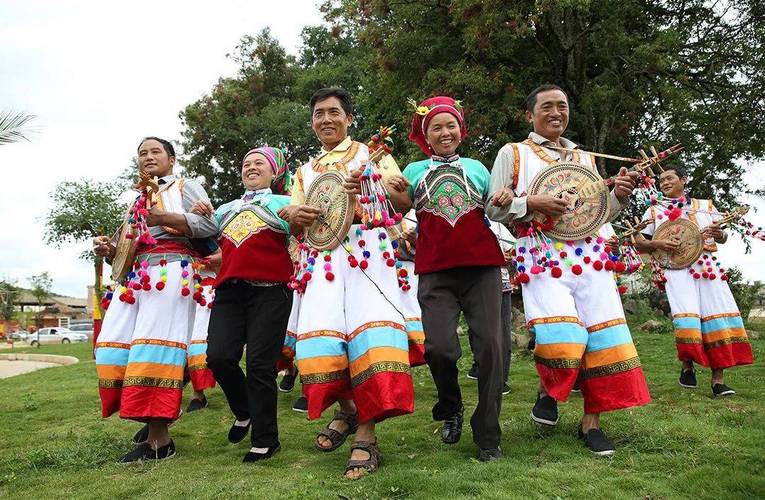
Hekou’s ethnic and cross-border character should be approached with respect. Ask permission before photographing Yao villagers, ceremonies, homes or children.
Do not treat ethnic clothing as a costume without learning how it should be worn. Some garments, jewellery and patterns indicate age, family status or ritual identity.
When visiting villages, follow local guidance concerning sacred forests, ancestral altars and ceremonial spaces.
Travel Tips for Different Visitors
| Traveller Type |
Planning Advice |
| First-time visitor |
Stay near the port and allow two days |
| Family |
Use taxis in town and a private vehicle for rural trips |
| Senior traveller |
Visit from November to February and avoid midday heat |
| Photographer |
Focus on railway heritage, river light and public border-city scenes |
| Food traveller |
Stay near the port, markets and evening food districts |
| Railway enthusiast |
Combine the old station area with the metre-gauge railway corridor |
| Self-driving traveller |
Add Pingbian, Mengzi or Jinping |
| Cross-border traveller |
Confirm visas, re-entry rights and port procedures in advance |
| Muslim traveller |
Verify halal status directly with restaurants; vegetarian and seafood dishes are useful alternatives |
| Student group |
Arrange port, railway and ethnic-culture visits through authorized local partners |
How to Plan a Hekou Tour
For a first visit, travel during the dry season, arrive by train at Hekou North Railway Station and stay near the port. Spend the first day exploring the public border district, old railway heritage and Chinese–Vietnamese food. Use the second day for a tropical nature excursion or a railway-themed village visit.
Travellers with an extra day can explore Yao culture or the county’s mountain areas. Those crossing into Vietnam should treat visas, re-entry permission and port procedures as the first planning priority rather than leaving them until arrival.
Hekou rewards travellers who slow down. Its character is found in the whistle of an old railway, the tropical fruit stalls beside the river, Vietnamese flavours in a Chinese market and the everyday sight of two countries sharing one border landscape.