Festivals are the beating heart of Mile City (弥勒市). As one of the most important centres of Axi Yi culture in Yunnan, many local celebrations are connected with fire: from solemn fire-worship ceremonies and sacred rituals to energetic Torch Festival gatherings accompanied by electronic music.
Mile’s festival calendar also reflects the traditions of its Azhe Yi, Miao, Dai, Hui and Zhuang communities. Folk dancing, creation epics, dragon worship, grape harvesting, food fairs, village markets and modern sporting events create a lively cultural programme throughout the year. Because many traditional festivals follow the Chinese lunar calendar, their Gregorian dates change annually, while commercial festivals and public events may be rescheduled or adjusted.
Spring Festivals in Mile City
Miao Huashan Festival
The Miao Huashan Festival (苗族花山节), also known as Caihuashan or the Flower Mountain Festival, is traditionally celebrated during the first lunar month. Some local communities observe it from the second day of the Lunar New Year, although the exact schedule varies between villages.
The flower pole is the festival’s central symbol. Miao participants wear traditional clothing, play the lusheng, sing antiphonal songs and dance around the pole. Flower-pole climbing is one of the most anticipated activities, and the most skilled participant may be honoured as the “King of the Flower Pole.”
For travellers, the Huashan Festival offers an opportunity to experience Miao clothing, music and community life. Since celebrations may take place in individual villages rather than at a single permanent venue, visitors should confirm the location before travelling.
Azhe Yi Dragon-Worship Festival
The Azhe Yi Dragon-Worship Festival (阿哲人祭龙节) is traditionally held on the first day of the second lunar month. Villages around Xunjiansi Town (巡检司镇) preserve different forms of this ceremony, including communities such as Taowa and Gaodian.
Dragon worship marks the beginning of the spring agricultural season. Participants pray for fertility, favourable weather, healthy livestock and a good harvest. In some local traditions, men wear leaves, grass or other natural materials to represent primordial ancestors or forest spirits.
The ceremony is not simply a public performance. Sacred trees, offerings and ritual spaces may be subject to community restrictions. Travellers should follow the instructions of village elders, avoid touching ceremonial objects and request permission before taking close-up photographs.
Axi Fire-Worship Festival
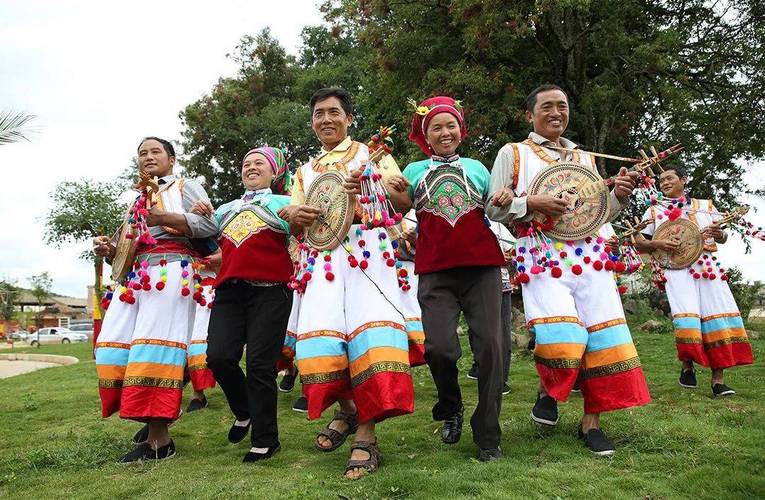
The Axi Fire-Worship Festival (阿细祭火节) is one of Mile’s most significant ethnic celebrations. It is usually held on the third day of the second lunar month, with Hongwan Village (红万村) in Xiyi Town serving as its best-known centre. The tradition is included in Yunnan’s provincial intangible cultural heritage system.
Fire is regarded as a source of life, protection and renewal. The festival generally begins with welcoming songs and Axi Tiaoyue dancing. Under the guidance of a Bimo ritual specialist, villagers produce a new sacred flame using traditional fire-making methods. The flame is then carried into the community, symbolizing the removal of misfortune and the beginning of a peaceful new year.
Visitors may also encounter a long-table banquet laid over pine needles, locally known as a pine-needle feast. As evening falls, villagers and guests gather around bonfires for collective Axi dancing. Although parts of the celebration are open and festive, the central fire ritual should be observed respectfully.
Dashu Longtan Third-Month Festival
The Dashu Longtan “Third Day of the Third Lunar Month” Festival (大树龙潭“三月三”) is generally held between the first and third days of the third lunar month in Dashu Longtan Village.
Activities may include worship of the Dragon King, prayers for rain and agricultural prosperity, local opera, lantern theatre, folk-song exchanges and village food markets. The celebration combines spiritual traditions with community entertainment and provides a less commercial alternative to Mile’s larger scenic-area festivals.
Axi Tiaoyue Dance Festival
The Axi Tiaoyue Dance Festival (阿细跳月节) is associated with the eighth day of the fourth lunar month in some Axi communities. Tiaoyue, literally “Dancing under the Moon,” is the best-known collective dance of the Axi branch of the Yi people.
Accompanied by the large sanxian, bamboo flutes, clapping and rhythmic footwork, the dance is performed during festivals, weddings and major community gatherings. Traditional forms include dances for elders and more energetic variations performed by young people. Historically, Tiaoyue also created an important social space for friendship, courtship and community interaction.
Keyi Town (可邑小镇) in Xisan Town is one of the most accessible places for visitors to experience Axi Tiaoyue, although festival dates and performance programmes vary each year.
Summer Festivals and Harvest Celebrations
Mile Grape Harvest Festival
Mile is widely known as a highland grape-growing region and an important wine-producing area in Yunnan. The Mile Grape Harvest Festival (弥勒葡萄节) is commonly associated with the summer grape season, particularly July and August.
Festival programmes may include vineyard visits, grape picking, wine-culture exhibitions, agricultural markets, folk singing, ethnic dancing and local food experiences. Visitors can learn how Mile’s dry, sunny plateau climate supports grape cultivation and how the industry has influenced contemporary rural tourism.
The Grape Festival is not always organized under the same name or at a single location. Some activities are held in vineyards, wineries, agricultural parks or villages, so the annual public programme should be checked before arrival.
Yi Torch Festival
The Yi Torch Festival (彝族火把节) is one of the most important annual celebrations among the Yi people. It takes place around the twenty-fourth day of the sixth lunar month, normally falling in July or August.
During the daytime, villages prepare communal meals and organize folk performances, markets and traditional sporting activities. After dark, participants light torches, walk through fields and gather around bonfires. The fire traditionally symbolizes protection from misfortune, the removal of pests and hopes for a successful harvest.
Torch Festival customs differ among the Axi, Azhe and other Yi communities. Travellers should therefore regard Mile’s celebrations as a collection of local traditions rather than a single standardized event.
Keyi Electronic Music Torch Festival
The Keyi Electronic Music Torch Festival (可邑小镇电音火把节) is a contemporary extension of the traditional Yi Torch Festival. It is usually held around the twenty-fourth day of the sixth lunar month in Keyi Town.
Daytime activities introduce visitors to Axi welcoming customs, ethnic clothing and the national-level intangible cultural heritage of Axi Tiaoyue. At night, traditional bonfire dancing is combined with performances by local bands and DJs, creating an open-air celebration sometimes described as a “Yi-style outdoor disco.”
Recent programmes have included:
- Axi welcoming ceremonies and Tiaoyue performances
- Bonfire dancing and electronic music
- “Monihei” face-smearing blessings
- Ethnic food and handicraft markets
- Fireworks or stage-lighting displays
- Nighttime visitor shuttle services
Programmes, transport arrangements and performance content vary each year. Accommodation near the city centre and Keyi Town should be reserved early during the festival period.
Aizuo and Aisha Song and Dance Festival
The Aizuo and Aisha Song and Dance Festival (彝族爱佐与爱莎歌舞艺术节) celebrates the culture of the Azhe branch of the Yi people. It is associated with Gaodian and nearby villages in Xunjiansi Town and is often organized in early August.
Aizuo and Aisha is a major Yi creation epic transmitted among Azhe communities in Xunjiansi and Wushan. Festival programmes feature original Azhe songs, communal dancing, ethnic clothing, oral traditions and performances inspired by the epic.
The festival provides a valuable counterpoint to the more widely promoted Axi culture of Mile. Visitors can discover the distinctive clothing, music and ritual traditions of the Azhe people while supporting community-based cultural preservation.
Mile Traditional Food Festival
The Mile Traditional Food Festival (弥勒传统美食节) has traditionally been associated with August and the summer travel season. It showcases Mile’s regional cuisine, tea culture and agricultural products.
Typical experiences may include cooking demonstrations, food exhibitions, local snacks, traditional braised chicken, mutton hotpot, wine products and agricultural markets. Modern food events may be incorporated into larger tourism, grape-harvest or commercial festivals rather than held as a completely separate annual event.
Autumn Arts and Lifestyle Events
Taiping Lake Land Art and Lifestyle Festival
The Taiping Lake Land Art and Lifestyle Festival (太平湖大地艺术生活节) is associated with Taiping Lake International Ecotourism Resort (太平湖国际生态旅游度假区). It is generally organized during favourable flower-viewing or outdoor seasons, often in summer or autumn, rather than on a fixed traditional date.
The festival interprets Mile’s natural landscape through contemporary art, gardens and leisure activities. Visitors may explore large outdoor installations, themed flower fields and the rocky-desertification restoration park. Music performances, family activities and interactive art routes are sometimes added to the programme.
Unlike Mile’s ethnic festivals, this is a modern cultural-tourism event. It is particularly suitable for families, photographers and travellers interested in landscape design, ecological restoration and outdoor art.
Autumn Harvest and Rural Markets
Autumn is also an important season for agricultural tourism. Vineyards, farms and rural communities may organize harvest experiences, produce markets and seasonal food activities. These events are usually small and depend on crop conditions rather than a fixed annual festival calendar.
They provide opportunities to purchase grapes, wine products, fruit, brown sugar, embroidery and locally made foods directly from producers.
Winter and Lunar New Year Events
Lunar New Year Celebrations
During the Lunar New Year, Mile’s major scenic areas and urban cultural spaces organize seasonal programmes that may include lion dancing, dragon dancing, lantern displays, folk performances, temple activities, markets and family entertainment.
Keyi Town often emphasizes Axi music and dance, while urban resorts may present light shows, garden displays and modern stage performances. Jin屏 Mountain may receive larger numbers of visitors because of its Maitreya Buddhist associations.
The Lunar New Year is one of Mile’s busiest travel periods. Hotels, restaurants and transport should be arranged in advance.
Year-Round Sports and Ethnic Cultural Events
Mile continues to develop a “sports plus tourism” programme combining outdoor recreation with ethnic culture. Competitions and public events may incorporate Axi Tiaoyue, Yi wrestling and other traditional sporting elements.
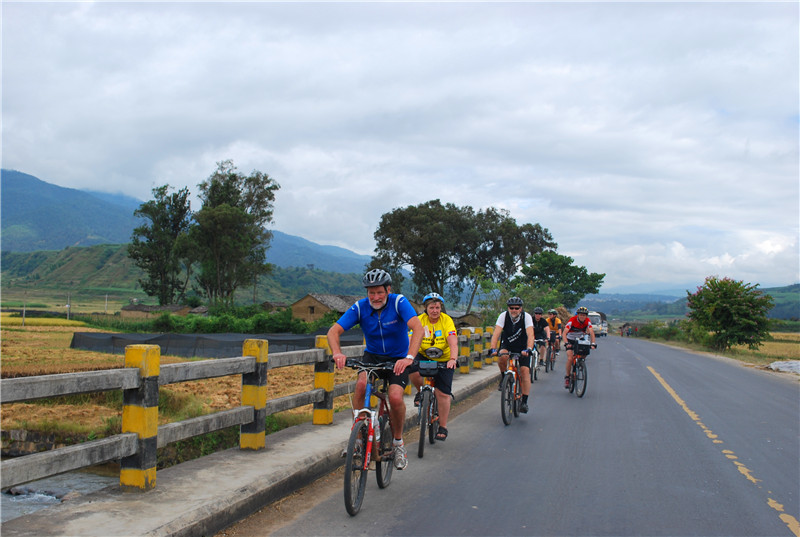
Activities can include running, cycling, basketball, outdoor challenges and community sports festivals. These events do not follow a fixed annual schedule and should be confirmed through the latest local announcements.
Traditional Bullfighting Activities
Bullfighting has a long history in some Yi communities of Yunnan. Activities have traditionally been held during Torch Festival celebrations, Axi cultural gatherings and other important occasions, particularly around Xisan Town.
Travellers should be aware that bullfighting involves animal welfare and personal-safety concerns. Those who choose to attend should remain in designated viewing areas and follow crowd-control instructions. Visitors uncomfortable with animal-related competitions can focus instead on music, dance, handicraft and food programmes.
Ethnic Festival Culture in Mile
Mile’s festivals reflect the cultural diversity of the Yi, Miao, Dai, Hui, Zhuang and other communities. The Axi and Azhe branches of the Yi people have the most visible festival traditions, but they do not represent all minority cultures in the city.
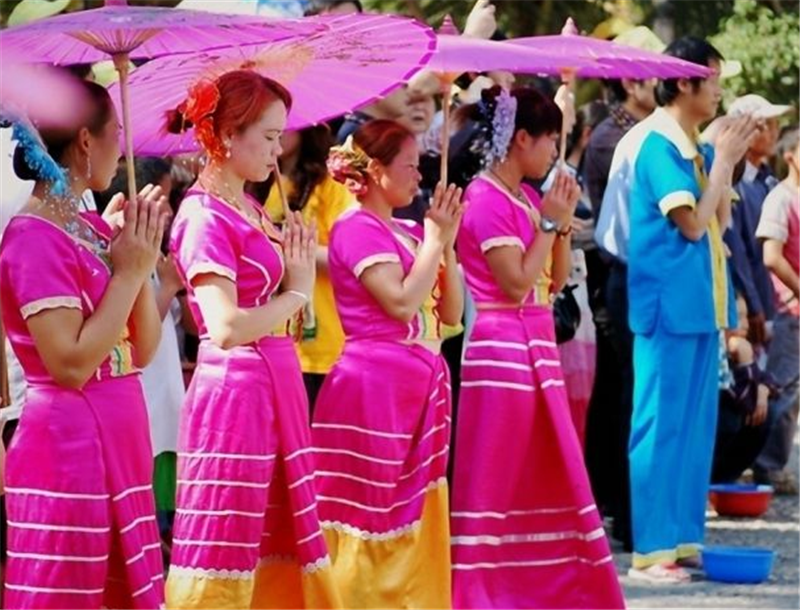
Dai communities may celebrate the Water-Splashing Festival, while Miao villages preserve Huashan customs. Hui communities contribute Islamic festivals and halal culinary traditions, although religious celebrations generally remain centred on the community rather than being promoted as tourism events.
Visitors should distinguish between public cultural festivals and religious or village ceremonies. The latter may contain private elements that are not open to photography or casual participation.
Mile Festival Travel Guide
Choose the Festival by Cultural Interest
For the most traditional Axi ritual experience, visit Hongwan Village during the Fire-Worship Festival on the third day of the second lunar month. Travellers interested in music, bonfires and large-scale public celebrations should consider the Torch Festival in Keyi Town. The Aizuo and Aisha Festival is especially valuable for discovering Azhe culture, while the Grape Harvest Festival combines agriculture, wine and rural tourism.
Confirm Lunar Dates and Annual Programmes
The Gregorian date of a lunar festival changes every year. Public celebrations may also be moved because of weather, fire-safety requirements, transport conditions or community decisions. Confirm the exact date and venue before booking transport.
Transportation and Accommodation
Mile is accessible by high-speed train, and the railway station is connected with the urban area by local transport. Keyi Town, Hongwan Village, Gaodian and other rural festival venues are best reached by private vehicle, organized transfer or festival shuttle.
Accommodation fills quickly during the Torch Festival, Fire-Worship Festival and major holiday periods. Staying in central Mile provides the widest choice of hotels and easier access to restaurants and transport.
Respect Ritual Customs
Ask permission before photographing Bimo priests, village elders, sacred fires or religious ceremonies. Do not cross ritual boundaries, touch offerings or interfere with the distribution of sacred fire. During communal dances, wait for an invitation or follow local participants before joining.
Prepare for Crowds and Mountain Weather
Summer festivals may coincide with rain, while village roads can become slippery. Carry a light raincoat, sun protection and comfortable non-slip shoes. For evening bonfire celebrations, keep a safe distance from flames and follow all fire-control instructions.
Major Festivals and Events in Mile City
| Festival or event |
Usual time |
Main location or community |
Principal activities and cultural highlights |
| Miao Huashan Festival |
First lunar month; dates vary |
Miao communities in Mile |
Flower-pole rituals, lusheng performances, singing, dancing and pole-climbing competitions |
| Azhe Yi Dragon-Worship Festival |
First day of the second lunar month |
Taowa, Gaodian and other Azhe villages around Xunjiansi Town |
Dragon worship, agricultural prayers, sacred-tree rituals and traditional dress |
| Axi Fire-Worship Festival |
Third day of the second lunar month |
Hongwan Village, Xiyi Town |
Traditional fire making, Bimo blessings, distribution of new fire, pine-needle banquet and Axi Tiaoyue |
| Dashu Longtan Third-Month Festival |
First to third days of the third lunar month |
Dashu Longtan Village |
Dragon King worship, folk songs, lantern theatre, local opera, food stalls and village gatherings |
| Axi Tiaoyue Dance Festival |
Eighth day of the fourth lunar month in some communities |
Keyi and other Axi villages |
Large-sanxian music, collective dancing, ethnic clothing and community interaction |
| Mile Grape Harvest Festival |
Usually July or August |
Vineyards, wineries and agricultural areas |
Grape picking, wine culture, folk performances, rural markets and seasonal food |
| Yi Torch Festival |
Around the twenty-fourth day of the sixth lunar month |
Yi villages across Mile |
Torch processions, communal meals, bonfires, dancing and prayers for harvests |
| Keyi Electronic Music Torch Festival |
Around the Yi Torch Festival |
Keyi Town, Xisan Town |
Axi Tiaoyue, electronic music, bonfire dancing, Monihei blessings, markets and evening performances |
| Aizuo and Aisha Song and Dance Festival |
Usually early August; schedule varies |
Gaodian and nearby Azhe communities |
Azhe creation epic, traditional songs, dance, clothing displays and community performances |
| Mile Traditional Food Festival |
Commonly associated with August |
Mile urban area and designated event venues |
Culinary exhibitions, tea culture, local cuisine and agricultural products |
| Traditional Bullfighting Activities |
Usually during major Yi festivals |
Xisan Town and selected Yi communities |
Traditional competitions and festival gatherings |
| Taiping Lake Land Art and Lifestyle Festival |
Usually summer or autumn; no fixed date |
Taiping Lake International Ecotourism Resort |
Land art, flower fields, outdoor music, ecological displays and family activities |
| Lunar New Year Cultural Events |
Lunar New Year period |
Mile city centre and major scenic areas |
Lanterns, folk performances, temple activities, markets and family entertainment |
| Sports and Ethnic Cultural Events |
Held at different times throughout the year |
Mile city centre and surrounding towns |
Running, cycling, basketball and events incorporating ethnic dance or traditional sports |
| Dai Water-Splashing Festival |
Usually in April; local arrangements vary |
Dai communities |
Water-splashing blessings, singing, dancing and community celebrations |
| Hui Religious Festivals |
According to the Islamic calendar |
Hui communities and mosques |
Religious observances, family gatherings and halal food traditions |
Festival Tours with Yaso Trip
Mile’s festivals reveal how ancient ethnic traditions continue to evolve in a modern tourism city. The sacred flame of Hongwan, the sanxian rhythms of Keyi, the Azhe songs of Gaodian and the vineyards of Mile each present a different side of local culture.
A Festival Tour with Yaso Trip can combine the Axi Fire-Worship Festival, Keyi Torch Festival, Azhe cultural events, grape-harvest experiences and Mile’s historic villages with suitable transport, local interpretation and respectful community visits. Whether joining a Tiaoyue dance beside a bonfire or listening to an ancient creation epic in an Yi village, festival travel offers one of the most direct ways to understand the living culture of Mile City.