Lijiang is one of the most distinctive destinations in Yunnan Travel for educational programs, cultural exchange and international student study tours. The city combines a complete local education system with Naxi ethnic culture, world heritage sites, traditional villages, intangible cultural heritage, alpine ecosystems and the cultural landscapes of the Jinsha River region. For overseas students, these resources make it possible to combine classroom-oriented learning with museum visits, field research, heritage workshops, village studies and outdoor environmental education.
With Yaso Trip, an international education and travel program in Lijiang can be designed around the academic interests and age of the group. History and anthropology students can study Naxi society and Dongba traditions, art students can explore ancient murals and traditional crafts, geography and biology students can conduct field observation around Jade Dragon Snow Mountain, while broader cultural programs can combine Lijiang Ancient Town, traditional villages and Lugu Lake.
Lijiang Education Overview
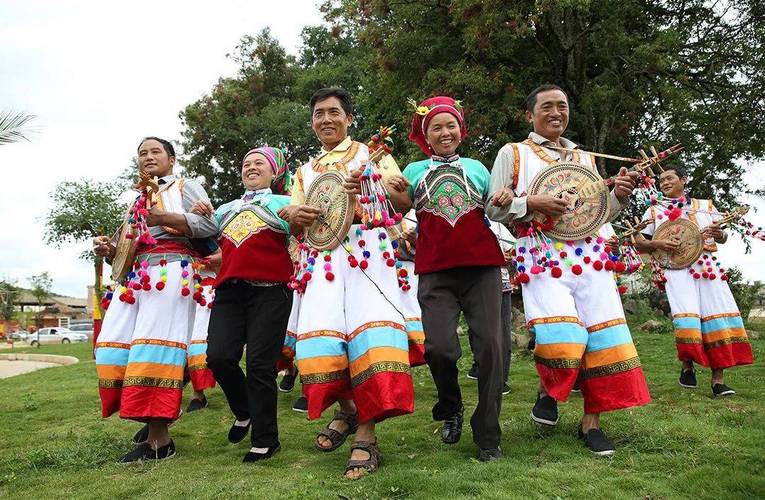
Lijiang City consists of Gucheng District, Yulong Naxi Autonomous County, Yongsheng County, Huaping County and Ninglang Yi Autonomous County. The city has a comprehensive basic education system together with higher education institutions and vocational schools. Because Lijiang is home to several ethnic communities, local schools and educational institutions also incorporate ethnic culture into educational activities. Dongba culture, Baisha Fine Music, traditional Naxi dance and other forms of intangible cultural heritage can be used as valuable resources for cultural education and international study programs.
Education in Gucheng District
Gucheng District is the educational and administrative center of Lijiang, with a relatively concentrated network of primary and secondary schools. Some schools have introduced local cultural programs covering Dongba culture, traditional art and ethnic aesthetics. This makes the district particularly suitable for visitors interested in understanding how traditional culture is introduced into contemporary education.
Education in Yulong Naxi Autonomous County
Yulong Naxi Autonomous County has schools distributed across both urban and rural areas. Schools in the Baisha and Huangshan areas have been associated with programs introducing local intangible cultural heritage into school activities. Baisha Elementary School and Huangshan Primary School, for example, have been connected with educational activities involving Dongba painting and Baisha Fine Music, providing useful reference points for studying local approaches to ethnic cultural education.
Education in Ninglang Yi Autonomous County
Ninglang has a strong Yi and Mosuo cultural identity. Local education combines conventional school subjects with awareness of regional ethnic traditions, languages and customs. For international students, Ninglang can therefore be considered alongside Lugu Lake as a destination for social anthropology, ethnic studies and community-based cultural research.
Education in Yongsheng and Huaping
Yongsheng County and Huaping County have education systems centered on local primary and secondary education, vocational education and county-level schools. Their educational resources can be incorporated into broader programs examining rural development, local communities, vocational education and regional cultural traditions.
Higher and Vocational Education
Lijiang Teachers College is one of the city's important higher-education institutions and has links with education, ethnic culture and regional research. Lijiang's higher-education and vocational institutions can provide opportunities for academic exchange, student discussions and themed visits when arrangements are made in advance.
For international study groups, however, a school visit does not necessarily mean joining ordinary classes. Overseas groups generally obtain a more practical learning experience through cooperation with museums, cultural institutions, heritage centers, universities, vocational institutions, village communities and recognized cultural practitioners.
Notable Schools and Educational Institutions in Lijiang
The following institutions represent different levels of Lijiang's education system and can be useful references when planning education-related research or cultural exchange.
Higher Education and Vocational Institutions
Lijiang Teachers College |
丽江师范高等专科学校 |
Higher education, teacher training and regional cultural studies |
Tourism and Culture College of Yunnan University |
云南大学旅游文化学院 |
Tourism, culture and higher education |
Yunnan Academy of Social Sciences (Lijiang Branch) |
云南省社会科学院(丽江分院) |
Social sciences and regional research |
Lijiang Administrative College |
丽江市行政学院 |
Public administration and professional training |
Vocational High School in Gucheng District |
古城区职业高级中学 |
Vocational secondary education |
Lijiang Traffic Vocational and Technical School |
丽江市交通职业技术学校 |
Transportation and technical education |
Lijiang Bona Vocational Training School |
丽江博纳职业培训学校 |
Vocational and professional training |
|
Secondary Schools
Lijiang No. 1 Senior High School |
丽江市第一高级中学 |
Gucheng District |
Lijiang No. 1 Middle School |
丽江古城一中 |
Gucheng District |
Yulong No. 1 Middle School |
玉龙县第一中学 |
Yulong County |
Ninglang No. 1 Middle School |
宁蒗县第一中学 |
Ninglang County |
Huaping No. 1 Middle School |
华坪县第一中学 |
Huaping County |
Yongsheng No. 1 Middle School |
永胜一中 |
Yongsheng County |
Gucheng Ethnic Middle School |
古城区民族中学 |
Gucheng District |
Dayan Middle School |
大研中学 |
Gucheng District |
Baisha Middle School |
白沙中学 |
Yulong County |
Daju Middle School |
大具中学 |
Yulong County |
Lijiang Experimental School |
丽江市实验学校 |
Gucheng District |
|
Primary Schools
Notable primary schools include Dayan Central Primary School, Huangshan Primary School, Baisha Elementary School, Wenhai Elementary School, Daju Elementary School, Nanyao Elementary School, Wenhui Hope Primary School, Bailongtan Primary School, Xiangyun Primary School, Ruji Primary School, Hedong Primary School, Labi Primary School, Xingyi Primary School, Liude Township Central School, Runan Primary School and Wutai Hope Primary School.
Among these, Baisha Elementary School is particularly relevant to international cultural-education programs because of the connection between the surrounding community, Naxi heritage and school-based cultural activities.
International Study Tour Resources in Lijiang
Lijiang is especially well suited to international student study tours because its educational resources extend beyond conventional schools. Students can learn through heritage sites, museums, traditional villages, cultural workshops and environmental fieldwork.
The city's most important study-tour resources can be organized into four broad themes: world heritage and cultural history, intangible cultural heritage, ethnic villages and community studies, and natural geography and ecological fieldwork.
World Heritage and Museum-Based Learning
Lijiang's cultural resources include Old Town of Lijiang, a World Cultural Heritage site, the broader natural heritage of Three Parallel Rivers, and the Dongba ancient manuscripts, which are associated with the UNESCO Memory of the World program.
Dongba Culture Research Institute and its manuscript-related collections are particularly valuable for students studying anthropology, ethnology, ancient writing systems, manuscript preservation and indigenous knowledge. A properly arranged visit can introduce students to Dongba manuscripts, preservation methods, digitization and the continuing role of Dongba cultural traditions.
Mufu Palace Museum provides another perspective, focusing on Naxi history, local political history, traditional architecture and the development of Lijiang's historic urban landscape.
Shuhe Ancient Town Tea Horse Road Museum can be used for study of the Tea Horse Road, historical trade networks, caravan culture and cross-cultural exchange between Yunnan and neighboring regions.
Baisha Dongba Culture and Arts Museum is especially suitable for programs focusing on Dongba writing, Dongba painting, traditional paper-making and visual culture.
Black Dragon Pool Dongba Culture Museum can also complement a broader Dongba culture and heritage program.
Intangible Cultural Heritage and Living Traditions
One of Lijiang's strongest educational advantages is that many traditions are not limited to museum displays. Students can encounter living cultural practices through workshops, performances, community visits and demonstrations by experienced practitioners.
Dongba Writing, Painting and Paper-Making
Naxi Dongba script, Dongba painting and Dongba paper-making provide excellent subjects for international students interested in writing systems, visual anthropology, traditional technology and indigenous knowledge. Depending on availability, students can observe demonstrations, practice basic Dongba characters and learn about the production and preservation of traditional paper.
Baisha Fine Music and Traditional Performing Arts
Naxi Baisha Fine Music provides an opportunity to study traditional Naxi instrumental music and the transmission of musical heritage. Other traditional performing arts, including Reba dance and Leba dance, can be incorporated into cultural workshops or performances where suitable arrangements are available.
Traditional Crafts
Traditional craft activities can include Naxi copperware production, Wamao pottery, Dongba paper-making and Dongba painting. These activities work particularly well for school groups because they turn abstract cultural concepts into hands-on learning.
Naxi and Mosuo Cultural Studies
The Sanduo Festival and other Naxi traditions offer opportunities to study local belief systems, community identity and seasonal cultural practices.
Around Lugu Lake, students can explore Mosuo society, family structures, traditional livelihoods, architecture and community customs. Such programs should be presented carefully and respectfully rather than reducing the Mosuo community to a single cultural label or tourist spectacle.
Traditional Villages for Field Research
Yuhu Village
Yuhu Village is a traditional Naxi settlement at the foot of Jade Dragon Snow Mountain. Its stone houses, village landscape, relationship with the mountain and local religious traditions make it suitable for field studies in architecture, anthropology, geography and community development.
A carefully organized village visit can include observation of traditional residential architecture, community life, local beliefs and family-based cultural interpretation.
Baisha Ancient Town
Baisha Ancient Town is one of the most important places for studying Naxi history and traditional culture. Students can examine Baisha Murals, historic architecture, Dongba traditions and traditional crafts while learning how heritage sites function as both living communities and tourism destinations.
Shuhe Ancient Town
Shuhe Ancient Town provides a strong case study for the Tea Horse Road, caravan trade, historic marketplaces and the transformation of traditional commercial settlements under modern tourism.
Stone Town of Baoshan
Baoshan Stone Town offers a different type of fieldwork opportunity. Built on steep terrain above the Jinsha River, it allows students to study mountain settlements, traditional architecture, land use and the relationship between human communities and difficult natural environments.
Mosuo Villages Around Lugu Lake
Villages around Lugu Lake can support carefully designed research into Mosuo social organization, traditional houses, livelihoods, community customs and the interaction between cultural preservation and tourism development.
Natural Geography and Environmental Study
Lijiang's natural environment creates another major dimension of international study travel.
Jade Dragon Snow Mountain
Jade Dragon Snow Mountain provides a natural laboratory for studying high-altitude ecosystems, vertical vegetation zones, alpine landscapes, glaciers and changes in environmental conditions with elevation.
Students studying geography, biology, environmental science or earth sciences can use the mountain environment to observe how vegetation and climate vary along an elevation gradient.
Because some areas exceed 3,000 meters above sea level, high-altitude planning is essential. Study groups should avoid scheduling demanding high-altitude activities immediately after arriving in Lijiang.
Tiger Leaping Gorge
Tiger Leaping Gorge provides a dramatic field environment for geological and geographical observation. The gorge, shaped by the Jinsha River within a mountainous landscape, can support lessons on river erosion, geological structure, mountain formation and human adaptation to steep terrain.
First Bend of the Yangtze River
The First Bend of the Yangtze River near Shigu Town provides a useful case study for river geography, landscape formation and the development of settlements along major waterways.
Lashihai Wetland
Lashihai Wetland is suitable for environmental education, wetland ecology, bird observation and biodiversity studies. It can be incorporated into programs dealing with habitat protection, migratory birds and the relationship between tourism and wetland conservation.
Lijiang International Student Study Tour Programs
With Yaso Trip, the program can be adapted according to the age, academic background and research interests of the group. A cultural exchange program may focus mainly on heritage and community visits, while university groups can combine field research, academic discussions and environmental observation.
One-Day Intangible Heritage Study Tour
A compact program can follow Dongba Culture Research Institute → Baisha Ancient Town → Baisha Dongba Culture and Arts Museum.
Students can learn about Dongba manuscripts and cultural preservation, examine Baisha's historic murals and architecture, and participate in a traditional craft activity such as Dongba writing or paper-making when a qualified workshop is available. This format works well for short-term university visits, school exchange groups and students with limited time in Lijiang.
Three- to Four-Day Standard International Study Tour
Day 1: Explore Lijiang Ancient Town and Mufu Palace, focusing on historic urban planning, architecture, heritage preservation and the development of commercial culture along the Tea Horse Road.
Day 2: Visit Shuhe Ancient Town and its Tea Horse Road heritage resources before continuing to Baisha Ancient Town for mural studies and an intangible-cultural-heritage workshop.
Day 3: Conduct a natural-science field study around Jade Dragon Snow Mountain, using the landscape to examine elevation, vegetation, alpine ecology and mountain environments.
Day 4: Visit Yuhu Village for a community-based study of Naxi architecture, village life and traditional beliefs before departure.
Five- to Six-Day Multidisciplinary Study Tour
Day 1: Study heritage conservation and historic urban development in Lijiang Ancient Town and Mufu Palace.
Day 2: Attend an academic exchange or cultural session at the Dongba research institution, study Dongba manuscripts and then explore the Tea Horse Road heritage of Shuhe.
Day 3: Conduct natural-environment fieldwork around Jade Dragon Snow Mountain, followed by a visit to Yuhu Village to examine Naxi mountain beliefs and traditional settlement patterns.
Day 4: Travel to Shigu Town to study the First Bend of the Yangtze River and Jinsha River landscapes. A historical component can be incorporated through a visit related to the Long March and Lijiang's modern history.
Day 5: Conduct a guided field walk at Tiger Leaping Gorge, focusing on geology, geomorphology, river processes and mountain environments.
Day 6: For groups with sufficient time, continue to Lugu Lake for a Mosuo cultural study, followed by an academic presentation or group discussion on the themes explored during the trip.
Lijiang Study Tour Resource Guide
World Heritage and Manuscript Studies |
Dongba Culture Research Institute |
Dongba manuscripts, cultural preservation, digitization |
Anthropology, ethnology, manuscript studies |
History and Architecture |
Mufu Palace Museum |
Naxi history, architecture and local political history |
History, architecture, heritage studies |
Trade and Cultural Exchange |
Shuhe Ancient Town Tea Horse Road Museum |
Caravan trade and historical commerce |
Economic history, cultural exchange |
Intangible Heritage |
Baisha Dongba Culture and Arts Museum |
Dongba writing, paper-making and painting |
Traditional crafts, art history |
Historic Art and Crafts |
Baisha Ancient Town |
Baisha Murals, traditional crafts and architecture |
Art history, cultural heritage |
Village Anthropology |
Yuhu Village |
Naxi houses, mountain beliefs and community life |
Anthropology, architecture |
Mountain Settlement Studies |
Baoshan Stone Town |
Cliff settlements and human adaptation |
Geography, architecture, anthropology |
Ethnic Culture |
Mosuo Villages around Lugu Lake |
Social organization, customs and traditional life |
Anthropology, sociology |
Alpine Ecology |
Jade Dragon Snow Mountain |
Vertical vegetation, glaciers and high-altitude ecology |
Geography, biology, environmental science |
Geological Fieldwork |
Tiger Leaping Gorge |
Gorge formation, river erosion and geology |
Geology, geomorphology |
River Geography |
First Bend of the Yangtze River |
River landscapes and settlement geography |
Physical geography |
Wetland Ecology |
Lashihai Wetland |
Wetland habitats, birds and biodiversity |
Biology, conservation |
|
Practical Guide for International Student Groups
School Visits and Academic Arrangements
International groups should distinguish between a school exchange visit and a conventional tourist attraction. Public primary and secondary schools generally do not operate as drop-in destinations for overseas groups. If a school exchange is required, arrangements should be made in advance through the relevant educational institution or an authorized local partner.
For many study-tour groups, museums, universities, vocational schools, heritage centers, community projects and workshops led by cultural practitioners provide a more reliable educational format.
Advance Reservations
Museum programs, specialist heritage workshops, academic meetings and cultural-practitioner sessions should be arranged before arrival. Popular attractions and major cable-car services around Jade Dragon Snow Mountain can also require advance booking, particularly during busy travel periods.
Altitude Planning
Altitude is an important consideration for Lijiang study tours. Jade Dragon Snow Mountain and some nearby villages are located at elevations above 3,000 meters. Students should have sufficient time to adapt, remain hydrated and avoid scheduling strenuous high-altitude activities immediately after arrival.
Cultural Etiquette
Village visits should be organized around respect for local communities. Students should ask before photographing residents, homes or private activities. Traditional ceremonies and religious practices should not be treated as performances for visitors, and photography should only take place when permission has been given.
Best Seasons for Study Tours
March to May and September to November generally offer comfortable conditions for combining outdoor fieldwork with cultural activities. Summer can provide opportunities to observe seasonal festivals such as the Torch Festival, while winter is well suited to historic-town, museum and indoor cultural programs, although cold temperatures can limit some outdoor research activities.
Lijiang Education Study Tour Planning with Yaso Trip
The strongest Lijiang Education Tour is not simply a school visit. The destination works better as an integrated learning environment in which students move between heritage sites, museums, universities, traditional communities and natural landscapes.
A group studying anthropology might combine Dongba manuscripts, Baisha, Yuhu Village and Mosuo cultural research. An art program could focus on Baisha Murals, Dongba painting, traditional paper and copperware. Geography and environmental-science students could combine Jade Dragon Snow Mountain, Lashihai Wetland, the First Bend of the Yangtze River and Tiger Leaping Gorge. Younger students can follow a lighter program centered on traditional crafts, architecture, music and community storytelling.
This combination gives international students an opportunity to experience Lijiang beyond sightseeing. They can examine how heritage is preserved, how ethnic traditions are transmitted between generations, how mountain communities adapt to their environment and how tourism interacts with cultural and ecological resources.
For overseas schools, universities and educational organizations, Yaso Trip can build the itinerary around the group's academic theme, student age, available time and preferred balance between classroom-style exchange, cultural immersion and outdoor fieldwork. Other Yunnan-themed programs can also be incorporated when appropriate, including Yunnan Festival Tours, Yunnan Food Tours and Yunnan Muslim Tours, creating a broader educational journey through the province.
Through the excellent education tours, children can get the opportunities to broaden their horizons, exercise their will, learn good habits, etc. At present, there are all kinds of education tours in Lijiang. Naxi Minority Tour is a highlight of education tours in Lijiang. What's more, Lijiang is the best place to visit the historical and cultural sites due to the profound history. Hence, it is a good place to take a Lijiang Education Tour, which can make students to experience the Naxi Culture, such as Dongba Painting, Dongba Scriptures.
The Recommended Tours: