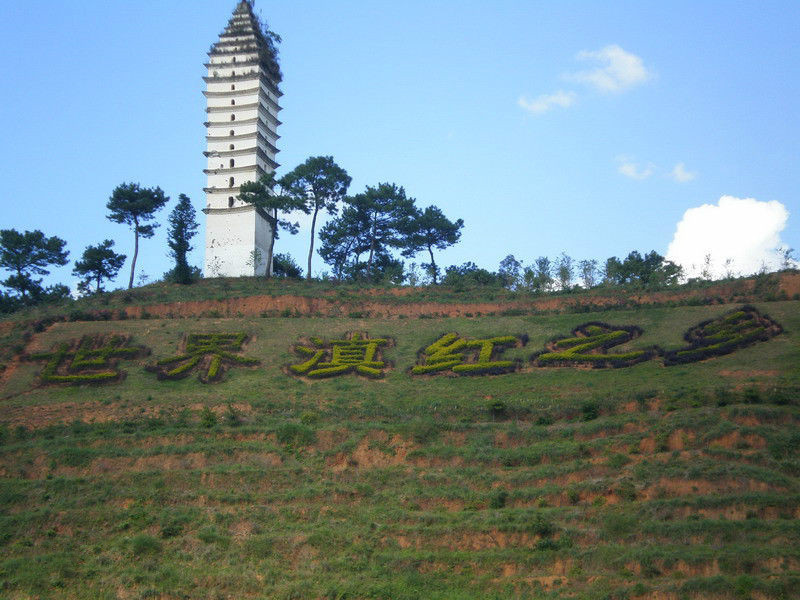
Fengqing County(凤庆县) is located in the central part of Lincang City, Yunnan Province. Known as the “Hometown of Dianhong Black Tea”, the county has developed a unique tourism pattern based on tea culture, ancient villages, ethnic traditions, mountain landscapes and rural experiences. Its administrative divisions are closely connected with local tourism resources, creating a diversified travel map featuring tea gardens in the east, ancient towns along the Tea Horse Road, ethnic villages in the mountainous areas, and ecological landscapes along the Lancang River.
Fengqing County is composed of 13 township-level administrative divisions, including 8 towns and 5 townships. The county government is located in Fengshan Town(凤山镇), which serves as the political, economic and cultural center. The county has numerous traditional villages, ethnic settlements and historical communities, with tourism resources distributed across different towns and villages.
The western and northern mountainous areas preserve rich traditional cultures and ancient village landscapes, while the southern and eastern areas are known for tea production, agricultural landscapes and ecological tourism. Different townships have developed their own tourism characteristics, forming a comprehensive destination combining tea tourism, cultural tourism, ecological tourism and rural tourism.
Administrative Divisions and Tourism Features by Township
Fengshan Town(凤山镇): The Core Area of Dianhong Tea Culture
Fengshan Town is the county seat and the most important cultural and tourism service center of Fengqing. The town is closely associated with Dianhong tea culture and modern tourism facilities.
The famous Anshi Village(安石村) is known as the “First Village of Dianhong Tea”. Visitors can experience tea gardens, traditional tea-making techniques and tea culture exhibitions. The area has developed tea tourism projects integrating sightseeing, tea tasting, cultural experiences and rural leisure.
Main tourism resources include Dianhong tea culture, tea gardens, traditional villages, county cultural facilities and urban leisure areas.
Lushi Town(鲁史镇): Ancient Tea Horse Road Cultural Town
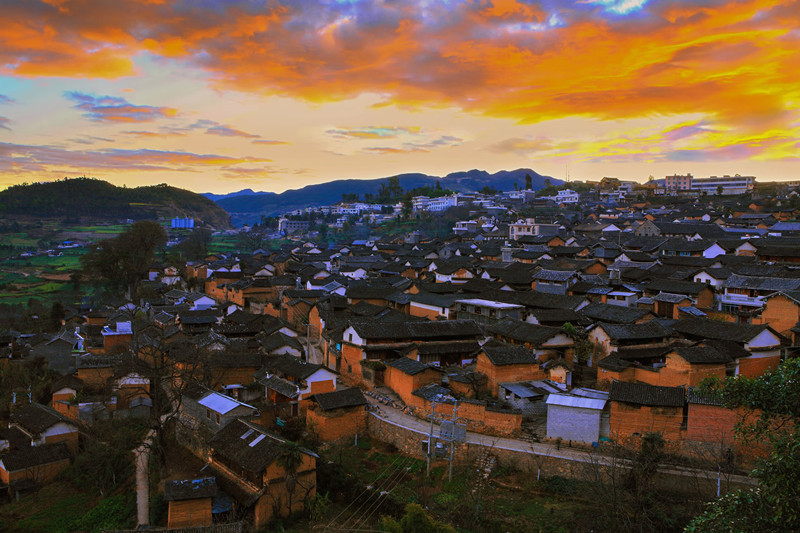
Lushi Town is one of the most historically significant areas in Fengqing. Located along the ancient Tea Horse Road, it preserves traditional streets, old houses and historical commercial structures.
Lushi Ancient Town(鲁史古镇) is regarded as an important cultural landmark of western Yunnan. The ancient stone streets, horse caravan traces and traditional residences reflect the prosperity of tea trade in previous centuries.
The town is suitable for visitors interested in history, architecture, traditional commerce and ancient road culture.
Xiaowan Town(小湾镇): Ancient Tea Tree and Ecological Tourism Area
Xiaowan Town is famous for ancient tea resources and ecological landscapes. The area contains the renowned Jinxiu Tea Tree(锦秀茶尊), an ancient tea tree with thousands of years of history.
The town combines ancient tea tree protection, tea culture experiences and mountain ecological tourism. It is an important destination for travelers interested in tea origins and traditional agricultural culture.
Mengyou Town(勐佑镇): Agricultural Tourism and Rural Experience Area
Mengyou Town has developed tourism based on agricultural landscapes, seasonal flowers and rural activities.
The town is known for flower fields, farming experiences, traditional pottery culture and countryside tourism. Visitors can experience rural life, local food, agricultural landscapes and traditional handicrafts.
Sanchahu Town(三岔河镇): Ancient Tea and Mountain Tourism Area
Sanchahu Town focuses on ancient tea resources and mountain village tourism. The area has developed tea-based tourism experiences combining tea gardens, ecological landscapes and rural accommodation.
The township is suitable for travelers seeking quiet mountain scenery and authentic countryside experiences.
Yingpan Town(营盘镇): Southern Mountain Township
Yingpan Town is an important southern township of Fengqing County. Its tourism resources mainly include mountain landscapes, rural scenery, agricultural products and traditional village culture.
The township provides access to surrounding mountain areas and serves as a gateway for exploring rural Fengqing.
Xueshan Town(雪山镇): Mountain Ecological Tourism Area
Xueshan Town is located in the western mountainous region of Fengqing. The area features forests, mountains, traditional villages and agricultural landscapes.
It is suitable for visitors interested in hiking, ecological sightseeing and rural exploration.
Luodang Town(洛党镇): Eastern Rural Tourism Area
Luodang Town is an important eastern township with rich agricultural resources and traditional village landscapes.
The area mainly focuses on rural tourism, ecological agriculture and local cultural experiences.
Township Areas and Ethnic Tourism Resources
Shili Township(诗礼乡): Traditional Villages and Agricultural Heritage
Shili Township is famous for traditional rural landscapes and ancient villages.
Gumo Village(古墨村) preserves traditional farming culture, ancient walnut forests and historic water mills. It represents the traditional ecological lifestyle of western Yunnan villages.
Dasi Township(大寺乡): Northern Mountain Village Area
Dasi Township is located in the northern part of Fengqing. The area features mountain scenery, traditional settlements and agricultural landscapes.
It is suitable for travelers looking for peaceful countryside environments.
Xinhuatown Yi and Miao Ethnic Township(新华彝族苗族乡): Ethnic Culture Experience Area
Xinhuatown Yi and Miao Ethnic Township is one of the most important ethnic cultural areas in Fengqing.
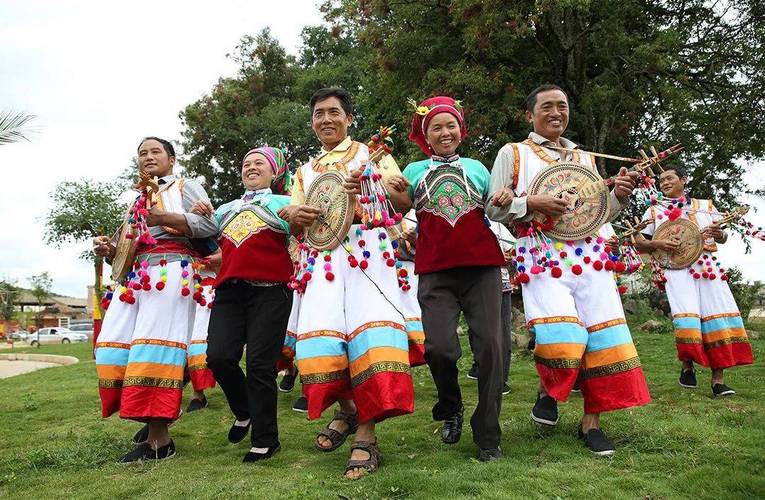
The township is home to Yi and Miao communities, preserving traditional costumes, festivals, handicrafts and folk customs. It is also known for Lancang River ecological tourism and ethnic village experiences.
Yaojie Yi Ethnic Township(腰街彝族乡): Yi Culture Area
Yaojie Yi Ethnic Township is an important Yi cultural settlement.
The area preserves Yi traditions, folk festivals, traditional songs and dances. Visitors can experience local ethnic culture through village visits and festival activities.
Guodazhai Yi and Bai Ethnic Township(郭大寨彝族白族乡): Multi-Ethnic Cultural Area
Guodazhai Yi and Bai Ethnic Township is inhabited mainly by Yi and Bai communities.
The township retains traditional ethnic customs, village structures and cultural activities. It is an important destination for experiencing minority culture in Fengqing.
Fengqing County Administrative Division Table: Townships and Villages
| Administrative Division |
Main Villages and Communities |
Tourism Features |
| Fengshan Town(凤山镇) |
Longquan Community, Fengshan Community, Wenming Community, Dongcheng Community, Dianhong Community, Shunhe Community; Anshi Village, Dongbian Village, Qingshu Village, Hongtang Village, Jingzhulin Village and others |
Dianhong tea culture, Anshi Village tea tourism, county cultural center |
| Lushi Town(鲁史镇) |
Lushi Village, Baohua Village, Yongfa Village, Tuanjie Village and other villages |
Lushi Ancient Town, Tea Horse Road culture, traditional architecture |
| Xiaowan Town(小湾镇) |
Xiaowan Village, Jinxiu Village, Huafeng Village, Majie Village and other villages |
Ancient tea trees, ecological tourism, tea culture |
| Yingpan Town(营盘镇) |
Yingpan Village, Danaiba Village, Jingxing Village, Hefei Village, Mengtong Village and other villages |
Mountain agriculture, rural landscapes |
| Mengyou Town(勐佑镇) |
Mengyou Village, Zhonghe Village, Xinzhai Village, Xiqian Village, Lida Village and other villages |
Flower fields, agricultural tourism, pottery culture |
| Sanchahu Town(三岔河镇) |
Xuehua Village, Guanghua Village, Baimu Village, Shantoutian Village and other villages |
Ancient tea resources, mountain tourism |
| Xueshan Town(雪山镇) |
Xingjie Village, Lima Village, Wangjiazhai Village and other villages |
Mountain scenery, ecological tourism |
| Luodang Town(洛党镇) |
Luodang Village, Baiyun Village, Luming Village, Daxing Village and other villages |
Rural tourism, agricultural landscapes |
| Shili Township(诗礼乡) |
Shili Village, Gumo Village and other villages |
Traditional villages, ancient walnut forests, water mills |
| Dasi Township(大寺乡) |
Dasi Village, Pinghe Village, Lushan Village and other villages |
Mountain villages, rural scenery |
| Xinhuatown Yi and Miao Ethnic Township(新华彝族苗族乡) |
Xinhua Village, Fengyun Village, Shamao Village and other villages |
Miao and Yi culture, ethnic villages, Lancang River tourism |
| Yaojie Yi Ethnic Township(腰街彝族乡) |
Yaojie Village, Kaiming Village, Fuxing Village and other villages |
Yi culture, ethnic festivals |
| Guodazhai Yi and Bai Ethnic Township(郭大寨彝族白族乡) |
Guodazhai Village, Tuanshan Village and other villages |
Yi and Bai culture, traditional festivals |
Fengqing County Administrative Tourism
Fengqing County’s administrative divisions create a diverse tourism structure. Fengshan Town provides the cultural and tourism service center with Dianhong tea experiences. Lushi Town preserves the historical memory of the Tea Horse Road. Xiaowan Town represents ancient tea culture and ecological landscapes. Xinhuatown, Yaojie and Guodazhai highlight ethnic minority traditions and village culture. Shili Township and other mountainous areas preserve traditional villages and agricultural heritage.
Travelers exploring Fengqing can combine tea culture, ancient towns, ethnic villages, traditional villages and ecological landscapes to experience a complete picture of western Yunnan’s history, culture and rural life.