Fengqing County(凤庆县)has developed a relatively complete education system covering preschool education, compulsory education, secondary education, vocational education, and continuing education. As an important county in northwest Lincang, Fengqing has continuously improved educational infrastructure and teaching quality while integrating local cultural resources into educational development.
The county has established a comprehensive education network with schools distributed across Fengshan Town, Lushi Town, Xiaowan Town, Mengyou Town, Xueshan Town, and other townships. By combining modern education with local cultural advantages, Fengqing has gradually developed new educational tourism resources based on tea culture, traditional crafts, ethnic culture, and ecological learning.
In recent years, Fengqing has emphasized the integration of education + culture + tourism, creating opportunities for students, researchers, and international visitors to explore traditional Chinese agriculture, tea-making techniques, ethnic heritage, and rural development models.
Famous Schools and Educational Institutions in Fengqing County
Fengqing’s major educational institutions are mainly concentrated in the county seat Fengshan Town(凤山镇), which serves as the educational and administrative center of the county.
| School |
Type |
Location |
Features |
| Fengqing No.1 High School(凤庆县第一中学) |
Secondary School |
Fengshan Town(凤山镇) |
One of the most influential high schools in the county with a long educational history |
| Fengqing No.2 High School(凤庆县第二中学) |
Secondary School |
Fengshan Town(凤山镇) |
A county-level key secondary school |
| Fengqing No.3 Complete High School(凤庆县第三完全中学) |
Secondary School |
Fengshan Town(凤山镇) |
Provides integrated junior and senior high school education |
| Fengqing Vocational Education Center(凤庆县职业教育中心) |
Vocational Education |
Fengshan Town(凤山镇) |
Focuses on vocational training, skills education, and industry cooperation |
| Fengqing No.1 Primary School(凤庆县第一完全小学) |
Primary School |
Fengshan Town(凤山镇) |
A historic local primary school |
| Lushi Middle School(鲁史中学) |
Secondary School |
Lushi Town(鲁史镇) |
Located near the historic Tea Horse Road area and suitable for cultural exchange activities |
Besides these schools, each township has local primary and secondary education facilities, ensuring educational access throughout Fengqing County.
International Study Tour Resources in Fengqing County
Fengqing is especially suitable for international study tours because of its unique combination of Dianhong black tea culture, Tea Horse Road history, ethnic traditions, agricultural experiences, and intangible cultural heritage.
The county’s study tour resources can be summarized as “one tea leaf connecting multiple cultures.” Students can learn about agricultural science, traditional craftsmanship, ecological protection, and ethnic diversity through immersive experiences.
Dianhong Black Tea Culture Study Tour
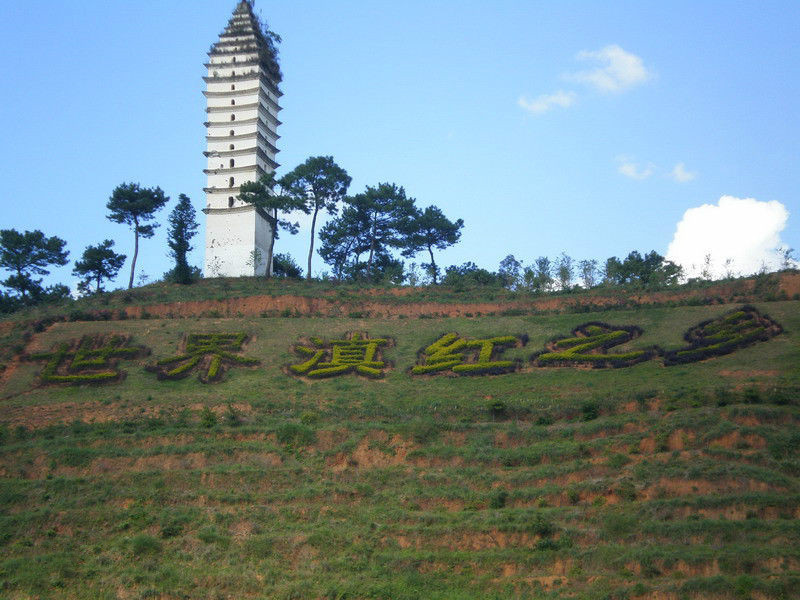
Fengqing is internationally known as the birthplace of Dianhong black tea, and tea culture is the most important educational tourism resource in the county.
Dianhong Tea Museum(滇红茶博物馆)
Located in Fengshan Town(凤山镇), the museum introduces the history, production techniques, and cultural significance of Dianhong black tea. It provides an ideal learning environment for international students to understand Chinese tea civilization.
Study activities include learning about tea history, observing traditional tea-making equipment, understanding tea processing methods, and participating in tea tasting experiences. Through interactive programs, visitors can discover how fresh tea leaves become finished tea products.
Anshi Village(安石村) – Dianhong First Village
Anshi Village(安石村)is one of the most representative tea culture study destinations in Fengqing. It combines tea plantations, rural tourism, traditional villages, and cultural experiences.
International students can participate in tea picking, tea processing, tea tasting, and rural lifestyle experiences. The village provides opportunities to understand modern rural revitalization and how traditional industries can develop through tourism.
Qiongying Village(琼英村) Tea and Ecology Study Area
Located in Guodazhai Yi and Bai Township(郭大寨彝族白族乡), Qiongying Village(琼英村)features high-altitude ecological tea gardens and unique natural landscapes.
Students can explore tea cultivation, sustainable agriculture, local biodiversity, and rural development. The combination of tea gardens and karst landscapes creates an excellent outdoor classroom.
Intangible Cultural Heritage Study Tour Resources
Fengqing has a rich intangible cultural heritage system, including tea-making skills, traditional music, handicrafts, food production, and ethnic customs.
Dianhong Tea Making Technique
The traditional production technique of Dianhong black tea is the most internationally recognized cultural resource in Fengqing. Students can learn about tea planting, harvesting, processing, fermentation, drying, and tasting.
This program is suitable for agricultural education, cultural studies, food science, and environmental education.
Fengqing Opera Culture
Fengqing Opera(凤庆滇剧)is a traditional local performing art. Visitors can experience Chinese traditional drama, understand local storytelling methods, and explore the relationship between performing arts and regional culture.
Traditional Handicrafts and Folk Skills
Fengqing preserves many traditional crafts, including:
- Miao embroidery and textile techniques
- Traditional ethnic clothing production
- Local wine-making skills
- Traditional food-making techniques
- Ancient village construction methods
These activities provide international students with opportunities for hands-on cultural learning.
Ethnic Culture Study Tour Resources
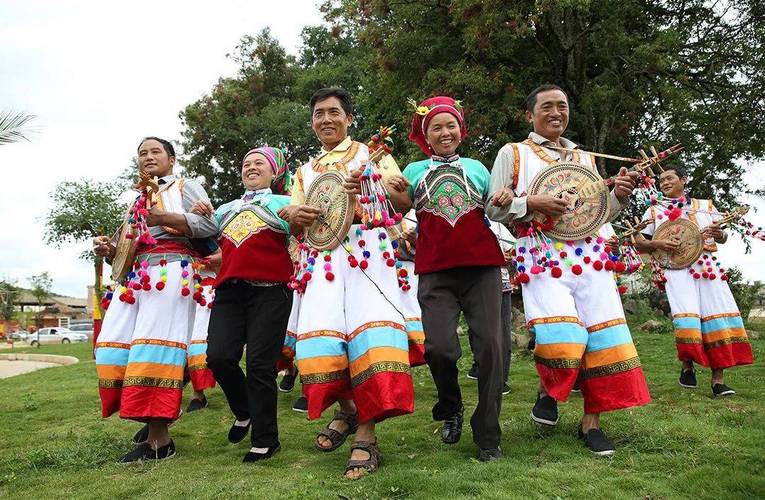
Fengqing is home to many ethnic groups, including Han, Yi, Miao, Bai, Hui, Dai, Wa, Lisu, and other communities. The multicultural environment provides valuable resources for anthropology, sociology, art, and cultural exchange programs.
Zijing Village(紫薇村) Miao Culture Experience
Zijing Village(紫薇村)in Xinhua Yi and Miao Township(新华彝族苗族乡)is known for its Miao cultural traditions.
Visitors can learn about Miao clothing, embroidery, textile techniques, traditional songs, and local customs. It is suitable for international cultural exchange programs focusing on ethnic diversity and traditional craftsmanship.
Yi Xiangtang Culture Experience
The Yi Xiangtang people in Yaojie Yi Township(腰街彝族乡)preserve traditional music, dances, embroidery, and folk customs.
Students can participate in cultural demonstrations and learn about the relationship between ethnic traditions, agriculture, and community life.
Lushi Ancient Town(鲁史古镇) Historical Culture Study
Lushi Ancient Town(鲁史古镇)is an important historical settlement along the Tea Horse Road. It provides opportunities to study ancient trade routes, traditional architecture, migration history, and regional economic exchanges.
The town is particularly suitable for history, architecture, and cultural heritage research programs.
Recommended International Study Tour Programs
Dianhong Tea Culture Research Program
This program focuses on tea agriculture, traditional production, and cultural heritage.
Recommended route:
Dianhong Tea Museum(滇红茶博物馆) → Anshi Village(安石村) → Qiongying Village(琼英村)
Suitable for students interested in agriculture, food science, Chinese culture, and sustainable development.
Ethnic Culture and Traditional Craft Program
This program explores ethnic communities and traditional skills.
Recommended route:
Zijing Village(紫薇村) → Yaojie Yi Township(腰街彝族乡) → Lushi Ancient Town(鲁史古镇)
Suitable for cultural studies, anthropology, art design, and international exchange groups.
Tea, Ecology and Rural Development Program
This program combines tea agriculture, environmental education, and rural revitalization.
Students can study ecological farming, mountain agriculture, traditional villages, and modern rural tourism development.
Fengqing International Study Tour Planning Tips
Fengqing is suitable for year-round study tours, but spring from March to May is the best period for tea-related programs because it coincides with the tea harvesting season. Autumn from September to October is also recommended because the weather is comfortable and rural landscapes are especially attractive.
International study groups should arrange reservations with museums, villages, and cultural experience providers before arrival, especially for tea-making classes, ethnic cultural performances, and handicraft workshops. Transportation between different study locations is more convenient by chartered vehicles because many cultural sites are located in mountainous rural areas.
For overseas students, Fengqing offers a unique educational experience that combines Chinese tea civilization, ethnic diversity, traditional craftsmanship, ecological agriculture, and rural development, making it an excellent destination for immersive cultural and academic study tours.