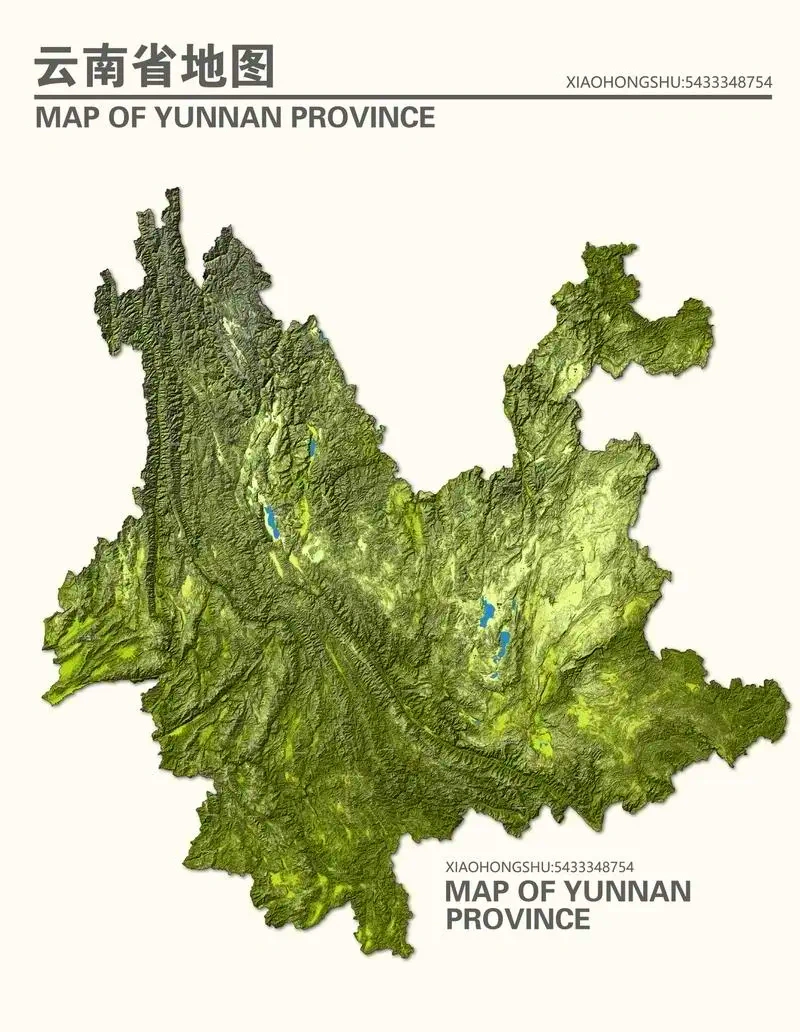
Located in the southwest of Lincang City (临沧市), Yunnan Province, Gengma Dai and Wa Autonomous County (耿马傣族佤族自治县) is a frontier destination combining tropical landscapes, ancient history, diverse ethnic cultures, and border scenery. With a 47.35-kilometer border line connected with Myanmar, Gengma offers travelers a unique experience featuring Dai and Wa traditions, ancient cultural sites, tea gardens, rural villages, and the atmosphere of China’s southwest border region.
A trip to Gengma is best organized around two themes: ethnic culture exploration and tropical border landscape discovery. Compared with more developed tourist destinations in Yunnan, Gengma maintains a quieter atmosphere, making it suitable for travelers seeking authentic villages, traditional lifestyles, and slow-paced cultural experiences.
How to Plan a Gengma Travel Experience
Cultural Heritage and Historical Exploration
A cultural-focused journey can begin with the ancient history of Shifodong Neolithic Cultural Site (石佛洞新石器文化遗址), where visitors can learn about prehistoric human activities in western Yunnan. The site reflects the long history of settlement and cultural development in the region.
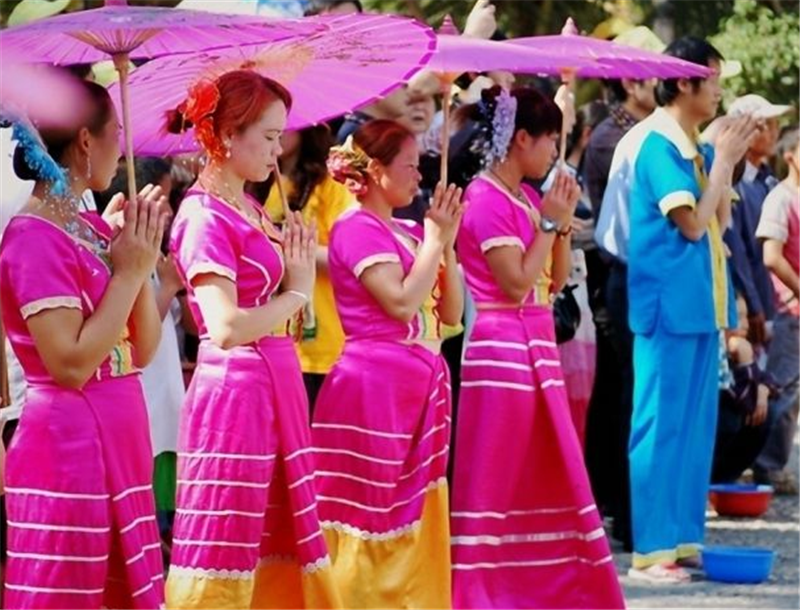
Continue to Gengma General Buddhist Temple (耿马总佛寺) to experience the religious traditions of the Dai community. The temple represents the influence of Theravada Buddhism in border areas and shows the close relationship between local architecture, faith, and ethnic customs. Nearby Gangdong Park (甘东公园) is also a relaxing place to observe local daily life and enjoy riverside scenery.
Mengding Tropical Border Culture Experience
The Mengding Area (孟定地区) is one of the most distinctive parts of Gengma, featuring a warm tropical climate, agricultural landscapes, and strong ethnic characteristics. Visitors can explore Mengding Dongjing Buddhist Temple (孟定洞景佛寺), an important Buddhist cultural site, and continue to Banxing Single Tree Forest Scenic Area (班幸独树成林景区) to admire the spectacular ancient banyan tree landscape.
The surrounding villages provide opportunities to experience the traditions of the De’ang ethnic group (德昂族), including bamboo weaving, silver craftsmanship, traditional clothing, and village customs. The nearby Qingshuihe Border Port (清水河口岸) allows travelers to feel the unique atmosphere of the China–Myanmar border region.
Recommended Travel Themes in Gengma
Ethnic Culture and Village Experience
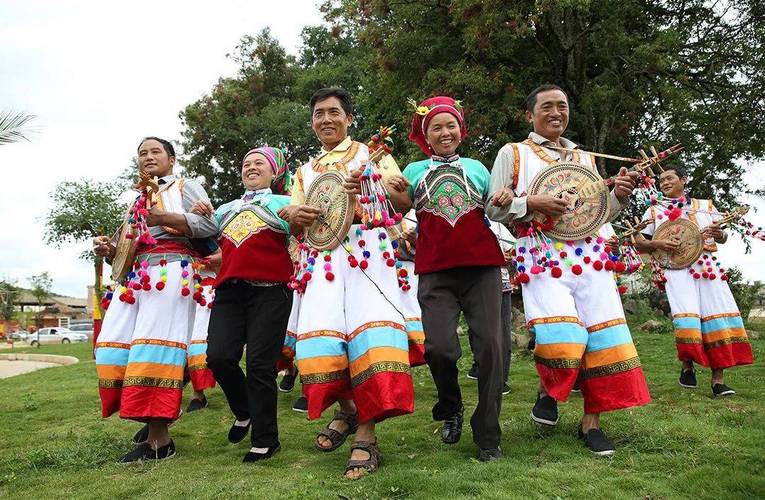
Gengma is an excellent destination for travelers interested in ethnic traditions. The county is home to Dai, Wa, Lahu, Bulang, De’ang, Jingpo, Lisu, Yi, Hui, and other ethnic groups. Traditional festivals, handicrafts, architecture, music, and dances remain important parts of local life.
Visitors can explore traditional villages, observe Dai-style houses, experience local handicrafts, and enjoy ethnic food. During major festivals such as the Dai Water-Splashing Festival and Wa Qingmiao Festival, travelers can experience lively celebrations featuring music, dance, and traditional ceremonies.
Nature, Agriculture, and Tropical Landscapes
The southern part of Gengma features tropical and subtropical scenery, including rubber plantations, banana gardens, rice fields, and riverside landscapes. The Nanting River (南汀河) area is ideal for enjoying countryside views and experiencing local agricultural culture.
The combination of mountains, valleys, and tropical vegetation creates diverse scenery throughout the year. Travelers who enjoy photography can find many opportunities in rural villages, tea gardens, forests, and border landscapes.
Suggested Travel Routes
Classic Cultural Route
A short cultural route can combine the main historical and cultural highlights:
Gengma Town → Shifodong Cultural Site → Gengma General Buddhist Temple → Gangdong Park
This route is suitable for first-time visitors who want to understand the history, religion, and urban culture of the county.
Border and Ethnic Culture Route
For travelers interested in ethnic traditions and tropical scenery:
Gengma Town → Mengding Town → Mengding Dongjing Buddhist Temple → Banxing Single Tree Forest → Qingshuihe Border Area
This route combines tropical landscapes, Buddhist culture, ethnic villages, and frontier scenery.
Slow Rural Experience Route
For deeper exploration:
Mengsa Town (勐撒镇) → Traditional Villages → Tea Gardens → Hot Spring Experience
This route focuses on rural landscapes, agricultural culture, and local lifestyles. It is suitable for travelers who prefer a slower pace.
Transportation and Accommodation Guide
How to Get to Gengma
The most convenient way to reach Gengma is by air plus road transportation. Travelers can fly to Lincang Airport (临沧机场) or Cangyuan Washan Airport (沧源佤山机场) and continue by bus, private car, or rental vehicle.
From Lincang Airport, the journey to Gengma takes approximately 1.5–2 hours by road. Travelers can also reach Gengma directly by long-distance buses from nearby cities.
Getting Around Gengma
Because many cultural villages and natural attractions are spread across different townships, self-driving, chartered vehicles, or private transfers are the most flexible options. Public transportation is available between major towns, but services to remote villages may be limited.
For independent travelers, renting a car is recommended. Mountain roads may include curves and steep sections, especially during the rainy season, so careful driving is necessary.
Accommodation Options
Gengma Town (耿马镇) offers the widest range of hotels and is the most convenient base for travelers. Visitors can choose comfortable hotels for easy access to restaurants, transportation, and services.
Travelers who want a more cultural experience can stay in Mengding Town (孟定镇) or choose local ethnic-style accommodation to experience border village life.
Best Time to Visit Gengma
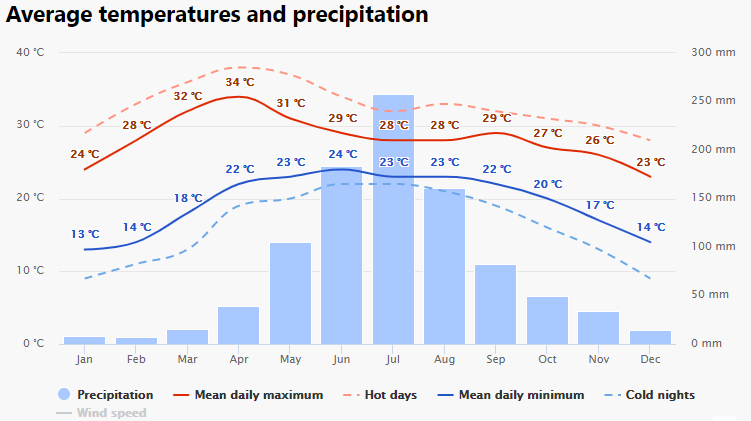
Gengma has a South Asian subtropical monsoon climate, with warm temperatures throughout the year. The best travel periods are generally from November to April, when the weather is cooler, drier, and more comfortable for outdoor activities.
Spring and autumn are also suitable for exploring villages, cultural sites, and countryside landscapes. From April to October, many ethnic festivals take place, providing excellent opportunities to experience traditional celebrations.
During the rainy season, travelers should check weather conditions before visiting mountainous areas, as heavy rain may cause slippery roads or temporary transportation difficulties.
Travel Tips and Safety Information
Weather and Clothing
Gengma has strong sunlight throughout much of the year. Lightweight clothing, sun protection products, hats, and sunglasses are recommended. Temperature differences between daytime and evening can occur, especially in mountainous areas, so carrying a light jacket is useful.
Border Area Safety
When visiting border areas, travelers should follow local regulations and avoid entering restricted zones. Photography near border facilities should follow official guidelines.
Outdoor Activities
The county contains mountains, forests, and rural roads suitable for hiking and exploration. During the rainy season, avoid hiking in areas with possible landslide risks and always check local weather conditions before outdoor activities.
Health and Daily Preparation
Tropical areas may have more mosquitoes, especially near forests and rivers, so insect repellent is recommended. Some remote villages may have weaker mobile signals, and carrying basic personal supplies is helpful.
Useful Travel Services
Emergency Numbers
| Service |
Telephone |
| Fire Emergency |
119 |
| Police |
110 |
| Medical Emergency |
120 |
| Weather Information |
121 |
| Consumer Complaint |
12315 |
| Tourist Service Complaint |
0883-6121425 |
Banking and Postal Services
Major banking services are available in Gengma Town and Mengding Town. Visitors can find branches of major Chinese banks for cash withdrawal and financial services.
Postal services are available in the county center and major towns, providing basic mailing and delivery services for travelers.
Medical Services
The main medical facilities include Gengma County People’s Hospital (耿马县人民医院) and local traditional Chinese medicine and maternal healthcare hospitals. Travelers staying in rural areas should prepare basic medicines and personal health supplies.
Travel Experience Highlights of Gengma
Gengma is a destination where frontier culture, tropical nature, and ethnic traditions come together. From ancient archaeological sites and Buddhist temples to ethnic villages, border landscapes, and agricultural scenery, the county provides a different perspective on Yunnan beyond the famous tourist routes.
For travelers interested in authentic cultural experiences, photography, rural tourism, and ethnic heritage, Gengma offers a peaceful and memorable journey through the southwest borderlands of China.