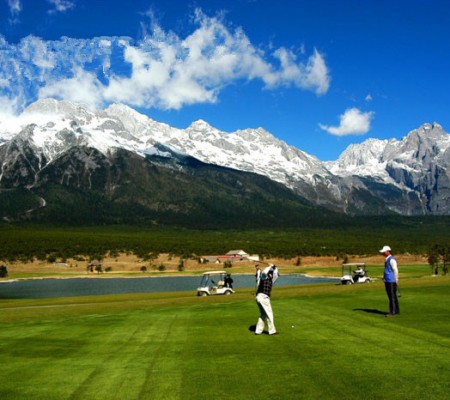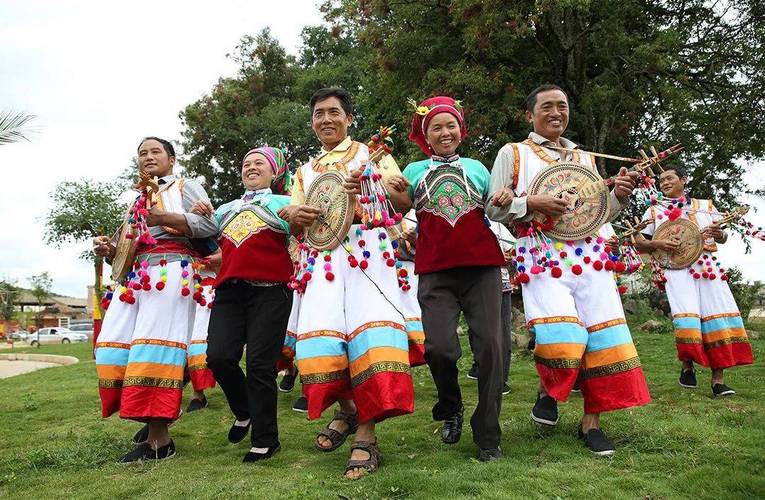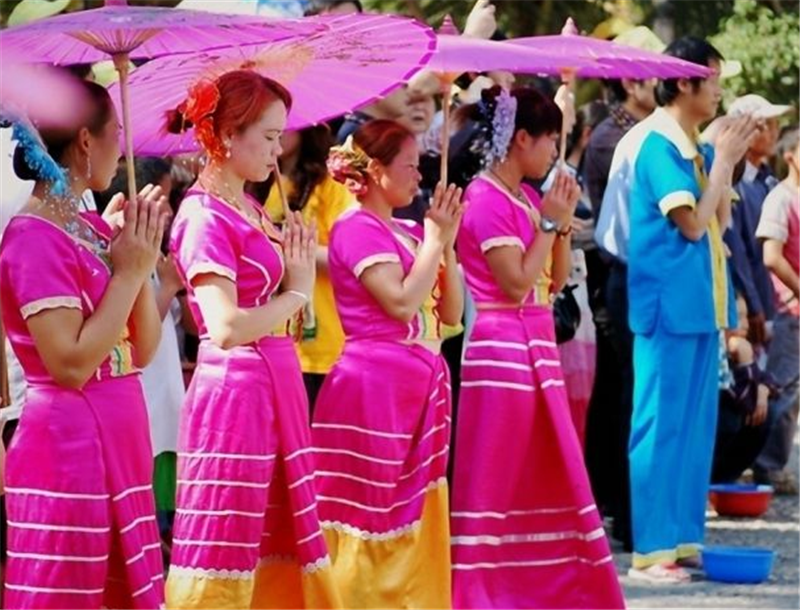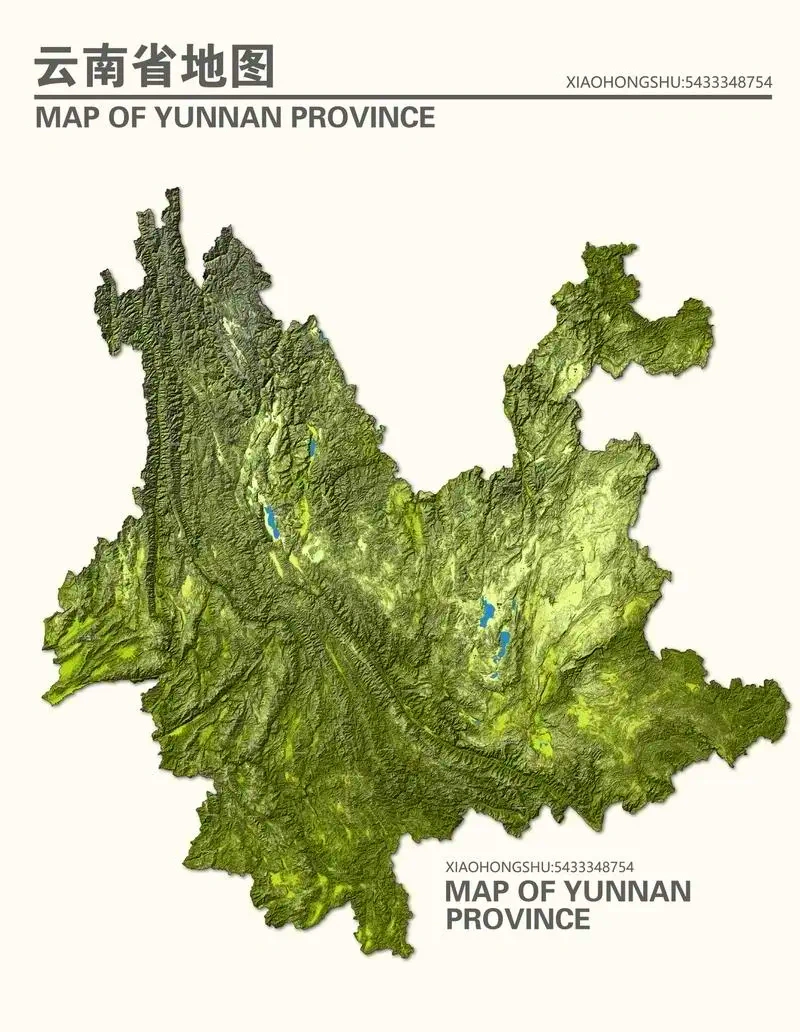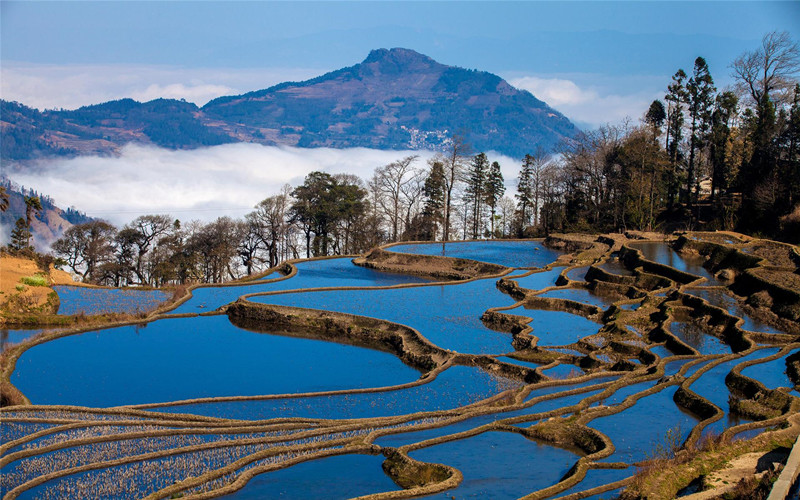
Nujiang Lisu Autonomous Prefecture (怒江傈僳族自治州) is one of China’s most dramatic and culturally diverse mountain destinations. Located in northwestern Yunnan, it combines the Nujiang Grand Canyon, the Gaoligong Mountains, the Biluo Mountains, remote ethnic villages, ancient caravan trails, borderland history and the living traditions of the Lisu, Nu, Dulong, Pumi, Bai and Tibetan communities.
Planning a Nujiang tour requires a different approach from planning a conventional sightseeing holiday. The attractions are distributed along narrow north–south valleys, travelling times are long, and the best experiences often occur between formal scenic spots: beside the river, in mountain villages, at local markets or along the G219 Nujiang Beautiful Highway.
For most travellers, the core route follows the Nu River from Lushui City through Fugong County and Gongshan County to Bingzhongluo. Lanping Bai and Pumi Autonomous County, located in the eastern part of the prefecture, forms a separate highland travel zone and should be added as an extension rather than treated as another stop on the same river road.
Nujiang Travel Facts
| Item |
Planning information |
| Prefectural capital |
Lushui City, centred on Liuku |
| Main counties and cities |
Lushui, Fugong, Gongshan and Lanping |
| Core touring route |
Lushui–Fugong–Gongshan–Bingzhongluo |
| Main highway |
G219 Nujiang Beautiful Highway |
| Recommended duration |
Six to eight days for the main canyon; nine to twelve days with extensions |
| Best general season |
October to April |
| Main transport |
Private vehicle, chartered car or organized tour |
| Travel character |
Scenic road journey, ethnic culture and soft adventure |
| Main risks |
Rain, landslides, rockfall, long driving times and changing border controls |
| Main ethnic cultures |
Lisu, Nu, Dulong, Pumi, Bai, Tibetan and Yi |
| Main accommodation centres |
Liuku, Laomudeng, Fugong, Gongshan, Bingzhongluo, Dulongjiang and Lanping |
Understanding Nujiang’s Geography
Nujiang Prefecture contains two main tourism corridors.
Nujiang Grand Canyon Corridor
The western corridor follows the Nu River from south to north:
Liuku–Fugong–Gongshan–Bingzhongluo
This is the classic Nujiang route and includes canyon landscapes, Lisu and Nu villages, Stone Moon, Laomudeng, Zhiziluo, the First Bend of the Nu River, Wuli Village and Qiunatong.
Dulongjiang is reached by a separate road heading west from Gongshan County Town across the Gaoligong Mountains. It is not located directly on the main G219 canyon route.
Lanping Highland Corridor
Lanping Bai and Pumi Autonomous County (兰坪白族普米族自治县) lies east of the main Nujiang Valley. Its landscapes, culture and road connections differ from those of Lushui, Fugong and Gongshan.
Lanping is associated with highland meadows, Bai and Pumi culture, the Luoguqing Scenic Area, traditional villages and the broader Laojun Mountain landscape. It can be reached from Dali, Lijiang or the eastern side of Nujiang, but adding it to a canyon journey requires extra time.
How Many Days Are Needed in Nujiang?
Four to Five Days
A four- or five-day trip can cover Liuku, Laomudeng, Zhiziluo, Fugong, Gongshan and Bingzhongluo, but the pace will be fast. There will be limited time for village walks or weather delays.
Six to Eight Days
Six to eight days is the best duration for a first Nujiang Grand Canyon tour. It permits two nights in Bingzhongluo, an overnight stay near Laomudeng and enough flexibility for scenic stops along G219.
Nine to Twelve Days
Nine to twelve days allows the addition of Pianma, Dulongjiang, Deqin or Lanping. Dulongjiang and Pianma are side journeys in opposite directions, so including both requires careful routing.
Two Weeks or Longer
A longer tour can combine Nujiang with Dali, Baoshan, Tengchong, Deqin, Shangri-La or the northern section of G219 toward Tibet, subject to road and border regulations.
Best Time to Visit Nujiang
October to November: Best Overall Road Conditions
October and November generally provide clear weather, green mountain scenery and lower rainfall. The Nu River gradually changes from the muddy colour of the rainy season toward clearer blue-green tones.
This is an excellent period for photography, self-driving, village visits and light hiking. Roads can still be affected by damage left by the summer monsoon, so current conditions should be checked.
December to February: Clear River and Winter Festivals
Winter is part of Nujiang’s dry season. Liuku remains comparatively warm, while higher villages, passes and mountain roads can be cold or icy.
This period may coincide with Lisu, Nu and Dulong seasonal celebrations. Festival dates often follow traditional or lunar calendars and should be confirmed locally.
March to April: Flowers and Spring Landscapes
Spring is one of the most attractive periods in the canyon. Kapok flowers brighten the lower valley, peach and plum trees bloom around Bingzhongluo, and rural fields become greener.
March and April are particularly suitable for cultural photography and village walks, although spring rain and mountain fog are possible.
May to June: Green Mountains and Increasing Rain
The landscape becomes lush, and waterfalls strengthen as rainfall increases. Travel is possible, but daily weather checks become more important.
July to September: Main Rainy Season
The rainy season presents the highest risk of landslides, debris flows, falling rocks and temporary road closures. Nujiang’s 2026 geological-hazard plan identifies the prefecture’s fragile mountain environment and the Beautiful Highway as areas requiring close monitoring. Nujiang Prefecture Government
The rainy season should not be described simply as “closed,” but long overland itineraries need alternative plans, spare days and a willingness to change routes. In August 2026, local authorities were still implementing intensive monitoring and evacuation procedures along the Fugong section of the highway. Nujiang Prefecture Government
Seven-Day Classic Nujiang Grand Canyon Tour
| Day |
Destinations |
Main experiences |
Suggested stay |
| 1 |
Arrival–Liuku |
Riverfront, local food and travel preparation |
Liuku |
| 2 |
Liuku–Laomudeng–Zhiziluo |
Canyon drive, Nu village, church and former county town |
Laomudeng |
| 3 |
Laomudeng–Stone Moon–Fugong–Gongshan |
G219 scenery, Lisu villages and Stone Moon |
Gongshan |
| 4 |
Gongshan–Bingzhongluo |
First Bend, Chongding Church and Puhua Temple |
Bingzhongluo |
| 5 |
Bingzhongluo–Wuli–Qiunatong |
Tea Horse Road, village landscapes and canyon scenery |
Bingzhongluo |
| 6 |
Bingzhongluo–Gongshan–Fugong |
Return through the northern canyon with additional stops |
Fugong |
| 7 |
Fugong–Liuku–departure |
Scenic return and onward travel |
Departure |
Day 1: Arrival in Liuku
Arrive in Liuku, the administrative and commercial centre of Lushui City. Most travellers reach Liuku by road from Baoshan using the Baoshan–Lushui Expressway.
Check into a hotel beside the Nu River and prepare for the journey north. Liuku is the best place to withdraw cash, purchase travel supplies, confirm road conditions and arrange a driver.
In the evening, sample Lisu Basket Rice, lacquer-oil chicken, boletus mushroom rice or fire-roasted chicken. Muslim travellers can find several halal beef restaurants in the city.
Day 2: Liuku to Laomudeng and Zhiziluo
Follow G219 north through the Nujiang Grand Canyon. The road runs between the Gaoligong and Biluo mountain ranges, passing river bends, suspension bridges, villages and steep cultivated slopes.
Continue into Fugong County and travel to Laomudeng Village (老姆登村), a Nu ethnic village overlooking the canyon. Visit the village and the Laomudeng Christian Church, an active place of worship.
Choir singing should not be presented as a guaranteed daily performance. Visitors may hear singing during worship, festivals or community activities, but special arrangements should respect the congregation and local schedule.
Visit nearby Zhiziluo (知子罗), the former county administrative centre. Its twentieth-century government buildings and quiet streets have led to its nickname, the “City of Memory.”
Stay overnight at Laomudeng for village atmosphere, sunset views and possible early-morning cloud scenery.
Day 3: Laomudeng to Fugong and Gongshan
Return to G219 and continue north through Fugong County. Stop at approved viewpoints overlooking the river and mountain villages.
View Stone Moon (石月亮), a large natural opening high in the Gaoligong Mountains. Weather conditions determine visibility; cloud or fog can hide the opening completely.
Continue through Fugong County Town and enter Gongshan Dulong and Nu Autonomous County (贡山独龙族怒族自治县). Stay in Gongshan County Town, where hotels, fuel, medical services and shops are more reliable than in the smaller villages.
Day 4: Gongshan to Bingzhongluo
Travel north to Bingzhongluo (丙中洛), a multi-ethnic valley often promoted as a place where “people and gods live together.”
Stop at the First Bend of the Nu River (怒江第一湾), where the river forms a broad horseshoe-shaped curve around a mountain ridge. Continue to the Bingzhongluo viewing area before entering the town.
Visit Chongding Catholic Church (重丁天主教堂) and Puhua Temple (普化寺) to understand the valley’s unusual coexistence of Catholicism, Christianity, Tibetan Buddhism and indigenous beliefs. Both are religious sites rather than entertainment attractions, so modest dress and quiet behaviour are expected.
Day 5: Wuli Village, Tea Horse Road and Qiunatong
Explore the northern Bingzhongluo Valley. Walk an approved section of the historic Tea Horse Road (茶马古道) toward Wuli Village (雾里村), one of Nujiang’s most photogenic rural settlements.
Some portions of the old trail are narrow and exposed above the river. Use a local guide when necessary, wear non-slip footwear and avoid the path during heavy rain.
Continue by road to Qiunatong Village (秋那桶村), surrounded by forested mountains near the northern end of the accessible valley. Enjoy village landscapes and return to Bingzhongluo for a second night.
Day 6: Bingzhongluo to Fugong
Return south through Gongshan and the northern canyon. This return journey should not be treated as wasted time: changing light and direction reveal different views of the river and mountains.
Stop at places missed on the northbound journey and stay overnight in Fugong County Town. A longer trip may use this day to enter Dulongjiang instead.
Day 7: Fugong to Liuku
Return to Liuku along G219. Continue to Baoshan, Dali or another destination, or stay an additional night in Liuku if connecting with an early flight or train elsewhere.
Nine- to Ten-Day Nujiang and Dulongjiang Tour
Dulongjiang should receive at least two nights. It cannot be comfortably added as a quick half-day excursion from the main canyon.
| Day |
Destinations |
Main experiences |
Suggested stay |
| 1 |
Arrival–Liuku |
Arrival and preparation |
Liuku |
| 2 |
Liuku–Laomudeng–Zhiziluo |
Nu village culture |
Laomudeng |
| 3 |
Laomudeng–Stone Moon–Gongshan |
G219 canyon journey |
Gongshan |
| 4 |
Gongshan–Dulongjiang |
Gaoligong crossing and Dulong Ethnic Museum |
Dulongjiang |
| 5 |
Dulongjiang |
Pukawang, approved villages and river scenery |
Dulongjiang |
| 6 |
Dulongjiang–Gongshan–Bingzhongluo |
Return over the mountains and continue north |
Bingzhongluo |
| 7 |
Bingzhongluo–Wuli–Qiunatong |
Tea Horse Road and village tour |
Bingzhongluo |
| 8 |
Bingzhongluo–Fugong |
Return through the canyon |
Fugong |
| 9 |
Fugong–Liuku |
Return to the prefectural capital |
Liuku |
| 10 |
Departure |
Continue to Baoshan, Dali or Kunming |
Departure |
Planning Dulongjiang Carefully
Dulongjiang lies in a sensitive China–Myanmar border area. Access, permits, vehicle rules, reservation systems and daily visitor limits may change.
Foreign passport holders should never be promised access before eligibility is confirmed with the local public-security and scenic-area authorities. Chinese visitors should also verify whether a Border Management Area Pass and real-name reservation are currently required.
The prefecture’s 2026 tourism planning continues to include Dulongjiang as a key cultural and tourism route, including its “Last Caravan” cultural theme, but this does not remove border-management requirements. Nujiang Prefecture Culture and Tourism Bureau
Visits to elderly facial-tattooed Dulong women must not be commercialized or guaranteed. Photography requires clear permission, and visitors must accept refusal without argument.
Nujiang, Deqin and Meili Snow Mountain Route
Travellers with more time can continue from Gongshan toward Deqin (德钦) using the Degong Road (德贡公路) when it is officially open and safe.
The route should be described accurately:
Dulongjiang–Gongshan–Degong Road–Deqin
There is no direct tourist road from Dulongjiang across the mountains to Deqin. Vehicles must first return toward Gongshan and then join the Deqin route.
A comfortable combined itinerary generally requires at least ten to twelve days:
| Day |
Main route |
| 1–2 |
Liuku–Laomudeng–Fugong |
| 3 |
Fugong–Gongshan |
| 4–5 |
Dulongjiang |
| 6–7 |
Bingzhongluo |
| 8 |
Bingzhongluo–Gongshan–Degong Road–Deqin |
| 9 |
Meili Snow Mountain and Feilai Temple |
| 10 |
Deqin–Shangri-La |
| 11–12 |
Shangri-La or onward departure |
The Degong Road crosses high terrain and can be affected by snow, rain, landslides, maintenance and temporary traffic controls. Confirm its status immediately before departure. Do not build a fixed international itinerary around this road without a practical alternative.
Lanping County Extension
Lanping is frequently omitted from Nujiang itineraries because it is not located on the main Nu River corridor. It deserves a separate two- or three-day extension.
Main Lanping Experiences
Travellers can explore:
- Bai and Pumi ethnic culture
- Highland villages and agricultural landscapes
- Luoguqing Scenic Area (罗古箐景区)
- Meadows and forest landscapes around the Laojun Mountain system
- Local markets and traditional handicrafts
- Highland food, medicinal plants and regional products
How to Add Lanping
Lanping is most naturally combined with Dali, Lijiang or Shangri-La rather than inserted between Fugong and Gongshan.
A practical extended route is:
Dali–Lanping–Lushui–Fugong–Gongshan–Bingzhongluo
Allow at least two additional days for Lanping. Road conditions between the eastern highlands and the Nujiang Valley should be confirmed locally.
Pianma Border Extension
Pianma Town (片马镇) lies west of Liuku across the Gaoligong Mountains and makes a worthwhile two-day side trip.
The main attractions are:
- Pianma Anti-British Resistance Memorial Museum
- Nujiang Hump Route Memorial Museum
- Gaoligong Mountain road scenery
- Borderland history and Lisu culture
Because Pianma is a border town, access requirements may differ according to nationality and current security policy. Do not approach boundary markers or closed border roads.
A logical route is:
Liuku–Pianma–Liuku–Fugong–Gongshan–Bingzhongluo
Transportation in Nujiang
Arriving from Baoshan
The Baoshan–Lushui Expressway is the main modern gateway into the prefecture. It connects travellers with Liuku, from where the journey continues north on G219.
Arriving from Dali
The common route runs through Baoshan and then enters Nujiang via the expressway. Private transport is preferable for groups continuing into the canyon.
Arriving from Kunming
Nujiang has no major passenger railway running through the main canyon and no large commercial airport serving the northern route. Travellers normally reach a western Yunnan transport hub and continue by road.
A long same-day journey from Kunming directly into northern Nujiang is tiring. Divide the trip in Baoshan, Dali or Liuku.
Self-Driving
Self-driving provides flexibility but requires mountain-road experience. Roads are paved, yet sharp curves, falling rocks, fog, roadwork and livestock can slow traffic.
Prepare the vehicle with:
- Good tyres and brakes
- Full fuel tank
- Spare tyre and basic tools
- Drinking water and emergency food
- Offline maps
- Mobile power supply
- Paper or saved copies of hotel details
- Warm and waterproof clothing
Private Car with Driver
For most international visitors, a licensed vehicle with an experienced local driver is the most practical option. A local driver understands traffic-control points, safe stopping places and changing road conditions.
Public Transport
County buses connect Liuku, Fugong and Gongshan, but services are designed primarily for residents rather than sightseeing. They do not provide the flexibility needed for village detours and photography stops.
Cycling and Motorcycling
G219 attracts long-distance cyclists and motorcyclists, but the route is physically and technically demanding. Tunnels, heavy rain, narrow sections and falling rocks require careful preparation.
Avoid riding at night or during severe weather. Confirm restrictions before attempting Dulongjiang, Pianma or border-area routes.
Accommodation Planning
Liuku
Liuku has the prefecture’s widest selection of upscale, business and budget accommodation. Stay near the Nu River for views and restaurants or in the commercial centre for practical services.
Laomudeng and Zhiziluo
Laomudeng offers village guesthouses with canyon views and cultural atmosphere. Facilities are simpler than those in Liuku, and rooms should be reserved during festivals and holidays.
Zhiziluo has fewer accommodation choices; many visitors stay in Laomudeng.
Fugong County Town
Fugong provides ordinary business hotels, local guesthouses, restaurants, banks and shops. It is a practical overnight stop during the journey between Liuku and Gongshan.
Gongshan County Town
Gongshan is the essential service base for Bingzhongluo and Dulongjiang. It offers better fuel, medical, banking and supply services than the more remote villages.
Bingzhongluo
Bingzhongluo has boutique guesthouses, design-led hotels and family-run inns. Views, road access, parking and room heating vary considerably, so check the precise location rather than booking only by hotel name.
Dulongjiang
Accommodation is concentrated around Kongdang, Bapo and the township centre. Hotels and guesthouses remain limited, and access regulations should be confirmed before accepting a non-refundable reservation.
Lanping
Lanping County Town has business hotels, while scenic areas and villages offer simpler guesthouses and rural stays.
Nujiang Food Experiences
Lisu Basket Rice
Lisu Basket Rice (傈僳族手抓饭) is a shared meal arranged on a broad bamboo tray or banana leaves. Rice, grilled meat, cured pork, vegetables and dipping sauces are eaten together.
Lacquer-Oil Chicken
Lacquer-Oil Chicken (漆油鸡) uses oil extracted from lacquer-tree seeds. It is rich and aromatic, but some diners may be allergic to lacquer-tree products. First-time visitors should try a small amount.
Stone-Baked Cake
Stone-Baked Cake (石板粑粑) is traditionally made by baking buckwheat or grain batter on a heated stone slab. It is common in Nu and Dulong cultural areas.
Xiala and Gongla
Xiala (侠辣) and Gongla (巩辣) are Nu dishes in which meat or egg is cooked with local liquor. In this context, “la” refers to alcohol rather than chilli.
Travellers avoiding alcohol should ask about the cooking method before ordering.
Laowo Ham
Laowo Ham (老窝火腿) is one of Lushui’s best-known cured products. Eat it at a reputable restaurant where storage and preparation are hygienic.
Wild Mushrooms and Mountain Vegetables
Seasonal mushrooms and wild vegetables appear throughout Nujiang. Never eat unidentified mushrooms or collect them without expert knowledge. Mushrooms must be thoroughly cooked.
Packing for Nujiang
Nujiang’s vertical climate means that one journey can pass from a warm subtropical valley to a cold mountain pass.
Essential items include:
- Waterproof jacket
- Warm fleece or lightweight down jacket
- Quick-drying trousers
- Non-slip hiking shoes
- Spare socks
- Sun protection and sunglasses
- Insect repellent
- Personal medication
- Motion-sickness medicine
- Portable charger
- Flashlight
- Cash
- Passport or Chinese identity card
- Permit documents where required
- Offline maps
- Refillable water bottle
A fixed statement that Nujiang’s average temperature is always 15–26°C is misleading because conditions vary substantially by altitude and location. Pack for the highest and coldest section of the itinerary, not only for Liuku.
Leeches and Insects
Leeches are most active on wet forest trails during the rainy season. Long trousers, covered shoes and leech-resistant socks are more reliable than applying salt to the body.
If a leech attaches, avoid burning or aggressively pulling it off. Remove it carefully using an appropriate method, clean the wound and apply pressure because bleeding can continue temporarily.
Mosquito repellent is useful in the lower, warmer valley. Travellers with severe insect allergies should carry prescribed medication.
Border Documents and Identification
Carry the original passport or Chinese identity card throughout the journey. Ordinary sightseeing in Liuku, Fugong and the main public areas of Bingzhongluo should not be described as requiring one universal prefecture-wide permit.
Permit and entry rules depend on:
- Exact destination
- Nationality
- Current border policy
- Whether a traveller enters a restricted zone
- Temporary security or road controls
Dulongjiang, Pianma and other border sections require specific confirmation. Foreign visitors should verify access before booking through the local public-security authorities, destination administration or the National Immigration Administration hotline 12367.
Mobile Signal, Wi-Fi and Language
Mobile coverage is generally available in county towns and larger villages but can disappear in tunnels, mountain sections and remote settlements. Download navigation maps and translation tools before leaving Liuku.
Hotels usually provide Wi-Fi, although speed and stability vary. Do not depend on continuous internet access for navigation or digital copies of permits.
Mandarin Chinese is widely used by younger residents and tourism workers. Lisu, Nu, Dulong, Pumi, Bai and Tibetan languages remain important within local communities. English is limited, so international visitors benefit from travelling with a bilingual guide.
Banking and Payments
Mobile payment is common in county towns, but cash remains useful in village guesthouses, markets and areas with weak network coverage.
Major banks are concentrated in Liuku and county towns. International cards may not work at every ATM, and travellers’ cheques are no longer a practical option.
Exchange foreign currency in Kunming, Dali, Baoshan or another major city before entering the canyon. Do not rely on remote county branches to provide all international banking services.
Medical Services
The strongest medical services are in Liuku, including:
- Nujiang Prefecture People’s Hospital (怒江州人民医院)
- Nujiang Prefecture Maternal and Child Health Hospital (怒江州妇幼保健院)
- Nujiang Prefecture Hospital of Traditional Chinese Medicine (怒江州中医医院)
Fugong, Gongshan and Lanping have county-level medical facilities, while remote villages provide only basic care. Travellers with chronic conditions should carry sufficient medication and medical information.
Addresses and telephone numbers from older tourism pages may be outdated. Use current navigation services or call the government service hotline for the nearest operating facility.
Safety and Cultural Etiquette
Road Safety
Never rush through a falling-rock area because an article says to “pass quickly.” Follow police, road workers and warning signs. If rocks are falling or a road is unstable, stop at a safe location and wait for official instructions.
Avoid driving at night throughout the canyon.
River Safety
The Nu River is powerful and unpredictable. Do not swim, wade into deep water or climb onto wet rocks beside rapids. Rafting should only be undertaken with a legally operating professional provider.
Hiking Safety
Old Tea Horse Road sections can be narrow, slippery and exposed. Wear suitable shoes, avoid hiking alone and use a guide where the route is unclear.
Photography
Ask permission before photographing residents, religious ceremonies or private homes. Elderly Dulong women with traditional facial tattoos must never be treated as tourist exhibits.
Religious Sites
Nujiang contains Christian churches, Catholic churches, Tibetan Buddhist temples and places associated with indigenous beliefs. Dress modestly and avoid disturbing prayer, singing or ceremonies.
Environmental Protection
Do not collect plants, wild mushrooms, insects, stones or wildlife products from protected areas. Carry rubbish out of undeveloped sites and avoid entering farmland for photographs.
Useful Telephone Numbers
| Service |
Number |
| Police |
110 |
| Fire and rescue |
119 |
| Ambulance |
120 |
| Traffic accidents |
122 |
| Consumer complaints |
12315 |
| National Immigration Administration |
12367 |
| Government service hotline |
12345 |
| Telephone-number enquiry |
114 |
| Nujiang area code |
0886 |
| Liuku postal code |
673200 |
Older tourism pages list telephone numbers for tourism offices, hotels, hospitals and express companies that may no longer be current. Verify specialised contact details through official government pages or current navigation applications.
How to Plan the Best Nujiang Tour
For a first visit, choose a seven-day return journey from Liuku to Bingzhongluo. Add Dulongjiang only after confirming entry and allowing at least two additional nights. Add Lanping as a separate eastern extension, and treat Pianma as a two-day side trip from Lushui.
The most practical first-time route is:
Baoshan–Liuku–Laomudeng–Zhiziluo–Fugong–Stone Moon–Gongshan–Bingzhongluo–Wuli–Qiunatong–Liuku
The best Nujiang itineraries leave room for slow driving, weather changes and unplanned village encounters. Rather than measuring the trip by the number of attractions visited, allow time for the river, mountain light, local food and ethnic communities that give the canyon its distinctive character.