Lancang Lahu Autonomous County (澜沧拉祜族自治县) is a large ethnic and border county in southwestern Yunnan and is administered by Pu'er City. It is the only county in China named specifically as a Lahu Autonomous County and is particularly important for travelers interested in Lahu culture, Wa culture, Hani culture, Yi traditions, tea culture, mountain landscapes and ethnic village tourism.
Lancang borders several counties and districts of Yunnan and has two sections of international boundary with Myanmar to the west and southwest. The county covers about 8,733 square kilometers and has a strongly mountainous landscape. More than 20 township-level administrative divisions extend from the county seat of Menglang to remote mountain and border communities. According to the current administrative division information, Lancang has 5 towns and 15 townships, including 6 ethnic townships, with the county government located in Menglang Town.
The landscape is characterized by mountains, river valleys, forested slopes, tea-growing areas and traditional ethnic settlements. The Lancang River and its tributary valleys create different ecological zones, while the southern and western parts of the county provide particularly rich opportunities for ethnic culture, tea, rainforest and border-region experiences.
For international visitors, Lancang is not simply a county-town destination. Its greatest tourism value lies in connecting several different cultural landscapes: Lahu villages around Menglang and Fubang, Hani and tea communities around Jiujing and Huimin, Yi villages around Qianliu and Dashan, and Wa cultural areas around Ankang, Wendong, Xuelin and Fudong.
Menglang Town: County Center and Gateway to Lancang
Menglang Town (勐朗镇) is the administrative center of Lancang Lahu Autonomous County and the most convenient starting point for exploring the county. The town combines government services, accommodation, restaurants, transportation and everyday commercial facilities, making it the natural base for travelers arriving in Lancang.
The surrounding villages provide an introduction to the agricultural and ethnic landscape of central Lancang. Fofang Community (佛房社区), Dashuijing Community (大水井社区), Wenquan Community (温泉社区), Qian-kuang Community (铅矿社区) and Nadeng Community (那登社区) form the urban and semi-urban part of the township.
The wider administrative area includes Tangsheng Village (唐胜村), Mengbin Village (勐滨村), Nandian Village (南甸村), Fuben Village (佛本村), Dalinwo Village (大林窝村), Xiagudi Village (下古地村), Luoba Village (罗八村), Dapingzhang Village (大平掌村), Kanmashan Village (看马山村), Baomaidi Village (宝麦地村), Bulao Village (布老村), Menglang Village (勐朗村) and Laojie Village (老街村).
For an international itinerary, Menglang works well as the first or last stop in Lancang. Visitors can use it for accommodation and logistics before continuing into the tea-growing, ethnic and border areas.
Shangyun Town: Valley Landscapes and Ethnic Villages
Shangyun Town (上允镇) is one of the important agricultural and settlement areas in northern and central Lancang. Its administrative center is Mengyun Community (勐允社区), while the surrounding villages extend across mountain and valley landscapes.
The main administrative villages include Shangyun Village (上允村), Balao Village (坝老村), Nanwa Village (南瓦村), Manbang Village (曼邦村), Mengfo Village (勐佛村), Nayu Village (那玉村), Nannai Village (南乃村), Wengban Village (翁板村), Mangjiao Village (芒角村), Longlang Village (龙浪村) and Xiayun Village (下允村).
Shangyun is suitable for travelers who want to see everyday rural life rather than concentrate only on major scenic attractions. Its villages can be incorporated into longer Yunnan ethnic culture tours, rural photography trips and community-based study tours.
Nuozhadu Town: Reservoir, Mountains and Ecological Tourism
Nuozhadu Town (糯扎渡镇) is closely associated with the mountainous landscape and the Nuozhadu area. The town contains a number of villages distributed through forested hills, river valleys and reservoir-related landscapes.
The administrative villages include Yaofangba Village (姚房坝村), Yakou Village (雅口村), Nanxian Village (南现村), Huangbahe Village (荒坝河村), Mengkuang Village (勐矿村), Xiangshuihe Village (响水河村), Biandanshan Village (边单山村), Longshan Village (龙山村), Luoshuidong Village (落水洞村) and Qianmai Village (迁迈村).
The area is particularly suitable for nature-based travel, reservoir landscapes, mountain photography and ecological education. A Lancang itinerary can combine Nuozhadu with nearby rural villages to create a contrast between large-scale infrastructure, forest ecosystems and traditional mountain communities.
Donghui Town: Mountain Villages and Rural Culture
Donghui Town (东回镇) lies in a mountainous part of Lancang and contains both community and village-level settlements. Longquanhu Community (龙泉湖社区) serves as one of its urbanized settlements.
Its main villages include Donggang Village (东港村), Ayong Village (阿永村), Banli Village (班利村), Huilong Village (回龙村), Nanweng Village (南翁村) and Gaixin Village (改新村).
For visitors, Donghui is best understood as part of Lancang's broader rural and ethnic cultural landscape. It can be included in a self-driving route or a customized cultural itinerary linking several lesser-known communities.
Huimin Town: Ancient Tea Landscapes and Ethnic Culture
Huimin Town (惠民镇) is one of the most important areas for visitors interested in Lancang's tea culture and ethnic heritage. The town contains several villages associated with traditional tea landscapes and ethnic communities.
Its principal villages include Hanguping Village (旱谷坪村), Fula Village (富拉村), Mangyun Village (芒云村), Jingmai Village (景迈村) and Mangjing Village (芒景村).
The Jingmai and Mangjing tea areas are especially important for cultural tourism because tea production here is closely connected with traditional villages, forest ecology, ethnic customs and long-established agricultural practices. This makes Huimin particularly suitable for tea culture tours, ethnic village visits, agricultural study tours and cultural landscape photography.
International visitors can combine the tea areas with visits to local communities, traditional tea production and ethnic cultural activities rather than treating tea only as a commercial product.
Qianliu Yi Township: Yi Culture and Mountain Communities
Qianliu Yi Township (谦六彝族乡) is an important area for exploring Yi culture in Lancang. The township extends across mountainous terrain and contains numerous villages where visitors can observe traditional rural settlement patterns and ethnic customs.
The administrative villages are Qiannuo Village (谦糯村), Zhanai Village (战爱村), Daqiaotou Village (大桥头村), Xinzhai Village (新寨村), Manglong Village (芒龙村), Tianba Village (田坝村), Dagang Village (大岗村), Longtan Village (龙潭村), Xincheng Village (新城村), Heping Village (和平村), Shuiyuan Village (水源村), Malihe Village (马力河村), Xiaofofang Village (小佛房村), Lasa Village (拉撒村) and Pingzhang Village (平掌村).
For international study tours, Qianliu can provide a useful setting for learning about Yi traditional culture, village architecture, agricultural life, local belief systems and ethnic diversity in Yunnan.
Donghe Township: Traditional Rural Landscapes
Donghe Township (东河乡) is a mountainous rural area with a relatively compact group of administrative villages. Its main villages are Nandai Village (南岱村), Hebian Village (河边村), Dalaba Village (大拉巴村), Donghe Village (东河村), Zhabu Village (扎布村), Xiaotang Village (小塘村) and Banggan Village (邦敢村).
The township is appropriate for travelers looking for quieter rural experiences, village photography and community-based cultural visits. It can also be incorporated into educational programs focusing on mountain agriculture, ethnic settlement geography and rural development in Yunnan.
Dashan Township: Yi and Mountain Culture
Dashan Township (大山乡) is another important mountain area in central Lancang. Its administrative villages include Dashan Village (大山村), Banpo Village (班坡村), Zhafang Village (扎方村), Pingtian Village (平田村), Manghai Village (芒海村), Tuanshan Village (团山村), Nanmei Village (南美村) and Nandeba Village (南德坝村).
The landscape around Dashan is well suited to cultural hiking, rural photography and educational visits. Travelers can learn how elevation, rainfall, forest resources and agricultural practices influence village life in southwestern Yunnan.
Nanling Township: Mountain Agriculture and Ethnic Villages
Nanling Township (南岭乡) is characterized by scattered mountain settlements and agricultural landscapes. Its administrative villages include Huanghui Village (黄回村), Mangnong Village (芒弄村), Mengbing Village (勐炳村), Nanxian Village (南现村), Qianzhe Village (谦哲村), Mangfu Village (芒富村), Mengkan Village (勐看村) and Mali Village (马里村).
Nanling is suitable for visitors interested in rural life, mountain scenery and ethnic culture away from heavily visited tourism centers. It can also be included in photography and overland routes through southern Lancang.
Jiujing Hani Township: Hani Culture and Tea Landscapes
Jiujing Hani Township (酒井哈尼族乡) is one of Lancang's key Hani cultural areas. The township contains Menggen Tea Farm Community (勐根茶场社区) as well as Jiufang Village (酒房村), Yanyin Village (岩因村), Shuifang Village (水方村) and Menggen Village (勐根村).
Hani cultural traditions, mountain agriculture and tea production form the central tourism themes of the area. A carefully designed visit can combine village walks, tea gardens, agricultural landscapes and cultural interpretation.
For international students, Jiujing is particularly suitable for ethnic culture study tours, tea education programs, environmental studies and rural geography fieldwork.
Laba Township: Forested Mountains and Rural Communities
Laba Township (拉巴乡) is a mountainous area containing Talanong Village (塔拉弄村), Mangdong Village (芒东村), Xiaolaba Village (小拉巴村), Nanpan Village (南盘村), Yintong Village (银通村) and Nanlie Village (南列村).
The township is suitable for travelers seeking a less commercialized side of Lancang. Its mountain roads, villages and agricultural landscapes are better suited to customized travel, photography and cultural exploration than conventional sightseeing.
Zhutang Township: Villages, Agriculture and Ethnic Culture
Zhutang Township (竹塘乡) contains a relatively large number of administrative villages distributed across its mountain landscape.
The villages include Munai Village (木乃村), Panchihua Village (攀枝花村), Dongzhu Village (东主村), Yunshan Village (云山村), Laotanshan Village (老炭山村), Datangzi Village (大塘子村), Zhanmapo Village (战马坡村), Nanben Village (南本村), Cizhuhe Village (茨竹河村), Ganhe Village (干河村) and Junmeng Village (军勐村).
Zhutang can be included in cultural and rural travel programs that focus on traditional settlements, agricultural production and the relationship between ethnic communities and mountainous environments.
Fubang Township: Lahu Culture and Traditional Villages
Fubang Township (富邦乡) is particularly valuable for travelers interested in Lahu culture and traditional village landscapes. The main administrative villages include Banshan Village (半山村), Duoyilin Village (多依林村), Bangnai Village (邦奈村), Maliping Village (马里平村), Kalang Village (佧朗村), Saihan Village (赛罕村), Fuyong Village (富永村) and Ping'an Village (平安村).
Fubang is well suited to Lahu cultural tourism, especially when the itinerary includes village walks, traditional music and dance, local food, handicrafts and community interaction.
For international visitors, a professionally arranged visit is recommended because transportation between mountain villages can take considerably longer than distances on a standard map suggest.
Ankang Wa Township: Wa Culture and Border-Region Heritage
Ankang Wa Township (安康佤族乡) is one of Lancang's important Wa cultural areas. Its villages include Shangzhai Village (上寨村), Ankang Village (安康村), Nanzha Village (南闸村), Nuobo Village (糯播村) and Banba Village (班坝村).
Wa cultural traditions, mountain environments and village life provide the core tourism resources. The township is particularly suitable for ethnic culture study tours, anthropology-oriented travel, traditional music and dance programs, and rural community research.
Wendong Wa Township: Wa Villages and Cultural Study
Wendong Wa Township (文东佤族乡) contains Xiaozhai Village (小寨村), Bangyou Village (邦友村), Pasai Village (帕赛村), Shuitang Village (水塘村), Mangnuo Village (芒糯村) and Duoyishu Village (多依树村).
The township offers another opportunity to understand the diversity of Wa communities across Lancang. A study-tour program can focus on traditional settlement, language, music, agricultural systems, local food and the preservation of intangible cultural heritage.
Fudong Township: Southern Lancang Village Culture
Fudong Township (富东乡) is home to Nandian Village (南甸村), Taozishu Village (桃子树村), Dahei Village (大黑村), Nadong Village (那洞村), Fudong Village (富东村), Xiaoba Village (小坝村), Bangwei Village (邦尾村) and Huangteng Village (黄藤村).
Its tourism resources are primarily rural and cultural rather than large-scale scenic attractions. Fudong can therefore be included in customized routes for visitors who want to experience the everyday environment of southern Lancang's mountain communities.
Xuelin Wa Township: Mountain Landscapes and Wa Heritage
Xuelin Wa Township (雪林佤族乡) is another important Wa cultural area. Its villages include Xiaomangling Village (小芒令村), Mangdeng Village (芒登村), Xuelin Village (雪林村), Nanpan Village (南盘村), Zuodu Village (左都村), Damangling Village (大芒令村) and Yongguang Village (永广村).
The combination of highland and mountain scenery with Wa culture gives Xuelin potential for cultural trekking, village photography, ethnic studies and nature-based education.
Muga Township: Remote Mountain Communities
Muga Township (木戛乡) contains Bangli Village (邦利村), Mengnuo Village (勐糯村), Habuma Village (哈布马村), Laba Village (拉巴村), Nanliu Village (南柳村) and Fujiao Village (富脚村).
Muga is particularly appropriate for experienced travelers, photographers and educational groups seeking less-developed rural areas. Visits should be planned with sufficient time because mountain transportation can be slow.
Fazhanhe Hani Township: Hani Villages and Mountain Agriculture
Fazhanhe Hani Township (发展河哈尼族乡) includes Fazhanhe Village (发展河村), Mengnai Village (勐乃村), Heishan Village (黑山村) and Yingpan Village (营盘村).
The area provides a compact introduction to Hani village culture, mountain agriculture and the relationship between settlement patterns and the surrounding landscape. It can be incorporated into Hani cultural study tours and rural education programs.
Nuofu Township: Border Culture and Multi-Ethnic Landscapes
Nuofu Township (糯福乡) is located in the southwestern part of Lancang and is particularly important for understanding the county's border-region character.
Its main villages include Nuofu Village (糯福村), Gedi Village (戈的村), Amuga Village (阿木嘎村), Mengsong Village (勐宋村), Bakanai Village (坝卡乃村), Luomeng Village (洛勐村), Nanduan Village (南段村), Wanka Village (湾卡村) and Ali Village (阿里村).
The combination of ethnic communities, mountain scenery and proximity to the international border makes Nuofu particularly interesting for travelers studying border geography, ethnic diversity, cultural exchange and southwestern Yunnan's relationship with neighboring Southeast Asia.
Lancang Administrative Divisions and Village Structure
Lancang currently has 20 township-level administrative divisions: 5 towns and 15 townships. Six of the townships are ethnic townships: Qianliu Yi Township, Jiujing Hani Township, Ankang Wa Township, Wendong Wa Township, Xuelin Wa Township and Fazhanhe Hani Township. The county government is located in Menglang Town.
The detailed village-level names below are presented primarily as administrative communities and administrative villages, rather than claiming that every natural hamlet within each administrative village is separately listed. This distinction is important because a single administrative village can contain several smaller natural settlements.
Complete Township-Level Administrative Division Table
Township-level Division |
Administrative Communities / Villages |
Main Tourism and Cultural Resources |
Menglang Town (勐朗镇) |
Fofang Community (佛房社区); Dashuijing Community (大水井社区); Wenquan Community (温泉社区); Qian-kuang Community (铅矿社区); Nadeng Community (那登社区); Tangsheng Village (唐胜村); Mengbin Village (勐滨村); Nandian Village (南甸村); Fuben Village (佛本村); Dalinwo Village (大林窝村); Xiagudi Village (下古地村); Luoba Village (罗八村); Dapingzhang Village (大平掌村); Kanmashan Village (看马山村); Baomaidi Village (宝麦地村); Bulao Village (布老村); Menglang Village (勐朗村); Laojie Village (老街村) |
County center, accommodation, transport, markets, county-level cultural services and gateway to Lancang |
Shangyun Town (上允镇) |
Mengyun Community (勐允社区); Shangyun Village (上允村); Balao Village (坝老村); Nanwa Village (南瓦村); Manbang Village (曼邦村); Mengfo Village (勐佛村); Nayu Village (那玉村); Nannai Village (南乃村); Wengban Village (翁板村); Mangjiao Village (芒角村); Longlang Village (龙浪村); Xiayun Village (下允村) |
Rural landscapes, agriculture, ethnic villages and community-based cultural experiences |
Nuozhadu Town (糯扎渡镇) |
Yaofangba Village (姚房坝村); Yakou Village (雅口村); Nanxian Village (南现村); Huangbahe Village (荒坝河村); Mengkuang Village (勐矿村); Xiangshuihe Village (响水河村); Biandanshan Village (边单山村); Longshan Village (龙山村); Luoshuidong Village (落水洞村); Qianmai Village (迁迈村) |
Nuozhadu reservoir landscape, mountains, forests, ecological education and photography |
Donghui Town (东回镇) |
Longquanhu Community (龙泉湖社区); Donggang Village (东港村); Ayong Village (阿永村); Banli Village (班利村); Huilong Village (回龙村); Nanweng Village (南翁村); Gaixin Village (改新村) |
Mountain villages, rural landscapes and ethnic culture |
Huimin Town (惠民镇) |
Hanguping Village (旱谷坪村); Fula Village (富拉村); Mangyun Village (芒云村); Jingmai Village (景迈村); Mangjing Village (芒景村) |
Ancient tea landscapes, tea culture, Hani/Lahu cultural resources and traditional villages |
Qianliu Yi Township (谦六彝族乡) |
Qiannuo Village (谦糯村); Zhanai Village (战爱村); Daqiaotou Village (大桥头村); Xinzhai Village (新寨村); Manglong Village (芒龙村); Tianba Village (田坝村); Dagang Village (大岗村); Longtan Village (龙潭村); Xincheng Village (新城村); Heping Village (和平村); Shuiyuan Village (水源村); Malihe Village (马力河村); Xiaofofang Village (小佛房村); Lasa Village (拉撒村); Pingzhang Village (平掌村) |
Yi culture, mountain agriculture, traditional villages and ethnic study tours |
Donghe Township (东河乡) |
Nandai Village (南岱村); Hebian Village (河边村); Dalaba Village (大拉巴村); Donghe Village (东河村); Zhabu Village (扎布村); Xiaotang Village (小塘村); Banggan Village (邦敢村) |
Mountain villages, rural culture and agricultural landscapes |
Dashan Township (大山乡) |
Dashan Village (大山村); Banpo Village (班坡村); Zhafang Village (扎方村); Pingtian Village (平田村); Manghai Village (芒海村); Tuanshan Village (团山村); Nanmei Village (南美村); Nandeba Village (南德坝村) |
Mountain landscapes, ethnic culture, agriculture and photography |
Nanling Township (南岭乡) |
Huanghui Village (黄回村); Mangnong Village (芒弄村); Mengbing Village (勐炳村); Nanxian Village (南现村); Qianzhe Village (谦哲村); Mangfu Village (芒富村); Mengkan Village (勐看村); Mali Village (马里村) |
Mountain agriculture, ethnic villages and rural scenery |
Jiujing Hani Township (酒井哈尼族乡) |
Menggen Tea Farm Community (勐根茶场社区); Jiufang Village (酒房村); Yanyin Village (岩因村); Shuifang Village (水方村); Menggen Village (勐根村) |
Hani culture, tea gardens, agricultural heritage and ethnic study tours |
Laba Township (拉巴乡) |
Talanong Village (塔拉弄村); Mangdong Village (芒东村); Xiaolaba Village (小拉巴村); Nanpan Village (南盘村); Yintong Village (银通村); Nanlie Village (南列村) |
Mountain villages, forests, rural culture and photography |
Zhutang Township (竹塘乡) |
Munai Village (木乃村); Panchihua Village (攀枝花村); Dongzhu Village (东主村); Yunshan Village (云山村); Laotanshan Village (老炭山村); Datangzi Village (大塘子村); Zhanmapo Village (战马坡村); Nanben Village (南本村); Cizhuhe Village (茨竹河村); Ganhe Village (干河村); Junmeng Village (军勐村) |
Rural landscapes, traditional communities and agricultural culture |
Fubang Township (富邦乡) |
Banshan Village (半山村); Duoyilin Village (多依林村); Bangnai Village (邦奈村); Maliping Village (马里平村); Kalang Village (佧朗村); Saihan Village (赛罕村); Fuyong Village (富永村); Ping'an Village (平安村) |
Lahu culture, traditional villages, ethnic food and cultural experiences |
Ankang Wa Township (安康佤族乡) |
Shangzhai Village (上寨村); Ankang Village (安康村); Nanzha Village (南闸村); Nuobo Village (糯播村); Banba Village (班坝村) |
Wa culture, mountain villages, traditional customs and cultural study |
Wendong Wa Township (文东佤族乡) |
Xiaozhai Village (小寨村); Bangyou Village (邦友村); Pasai Village (帕赛村); Shuitang Village (水塘村); Mangnuo Village (芒糯村); Duoyishu Village (多依树村) |
Wa culture, traditional villages, music, customs and rural education |
Fudong Township (富东乡) |
Nandian Village (南甸村); Taozishu Village (桃子树村); Dahei Village (大黑村); Nadong Village (那洞村); Fudong Village (富东村); Xiaoba Village (小坝村); Bangwei Village (邦尾村); Huangteng Village (黄藤村) |
Southern Lancang rural culture, mountain landscapes and ethnic communities |
Xuelin Wa Township (雪林佤族乡) |
Xiaomangling Village (小芒令村); Mangdeng Village (芒登村); Xuelin Village (雪林村); Nanpan Village (南盘村); Zuodu Village (左都村); Damangling Village (大芒令村); Yongguang Village (永广村) |
Wa culture, mountain scenery, ethnic villages and cultural trekking |
Muga Township (木戛乡) |
Bangli Village (邦利村); Mengnuo Village (勐糯村); Habuma Village (哈布马村); Laba Village (拉巴村); Nanliu Village (南柳村); Fujiao Village (富脚村) |
Remote mountain communities, rural photography and ethnic culture |
Fazhanhe Hani Township (发展河哈尼族乡) |
Fazhanhe Village (发展河村); Mengnai Village (勐乃村); Heishan Village (黑山村); Yingpan Village (营盘村) |
Hani culture, mountain agriculture and village study |
Nuofu Township (糯福乡) |
Nuofu Village (糯福村); Gedi Village (戈的村); Amuga Village (阿木嘎村); Mengsong Village (勐宋村); Bakanai Village (坝卡乃村); Luomeng Village (洛勐村); Nanduan Village (南段村); Wanka Village (湾卡村); Ali Village (阿里村) |
Border-region culture, ethnic diversity, mountain landscapes and cultural exchange |
|
The county's township-level structure remains stable at 5 towns and 15 townships, while detailed community and village information can be subject to administrative adjustments. Travelers and tour operators should therefore verify local administrative information when planning access to remote villages.
Main Tourism Resource Zones of Lancang
Lancang can be divided into several practical tourism zones rather than treated as a single sightseeing destination. This approach is particularly useful for international travelers because travel times between mountain villages can be considerable.
Menglang and Central Lancang
Menglang is the best area for general services, accommodation, food and transportation. It works as the logistical base for a longer journey into the county's ethnic and rural areas.
Huimin and the Tea Culture Region
Huimin is the strongest choice for visitors interested in tea culture, ancient tea landscapes, traditional villages and ethnic heritage. Jingmai and Mangjing are especially suitable for combining tea experiences with cultural interpretation.
Jiujing and Hani Culture
Jiujing provides opportunities to explore Hani culture, tea agriculture, mountain villages and traditional rural life. It is particularly appropriate for school groups and university-level field-study programs.
Qianliu and Yi Culture
Qianliu is one of the most useful areas for visitors studying Yi culture and ethnic diversity in Yunnan. Village visits can be combined with agricultural and geographical fieldwork.
Fubang and Lahu Culture
Fubang is highly suitable for Lahu cultural experiences, especially where the itinerary includes village interaction, traditional food, music, dance and handicrafts.
Ankang, Wendong and Xuelin
The Wa ethnic townships provide some of Lancang's most distinctive cultural resources. They are ideal for ethnic culture tours, anthropology programs, photography, music research and rural study tours.
Nuofu and the Southwestern Border Region
Nuofu is particularly interesting for visitors who want to understand southwestern Yunnan's border geography and cultural connections with Myanmar and mainland Southeast Asia.
Lancang Ethnic Culture Tourism
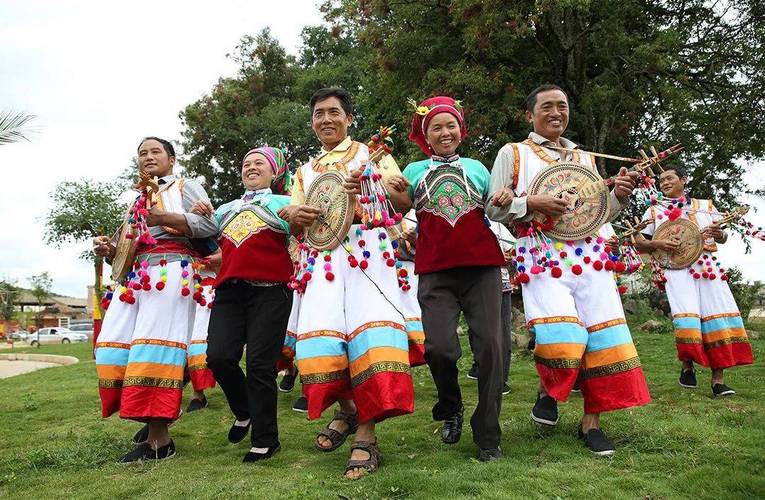
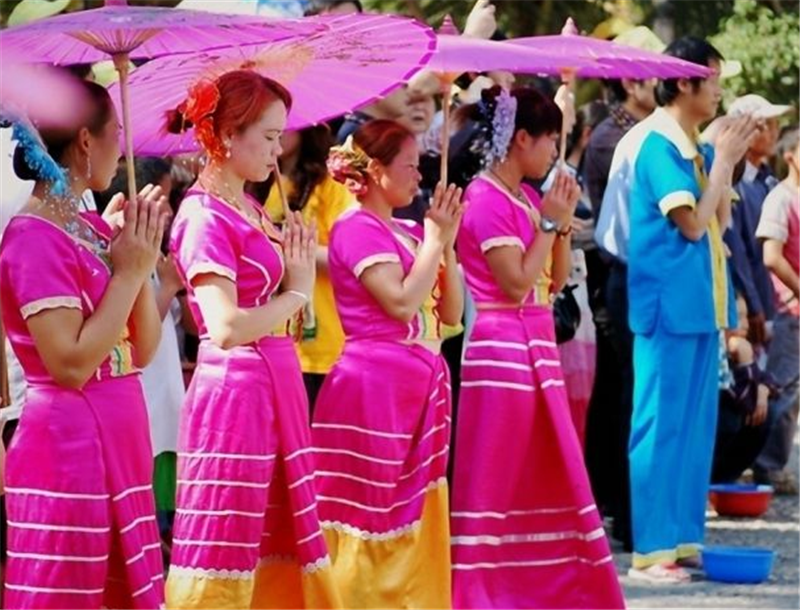
Lancang is one of the most culturally diverse areas of southwestern Yunnan. Lahu culture forms the county's central identity, while Yi, Hani, Wa and other ethnic communities contribute to a much broader cultural landscape.
For international visitors, ethnic culture should be experienced through local communities rather than reduced to performances alone. Village walks, traditional architecture, agricultural landscapes, local food, tea production, music, handicrafts and conversations with community members can provide a more meaningful understanding of Lancang.
A customized Lancang ethnic culture tour can therefore combine several different communities instead of focusing on one ethnic group. For example, a route can connect Hani tea culture in Jiujing and Huimin with Yi communities in Qianliu and Wa villages in Ankang or Xuelin.
Lancang Tea Culture Tourism
Tea is one of the strongest tourism themes in Lancang. The county's mountain environment, traditional tea gardens and ethnic communities have created a cultural landscape in which tea production is closely connected with village life.
The Huimin area, especially the Jingmai and Mangjing region, is particularly important for visitors interested in ancient tea forests, tea-growing traditions and the relationship between tea and ethnic culture.
A Lancang tea culture tour can include tea garden walks, traditional processing demonstrations, tea tasting, village visits, agricultural education and landscape photography. For international travelers, it is useful to explain the entire production process rather than presenting tea simply as a tasting activity.
Lancang Intangible Cultural Heritage and Cultural Study Resources
The county's ethnic communities provide extensive resources for intangible cultural heritage study, including traditional music, dance, oral traditions, clothing, food culture, handicrafts, agricultural knowledge and community customs.
Different townships are suitable for different research themes. Hani areas can support studies of mountain agriculture and tea culture, Yi communities can provide material for ethnic traditions and village geography, while Wa areas offer valuable resources for music, oral traditions, traditional lifestyles and cultural preservation.
For overseas schools and universities, Yaso Trip can design field-study programs around these themes, combining classroom preparation with village visits, interviews, demonstrations and guided interpretation.
Lancang International Education and Study Tours
Lancang has strong potential for international education tours and students education study tours because its tourism resources are closely connected with real communities and living cultural landscapes.
A student group can study how ethnic communities adapt to mountainous environments, how tea agriculture influences local economies, how traditional villages are preserved, and how cultural heritage is transmitted between generations. Environmental programs can also examine forests, river systems, biodiversity and the relationship between conservation and rural development.
A multi-day study program can combine Menglang for orientation, Huimin and Jiujing for tea and Hani culture, Qianliu for Yi culture, and one or more Wa townships for comparative ethnic studies. This gives students a broader understanding of Yunnan ethnic diversity rather than focusing on one isolated attraction.
Lancang Rural Tourism and Village Experiences
Village tourism is one of Lancang's strongest opportunities for travelers who prefer authentic rural experiences. Many communities are not conventional tourist attractions, so visits should be arranged with appropriate local coordination.
A good rural itinerary can include village walks, local meals, tea gardens, traditional houses, agricultural activities and cultural interpretation. Photography groups can also combine sunrise and sunset landscapes with village architecture and mountain scenery.
Because many villages are located in mountainous areas, private transportation with an experienced local driver and guide is usually more practical than relying entirely on public transport.
Lancang Border Tourism
The southwestern part of Lancang has particular significance because the county borders Myanmar. Border areas should be approached as geographical and cultural destinations rather than simply as places to photograph the boundary.
For international visitors, border-region travel can be combined with studies of trade, migration, ethnic relationships, language, agriculture and cultural exchange between Yunnan and neighboring Southeast Asia. Travel arrangements should always follow current local border-management requirements.
Best Way to Travel Through Lancang
Lancang is best explored by private vehicle, customized tour or carefully planned self-driving itinerary. Distances on a map can be misleading because mountain roads, weather and road conditions can significantly affect travel time.
For first-time international visitors, a route based around Menglang is the easiest option. Travelers with more time can continue toward Huimin, Jiujing, Qianliu, Fubang and the Wa ethnic townships.
A private vehicle also allows travelers to stop at viewpoints, tea gardens and villages that are difficult to reach through scheduled public transportation.


 View All Yunnan Tours


 View All Yunnan Theme Tours by Interest


 Home









 Contact Information