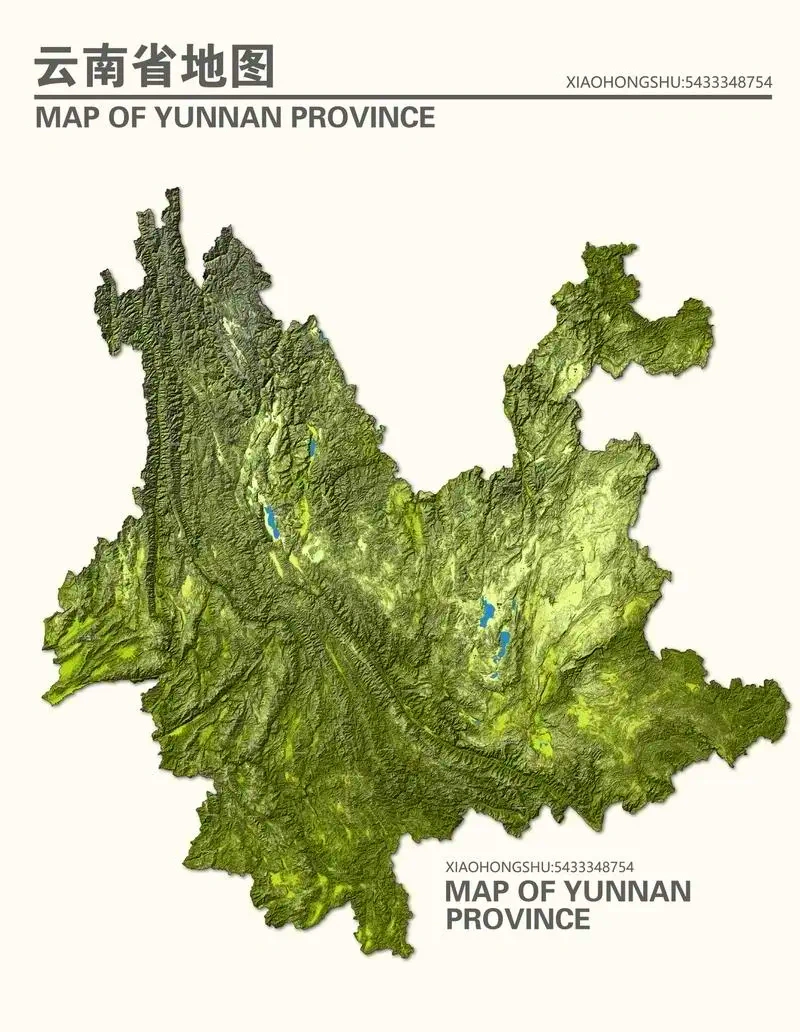
Lancang Lahu Autonomous County (澜沧拉祜族自治县) is the only Lahu autonomous county in China and one of the most distinctive destinations in southwestern Yunnan for experiencing living ethnic minority traditions. Located in the China–Myanmar border region, Lancang is home to Lahu, Blang, Dai, Wa, Yi, Hani and other communities whose traditional music, farming customs, religious practices, village life and seasonal celebrations remain closely connected with everyday life.
For international visitors, Lancang is particularly valuable because its festivals are not simply performances created for tourists. Many celebrations are connected with the agricultural calendar, ancestral traditions, creation mythology, tea culture and village community life. The annual festival calendar therefore provides an excellent way to understand Lancang through Lahu culture, ethnic minority intangible cultural heritage, ancient village traditions, borderland customs and tea culture.
The county's festival resources are spread across different cultural areas. Menglang Town (勐朗镇) is the main urban center for large-scale public celebrations and cultural events, while Laodabao (老达保) in Jiujing Hani Ethnic Township (酒井哈尼族乡) is one of the most important places for Lahu music and intangible cultural heritage. Huimin Town (惠民镇), particularly Jingmai Mountain (景迈山), connects Blang and Dai traditions with ancient tea forests and traditional villages. Nuozhadu Town (糯扎渡镇), Xuelin Wa Ethnic Township (雪林佤族乡) and Ankang Wa Ethnic Township (安康佤族乡) provide opportunities to experience farming festivals and borderland Wa traditions.
Lancang Festival Calendar: Four Seasons of Ethnic Minority Culture
Lancang's annual festival calendar can be understood through four broad cultural seasons. Spring emphasizes Lahu creation traditions and New Year celebrations; summer brings fire-related festivals and mountain-community celebrations; autumn focuses on harvest, new rice and tea culture; while winter offers smaller local festivals and rural market events.
Festival dates can vary according to the lunar calendar and the annual local program. Travelers planning a festival-focused visit should therefore confirm the current year's official schedule before departure.
Spring Festivals in Lancang | Creation Culture and New Year Traditions
Spring is one of the most important periods for experiencing Lahu culture in Lancang. The season combines large-scale public ethnic celebrations with village-level New Year customs, making it particularly attractive for visitors interested in Lahu creation mythology, traditional music, dance and intangible cultural heritage.
Lahu Hulu Festival (葫芦节) | A Celebration of Lahu Creation Culture
The Lahu Hulu Festival (葫芦节) is one of the most representative celebrations of the Lahu people. The gourd, or hulu, has a profound symbolic role in Lahu creation traditions. According to Lahu mythology, people emerged from a gourd, making the symbol closely associated with the origins of the community and its cultural identity.
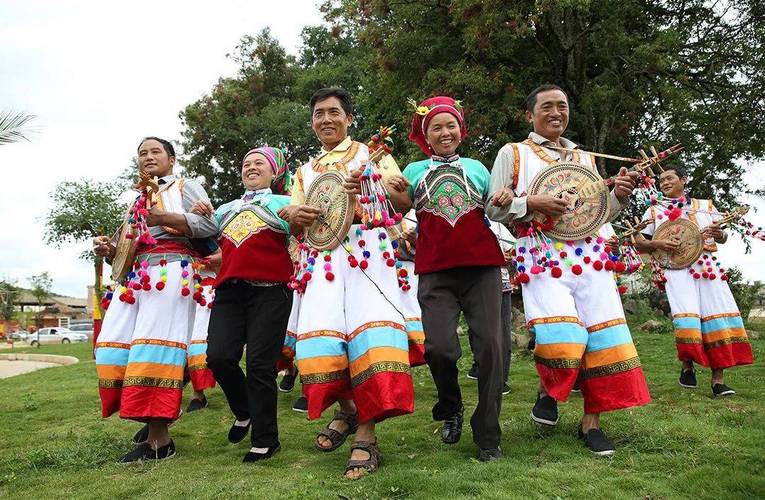
In Lancang, the Hulu Festival can include large-scale celebrations in Menglang and cultural activities in Lahu villages such as Laodabao. Depending on the year's program, celebrations may feature traditional costumes, Lahu singing and dancing, lusheng performances, bai dance, drum performances, village gatherings, folk sports, agricultural products, handicrafts and cultural exhibitions.
The festival is especially important for visitors because it brings together several aspects of Lahu culture in one setting. Music, dance, traditional clothing, food, village customs and creation mythology can all be encountered during the celebration, while cultural activities connected with Mu Pa Mi Pa (牡帕密帕), the Lahu creation epic, provide a deeper understanding of the community's traditional worldview.
Large public celebrations are generally organized according to the local annual festival program, so travelers should check the official dates for the year of travel rather than relying on a fixed Gregorian-calendar date.
Lahu Kuota Festival (拉祜族扩塔节) | Lahu New Year
The Lahu Kuota Festival (扩塔节) is the traditional New Year celebration of the Lahu people. “Kuota” refers to the Lahu New Year, and traditional celebrations are organized around different stages of the New Year period.
The most meaningful experiences often take place inside villages rather than at a large public venue. Families gather around the firepit, prepare traditional foods, visit relatives and neighbors, exchange New Year greetings and take part in singing and dancing. Traditional glutinous rice foods, communal meals, lusheng music and village gatherings create a strong sense of community.
For international visitors, the Kuota Festival offers an opportunity to see how a traditional ethnic New Year is connected with family, village relationships and the household firepit. Visitors should remember that some household and ritual activities are private, so participation and photography should always be based on local permission.
Summer Festivals in Lancang | Fire, Community and Mountain Traditions
The summer festival season is associated particularly with the Yi Torch Festival and related fire traditions. In mountain communities, fire has long carried meanings connected with protection, prosperity, agricultural life and community solidarity.
Yi Torch Festival (彝族火把节)
The Yi Torch Festival (彝族火把节) is traditionally celebrated on the 24th day of the sixth lunar month. Yi communities gather for fire-related ceremonies, singing, dancing and communal celebrations.
In Lancang, the festival also reflects the multicultural environment of the county, where different ethnic communities live in close proximity. Depending on the location and annual arrangements, celebrations may include large torches, village gatherings, folk performances, traditional games and evening dancing.
For travelers, the attraction lies not only in watching the fire celebrations but also in seeing how a mountain community organizes a collective festival. The experience is particularly different from staged cultural shows because village celebrations remain closely connected with local residents and their seasonal traditions.
Multi-Ethnic Torch Festival Traditions
Lancang's fire-related celebrations also reflect interaction among Lahu, Yi and other communities. In some villages, large torches are erected and families light lamps or fires around their homes, accompanied by prayers for peace, good harvests and community well-being.
Traditional songs, dancing, gatherings with relatives and communal meals can continue into the evening. Visitors interested in ethnic minority festival tours in Yunnan can use the Torch Festival period to explore the relationship between fire symbolism, agriculture and village life.
Autumn Festivals in Lancang | Harvest, New Rice and Ancient Tea Forest Culture
Autumn is the season when Lancang's agricultural traditions become particularly visible. Rice harvests, village celebrations and tea culture provide a strong connection between the natural environment and ethnic community life.
Wa and Lahu New Rice Festivals
The New Rice Festival is an important expression of agricultural culture among communities in Lancang, particularly in Wa and Lahu areas. In villages around Ankang, Xuelin and other ethnic communities, the arrival of newly harvested rice can be marked by ceremonies, communal meals, traditional songs and dances.
The central idea is gratitude for the harvest and respect for the natural environment that supports village life. Rice is not treated simply as a crop but as part of a larger cultural relationship involving farmland, forests, water, ancestors and the community.
For international visitors, a New Rice celebration can provide a more intimate cultural experience than a large urban festival. Subject to local arrangements and permission, visitors may observe traditional food preparation, village gatherings and folk performances while learning about mountain farming practices.
Jingmai Mountain Blang Tea Culture and Seasonal Rituals
Jingmai Mountain (景迈山) provides a completely different dimension to Lancang's autumn cultural calendar. The area is internationally recognized for its ancient tea forests and traditional villages, and in 2023 the Pu'er Jingmai Mountain Ancient Tea Forest Cultural Landscape was inscribed on the UNESCO World Heritage List.
The cultural landscape combines ancient tea forests, traditional villages and protective forest areas, reflecting a long-established relationship between tea cultivation, forest conservation and community life. Blang and Dai traditions are particularly prominent in the Jingmai Mountain villages, including Wengji (翁基), Mangjing (芒景) and Nuogan (糯干).
Seasonal tea-related activities can include respect for tea ancestors, traditional tea preparation, village gatherings and tea tasting. These traditions should be understood as part of the broader cultural landscape rather than as a single commercial festival. For travelers, the combination of ancient tea forests, traditional houses, village life and tea customs creates one of Lancang's most distinctive cultural experiences.
Winter Festivals in Lancang | Rural Markets and Local Mountain Traditions
Winter is generally a quieter period in Lancang's festival calendar. With the arrival of the dry season, mountain landscapes can become particularly clear, while villages and townships hold smaller-scale local activities connected with seasonal agricultural products and rural life.
Lancang Docynia Festival (栘依节) | A Local Winter Food Festival
The Docynia Festival (栘依节) is associated particularly with Nuozhadu Town. Docynia, a locally available mountain fruit with a distinctive sweet-and-sour taste, gives the festival its characteristic local identity.
The festival brings together farmers and residents with Docynia products and other local specialties. Depending on the year's arrangements, visitors may encounter rural product exhibitions, local food, folk performances, cultural activities and community gatherings.
Rather than being a large international event, the Docynia Festival is valuable precisely because of its local character. It provides a chance to see how seasonal mountain products become part of a community celebration and rural market culture.
Lancang Annual Ethnic Festival and Event Calendar
| Season |
Festival or Event |
Main Cultural Area |
Typical Timing |
Main Cultural Features |
| Spring |
Lahu Hulu Festival (葫芦节) |
Menglang and Lahu villages including Laodabao |
Annual local program |
Creation mythology, traditional costumes, lusheng music, bai dance, folk performances and communal celebrations |
| Spring |
Lahu Kuota Festival (拉祜族扩塔节) |
Lahu villages across Lancang |
Lunar New Year period |
Firepit traditions, New Year greetings, traditional food, music, dancing and village gatherings |
| Summer |
Yi Torch Festival (彝族火把节) |
Yi communities and other participating villages |
24th day of the sixth lunar month |
Torch ceremonies, fire traditions, singing, dancing and communal celebrations |
| Autumn |
Wa and Lahu New Rice Festivals |
Ankang, Xuelin and other ethnic villages |
Harvest season |
New rice, agricultural traditions, communal meals, ceremonies and folk performances |
| Autumn |
Jingmai Mountain Tea Culture Activities |
Huimin, Jingmai Mountain and traditional villages |
Seasonal/local program |
Tea traditions, ancient tea forests, village culture, tea tasting and respect for tea ancestors |
| Winter |
Docynia Festival (栘依节) |
Nuozhadu Town and surrounding areas |
December, according to local program |
Docynia products, rural food, local specialties, folk performances and mountain-village culture |
Dai Water-Splashing Festival and Other Ethnic Celebrations
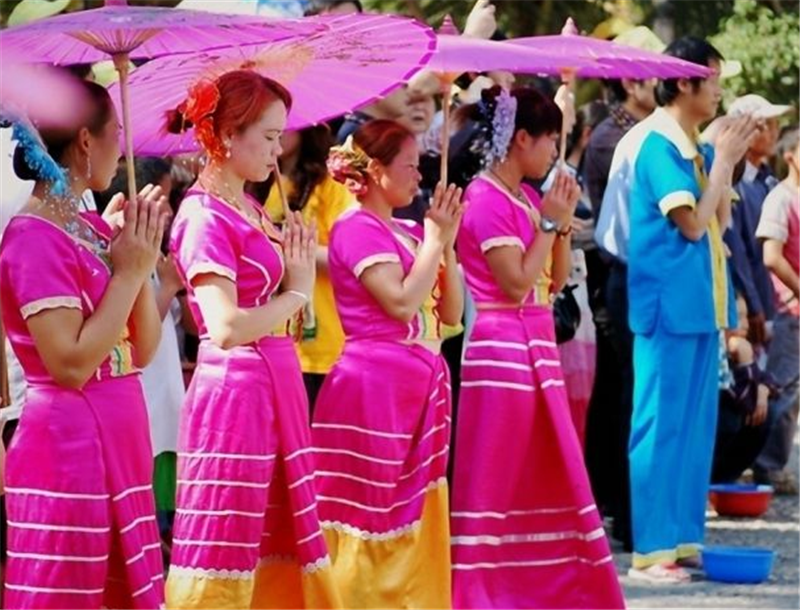
Lancang's festival calendar is not limited to Lahu and Yi traditions. Dai communities also maintain celebrations associated with the Dai Water-Splashing Festival (傣族泼水节), known in Dai tradition as a New Year celebration. It generally falls around the first month of the Dai calendar, corresponding roughly to April in the Gregorian calendar.
Water-splashing customs are connected with blessing, purification, renewal and welcoming the New Year. In Dai communities, festival activities can also be associated with Buddhist traditions, traditional dress, communal meals, singing and village gatherings.
The timing and scale of Dai celebrations differ between communities. Travelers interested in Dai culture should therefore select a specific village or town and confirm its current celebration arrangements before visiting.
Lancang is also home to Hani and other ethnic communities, each contributing its own oral traditions, agricultural customs, food culture, clothing, music and village practices. This makes the county particularly suitable for travelers who want to study multi-ethnic cultural diversity rather than focus on only one ethnic group.
Lancang Festival Travel by Cultural Theme
Lahu Creation, Music and Intangible Cultural Heritage
For travelers primarily interested in Lahu culture, Laodabao is one of the most important cultural destinations. The village is strongly associated with Lahu music, traditional performance and the transmission of Lahu intangible cultural heritage. Lancang's national-level intangible cultural heritage includes Mu Pa Mi Pa, the Lahu creation epic, and Lahu Lusheng Dance, providing an important cultural foundation for festival travel.
A festival visit can be combined with exploration of Lahu traditional architecture, music, costumes, oral traditions and household customs. Laodabao has also been recognized as a national intangible cultural heritage tourism village, making it particularly suitable for visitors interested in living cultural traditions.
Jingmai Mountain Tea and Ancient Village Culture
Visitors interested in tea culture should focus on Jingmai Mountain and its traditional villages. The heritage landscape contains five ancient tea forests, nine traditional villages and three protective forest areas, demonstrating a long-term relationship between tea cultivation, forest conservation and village life.
The experience is particularly suitable for travelers interested in World Heritage culture, ethnic minority traditions, traditional ecological knowledge and tea tourism.
Wa Borderland and Agricultural Culture
Xuelin and Ankang provide opportunities to explore Wa culture in Lancang's mountainous border region. Traditional houses, wood-drum traditions, agricultural festivals and New Rice celebrations reveal a cultural landscape closely tied to forests, farming and village communities.
Because many villages are remote, cultural visits are best arranged in advance with local contacts or a professional guide. Some rituals and sacred objects are not intended for casual tourist participation.
Tea Horse Road and Multi-Ethnic Exchange
Lancang also contains historical traces associated with the Tea Horse Road and long-distance movement of tea, livestock and people through southwestern Yunnan. These routes help explain why different ethnic groups, languages, religious traditions and commercial customs developed alongside one another.
A cultural journey through Lancang can therefore move beyond individual festivals to explore the broader history of borderland trade, ethnic migration and cultural exchange.
Best Time for an Ethnic Minority Festival Tour in Lancang
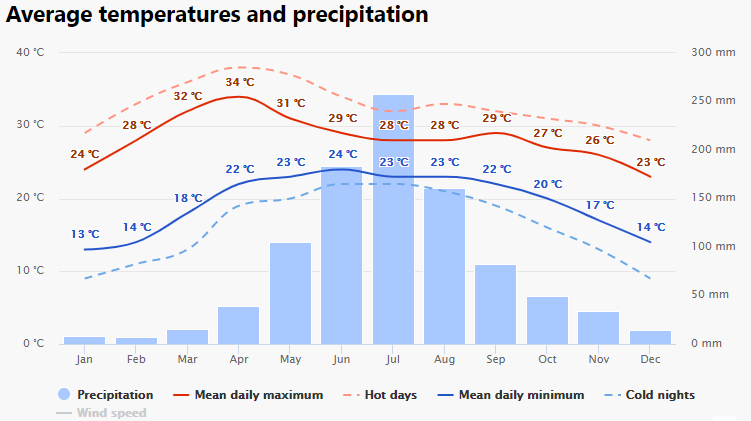
There is no single “best month” for every traveler because each season offers a different cultural focus. Spring is the strongest choice for travelers who want to concentrate on Lahu festivals, creation mythology and traditional music. Summer is more suitable for fire-related celebrations and mountain community activities. Autumn is particularly attractive for travelers interested in harvest culture, New Rice traditions and Jingmai Mountain tea culture. Winter provides a quieter experience centered on rural markets, seasonal foods and village life.
For visitors traveling from overseas, festival dates should always be confirmed before flights and hotels are booked. Lunar-calendar celebrations can shift considerably in the Gregorian calendar, and individual villages may organize their own activities on different dates.
Cultural Etiquette for Festival Travel in Lancang
Festival tourism in Lancang requires more cultural sensitivity than visiting a conventional sightseeing attraction. Some ceremonies are religious, ancestral or community-specific rather than public performances. Visitors should follow the instructions of local hosts and guides and ask before photographing people, ceremonies or sacred objects.
In Lahu villages, the household firepit and certain gourd-related traditions can have cultural or spiritual significance. In Jingmai Mountain, visitors should respect sacred forests, tea ancestor traditions, temples and traditional village spaces. In Wa communities, ritual objects and symbolic items should not be touched without permission.
Traditional costumes, handicrafts, tea products and other cultural goods are best purchased directly from local artisans or community-based producers whenever possible. This gives visitors a more meaningful connection with local culture while supporting the continuation of traditional crafts.
Festival Tours with Yaso Trip
For international travelers, Lancang Lahu Autonomous County offers an unusually rich combination of living ethnic traditions, intangible cultural heritage, ancient villages, tea culture and China–Myanmar borderland culture. Rather than concentrating only on large public events, a well-designed cultural journey can connect festivals with the villages, crafts, landscapes and communities that give those festivals their meaning.
Yaso Trip can arrange customized Lancang ethnic minority festival tours for overseas visitors, including cultural interpretation, private transportation, village visits, intangible cultural heritage experiences, tea culture, traditional music and dance, and connections with local communities where appropriate. Festival travel can also be combined with Jingmai Mountain World Heritage, Laodabao Lahu culture, Wa border villages and other destinations in southwestern Yunnan.
For travelers interested in Ethnic Minority Culture Tour with Yaso Trip, Lancang is particularly suitable for deep cultural exploration rather than a short sightseeing stop. Its year-round festivals provide different entry points into Lahu creation traditions, Blang tea culture, Dai customs, Wa agricultural traditions and the multicultural character of the China–Myanmar border region.