Mojiang Hani Autonomous County (墨江哈尼族自治县) is part of Pu'er City in Yunnan Province. The county government is located in Lianzhu Town (联珠镇), which also serves as the main administrative, tourism and visitor-service center. The county is administered through 12 towns and 3 townships: Lianzhu, Tongguan, Yutang, Yayi, Sinanjiang, Balu, Wenwu, Jingxing, Xinfu, Xin'an, Tuantian and Longba, together with Mengnong Yi Ethnic Township, Longtan Township and Naha Township.
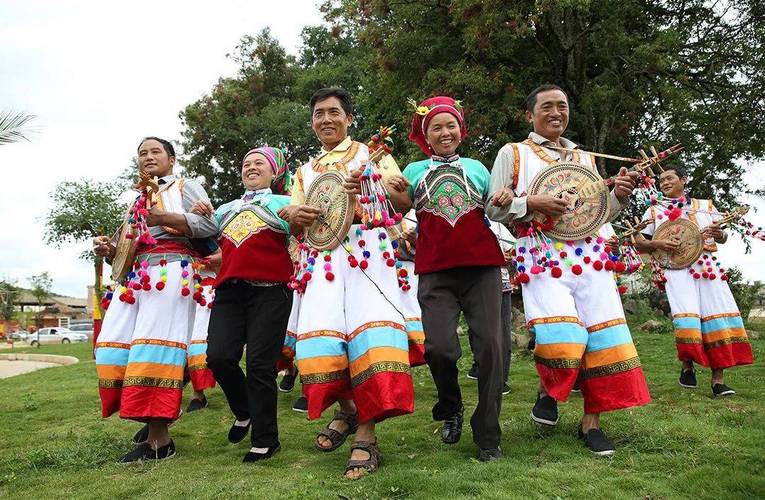
The Tropic of Cancer passes through Mojiang, giving the county a distinctive geographical and cultural identity. Mojiang is one of the important areas for experiencing Hani culture in Yunnan and is widely known as the "Home of Twins." Its cultural landscape is closely connected with Hani traditions, while traces of the ancient Tea Horse Road, mountain tea gardens, traditional villages, terraced farmland, river valleys and reservoirs add considerable variety to the county's tourism resources.
For international visitors, Mojiang travel is particularly suitable for cultural exploration, ethnic village visits, mountain photography, tea experiences and rural journeys. Instead of concentrating on a small number of large scenic attractions, much of the county's appeal comes from the relationship between traditional villages, agricultural landscapes, forests and mountain communities.
Tourism Distribution Across Mojiang
The tourism resources of Mojiang Hani Autonomous County follow a clear pattern: the county seat provides the main visitor services, while individual towns and townships offer different combinations of ethnic culture, mountain scenery, tea production, agriculture and rural life.
The county covers a broad mountainous area, and tourism sites are spread across different valleys and highland settlements. Distances between towns can be considerable because of the terrain, while many cultural and natural attractions are located within or around villages rather than in concentrated tourism zones.
For this reason, travelers planning a Mojiang Yunnan tour should allow enough time for road travel and consider combining nearby areas into a practical route. Lianzhu is the most convenient base for beginning a journey, while the surrounding towns are better suited to travelers who want to explore ancient tea gardens, traditional Hani and Yi villages, agricultural landscapes, forests and less-commercialized mountain areas.
Tourism Resources by Town and Township
Lianzhu Town – The Tourism Hub of Mojiang
Lianzhu Town (联珠镇) is the county seat and the most convenient starting point for exploring Mojiang. It functions as the main tourism and visitor-service center, with accommodation, dining, transportation and other travel facilities concentrated around the urban area.
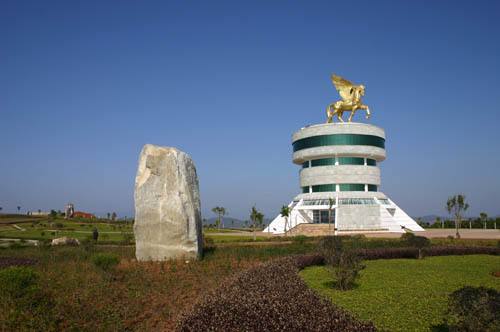
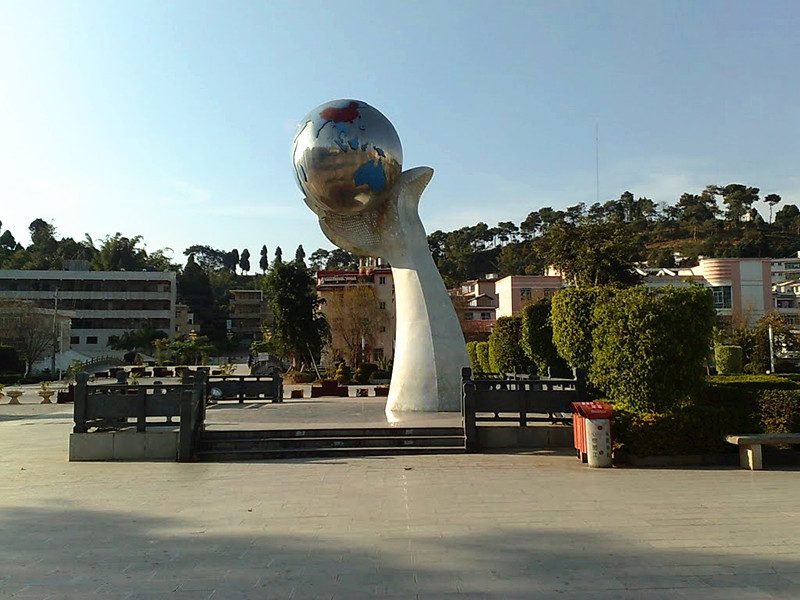
The town's main attractions include Mojiang Tropic of Cancer Marker Park (北回归线标志园), Twin Culture Park (双胞文化园), Bixi Ancient Town (碧溪古镇), Mojiang Confucian Temple (墨江文庙) and Sun Plaza (太阳广场). Bixi retains its connection with the historical Tea Horse Road and was once an important ancient post station.
Nearby Hani settlements, including Keman Hani Village (克曼哈尼民俗村寨), provide opportunities to see traditional architecture and local customs. For international visitors, Lianzhu is the natural place to organize transportation, rest between longer journeys and begin an exploration of the county's cultural attractions.
Tongguan Town – Tea Horse Road Heritage and Local Food
Tongguan Town (通关镇) is an important transportation point along the Kunming–Bangkok corridor and has a history associated with the Tea Horse Road. Its tourism resources combine transport heritage, local parks, village landscapes and food traditions.
Haiwei Xiaozhai Scenic Area (海尾小寨景区) is a 3A-rated scenic attraction, while Jinma Park (金马公园) provides another local sightseeing option. The area also retains memories of caravan trade and traditional commercial activity.
Food is part of Tongguan's local identity, particularly Tongguan Braised Chicken (通关黄焖鸡). Travelers passing through the town can combine local cuisine with an introduction to the area's Tea Horse Road heritage.
Jingxing Town – Ancient Tea Gardens and Hani Tea Culture
Jingxing Town (景星镇) is one of the important tea-producing areas of Mojiang. Its best-known resource is Fenghuangwo Ancient Tea Garden (凤凰窝千年古茶园), where old tea trees grow within a high-mountain forest environment.
The surrounding landscape combines ancient tea trees, mountain forests and traditional agricultural areas. For visitors interested in Yunnan tea culture, Jingxing offers an opportunity to see how tea cultivation is integrated into the natural environment and the daily life of local communities.
Hani tea customs are another important part of the experience. A visit to the tea-growing areas can be combined with rural photography, village exploration and a slower journey through the mountains.
Mengnong Yi Ethnic Township – Yi Culture, Rice Fields and Coffee
Mengnong Yi Ethnic Township (孟弄彝族乡) is a Yi ethnic settlement area in Mojiang. Its most notable cultural tourism resource is Gejietian Yi Ancient Village (隔界田彝族古村落), a 3A-rated attraction featuring traditional village scenery and Yi cultural characteristics.
The surrounding countryside includes rice fields, coffee-growing areas and mountain villages. The combination of Yi culture, traditional settlement patterns and agricultural landscapes makes this area suitable for travelers seeking a more rural side of Yunnan.
Longba Town – Traditional Hani Villages and Terraced Fields
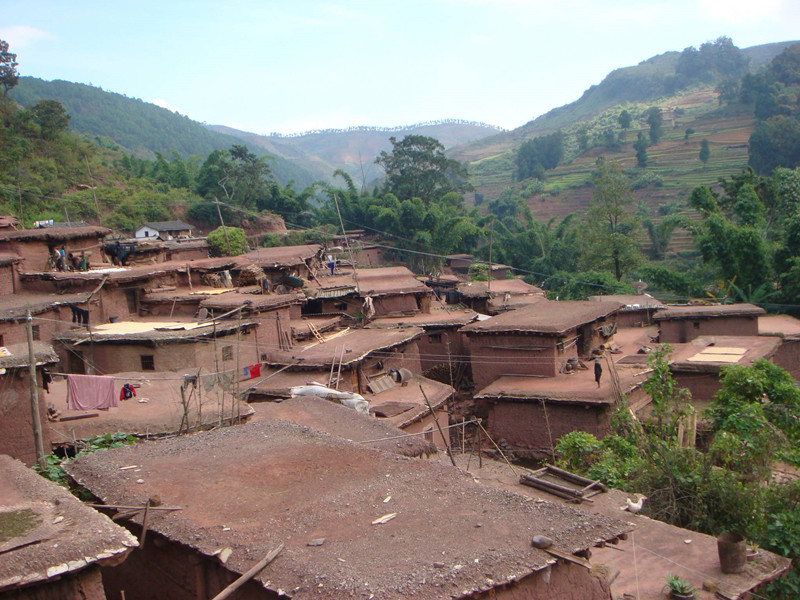
Longba Town (龙坝镇) is one of the areas where Hani communities are concentrated. Traditional Hani villages, flat-roof earthen houses and terraced farmland form the main tourism resources.
The town is also associated with Mojiang's purple-rice cultivation. Visitors interested in Hani culture, traditional agriculture and rural landscapes can explore village surroundings and observe how settlements and farmland adapt to the mountainous terrain.
Naha Township – Hani Villages, Markets and Mountain Valleys
Naha Township (那哈乡) lies in the southern part of Mojiang and has a strong Hani cultural character. Zhujie Pojiatian Market (珠街坡脚田跨州集市) is a distinctive local market where several surrounding administrative areas meet, providing a glimpse into rural trade and everyday life.
The surrounding mountains feature highland terraces, river valleys, lake scenery and traditional Hani settlements. Naha is particularly suitable for travelers interested in ethnic villages, local markets and mountain landscapes away from major tourist centers.
Sinanjiang Town – Reservoir and Canyon Landscapes
Sinanjiang Town (泗南江镇) is centered around the reservoir area. Sinanjiang Reservoir (泗南江水库) creates a highland lake landscape surrounded by mountains and steep valleys.
The area is suitable for landscape photography, recreational fishing and nature exploration. Forests, streams, cliffs and reservoir scenery give Sinanjiang a distinctly different character from the tea-growing areas and ethnic villages elsewhere in Mojiang.
Balu Town – Forests, Waterfalls and Mountain Villages
Balu Town (坝溜镇) occupies a mountainous area in eastern Mojiang characterized by highland valleys and streams. Its tourism resources are primarily natural and rural, including forests, waterfalls, mountain streams and traditional Hani villages.
Visitors looking for quieter experiences can explore the mountain roads and village environments, where traditional settlements remain closely connected with surrounding forests and agricultural land.
Yayi Town – Terraces, Ancient Tea Trees and Hani Agriculture
Yayi Town (雅邑镇) is a semi-mountainous agricultural area where terraces, ancient tea tree groups and Hani villages form the main tourism resources.
The landscape is particularly attractive for rural photography. Visitors can observe traditional farming patterns and village life while enjoying the changing appearance of mountain terraces throughout the year.
Wenwu Town – Mountain Flower Landscapes and Rural Villages
Wenwu Town (文武镇) lies in the southern mountainous part of the county. Its tourism resources include mountain flower landscapes, forest-based agricultural scenery and traditional villages inhabited by local ethnic communities.
Rather than relying on large developed attractions, tourism in this area is centered on natural surroundings, agricultural landscapes and opportunities to experience the countryside.
Xinfu Town – Forests, Streams and Hiking
Xinfu Town (新抚镇) is located in the western mountain area of Mojiang. Forests, streams and canyon landscapes provide opportunities for hiking, nature photography and outdoor exploration.
The town is suitable for travelers who prefer quiet mountain environments and less-commercialized destinations. Its natural scenery can be incorporated into longer rural and hiking itineraries.
Xin'an Town – Bamboo Forests and Mountain Countryside
Xin'an Town (新安镇) lies in the northwestern mountainous part of Mojiang. Bamboo forests, mountain vegetation and agricultural countryside are among its main landscape features.
The area is better suited to slow travel, countryside photography and short walks through rural settlements than to conventional sightseeing focused on large attractions.
Tuantian Town – Highland Forests and Wild Mushrooms
Tuantian Town (团田镇) is located in the northern mountain area. Highland forests and wild mushroom resources are among its most distinctive seasonal features.
During the mushroom season, the mountain environment provides an interesting combination of forest scenery, local food culture and rural life. The area is particularly appealing to travelers interested in seasonal natural landscapes.
Yutang Town – Tropical Fruit and Mountain Landscapes
Yutang Town (鱼塘镇) is located in southwestern Mojiang. Tropical fruit-growing areas are combined with mountain forests and rural farmland.
The town illustrates the agricultural diversity of southern Yunnan, where warmer valleys and higher elevations create different growing environments. It is suitable for travelers interested in rural landscapes and agricultural experiences.
Longtan Township – Remote Forests and Quiet Villages
Longtan Township (龙潭乡) occupies a deep mountainous area in southern Mojiang. Its main tourism resources include forested mountains, quiet villages and relatively secluded ethnic communities.
For experienced travelers, Longtan provides opportunities for deeper rural exploration. The area is more appropriate for travelers seeking authentic mountain environments and small villages than for visitors looking for developed sightseeing facilities.
Administrative Divisions and Representative Villages of Mojiang
The following table presents the administrative structure of the county, including towns and townships, communities, administrative villages and representative natural villages. The representative village names are selected from locally known settlements and do not attempt to list every small village group.
Town / Township |
Type |
Communities and Administrative Villages, with Representative Villages |
Key Tourism Resources |
Lianzhu Town (联珠镇) |
Town |
Zijin Community (紫金社区), Tianxi Community (天溪社区), Huigui Community (回归社区), Sangtian Community (桑田社区); Bixi Village (碧溪村), Keman Village (克曼村), Yongxi Village (勇溪村), Banmao Village (班茅村), Guineng Village (癸能村), Zhetie Village (者铁村), Puzuo Village (埔佐村), Caiyuan Village (菜园村); representative villages: Bixi Ancient Town (碧溪古镇), Keman Village (克曼村), Guineng Hani Ancient Village (癸能哈尼古寨) |
Mojiang Tropic of Cancer Marker Park (北回归线标志园), Twin Culture Park (双胞文化园), Mojiang Confucian Temple (墨江文庙), Bixi Ancient Town (碧溪古镇) and Hani villages |
Tongguan Town (通关镇) |
Town |
Tongguan Community (通关社区), Yongma Village (永马村), Huotian Village (活田村), Rongping Village (荣平村), Anmin Village (安民村), Biku Village (毕库村), Mangka Village (芒卡村), Xinwu Village (新武村); representative villages: Haiwei Xiaozhai (海尾小寨), Jiulong Village (旧竜寨) |
Haiwei Xiaozhai 3A Scenic Area (海尾小寨3A景区), Jinma Park (金马公园), Tea Horse Road heritage and local braised chicken culture |
Jingxing Town (景星镇) |
Town |
Jingxing Village (景星村), Xinhua Village (新华村), Guanting Village (官厅村), Shanbi Village (山碧村), Bao'an Village (保安村), Zhenglong Village (正龙村), Taihe Village (太和村); representative villages: Saci Village (洒次寨), Fenghuangwo Village (凤凰窝寨) |
Fenghuangwo Ancient Tea Garden (凤凰窝千年古茶园), high-mountain ancient tea forests and Hani tea culture |
Mengnong Yi Ethnic Township (孟弄彝族乡) |
Ethnic Township |
Mengnong Village (孟弄村), Fudong Village (富东村), Banpo Village (半坡村), Bingman Village (丙曼村), A'luo Village (阿洛村); representative villages: Gejietian Village (隔界田村), Nakahe Village (那卡河寨) |
Gejietian 3A Yi Ancient Village (隔界田3A级彝族古村), Yi culture, rice fields and coffee-growing landscapes |
Longba Town (龙坝镇) |
Town |
Longba Village (竜巴村), Mengli Village (勐里村), Longbin Village (竜宾村), Dadong Village (打东村), Manpo Village (曼婆村), Shitou Village (石头村); representative villages: Longba Hani Ancient Village (竜巴哈尼古寨), Damienduo Village (大乜多村) |
Traditional Hani flat-roof houses, terraced fields and Mojiang purple-rice farmland |
Naha Township (那哈乡) |
Township |
Naha Village (那哈村), Zhujie Village (珠街村), Geya Village (格牙村), Niuhong Village (牛红村); representative villages: Pojiatian Village (坡脚田村), Luote Old Village (洛特老寨) |
Zhujie Market (珠街集市), high-mountain terraces, Hani villages and river-valley scenery |
Sinanjiang Town (泗南江镇) |
Town |
Qiangang Village (千岗村), Badou Village (巴豆村), Xiqi Village (西岐村), Tianfang Village (田房村), Suwei Village (苏卫村); representative villages: Qiangang Village (千岗寨), Dashaba Village (大沙坝寨) |
Sinanjiang Reservoir (泗南江水库), high-gorge lake scenery, canyon landscapes and reservoir ecology |
Balu Town (坝溜镇) |
Town |
Lianzhu Village (联珠村), Laopeng Village (老彭村), Habuhe Village (哈布河村), Bai'e Village (白俄村), Epu Village (厄甫村); representative villages: Dazhang Village (大掌寨), Laoma Village (老玛寨) |
Mountain valleys, streams, waterfalls, Hani villages and forests |
Yayi Town (雅邑镇) |
Town |
Yayi Village (雅邑村), Zuoxi Village (座细村), Nangu Village (南谷村), Xuka Village (徐卡村), Dazhang Village (大掌村); representative villages: Zuoxi Hani Village (座细哈尼寨), Nangu Ancient Tea Village (南谷古茶寨) |
Highland terraces, ancient tea tree groups and Hani agricultural villages |
Wenwu Town (文武镇) |
Town |
Yakou Village (丫口村), Manno Village (曼糯村), Anda Village (安大村), Mapu Village (马甫村); representative villages: Jiumo Village (旧莫寨), Pude Village (普的寨) |
Mountain flower landscapes, forest-based agriculture and traditional ethnic villages |
Xinfu Town (新抚镇) |
Town |
Xintang Village (新塘村), Manhai Village (曼海村), Baisha Village (白沙村), Jiepai Village (界牌村); representative villages: Daping Village (大平寨), Wadi Village (瓦底寨) |
Forests, canyon streams and mountain hiking resources |
Xin'an Town (新安镇) |
Town |
Xin'an Village (新安村), Baili Village (白利村), Dengkong Village (邓控村), Wayan Village (挖岩村); representative villages: Wayan Old Village (挖岩老寨), Bulong Village (布竜寨) |
Bamboo forests, mountain ecology and rural agricultural scenery |
Tuantian Town (团田镇) |
Town |
Tuantian Village (团田村), Fuxing Village (复兴村), Laowei Village (老围村), Xinlong Village (新龙村), Lvye Village (绿叶村); representative villages: Dapingzhang Village (大平掌寨), Chahe Village (岔河寨) |
Highland forests, wild mushroom areas and seasonal mountain landscapes |
Yutang Town (鱼塘镇) |
Town |
Yutang Village (鱼塘村), Huashan Village (花山村), Shulin Village (树林村), Jingping Village (景平村); representative villages: Dashujiao Village (大树脚寨), Manlao Village (曼老寨) |
Tropical fruit farmland, mountain forests and rural landscapes |
Longtan Township (龙潭乡) |
Township |
Longtan Village (龙潭村), Muhua Village (木化村), Liangzi Village (梁子村), Sanjia Village (三家村), Shiping Village (石屏村); representative villages: Puchu Village (普初寨), Datian Village (大田寨) |
Deep mountain forests, quiet ethnic villages and secluded rural landscapes |
|
Planning a Mojiang Travel Route
For first-time visitors, Lianzhu Town is the most practical base because it brings together the county's main visitor services and several of its most recognizable cultural attractions. The Tropic of Cancer attractions, Twin Culture heritage, Confucian temple and Bixi Ancient Town can be incorporated into an initial sightseeing route before heading into the surrounding mountains.
Travelers with additional time can extend their itinerary toward Jingxing Town for ancient tea gardens, Mengnong Yi Ethnic Township for Yi villages and agricultural landscapes, Longba Town for Hani settlements and terraces, or Sinanjiang Town for reservoir and canyon scenery. These areas work particularly well for travelers who prefer rural exploration over conventional city sightseeing.
Because tourism resources are widely distributed, private transportation and a customized Yunnan itinerary can make travel between villages and mountain areas much easier. A carefully arranged route can combine several destinations without unnecessary backtracking, while also leaving enough time for village walks, photography, tea experiences and interaction with local communities.
For international travelers, Mojiang tourism offers a distinctive combination of Hani culture, Yi culture, Tropic of Cancer heritage, ancient tea gardens, traditional villages, terraced agriculture and mountain landscapes. It is a strong choice for travelers who want to explore a quieter and more culturally focused side of Yunnan beyond the province's major tourist cities.