Mojiang Hani Autonomous County is a mountainous destination in southern Yunnan where transportation is closely connected with the landscape. The county stretches from the urban area around Lianzhu Town to remote mountain villages, Hani terraced fields and ethnic communities scattered across the Ailao Mountain region.
For international visitors, getting to Mojiang is relatively straightforward because the main transportation corridor between Kunming and southern Yunnan passes through the county. Once away from the county center, however, roads become narrower and more winding, and public transportation becomes less convenient. Travelers visiting traditional Hani and Yi villages, highland terraces or remote cultural sites will generally find a private car, chartered vehicle or self-drive trip much more practical than relying entirely on buses.
The Mojiang transportation network can be understood in three levels: the main railway and expressway corridor connecting Mojiang with other cities in Yunnan, county and township roads linking local communities, and smaller mountain roads leading to villages and agricultural areas. This makes transportation planning an important part of a deeper cultural trip.
Mojiang Transportation Overview
Mojiang lies along the major transportation corridor connecting Kunming with Pu'er and Xishuangbanna. The G8511 Kunming–Mohan Expressway and the China–Laos Railway provide the two main long-distance transportation options.
The main roads around the county center are generally in good condition, while roads to mountain townships and villages are more likely to include steep gradients, sharp bends and narrow sections. Roads leading to Hani terraced fields may become more demanding, particularly during the rainy season.
For travelers, Mojiang can broadly be divided into four transportation areas: the county center and Lianzhu Town, nearby Hani cultural villages, the mountain areas around Longba and Naha, and more remote southern townships such as Baliu and Wenwu.
Main Transportation Areas in Mojiang
| Area |
Main Features |
Recommended Transport |
| Lianzhu Town (联珠镇) |
County center, Tropic of Cancer attractions, Bixi Ancient Town and nearby Hani villages |
Walking, taxi, local bus, private car |
| Longba Town (龙坝镇) |
Hani villages, purple rice agriculture and terraced fields |
Private car or chartered vehicle |
| Naha Township (那哈乡) |
Highland Hani villages and extensive terraces |
Private car, experienced local driver |
| Mengnong Yi Township (孟弄彝族乡) |
Nisu Yi villages and traditional culture |
Private car or chartered vehicle |
| Baliu and Wenwu |
Remote mountain communities and agricultural landscapes |
Private vehicle or local chartered transport |
Road Conditions and Seasonal Travel
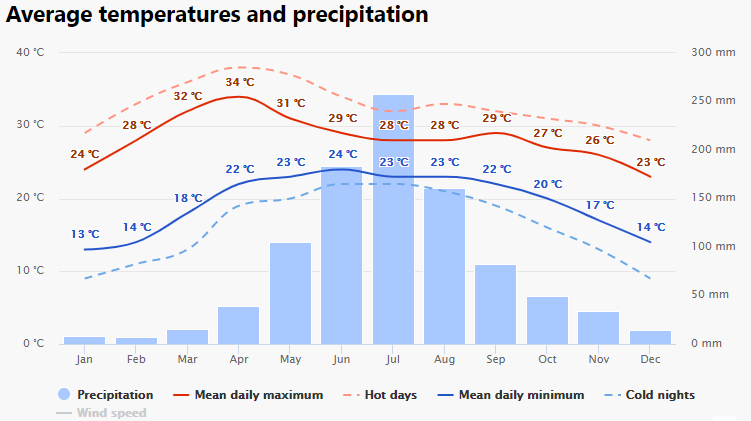
Road conditions change with the terrain and season. From November to April, the generally drier weather makes mountain driving more predictable, although early-morning fog can reduce visibility on higher roads.
From May to October, heavier rainfall can affect mountain roads. Slippery surfaces, falling rocks and temporary slope failures are possible in some areas. Travelers heading toward remote villages should check local road conditions before departure and allow extra time for mountain driving.
Fuel and basic supplies are easiest to obtain in the county center and township markets. Before entering remote mountain areas, it is sensible to refuel and carry drinking water and simple snacks, as shops become less frequent outside the main settlements.
How to Get to Mojiang
By Train: The Most Convenient Long-Distance Option
The Mojiang Railway Station (墨江站) is on the China–Laos Railway and provides a convenient connection between Mojiang and other major destinations in Yunnan.
For travelers arriving from Kunming, Pu'er or areas farther south, taking a train to Mojiang is generally one of the easiest ways to reach the county without driving. Train travel also avoids the long mountain-road journey required by road transportation.
From the railway station, travelers can continue into the county center by local transport, taxi or a pre-arranged private transfer. If your destination is a Hani village or a remote terraced-field area, arranging a vehicle in advance is more convenient than trying to connect several local buses after arriving.
By Long-Distance Bus
Mojiang's main passenger transport facilities connect the county with Kunming, Pu'er, Yuxi, Yuanjiang, Ning'er and other destinations in Yunnan.
Long-distance buses can be useful for independent travelers on a budget, particularly when traveling between Mojiang and nearby counties. However, schedules and departure arrangements can change, so international visitors should confirm the current timetable locally rather than relying on an old schedule published online.
Bus transportation becomes less convenient once you leave the county center. For travelers planning to visit several ethnic villages, terraces and historic sites, a private vehicle is usually more efficient.
By Air
Mojiang does not have its own commercial passenger airport. Travelers arriving by air can use an airport serving a nearby city and continue to Mojiang by train or road.
Pu'er Simao Airport (普洱思茅机场) is one of the nearest aviation options for travelers approaching from the south. Depending on the flight schedule and onward transportation, another practical strategy may be to fly into Kunming and continue by train or private vehicle.
For international visitors, the most convenient combination depends on the arrival city, onward destinations and whether Mojiang is part of a wider Yunnan journey.
By Car from Kunming
Driving from Kunming to Mojiang is straightforward on the main expressway corridor. The G8511 Kunming–Mohan Expressway provides the principal road connection and is the preferred route for most travelers driving from Kunming.
A private car is particularly useful if Mojiang is part of a larger Yunnan road trip because it allows travelers to continue toward Pu'er, Xishuangbanna or other destinations without returning to the railway station.
By Road from Pu'er
Travelers coming from Pu'er can reach Mojiang by road or train. Road travel is useful when the trip includes rural destinations or villages along the way, while the railway is generally more convenient for a simple city-to-city transfer.
By Road from Yuanjiang
The Yuanjiang direction provides another road connection into Mojiang. Some sections of the route pass through mountainous terrain, with long gradients and winding roads.
Drivers unfamiliar with Yunnan mountain roads should take extra care, particularly around bends and on sections shared with heavy trucks.
How to Travel Around Mojiang
Private Car and Chartered Vehicle
For most international visitors exploring the wider county, a private car with an experienced local driver is the most practical option.
A private vehicle makes it easier to connect the Tropic of Cancer attractions, Hani villages, Bixi Ancient Town, Yi villages and mountain terraces without depending on infrequent rural buses. It also allows travelers to stop for photography, village visits and agricultural landscapes when local road conditions permit.
A local driver familiar with Mojiang is especially useful for remote Hani villages because some smaller roads are difficult to identify from standard tourist maps.
Taxi
Taxis are useful within the county center and for short-distance travel. They are practical for reaching attractions around Lianzhu Town, the passenger transport area and other urban locations.
Taxis are much less suitable for a full-day exploration of remote villages and terraces. Travelers should arrange longer-distance transportation in advance rather than assuming a taxi will be available for the return journey from a remote village.
Local Bus
Local buses provide an inexpensive way to move around the county center. They can be useful for travelers visiting urban attractions and nearby areas.
Rural bus services connect the county center with some townships and villages, but departures are less frequent than urban services. Travelers should not rely on rural buses when they need to reach a remote village at a specific time.
Rural Minibuses
Township and village minibuses remain an important part of everyday transportation in Mojiang. They are useful for reaching places such as Longba, Naha and Mengnong when travelers are comfortable with local transportation.
The main limitation is flexibility. Services may operate at particular times rather than on a tourist-friendly timetable, and travelers may need to change vehicles before reaching a small village.
Transportation to Mojiang's Main Tourist Attractions and Cultural Villages
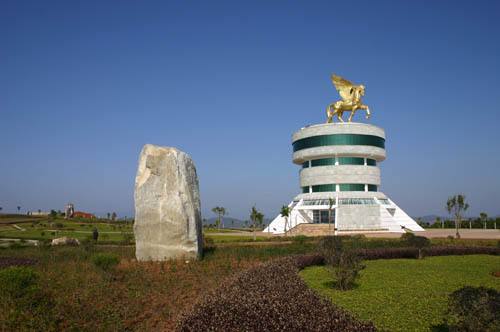
Tropic of Cancer Marker Park
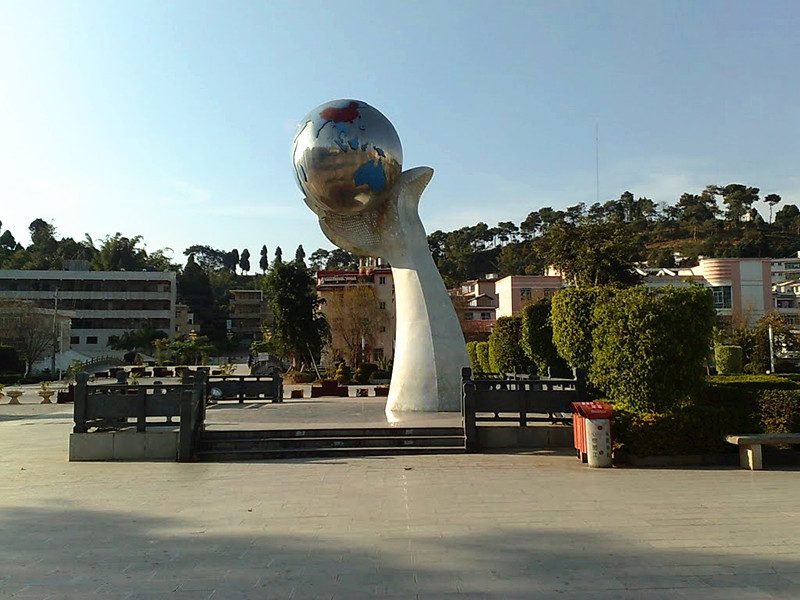
Tropic of Cancer Marker Park (北回归线标志园) is close to the county center and is one of the easiest attractions to reach.
Travelers staying in Lianzhu Town can use local buses, taxis or walk from nearby areas. Drivers can reach the park by road, and parking is more straightforward than at remote village attractions.
Bixi Ancient Town
Bixi Ancient Town (碧溪古镇) is north of the county center and can be reached by road from Lianzhu Town.
Public transportation is possible, but a private vehicle is more convenient for travelers who plan to combine Bixi with nearby Hani villages. The roads to the ancient town are suitable for ordinary passenger cars under normal conditions.
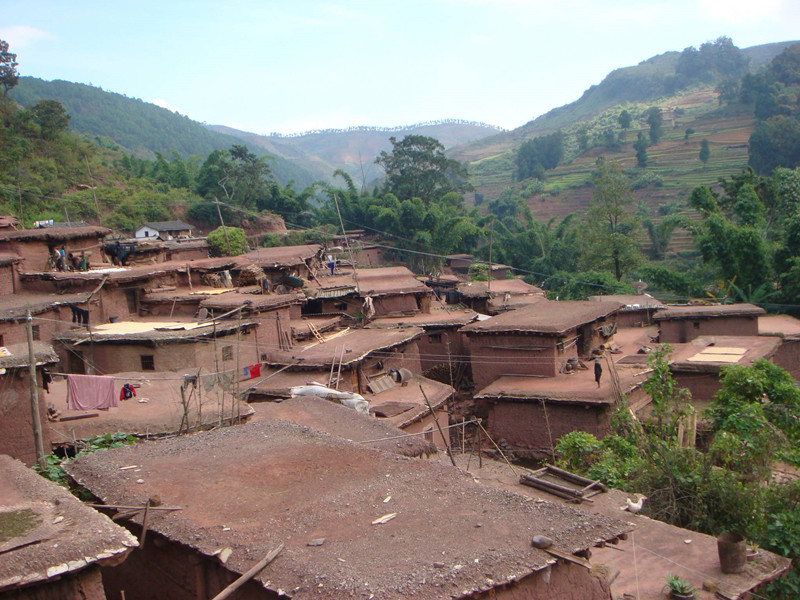
Mengbi Hani Village
Mengbi Village (勐簸村) is a nearby Hani settlement associated with traditional earth houses and local cultural traditions.
The village can be reached by road from the county center. A private car is more convenient than public transportation for travelers who want to combine the village with Keman and other cultural sites.
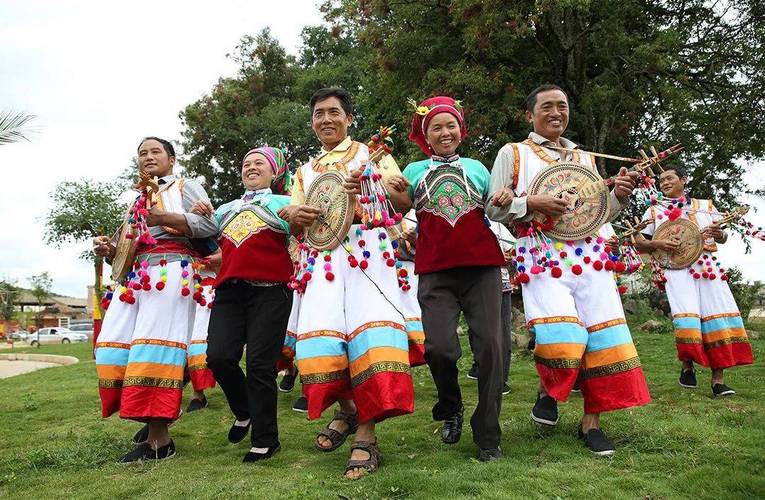
Keman Village
Keman Village (克曼村) is another Hani cultural area near Lianzhu Town and is associated with cowhide drum dance and purple rice agricultural traditions.
Road access is generally suitable for ordinary cars, although visitors should park responsibly near the village entrance and walk through the settlement rather than driving into narrow residential lanes.
Gejietian Yi Village
Gejietian Village (隔界田村) is located in Mengnong Yi Township and is known for Nisu Yi cultural traditions.
Travelers can reach the township by road and continue to the village using local transportation. Because of the winding mountain roads and less frequent public transport, self-driving or a chartered vehicle is the more practical choice for most visitors.
Naha Highland Hani Terraces
Naha Township (那哈乡) is considerably more remote than the attractions around the county center. Roads into the mountain area are winding, and travelers should allow additional driving time.
A private car with an experienced driver is recommended, particularly for visitors unfamiliar with Yunnan's mountain roads. Travelers heading out early for sunrise, mist or cloud views should also take visibility and road conditions into account.
Longba Hani Terraces
Longba Town (龙坝镇) is an important area for Hani villages, purple rice farming and terraced landscapes.
Visitors can travel to the township by road and then continue toward individual villages and terrace areas. The final section may involve smaller mountain roads, so local driving knowledge is useful.
Zhong'ai Bridge
Zhong'ai Bridge (忠爱桥) lies in the Amo River valley and is associated with the historic Tea Horse Road landscape.
There is no convenient direct public transport for sightseeing at the bridge. A private vehicle is recommended because the approach follows mountain roads with bends and changes in elevation.
Self-Driving in Mojiang
Self-driving in Mojiang is one of the best options for travelers who want to explore ethnic villages, terraces and rural landscapes independently.
The easiest cultural driving area is around Lianzhu Town, where travelers can connect the Tropic of Cancer attractions with nearby Hani villages and Bixi Ancient Town. Longer drives toward Mengnong, Longba and Naha require more attention because of winding mountain roads.
A practical cultural driving network can connect:
Mojiang County Center → Tropic of Cancer Marker Park → Mengbi Hani Village → Keman Village → Bixi Ancient Town
Travelers looking for deeper cultural exploration can extend the journey toward:
Mojiang → Mengnong → Gejietian Yi Village
For highland Hani agricultural landscapes, another option is:
Mojiang → Longba → Naha
These routes should be treated as cultural travel corridors rather than fixed day-by-day itineraries. Actual driving time depends on road conditions, village access and the number of cultural stops.
Self-Driving Safety
Mountain roads in Mojiang include frequent bends, steep sections and occasional long descents. Drivers should reduce speed before entering bends and never overtake where visibility is limited.
Night driving on remote mountain roads is best avoided. Many village roads have limited lighting, and pedestrians, motorcycles, farm vehicles and animals may appear unexpectedly.
During the rainy season, watch for falling rocks and slippery surfaces near mountain slopes. If road warnings or local authorities advise against entering a particular section, travelers should change their route rather than taking unnecessary risks.
When visiting terraces and villages, park in a safe open area. Do not stop on bends or block farm access roads.
Motorcycle Travel in Mojiang
Mojiang motorcycle tours are attractive to experienced riders because motorcycles are easier to maneuver on narrow village roads and allow frequent stops for photography.
The broader roads around the county can be combined with mountain routes toward Bixi, Mengbi, Keman, Mengnong, Longba and Naha. However, mountain riding requires considerably more concentration than riding in urban areas.
Protective equipment, including a full-face helmet and suitable riding gear, is strongly recommended. Riders should maintain a safe distance from trucks on major roads and avoid riding beyond their experience level on steep or wet mountain sections.
Early-morning fog can occur in the mountains, while heavy rain can rapidly change road conditions. Remote villages may also have limited fuel and repair services, so riders should refuel before entering long mountain sections.
Solo motorcycle trips into the most remote parts of Naha or Baliu are not recommended for inexperienced riders. Experienced riders should ideally travel with companions and carry navigation and communication backups.
Cycling in Mojiang
Cycling in Mojiang is best suited to short-distance rides around the county center and nearby rural areas.
The roads around Lianzhu and the approaches to nearby attractions can provide pleasant opportunities to experience local farmland and village scenery without using a car. Bixi and nearby countryside are more realistic cycling destinations than remote highland villages.
Long-distance cycling toward Naha, Longba or Mengnong is much more demanding. The routes involve substantial elevation changes, repeated climbs and descents, winding roads, limited roadside services and sections shared with motor vehicles.
Experienced cyclists can consider longer mountain rides during the drier season, but these should be planned as serious endurance rides rather than casual sightseeing excursions.
Public Transportation or Private Vehicle: Which Is Better?
For travelers staying mainly in the county center, buses and taxis are usually sufficient. Visitors interested in the Tropic of Cancer attractions and nearby cultural sites can also manage short trips without hiring a vehicle.
The situation changes when the trip focuses on Mojiang Hani villages, terraced fields and ethnic minority communities. Public transportation becomes less frequent as the distance from the county center increases, and connections between villages are not always convenient.
For photographers, researchers, educational groups and international visitors, a private vehicle with a local driver is usually the most efficient solution. It provides flexibility while also reducing the difficulty of navigating unfamiliar mountain roads.
| Travel Style |
Best For |
Recommended Transport |
| County-center sightseeing |
Urban attractions and nearby sites |
Bus, taxi, walking |
| Independent cultural travel |
Several villages and historic sites |
Rental car or private vehicle |
| Family travel |
Comfortable multi-stop exploration |
Private vehicle with driver |
| Photography |
Terraces, villages and changing landscapes |
Private vehicle |
| Ethnology or education tour |
Multiple villages and cultural communities |
Chartered vehicle with local guide |
| Motorcycle touring |
Experienced riders |
Motorcycle |
| Casual cycling |
County center and nearby countryside |
Bicycle |
| Remote terrace exploration |
Naha and Longba mountain areas |
Experienced local driver or self-drive |
Seasonal Transportation Tips
Dry Season: November to April
The dry season generally provides more stable road conditions and is suitable for driving, motorcycle touring and mountain photography. Morning fog can still occur at higher elevations, so drivers should not assume that dry weather means unrestricted visibility.
During major cultural events and holidays, roads around the county center and popular attractions can become busier. Travelers should leave additional time for parking and local traffic.
Rainy Season: May to October
Rain can arrive quickly in the mountains. Slippery roads, falling rocks and temporary road restrictions are possible after heavy rainfall.
Travelers visiting remote villages should preferably travel during daylight and check local conditions before setting out. If the weather deteriorates, staying in the nearest township is safer than continuing along an unfamiliar mountain road.
Practical Transportation Tips for Travelers
When visiting a remote village to meet an intangible cultural heritage bearer or local cultural practitioner, contact the village or host in advance and confirm both the meeting arrangement and road conditions.
Download offline maps before leaving the county center because mobile coverage may be weaker in some mountain areas.
Travelers prone to motion sickness should prepare accordingly. Continuous bends and changes in elevation are common on routes to highland villages.
Do not drive into narrow village lanes simply because a navigation app shows a road. Many lanes are designed for pedestrians, motorcycles or farm vehicles rather than tourist cars.
When visiting terraced fields, sacred forests or village cultural spaces, park outside sensitive areas and continue on foot. Agricultural land is working land, and visitors should not drive across fields or damage irrigation channels and crops.
Mojiang Cultural Travel Transportation Routes
Lianzhu Hani Culture Route
The most accessible cultural transportation area connects the county center with the Tropic of Cancer attractions, Mengbi Hani Village, Keman Village and Bixi Ancient Town.
This area is suitable for first-time visitors and travelers who want to combine Hani culture, traditional villages, architecture, agriculture and Tea Horse Road history without spending long periods on remote mountain roads.
Mengnong Yi Culture Route
The route from Mojiang to Mengnong and Gejietian provides access to Nisu Yi cultural traditions and mountain villages.
Because the roads are more winding and public transportation is less flexible, a private car or chartered vehicle is recommended for cultural exploration.
Longba–Naha Highland Hani Route
The Longba and Naha area is the deeper rural option for travelers interested in Hani agricultural culture. The landscape connects traditional villages, forests, water sources and terraced fields.
The route is more demanding from a transportation perspective, but it is also one of the most rewarding areas for travelers interested in Hani terraced fields, purple rice agriculture and traditional mountain villages.