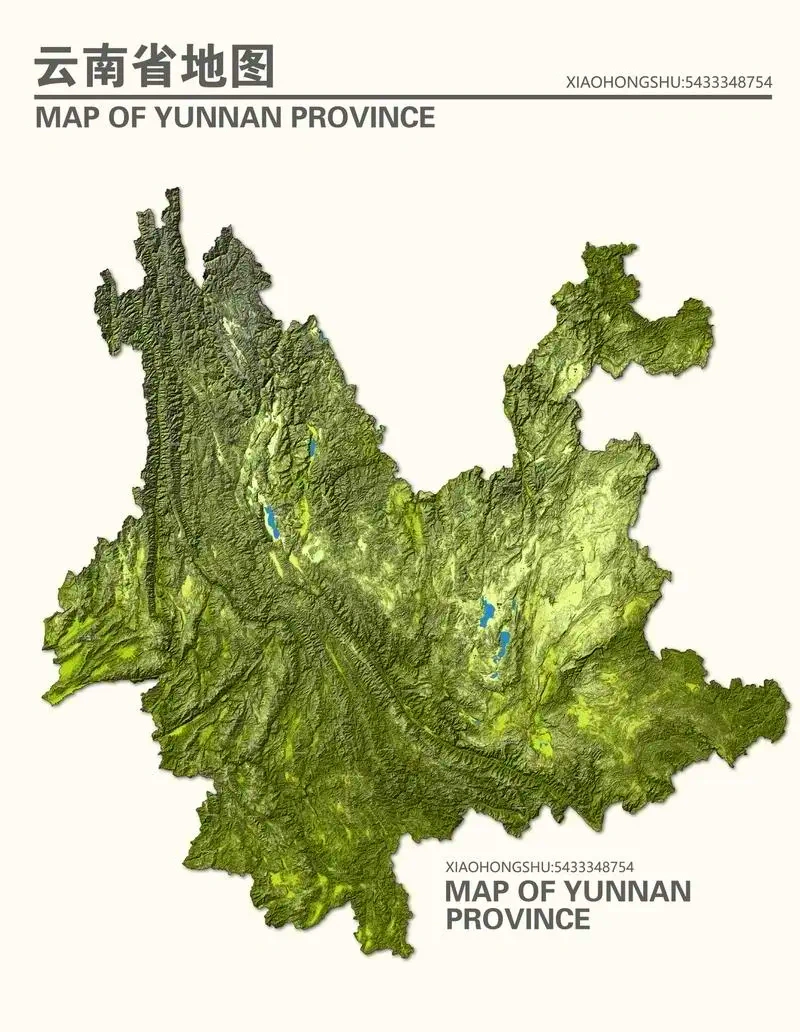
Located at the junction of Yunnan, Guizhou and Guangxi, Luoping County (罗平县) is one of eastern Yunnan's most distinctive destinations for natural landscapes, ethnic culture and geological tourism. The county lies within the southern section of the Wumeng Mountains and is characterized by a remarkable combination of karst peak forests, agricultural landscapes, waterfalls, river valleys, geological heritage, traditional villages and ethnic minority culture.
Luoping is best known internationally for its spectacular spring landscape of golden rapeseed flowers surrounded by thousands of isolated limestone peaks. During the flowering season, usually around February and March, fields of yellow flowers stretch across the countryside, creating one of the most recognizable rural landscapes in Yunnan and an outstanding setting for landscape photography.
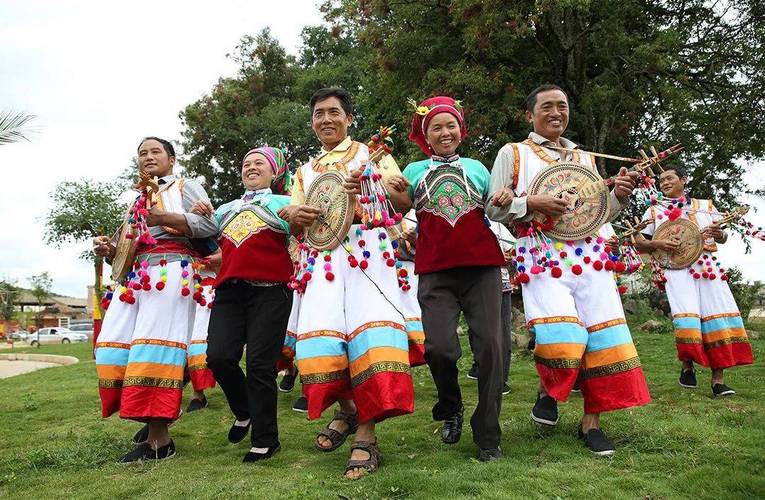
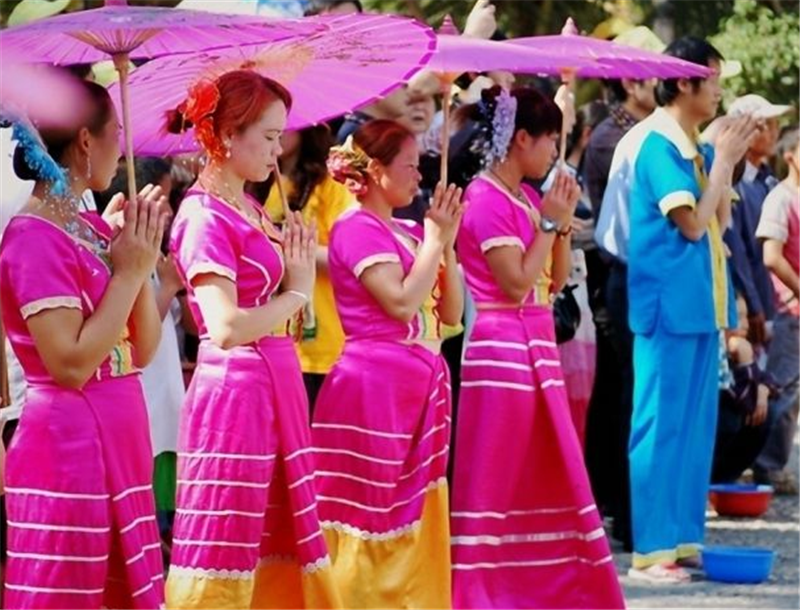
The scenery extends well beyond the flower fields. Water and limestone have shaped a series of dramatic landscapes including large waterfalls, travertine pools, narrow river valleys and karst gorges. At the same time, Buyi, Yi and Miao communities preserve distinctive village architecture, traditional music, agricultural customs, clothing and local festivals.
This combination makes Luoping particularly suitable for international travelers, photographers, nature enthusiasts, geological study groups, cultural researchers and educational tours.
Where Are the Main Attractions in Luoping?
Luoping's attractions are spread across different parts of the county rather than concentrated in one compact tourist district.
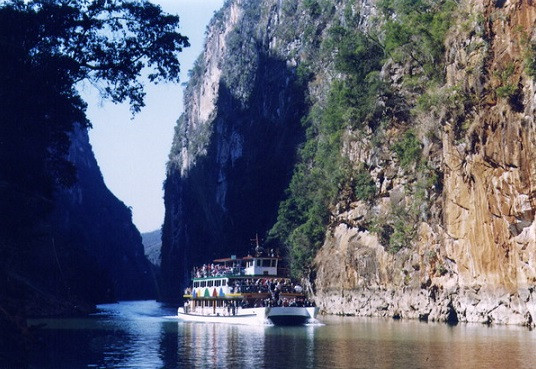
The eastern and northeastern areas around Banqiao and Jiulong are particularly important for karst peak forests and rapeseed flower landscapes. The Longtan River and Changdi areas are known for waterfalls and river scenery, while the southern part around Lubuge contains the Duoyi River valley, traditional Buyi settlements and gorge landscapes.
The Old Wugui and Dashuijing areas offer more mountainous scenery and access to ethnic villages and geological resources. Historical villages and cultural sites can also be found in different townships, making transportation planning important for visitors who want to explore beyond the best-known scenic areas.
For international visitors, a private vehicle or customized tour is often the most efficient way to connect several attractions in one trip.
Best Luoping Attractions for International Visitors
Different travelers are attracted to different parts of Luoping, but several destinations stand out for their international appeal because they combine distinctive scenery with opportunities for photography, nature observation or cultural learning.
Golden Rooster Peak Cluster
Golden Rooster Peak Cluster (金鸡峰丛) is arguably the most iconic landscape in Luoping.
Thousands of cone-shaped karst peaks rise from the agricultural plains, with broad fields of rapeseed flowers spreading between them during spring. The combination of karst geology and cultivated farmland creates an unusually large-scale natural landscape that is difficult to reproduce elsewhere.
Early morning is particularly popular with photographers because mist, low sunlight and mountain silhouettes can create dramatic layers across the flower fields. The area is also one of the best places to understand how local agriculture has developed within a karst landscape.
Jiulong Waterfall Group
Jiulong Waterfall Group (九龙瀑布群) is one of Luoping's most important natural attractions and a major example of the interaction between flowing water and limestone terrain.
A series of waterfalls and travertine formations extends along the river, producing different layers and cascades rather than a single vertical waterfall. During periods of higher water flow, the falls become especially powerful and visually impressive.
The landscape also provides an excellent setting for karst hydrology and environmental study, making the area relevant to educational and geological tourism as well as conventional sightseeing.
Duoyi River Scenic Area
Duoyi River Scenic Area (多依河风景区) follows a green river valley in the southern part of Luoping.
The area combines clear water, limestone shoals, small cascades, old trees and traditional rural scenery. Visitors can also encounter Buyi cultural elements, including traditional architecture, folk music and village life.
The attraction is particularly appealing to travelers who want to combine nature and ethnic culture rather than visit a purely scenic landscape.
Lazhe Buyi Traditional Village
Lazhe Buyi Traditional Village (腊者布依族传统村落) offers a closer look at traditional Buyi settlement patterns.
The village retains examples of traditional stilted and raised timber architecture, community spaces and buildings associated with local customs. It is a useful destination for travelers interested in ethnic architecture, rural settlement patterns, traditional lifestyles and intangible cultural heritage.
Rather than treating the village simply as a sightseeing stop, visitors can approach it as a living cultural landscape where architecture and agricultural life remain closely connected.
Luoping Biota National Geopark
Luoping Biota National Geopark (罗平生物群国家地质公园) is one of the county's most important destinations for geological and paleontological tourism.
The Luoping Biota preserves exceptionally important Middle Triassic marine fossils, providing evidence of ancient marine ecosystems and making the area valuable for scientific research and educational programs.
For geology, paleontology and environmental science study tours, the site can complement Luoping's surface landscapes by showing visitors the much older geological history behind the modern karst environment.
Luoping Attractions Ranking for First-Time Visitors
There is no official universal ranking that applies to every type of traveler. The following order is a practical recommendation for international visitors and first-time travelers, taking into account scenery, uniqueness, cultural value and educational interest.
| Rank |
Attraction |
Best For |
Main Feature |
| 1 |
Golden Rooster Peak Cluster |
Photography and landscape sightseeing |
Karst peaks surrounded by spring rapeseed fields |
| 2 |
Jiulong Waterfall Group |
Nature and geology |
Multi-level waterfalls and limestone formations |
| 3 |
Duoyi River Scenic Area |
Nature and ethnic culture |
River valley, karst water features and Buyi culture |
| 4 |
Lazhe Buyi Traditional Village |
Cultural tourism |
Traditional Buyi architecture and village life |
| 5 |
Luoping Biota National Geopark |
Geology and study tours |
Middle Triassic marine fossils |
| 6 |
Niujie Screw Field |
Photography and agriculture |
Spiral karst farmland and seasonal flowers |
| 7 |
Nase Peak Sea |
Hiking and photography |
Dense karst peaks, clouds and mountain scenery |
| 8 |
Tangliwa Miao Village |
Ethnic culture |
Mountain village, Miao clothing, music and customs |
| 9 |
Lubuge Three Gorges |
Gorge scenery |
Reservoir and dramatic canyon landscapes |
| 10 |
Fule Ancient Village |
History and traditional architecture |
Historic trading settlement and old buildings |
Luoping Attractions by Category
Luoping is easier to explore when attractions are grouped according to landscape and cultural theme. This is particularly useful when designing a customized itinerary or educational tour.
Karst Peak Forests and Rapeseed Flower Landscapes
Luoping's most recognizable natural scenery belongs to this category.
Golden Rooster Peak Cluster, Niujie Screw Field, and Nase Peak Sea showcase different expressions of the county's karst terrain. Golden Rooster Peak Cluster is particularly famous for the contrast between isolated limestone peaks and yellow rapeseed fields, while Niujie presents a more agricultural interpretation of the karst landscape.
Nase Peak Sea is better suited to travelers seeking a more remote mountain atmosphere, with dense peaks, cloud formations and opportunities for photography and light hiking.
Waterfalls, Rivers and Gorge Landscapes
Water is another defining element of Luoping's scenery.
Jiulong Waterfall Group, Duoyi River Scenic Area, and Lubuge Three Gorges offer three different experiences. The first emphasizes waterfalls and travertine formations, the second combines a karst river valley with Buyi culture, while the third focuses on dramatic gorge scenery and highland reservoir landscapes.
These destinations are particularly suitable for nature photography, hydrology study and outdoor sightseeing.
Geological and Paleontological Sites
Luoping has unusual value for geological tourism because its landscapes can be understood on several geological levels.
Luoping Biota National Geopark provides access to Middle Triassic paleontological resources, while the county's extensive karst landscapes demonstrate the long-term interaction between limestone geology, water and erosion.
This combination makes Luoping a strong destination for geology and paleontology study tours, especially when field observation is combined with museum or educational resources.
Ethnic Minority Villages and Cultural Landscapes
Traditional villages provide another major reason to visit Luoping.
Lazhe Buyi Traditional Village, Tangliwa Miao Village, Fule Ancient Village, Baigu Village, and Anle Village represent different aspects of the county's rural and ethnic heritage.
Travelers may encounter traditional houses, agricultural landscapes, folk music, clothing, handicrafts, religious or community spaces and seasonal customs. The exact cultural experience varies by village and should be approached with respect for local residents and community life.
Historical and Revolutionary Heritage
Luoping also contains sites associated with local history, traditional political structures and twentieth-century revolutionary history.
The Shulongshan Chieftain Ruins (淑龙山土司遗址) preserve traces associated with the historical chieftain system of the region. Other sites, including the former revolutionary headquarters in Zhongshan, provide opportunities for visitors interested in regional history and historical education.
Urban Parks and Viewpoints
Travelers with limited time can also explore several urban and nearby viewpoints.
Taiye Lake Park (太液湖公园) provides a convenient setting for walking and relaxing within the county town, while Baila Mountain View Platform (白腊山观景台) offers wider views toward the town and surrounding mountain landscapes.
These locations can easily be incorporated into a free afternoon or evening in Luoping.
Major Luoping Attractions: English and Chinese Reference Table
| English Name |
Chinese Name |
Area |
Category |
Main Highlights |
| Golden Rooster Peak Cluster |
金鸡峰丛 |
Banqiao |
Karst landscape and flower fields |
Cone-shaped karst peaks, rapeseed flowers, sunrise and mist |
| Jiulong Waterfall Group |
九龙瀑布群 |
Changdi |
Waterfall and karst landscape |
Multiple waterfalls, travertine formations and river scenery |
| Duoyi River Scenic Area |
多依河风景区 |
Lubuge |
River landscape and ethnic culture |
River valley, limestone pools, old trees and Buyi culture |
| Lazhe Buyi Traditional Village |
腊者布依族传统村落 |
Lubuge |
Traditional village |
Buyi architecture, community spaces and folk culture |
| Luoping Biota National Geopark |
罗平生物群国家地质公园 |
Dashuijing |
Paleontology and geology |
Middle Triassic marine fossils and geological education |
| Niujie Screw Field |
牛街螺丝田 |
Jiulong |
Karst agriculture and flower landscape |
Spiral-shaped farmland and seasonal rapeseed flowers |
| Nase Peak Sea |
那色峰海 |
Jiuwugui |
Karst mountains |
Dense limestone peaks, clouds, sunrise and hiking |
| Tangliwa Miao Village |
棠梨凹苗寨 |
Dashuijing |
Ethnic village |
Miao traditions, clothing, music and mountain scenery |
| Lubuge Three Gorges |
鲁布革三峡 |
Lubuge |
Gorge landscape |
Canyon scenery and reservoir landscape |
| Fule Ancient Village |
富乐古村 |
Fule |
Historic village |
Traditional buildings and historic trading culture |
| Shulongshan Chieftain Ruins |
淑龙山土司遗址 |
Changdi |
Historical heritage |
Ruins associated with the regional chieftain system |
| Former Site of Luopan Prefecture Committee Headquarters |
中共罗盘地委指挥部旧址 |
Zhongshan |
Revolutionary heritage |
Local revolutionary history and educational value |
| Baigu Village |
白古村 |
Zhongshan |
Traditional village |
Mountain settlement and historic houses |
| Anle Village |
安乐村 |
Banqiao |
Traditional village |
Traditional settlement among karst peaks |
| Taiye Lake Park |
太液湖公园 |
Luoping town |
Urban park |
Lakeside walking and local urban scenery |
| Baila Mountain View Platform |
白腊山观景台 |
West of Luoping town |
Viewpoint |
Panoramic views of the town and surrounding mountains |
Luoping's Most Photogenic Landscapes
Photography is one of the strongest reasons international visitors come to Luoping.
The Golden Rooster Peak Cluster is the classic choice during the rapeseed flower season, when yellow fields create a striking contrast with the dark green and gray limestone peaks. Sunrise is particularly popular for landscape photography.
Niujie Screw Field offers a different composition, with cultivated fields following the shapes of karst depressions. From an elevated viewpoint, the agricultural landscape can resemble a giant natural pattern.
For a more mountainous atmosphere, Nase Peak Sea provides dense karst formations, changing cloud conditions and fewer crowds. Photographers looking for village scenes can also explore traditional Buyi and Miao settlements, where architecture, clothing and agricultural landscapes provide cultural subjects.
Luoping for Geological and Educational Tourism
Luoping is more than a scenic destination. Its combination of karst geomorphology, paleontology, hydrology and agricultural landscapes makes it particularly suitable for educational travel.
A geological study tour can compare the modern karst landscape with the fossil record preserved in the Luoping Biota. Waterfall and river areas can then be used to observe erosion, limestone deposition and water-related landforms.
Ethnic villages provide another dimension. Traditional settlement patterns show how communities have adapted architecture, agriculture and daily life to mountainous terrain. This allows an interdisciplinary program to connect geology, ecology, anthropology, architecture and agricultural culture.