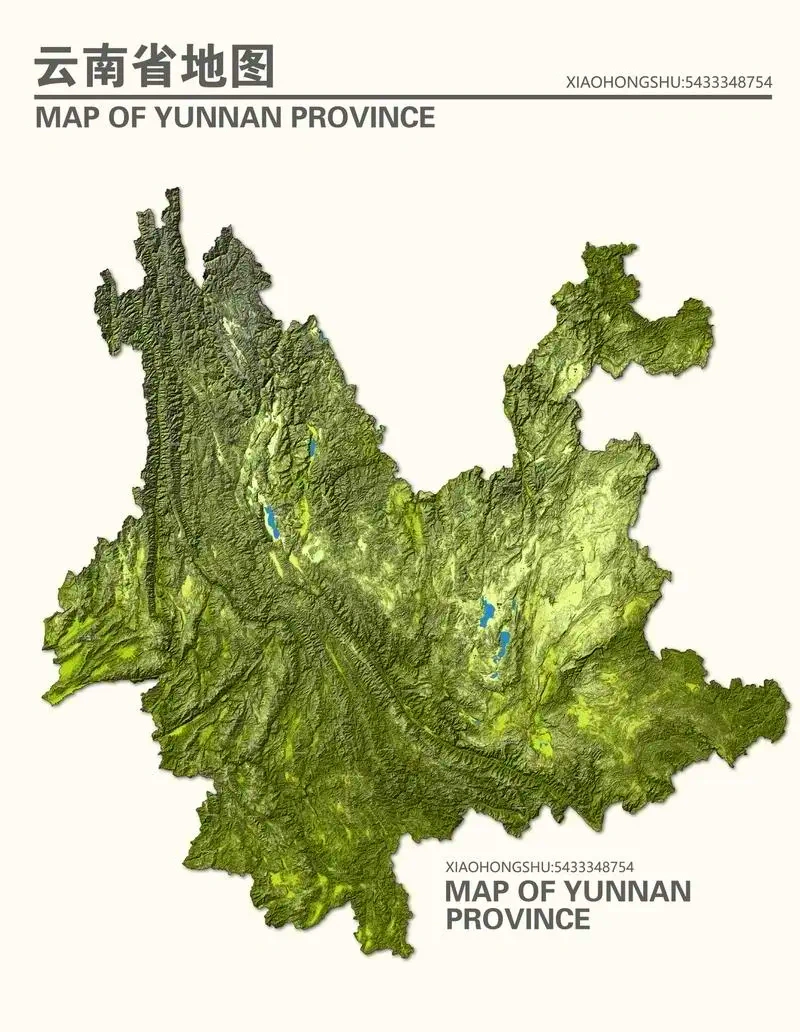
Luoping County (罗平县) lies in the transition zone between the eastern Yunnan Plateau, the western Guizhou Plateau and the hills of western Guangxi. The county generally rises toward the northwest and falls toward the southeast, creating substantial differences in elevation and local weather conditions.
The highest areas around Bailashan Mountain (白腊山) reach approximately 2,468 meters, while the lowest areas around Lubuge Sanjiangkou (鲁布革三江口) are only about 722 meters above sea level. This elevation difference creates a pronounced vertical climate pattern within a relatively compact area.
Luoping's landscape can broadly be divided into three geographical environments: higher plateau and tableland areas in the north, karst peak forests and basins in the central region, and deeply cut river valleys and gorges in the south. These landforms directly affect temperature, humidity, cloud formation, rainfall and the appearance of the landscape throughout the year.
Central Luoping: Mild Plateau Basin Climate
The county center sits at roughly 1,490 meters and provides the most representative climate conditions for visitors. The area has a subtropical plateau monsoon climate, with a clear distinction between the wetter and drier parts of the year.
Average annual temperatures are around 15°C, while strong sunlight during the daytime and rapid heat loss after sunset create noticeable day-to-night temperature differences. Even in summer, mornings and evenings can feel cool compared with the middle of the day.
The central karst basin is also prone to morning mist, particularly during the cooler months. This atmospheric condition contributes to the distinctive scenery around the karst peaks and agricultural fields.
Northern Luoping: Higher and Cooler Mountain Areas
The northern mountains have a cooler climate because of their higher elevation. Temperatures can be several degrees lower than in the county center, while frost-free periods are shorter.
Winter mornings can be cold and foggy, and mountain weather can change quickly. Visitors heading into higher areas should therefore bring an additional warm layer even when the weather in central Luoping feels comfortable.
Southern Luoping: Warmer River Valleys
The southern areas around Doyi River (多依河) and Lubuge (鲁布革) have a warmer and more humid valley climate. Because of their lower elevation, temperatures can be several degrees higher than those in the county center.
The warmer conditions support greener vegetation and a longer growing season. The river valleys can feel noticeably more humid in summer, while winter is generally milder than in the higher northern parts of the county.
Karst Basins, Mist and the Winter Weather Pattern
Luoping's karst basins and surrounding mountains influence the movement and accumulation of moisture. During the cooler half of the year, the regional Kunming stationary front can contribute to prolonged cloudy, misty and light-rain conditions across parts of Yunnan.
This is one reason why Luoping can experience frequent morning fog and overcast weather during winter and early spring. The combination of moisture, mild temperatures and agricultural land also creates favorable conditions for the development of the famous spring rapeseed landscapes.
Mountain Valleys and Heavy Summer Rain
During the summer monsoon, warm and humid air moves into the region and is lifted by the surrounding mountains. Luoping receives considerable rainfall, with much of the annual precipitation concentrated during the rainy season.
The combination of steep terrain, narrow valleys and intense rainfall means that short-duration heavy rain can occur in mountainous areas. During the wettest months, travelers should pay attention to possible slippery roads, falling rocks, temporary road closures and sudden rises in river levels.
Day-to-Night Temperature Differences
The combination of plateau elevation, karst terrain and strong daytime solar radiation creates noticeable daily temperature changes.
A sunny afternoon can feel warm, while the same location may become cool shortly after sunset. In mountain and scenic areas, the temperature difference can be even more pronounced.
For this reason, layered clothing is one of the most useful clothing strategies for traveling around Luoping throughout the year.
Luoping Weather and Temperature by Month
The following table uses the central county area as a general reference. Temperatures can be approximately 3–5°C lower in the higher northern mountains and several degrees warmer in the lower southern river valleys.
| Month |
Average High |
Average Low |
Typical Weather |
Rainfall and Travel Conditions |
| January |
12°C |
4°C |
Cool, often cloudy or misty |
Relatively dry overall, but winter fog and occasional light rain are common |
| February |
15°C |
6°C |
Gradually warmer; frequent morning mist |
Rapeseed flowers begin to develop; cool mornings |
| March |
20°C |
9°C |
Mild to warm during the day, cool in the morning |
Peak rapeseed flower season; occasional showers |
| April |
25°C |
14°C |
Warm and increasingly green |
Rainfall begins to increase toward the end of the month |
| May |
27°C |
17°C |
Warm with increasing cloud and showers |
Beginning of the wetter season; afternoon thunderstorms become more common |
| June |
26°C |
19°C |
Warm, humid and frequently rainy |
Waterfalls and rivers become much fuller |
| July |
27°C |
19°C |
Warm and humid with frequent showers |
One of the wettest periods; heavy rain possible |
| August |
27°C |
19°C |
Green landscapes, humid weather and showers |
Heavy rain and thunderstorms remain possible |
| September |
25°C |
17°C |
Gradually drier and comfortable |
Rainfall decreases; mountains remain green |
| October |
21°C |
14°C |
Mild, relatively clear and comfortable |
Less rain and good visibility for landscape photography |
| November |
18°C |
10°C |
Cooler mornings and increasingly dry weather |
Dry season begins; pleasant daytime conditions |
| December |
12°C |
5°C |
Cool, with occasional mist and cloudy periods |
Relatively dry; northern mountains can feel considerably colder |
These figures should be treated as general travel-planning references rather than fixed daily forecasts. Actual temperatures vary according to elevation, weather systems and the specific location within the county.
Luoping's Four Seasons and How They Differ
Spring: February to April
Spring is the most famous season for Luoping travel, especially from late February through mid-March when the rapeseed flowers are generally at their most impressive.
The landscape around Golden Rooster Peak Cluster (金鸡峰丛) becomes a combination of yellow flower fields and isolated karst peaks. Niujie Screw Field (牛街螺丝田) provides another distinctive agricultural landscape, with fields following the natural contours of the terrain.
Morning mist can drift through the karst peaks, while clear afternoons provide stronger colors and long-distance views. Doyi River and surrounding Buyi villages also become increasingly green as spring progresses.
Spring is the best season for travelers who want to photograph rapeseed flowers, karst peaks, rural landscapes and sunrise mist.
The main disadvantage is visitor numbers. Accommodation near the most popular flower-viewing areas can become busy, particularly during the peak flowering period.
Summer: May to August
Summer is the waterfall and green-landscape season. Once the spring flowers fade, the surrounding mountains and agricultural areas become deep green.
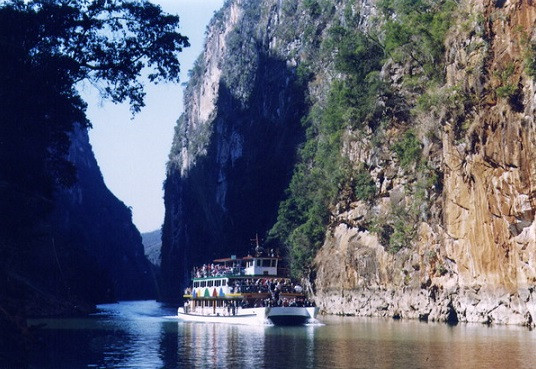
The water volume of Jiulong Waterfalls (九龙瀑布群) increases significantly during the rainy season. Doyi River also becomes more dynamic, while the valleys and forests around Lubuge Three Gorges (鲁布革三峡) are lush and atmospheric.
Summer temperatures in central Luoping are generally manageable compared with many lowland destinations, although the southern valleys can feel warmer and more humid.
The biggest travel consideration is rain. Heavy showers may occur suddenly in the afternoon, and wet conditions can affect mountain roads, walking trails and visibility.
Autumn: September to November
Autumn is one of the most comfortable periods for Luoping sightseeing. Rainfall gradually decreases, temperatures become milder and the landscape often has good visibility.
The karst peaks stand out clearly against the sky, while fields and mountain vegetation develop layers of green, yellow and brown. River landscapes remain attractive, but visitor numbers are generally much lower than during the spring flower season.
September can still experience considerable rainfall, while October and November tend to provide more stable conditions.
This period is particularly suitable for karst landscape photography, village visits, countryside walks and relaxed private tours.
Winter: December to January
Winter brings cooler temperatures, frequent morning mist and occasional prolonged cloudy or lightly rainy periods.
The higher northern mountains can feel cold, while the southern river valleys remain relatively mild. Around the central karst basin, winter mist can create atmospheric views, particularly in the early morning.
By late January, early rapeseed flowers may begin appearing in some areas, although the main flower season normally comes later.
Winter is suitable for travelers who prefer quiet villages, misty landscapes and slower-paced sightseeing rather than peak-season flower viewing.
Best Time to Visit Different Parts of Luoping
Best Time for Rapeseed Flowers
For the classic yellow-flower landscapes, late February to mid-March is generally the preferred travel window. Flowering dates can shift from year to year depending on temperature and weather conditions.
Golden Rooster Peak Cluster is particularly attractive around sunrise and sunset, while Niujie Screw Field offers a different perspective on the relationship between agriculture and karst terrain.
Best Time for Waterfalls and Rivers
For travelers primarily interested in waterfalls and rivers, June to August is generally more attractive because rainfall increases river and waterfall flow.
Jiulong Waterfalls is particularly impressive after sufficient rainfall, while Doyi River and Lubuge Three Gorges offer lush summer scenery.
The trade-off is less predictable weather and a higher risk of heavy rain in mountain areas.
Best Time for Comfortable Sightseeing
October and November are among the best choices for travelers who value comfortable temperatures, lower rainfall and fewer crowds.
This period works well for a flexible itinerary combining karst scenery, villages, countryside and local food.
Best Time for Quiet Travel
December and January are suitable for travelers who do not need to see the famous spring flower fields. The quieter atmosphere allows more relaxed visits to villages and scenic areas.
Morning mist can also create beautiful atmospheric scenery, although cloudy weather is common.
What to Wear in Luoping by Season
Spring Clothing: February to April
Spring requires layered clothing because temperatures can change substantially between sunrise and afternoon.
A practical combination is a long-sleeved shirt or lightweight base layer, a sweater or sweatshirt and a windproof jacket. Travelers getting up early for sunrise should bring a warmer outer layer.
Comfortable walking shoes with good grip are recommended because some flower-field paths can become muddy or damp.
A hat, sunglasses and sunscreen are also useful because daytime UV exposure can be strong even when the air feels cool.
Summer Clothing: May to August
Summer travelers can generally wear lightweight, breathable clothing during the daytime, but should always carry a waterproof jacket or raincoat.
Quick-drying shirts, lightweight long trousers and non-slip walking shoes work well for outdoor sightseeing. Cotton clothing can become uncomfortable after heavy rain because it takes longer to dry.
Mosquito repellent can also be useful around humid riverside and forest areas.
Autumn Clothing: September to November
Long-sleeved shirts and lightweight trousers are generally suitable during the day, with a thin jacket for early morning and evening.
October and November can have particularly comfortable daytime temperatures, but the temperature drops after sunset, especially in higher areas.
Winter Clothing: December to January
Winter travelers should prepare a warm jacket, sweater or fleece layer, long trousers and comfortable closed shoes.
Those planning sunrise photography should bring additional wind protection because early mornings around exposed viewpoints can feel much colder than the daytime temperature suggests.
Travelers visiting higher mountain areas should pack more warmly than those staying in the central county town or southern valleys.
Seasonal Luoping Travel Routes
Spring Flower Route
A classic spring route can begin with Golden Rooster Peak Cluster, followed by Niujie Screw Field and then the waterfall or river areas.
A two-day spring trip can be organized around sunrise and sunset photography:
Day 1: Arrive in Luoping → Niujie Screw Field → Golden Rooster Peak Cluster at sunset → overnight near the flower-viewing area or in the county town.
Day 2: Golden Rooster Peak Cluster sunrise → Jiulong Waterfalls → Doyi River → departure.
This route minimizes unnecessary backtracking while giving visitors time for both landscape photography and general sightseeing.
Summer Waterfall and Canyon Route
For summer travel, the route can emphasize water landscapes rather than flower fields.
Day 1: Luoping → Jiulong Waterfalls → Doyi River → overnight near the county town or scenic area.
Day 2: Lubuge Three Gorges → surrounding mountain landscapes → return to Luoping or continue to the next destination.
Because summer weather can change quickly, keep the itinerary flexible and avoid scheduling every activity too tightly.
Autumn Landscape and Village Route
Autumn is ideal for a slower route combining karst scenery with traditional villages.
Day 1: Luoping town → Golden Rooster Peak Cluster → countryside viewpoints.
Day 2: Doyi River → Buyi villages → Lubuge Three Gorges.
Day 3: Nase Peak Sea → countryside exploration → departure.
This itinerary works well for travelers who want landscape photography without the crowds of the spring flower season.
Winter Mist and Countryside Route
Winter routes should allow more flexibility because morning fog can affect visibility.
Day 1: Luoping town → Golden Rooster Peak Cluster morning mist → local countryside → town.
Day 2: Doyi River → Buyi village → relaxed countryside sightseeing → departure.
If the weather is cloudy, focus on nearby villages, food and cultural experiences rather than traveling long distances specifically for distant mountain views.
Luoping Climate Travel Tips
Prepare for Changing Weather
Do not judge the day's clothing only by the midday temperature. Sunrise and evening conditions can be significantly cooler.
A lightweight waterproof jacket is particularly useful during spring and summer because showers can arrive unexpectedly.
Plan Around Morning and Afternoon Weather
For photographers, early morning can offer mist and softer light, but visibility may be limited. Afternoon conditions are often better for seeing the shape of the karst landscape clearly.
During the rainy season, avoid building an itinerary that depends on a single outdoor viewpoint at a precise time.
Take Extra Care During the Rainy Season
From approximately May through October, rainfall becomes an important factor in travel planning.
Mountain roads can become slippery, while heavy rain can increase the risk of falling rocks, mudslides and temporary road restrictions. Check local weather and road conditions before traveling into remote valleys.
Protect Cameras and Electronics
Humid weather and sudden rain can be challenging for photography equipment. Keep cameras, lenses, phones and other electronics in waterproof bags when traveling around waterfalls, rivers and mountain areas.
Bring Sun Protection Throughout the Year
Luoping's elevated terrain means that sunlight can be strong even when temperatures are comfortable. Sunglasses, a hat and sunscreen are useful throughout the year.
Luoping Climate and Travel Planning at a Glance
| Season |
Months |
Main Weather |
Landscape Highlights |
Recommended Travel Style |
Clothing |
| Spring |
Feb–Apr |
Mild days, cool mornings, frequent mist |
Rapeseed flowers, karst peaks, rural fields |
Flower viewing and photography |
Layers, windproof jacket, walking shoes |
| Summer |
May–Aug |
Warm, humid and rainy |
Waterfalls, rivers, green mountains and gorges |
Water-based and nature sightseeing |
Breathable clothing, rain jacket, non-slip shoes |
| Autumn |
Sep–Nov |
Mild, increasingly dry and clear |
Karst peaks, villages and countryside |
Photography and relaxed sightseeing |
Long sleeves, light jacket |
| Winter |
Dec–Jan |
Cool, misty and occasionally cloudy |
Morning mist, villages and evergreen valleys |
Quiet travel and countryside exploration |
Warm jacket, sweater, wind protection |
Best Overall Travel Period for Luoping
For travelers visiting Luoping for the first time, late February to mid-March remains the most distinctive period because of the combination of rapeseed flowers and karst landscapes. This is the best choice for visitors who want the scenery most closely associated with Luoping.
For waterfalls and lush mountain scenery, June to August is more suitable, although travelers need to allow for frequent rain and changing mountain conditions.
For a more comfortable and quieter trip, October and November are excellent alternatives. The weather is generally more stable, visibility can be good, and the main scenic areas are less crowded.
There is no single best month for every traveler. The right time depends on whether the priority is flowers, waterfalls, photography, village scenery, comfortable weather or a quieter travel experience.