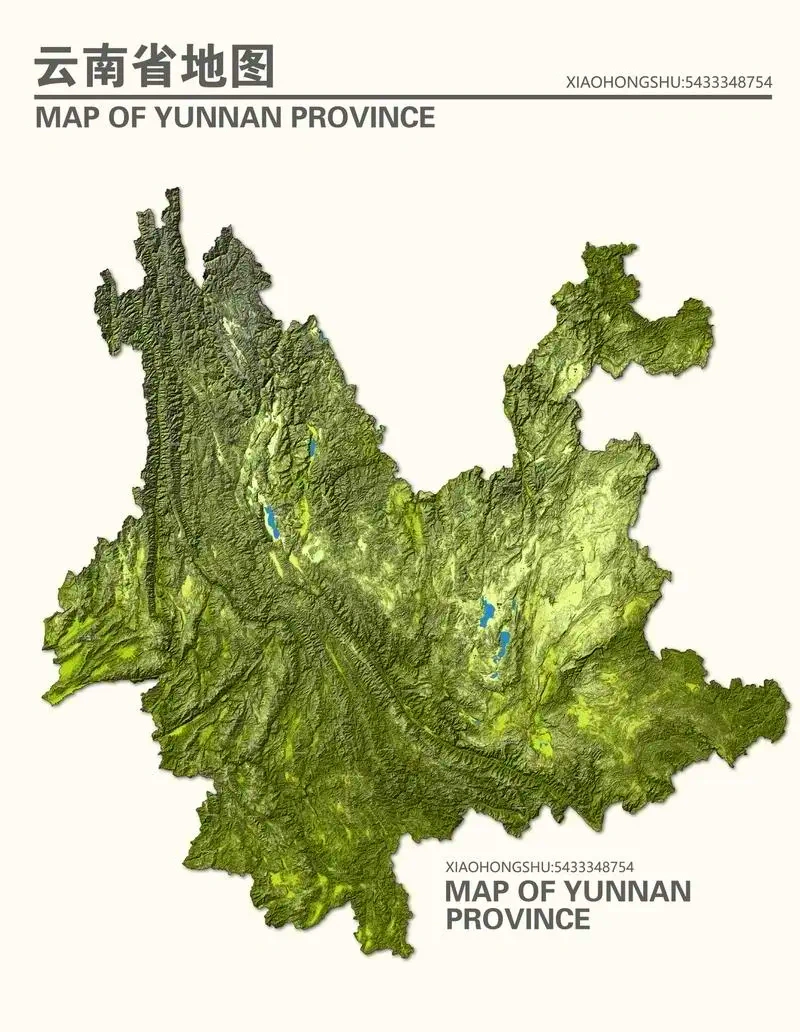
Luoping is located in southeastern Qujing, Yunnan, at the junction of Yunnan, Guizhou and Guangxi. The county has a diverse education system covering urban schools, township schools, ethnic minority schools, vocational education and special education. According to the supplied information, Luoping has 448 schools, including five senior high schools, 21 junior high schools, 242 primary schools, 178 kindergartens, one vocational and technical school and one special education school, with approximately 122,400 students and more than 6,300 teachers and staff.
The overall education structure is characterized by concentrated high-school resources in the county seat, central schools serving surrounding villages, and ethnic schools in minority townships. This creates several different types of education-study opportunities. Urban schools can support school visits and educational exchanges, while township and village schools provide opportunities to understand rural education. Ethnic schools are particularly valuable for international groups interested in the relationship between formal education and the preservation of local ethnic culture.
Luoping's ethnic education is one of its most distinctive study-tour resources. Lubuge Buyi and Miao Ethnic Township, Changdi Buyi Ethnic Township and Jiuwuji Yi Ethnic Township all have ethnic schools where local cultural elements are incorporated into school-based education. These schools can provide an entry point for international students to study education in minority communities, provided that visits are arranged in advance.
Education Resources by Area
Luoxiong and Lashan: The County Education Center
Luoxiong Subdistrict and Lashan Subdistrict form the main education center of Luoping. Senior high schools, county-level primary and middle schools, the Siyuan Experimental School and the vocational school are concentrated in this area. The relatively complete educational infrastructure makes the county seat the preferred starting point for international school exchanges and education-study programs.
The area is suitable for groups studying China's county-level education system, school organization, campus facilities, student development and differences between urban and rural education. Depending on school approval and scheduling, an exchange program can include campus visits, classroom observation and discussions with teachers and students.
Lubuge, Changdi and Jiuwuji: Ethnic Education Areas
The minority townships provide a different educational perspective. Lubuge Ethnic Middle School, Changdi Ethnic Middle School and Jiuwuji Ethnic Middle School incorporate Buyi or Yi cultural elements into school-based education.
These schools are particularly suitable for international groups researching ethnic minority education, cultural transmission, traditional arts and bilingual or culturally oriented education. Activities may include observing cultural classes, learning about traditional music and handicrafts, and discussing how local schools preserve cultural traditions.
Township Education and Rural School Research
Areas including Banqiao, Jiulong, Majie, Fule and Agang provide opportunities to understand township-level and rural basic education. Central schools in these areas serve local communities and can be used for comparative research on educational resources, rural schooling and the relationship between schools and surrounding villages.
For an international education group, combining a county-seat school with a township or ethnic school can create a more meaningful urban-rural and multi-ethnic education comparison rather than focusing on one school alone.
Well-Known Schools and School Exchange Resources
Luoping No. 1 High School
Luoping No. 1 High School (罗平县第一中学) is described in the supplied materials as a long-established senior high school and an important reference point for county-level education. It can be considered for international education exchanges focusing on senior secondary education, school culture and academic development.
Luoping No. 2 and No. 3 High Schools
Luoping No. 2 High School (罗平县第二中学) and Luoping No. 3 High School (罗平县第三中学) are other major senior high schools in the county. Their inclusion in an education tour can help international groups compare different school environments within the same county.
Luoping Pinggao High School and Luoping No. 5 High School
Luoping Pinggao High School (罗平县第四中学) is identified in the source as a private senior high school, while Luoping No. 5 High School (罗平县第五中学) is described as a mixed-ownership private high school with modern campus facilities. These schools can potentially be included when a study group is interested in different models of secondary education.
Luoping Siyuan Experimental School
Luoping Siyuan Experimental School (罗平县思源实验学校) is a nine-year school covering primary and middle-school education. The source describes it as having modern teaching facilities and recognition as a civilized school in Yunnan. It can be considered for international primary and middle-school exchange programs.
Luoping Vocational and Technical School
Luoping Vocational and Technical School (罗平县职业技术学校) provides a particularly useful connection between education and practical cultural tourism. Its programs include ethnic handicrafts, tourism services and modern agriculture.
For an international study tour, vocational education can be connected directly with hands-on learning, such as traditional embroidery, food processing, agricultural activities and tourism-service training. This makes it different from a conventional school visit and suitable for students interested in vocational education and practical skills development.
Ethnic Minority Schools for International Study Tours
Lubuge Ethnic Middle School
Lubuge Ethnic Middle School (鲁布革民族中学) is one of the most distinctive ethnic education resources in Luoping. The supplied material identifies Buyi traditional music, Buyi embroidery and ethnic customs as elements of its school-based cultural curriculum.
For international students, the school can serve as a case study of how traditional culture is incorporated into formal education. A potential exchange program can combine classroom observation with discussions about cultural education and traditional arts.
Changdi Ethnic Middle School
Changdi Ethnic Middle School (长底民族中学) focuses on Buyi cultural education, including traditional music, dance and clothing-related activities. This provides an opportunity to study how ethnic identity and traditional arts can be introduced into the school environment.
Jiuwuji Ethnic Middle School
Jiuwuji Ethnic Middle School (旧屋基民族中学) emphasizes Yi cultural transmission, including Yi embroidery and traditional songs and dances. It is suitable for international groups studying the relationship between education, traditional handicrafts and ethnic cultural continuity.
International Geological and Natural Science Study Resources
Luoping is not only an education destination but also a strong field-study destination. Its combination of geological heritage, karst landscapes, waterfalls, agriculture and ethnic communities allows international students to combine classroom learning with outdoor observation.
Luoping Biota National Geopark
Luoping Biota National Geopark (罗平生物群国家地质公园) is the key geological and paleontological study resource identified in the source. The Luoping Biota contains important Middle Triassic fossil resources and provides a setting for students to investigate ancient marine ecosystems and major changes in prehistoric life.
A geological study program can combine museum-based learning with field interpretation, allowing students to connect fossils and geological evidence with larger questions about Earth's environmental history.
Golden Rooster Peak Cluster
Golden Rooster Peak Cluster (金鸡峰丛) combines distinctive karst peak-forest landforms with extensive agricultural landscapes. During the February–March flowering period, the surrounding fields become particularly famous for their yellow rapeseed flowers.
For students, the area can be used to study karst geomorphology, agriculture, land use, rural landscapes and rural development in one field environment.
Screw Field
Screw Field (螺丝田) is characterized by karst depressions and circular terraced fields. The landscape provides an excellent visual example of the relationship between geological structure, agricultural adaptation and human settlement.
Jiulong Waterfall Group
Jiulong Waterfall Group (九龙瀑布群) provides a natural laboratory for studying water systems, waterfall formation and karst hydrology. The source describes it as a 4A scenic attraction with a series of stepped waterfalls.
Duoyi River Scenic Area
Duoyi River Scenic Area (多依河风景区) combines river landscapes, calcified waterfalls and traditional water-related cultural resources. Its waterwheel displays and Buyi cultural elements make it particularly suitable for interdisciplinary study combining hydrology, traditional technology and ethnic culture.
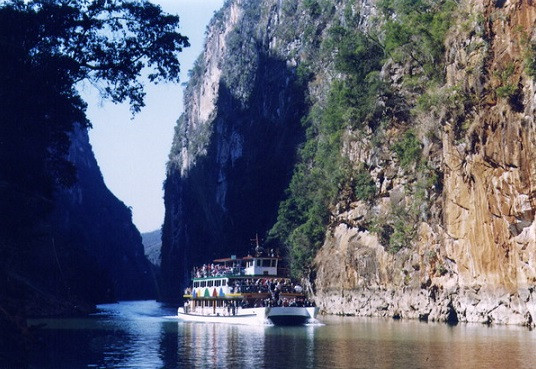
Lubuge Three Gorges
Lubuge Three Gorges (鲁布革三峡) offers a combination of mountain valleys, water landscapes and hydropower-related resources. Its location near the Yunnan-Guizhou border also makes it suitable for geographical study of regional boundaries and mountain environments.
Nase Sea of Peaks
Nase Sea of Peaks (那色峰海) combines karst peak landscapes with Yi villages and mountain ecology. It can therefore support a study program linking physical geography, biodiversity, village settlement and ethnic culture.
Intangible Cultural Heritage Resources
Luoping has a substantial collection of intangible cultural heritage resources. The supplied information identifies 109 intangible cultural heritage projects, including nine provincial-level, 32 municipal-level and 68 county-level projects.
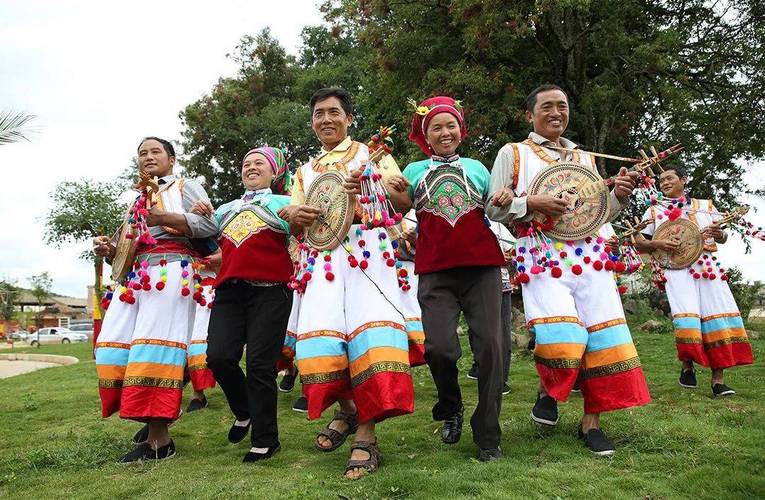
Buyi Bayin Singing
Buyi Bayin Singing (布依族八音坐唱) is one of the most distinctive cultural study resources. It is a traditional Buyi musical form involving an ensemble of traditional instruments and is described in the source as a living representation of Buyi musical heritage.
International students can study the instruments, musical structure, performance traditions and cultural context rather than simply watching a performance. A demonstration or workshop can make this an effective experiential learning activity.
Buyi Traditional Dance
Buyi Bashi Dance (布依族把式舞) is identified as a provincial-level intangible cultural heritage resource and is associated with traditional ritual and community practices. It can be incorporated into a broader study of traditional performing arts and cultural identity.
Buyi Clothing and Textile Traditions
Buyi Traditional Clothing (布依族服饰) provides opportunities to explore traditional textile production, natural dyeing and embroidery. Students can learn about the complete process from fabric production and dyeing to embroidery and finished clothing.
Sisters' Flute Making
Sisters' Flute Making (姊妹箫制作技艺) is a traditional bamboo instrument-making skill associated with Buyi and Miao communities. A demonstration can help students understand how natural materials are transformed into musical instruments and how craft knowledge is passed between generations.
Other Traditional Crafts
Other local resources identified in the source include Luoping Lantern Festival traditions, Majie Yi embroidery, Miao reed-pipe dance, traditional rapeseed-oil pressing, Jiulong clay sculpture, Buyi five-color glutinous rice production, Buyi bamboo weaving, pyrography and traditional pottery.
These activities provide particularly strong possibilities for hands-on study tours because students can learn through observation, participation and interaction with local practitioners.
Buyi, Yi and Miao Cultural Study Resources
Luoping is home to Buyi, Yi and Miao communities, and its location at the Yunnan-Guizhou-Guangxi border has contributed to cultural interaction among different communities.
Buyi Culture
The Buyi communities of Lubuge and Changdi provide important resources for cultural study. Lazhe Ancient Buyi Village (腊者布依族古村落) is identified as a traditional cultural protection area and features traditional stilted houses and Buyi cultural traditions.
Students can explore Buyi architecture, traditional textiles, music, food culture and agricultural traditions. Important traditional festivals mentioned in the source include the Second Day of the Second Lunar Month Singing Festival, the Third Day of the Third Lunar Month Water-Splashing and Singing Festival, and the Sixth Day of the Sixth Lunar Month Farming Festival.
Yi Culture
The Yi communities around Jiuwuji and Majie provide resources including Yi embroidery, traditional songs and dances and the Torch Festival. Nase Sea of Peaks provides an opportunity to combine these cultural elements with mountain landscapes and village life.
For an international student group, Yi embroidery is particularly suitable for a practical workshop because students can directly observe traditional patterns, materials and techniques.
Miao Culture
Miao cultural resources in Lubuge and Dashuijing include reed-pipe dance, Huashan Festival traditions, Sisters' Flute traditions and Miao embroidery. These resources can be incorporated into comparative study of the cultural traditions of the three major ethnic communities in Luoping.
Lazhe Ancient Buyi Village: A Practical Cultural Study Base
Lazhe Ancient Buyi Village is one of the most suitable locations for a practical ethnic culture study program. The village can connect several learning themes within one location, including traditional architecture, Buyi music, textile traditions, natural dyeing, food culture and community heritage.
A student group can begin with a village interpretation walk, followed by a traditional music demonstration and a practical handicraft workshop. Five-color glutinous rice production or traditional textile activities can then provide a food and craft component.
This type of program allows students to move beyond sightseeing and understand how traditional culture is embedded in everyday community life.
Recommended International Study Tour Themes
County Education Study Tour: 2–3 Days
A two- to three-day education program can combine schools in the county seat with an ethnic middle school in Lubuge. Students can observe school environments, participate in approved exchanges and study the differences between mainstream county education and ethnic cultural education.
The program is particularly suitable for overseas education groups, teacher-training groups and students researching comparative education.
Geological and Paleontological Study Tour: 2–3 Days
A geological program can combine Luoping Biota National Geopark with Golden Rooster Peak Cluster and Screw Field. The program can cover fossils, ancient marine ecosystems, karst landscapes, agricultural land use and rural geography.
This format is particularly appropriate for students studying geology, paleontology, geography, environmental science or earth science.
Buyi Intangible Cultural Heritage Study Tour: 3 Days
A three-day cultural program can focus on Lazhe Ancient Buyi Village and Duoyi River. Students can experience Buyi Bayin Singing, natural dyeing, traditional textiles and five-color glutinous rice production.
The program can be structured as a combination of observation, cultural explanation and practical workshops rather than a sightseeing-only itinerary.
Comprehensive International Study Tour: 4–5 Days
For groups wanting a broader understanding of Luoping, a four- to five-day program can combine school exchange, geological research, ethnic culture, intangible cultural heritage and ecological study.
A possible structure is:
Day 1: County-seat school exchange and urban education research
Day 2: Luoping Biota National Geopark and geological study
Day 3: Golden Rooster Peak Cluster and karst-agricultural field study
Day 4: Lazhe Ancient Buyi Village, Buyi music and handicraft workshops
Day 5: Duoyi River or Jiulong Waterfall Group and final interdisciplinary field study
The exact program should be adjusted according to the age of the students, academic objectives, school availability and weather.
Luoping Study Tour Resource Table
| English Name |
Chinese Name |
Area |
Study Theme |
Main Learning Content |
| Luoping No. 1 High School |
罗平县第一中学 |
Luoxiong |
Education |
Senior high school exchange and teacher-student discussions |
| Luoping Siyuan Experimental School |
罗平县思源实验学校 |
Lashan |
Education |
Nine-year school observation and campus exchange |
| Luoping Vocational and Technical School |
罗平县职业技术学校 |
Lashan |
Vocational Education |
Ethnic handicrafts, tourism services and modern agriculture |
| Lubuge Ethnic Middle School |
鲁布革民族中学 |
Lubuge |
Ethnic Education |
Ethnic school-based curriculum and Buyi culture |
| Changdi Ethnic Middle School |
长底民族中学 |
Changdi |
Ethnic Education |
Buyi music, dance and clothing traditions |
| Jiuwuji Ethnic Middle School |
旧屋基民族中学 |
Jiuwuji |
Ethnic Education |
Yi embroidery and traditional culture |
| Luoping Biota National Geopark |
罗平生物群国家地质公园 |
Near Luoxiong |
Geology and Paleontology |
Triassic fossils and geological science |
| Golden Rooster Peak Cluster |
金鸡峰丛 |
Banqiao |
Karst and Agriculture |
Peak-forest landforms, rapeseed fields and rural geography |
| Screw Field |
螺丝田 |
Niujie |
Geology and Agriculture |
Karst depressions and terraced farming |
| Jiulong Waterfall Group |
九龙瀑布群 |
Jiulong |
Hydrology and Ecology |
Waterfalls and karst hydrology |
| Duoyi River Scenic Area |
多依河风景区 |
Lubuge |
Water Culture |
Water landscapes, waterwheels and Buyi culture |
| Lubuge Three Gorges |
鲁布革三峡 |
Lubuge |
Geography and Hydropower |
Mountain valleys, water resources and hydropower |
| Lazhe Ancient Buyi Village |
腊者布依族古村落 |
Lubuge |
Ethnic Culture and Intangible Heritage |
Bayin Singing, stilted houses, dyeing and traditional food |
| Nase Sea of Peaks |
那色峰海 |
Jiuwuji |
Ecology and Yi Culture |
Karst peaks, Yi villages and embroidery |
The main resources and study themes in this table are based on the supplied Luoping study-tour material.
Best Seasons for Luoping International Study Tours
The best travel period depends on the academic theme.
February to March is especially attractive for agricultural and landscape study because the rapeseed fields around Golden Rooster Peak Cluster and Screw Field are at their most visually distinctive. This is a strong period for combining karst geography, agriculture, photography and rural landscape research.
April to October is more suitable for waterfall, river and hydrological study because water resources are generally more active during the wetter part of the year. This period can also coincide with important ethnic cultural activities mentioned in the source, including the Third Day of the Third Lunar Month and Sixth Day of the Sixth Lunar Month traditions, as well as the Yi Torch Festival period.
November to January is a quieter period for cultural immersion. It is suitable for groups that prefer village visits, handicraft workshops, cultural interviews and heritage research without the focus on peak seasonal landscapes.
For a comprehensive international student program, the ideal dates should be selected according to the academic subject, school availability, cultural activities and outdoor field-study requirements rather than scenery alone.
Practical Planning for International Student Groups
School Visits Require Advance Arrangement
International groups should arrange school visits in advance. The supplied material specifically recommends advance public booking for school visits and coordination with local schools. Classroom observation, teacher-student discussions and other exchange activities should only be arranged after confirmation by the host school.
For international groups visiting township or village schools where foreign-language support may be limited, Yaso Trip can arrange a bilingual study-tour leader or interpreter to improve communication.
Non-Heritage Workshops Should Also Be Reserved
Visits involving intangible cultural heritage practitioners, workshops or traditional performances should be arranged in advance. This is particularly important for Buyi Bayin Singing and hands-on handicraft activities.
The goal should be to create meaningful interaction rather than simply placing students in front of a performance. Where possible, students should have opportunities to ask questions, observe production processes and participate in age-appropriate practical activities.
Transportation
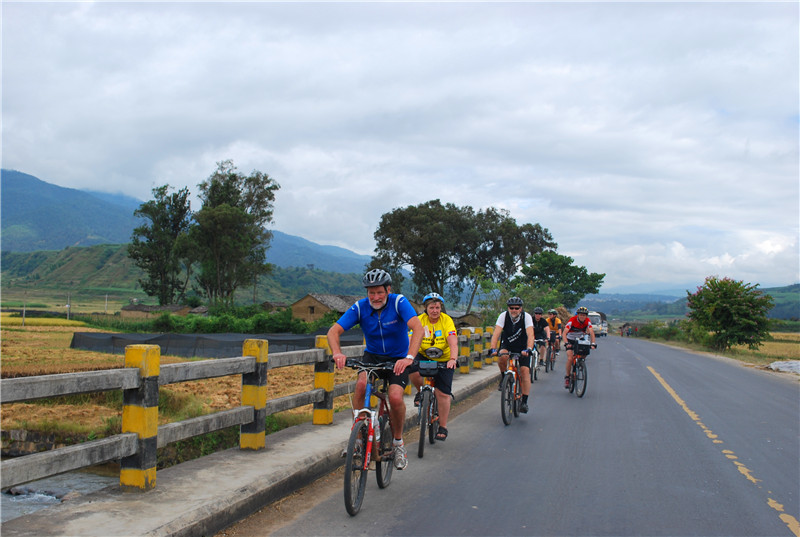
Study resources are distributed across different towns and villages, so private chartered transportation is the most practical option for international groups. The county seat has stronger accommodation and service infrastructure, while rural areas such as Lubuge and Lazhe offer opportunities for deeper village experiences.
A private vehicle also allows the itinerary to combine school visits with geological and cultural fieldwork without depending on fixed public-transport schedules.
Cultural Etiquette
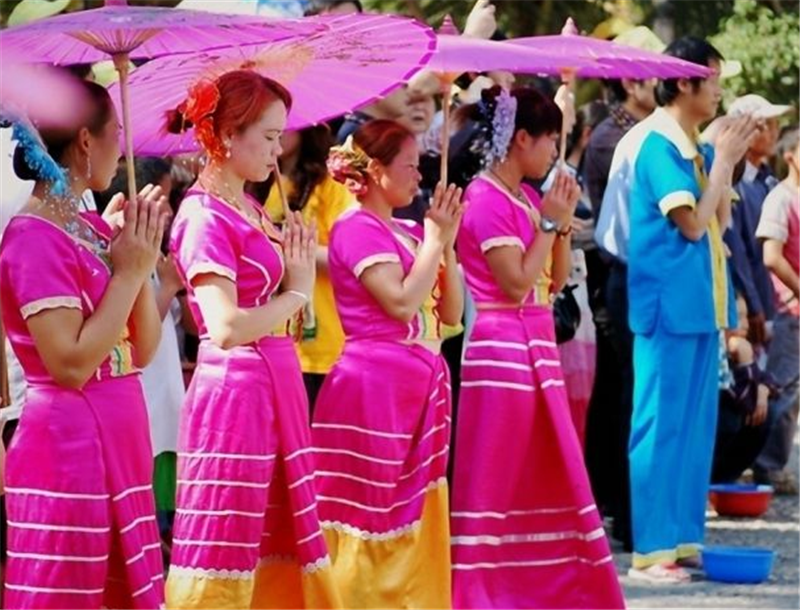
Students should respect local customs when entering Buyi, Yi and Miao villages. Activities involving traditional ceremonies, worship or other sensitive cultural practices should follow the instructions of local guides and community members.
Photography should also be handled respectfully, particularly during ceremonies, cultural performances and visits to private homes.
Cross-Regional Study Tour Possibilities
Luoping's location at the Yunnan-Guizhou-Guangxi border makes it possible to extend an international study tour beyond one county. The supplied material suggests connecting Luoping with Shizong and Xingyi in Guizhou to create a broader cross-regional study route.
Such a route can compare different landscapes, education systems, ethnic communities and border-region cultures. For geography students, it can also provide a broader perspective on karst landscapes and settlement patterns across the Yunnan-Guizhou region.
Luoping International Study Tours with Yaso Trip
Luoping offers an unusually diverse combination of education, ethnic culture, intangible cultural heritage, geology, paleontology, agriculture and ecology. Its value for international students lies not in a single attraction but in the ability to connect classroom learning with real communities and field environments.
An education group can compare county-seat schools with rural and ethnic schools. Geography and earth-science students can investigate the Luoping Biota, karst peaks, agricultural landscapes and waterfalls. Students interested in anthropology and cultural studies can explore Buyi, Yi and Miao communities, while practical learners can participate in embroidery, natural dyeing, traditional music, bamboo crafts, food-making and other heritage activities.
For Students Education Study Tour with Yaso Trip, the strongest approach is to build the itinerary around a clear academic objective and then connect schools, field sites and cultural workshops around that theme. With advance school and community coordination, Luoping can support short two- to three-day subject programs as well as four- to five-day comprehensive international study tours.