Shizong County (师宗县) is located in eastern Yunnan Province (云南省) and is administered by Qujing City (曲靖市). Situated in southeastern Qujing near the border area of Yunnan and Guangxi, the county covers approximately 2,784.49 square kilometres, with the county government located in Danfeng Subdistrict (丹凤街道).
Shizong is divided into three subdistricts, four towns and three ethnic townships, making a total of ten township-level administrative divisions. These areas extend from the county's urban centre into agricultural plains, mountainous terrain, karst landscapes, traditional villages and multi-ethnic communities.
At the village and community level, the county has 116 administrative units, including 23 communities and 93 administrative villages. This administrative structure reflects the geographical diversity of Shizong, where developed urban areas coexist with remote mountain villages and traditional ethnic settlements.
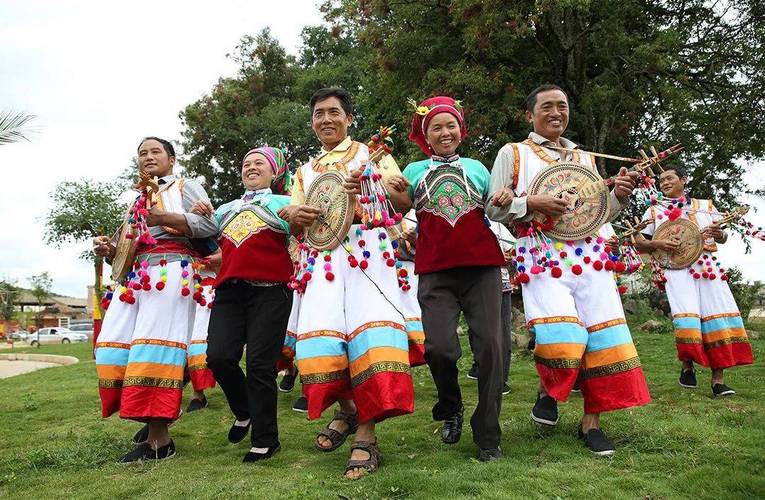
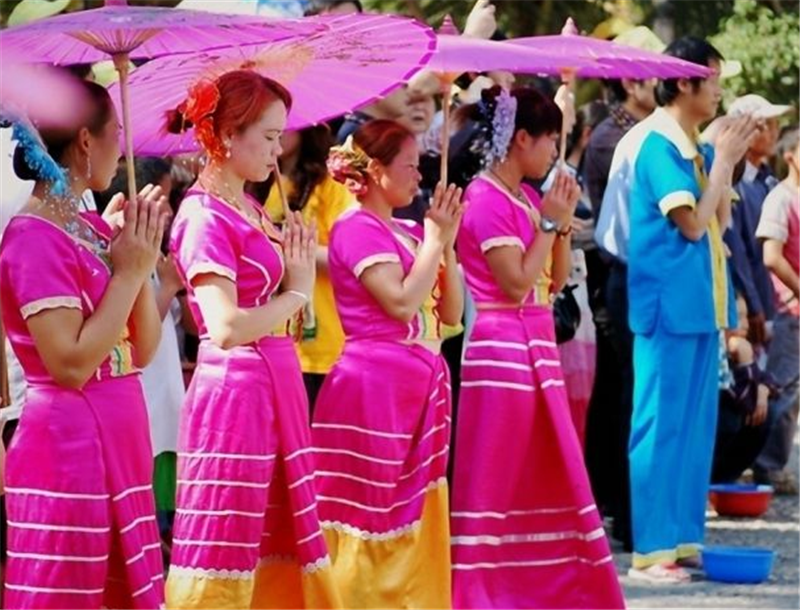
Shizong is recognized as a former revolutionary base area and an important ecological and cultural destination in eastern Yunnan. The county is traditionally home to Zhuang, Yi, Miao, Yao and Hui communities, whose customs, festivals, traditional crafts and village life contribute to the region's cultural diversity.
The county also forms part of the karst tourism landscape of eastern Yunnan. Visitors can find limestone caves, sinkholes, mountain meadows, waterfalls, river valleys, agricultural landscapes and traditional villages, making Shizong suitable for cultural tourism, outdoor travel, geological exploration, rural tourism and international study tours.
Administrative Areas and Their Tourism Characteristics
Shizong's attractions are spread across its different subdistricts, towns and ethnic townships. Rather than functioning as a destination centred entirely around the county seat, the county offers a collection of different tourism environments. The urban area provides accommodation, restaurants and transportation services, while the surrounding towns and ethnic townships contain many of the county's most distinctive natural and cultural attractions.
For travellers planning a multi-day visit, understanding the administrative divisions is useful because attractions that appear relatively close on a map can be separated by mountainous roads and rural areas. A practical itinerary can use the county centre as a service base and then explore individual townships according to specific interests.
Danfeng Subdistrict: The County's Main Tourism and Service Centre
Danfeng Subdistrict (丹凤街道) is the political, economic and cultural centre of Shizong and the location of the county government. It is also the most convenient base for travellers who need accommodation, restaurants, transportation and other urban services.
Tourism resources around the area include Wenbi Park (文笔公园), Shizong Martyrs Cemetery (师宗烈士陵园) and historic village areas. The subdistrict is particularly useful for visitors beginning or ending a county-wide journey, as transport connections make it convenient to reach the surrounding towns and attractions.
For international visitors and study groups, Danfeng can serve as a practical accommodation hub while excursions are arranged to the county's ethnic villages, mountain areas, traditional settlements and geological attractions.
Yangyue Subdistrict: Urban Leisure and Countryside
Yangyue Subdistrict (漾月街道) occupies part of the western side of the county's urban area. It has relatively complete urban facilities and is surrounded by agricultural and suburban landscapes.
Tourism in this area is better suited to urban leisure, nearby countryside excursions, local food experiences and short rural visits rather than major destination sightseeing. Its location also makes it convenient for travellers who want to combine the services of the county seat with quieter agricultural scenery.
Datong Subdistrict: Transport, Agriculture and Rural Landscapes
Datong Subdistrict (大同街道) lies on the eastern side of the county's urban area and has an important role in transportation, logistics and connections with surrounding communities.
The area contains agricultural landscapes and suburban rural scenery. Although it is not primarily known for a concentration of major tourist attractions, it provides a useful perspective on local agriculture, transportation and settlement development and can function as a transit area when travelling through eastern Shizong.
Zhuji Town: Mountain Landscapes and Traditional Villages
Zhuji Town (竹基镇) is one of the most interesting parts of Shizong for visitors who want to combine natural landscapes with traditional Chinese culture.
The town contains Junzi Mountain (菌子山), an important highland landscape known for mountain vegetation, rhododendron scenery, forests and karst features. It is particularly suitable for hiking, nature observation, ecological education and photography.
Zhuji is also home to two important traditional villages, Dachong Village (大冲村) and Shuji Village (淑基村). These settlements preserve elements of traditional rural architecture and provide opportunities to understand historic village layouts, local customs and community life.
Shuji is especially associated with the scholar Dou Xu (窦垿) and Chinese couplet culture. Visitors interested in Chinese literature, traditional architecture, family culture and heritage preservation can combine a village visit with an exploration of local literary traditions.
The combination of mountain scenery and historic villages makes Zhuji one of the county's strongest areas for nature and cultural tourism.
Xiongbi Town: Northwestern Gateway and Karst Countryside
Xiongbi Town (雄壁镇) is located in northwestern Shizong and serves as an important gateway connecting the county with surrounding areas. The Jiangzhao Expressway and Nanning–Kunming Railway pass through the wider area, giving the town an important transportation role.
The surrounding countryside contains karst formations, agricultural landscapes and natural features such as Tiansheng Bridge (天生桥). The landscape provides opportunities to observe the relationship between limestone terrain, rural settlements and agricultural production.
For travellers, Xiongbi is particularly useful as a transportation gateway, while visitors interested in geology and countryside landscapes can explore the surrounding karst environment.
Kuishan Town: Hot Springs and Highland Countryside
Kuishan Town (葵山镇) lies in western Shizong and is known for its geothermal and hot-spring resources. The town also features highland agricultural landscapes, rural scenery and lake environments.
Its tourism character is centred more on relaxation, wellness, countryside experiences and agricultural leisure than on large-scale sightseeing attractions. Travellers exploring Shizong's more demanding mountain and cave landscapes may find the area suitable for a slower-paced rural experience.
Kuishan also has connections with the modern history of the region, allowing natural and historical interests to be combined within a wider county itinerary.
Caiyun Town: Agricultural Landscapes and Rural Tourism
Caiyun Town (彩云镇) is an important agricultural area in western Shizong. Its open highland basin landscapes, farmland and seasonal flower scenery create a different tourism experience from the county's caves, mountains and ethnic villages.
The area is particularly suitable for rural photography, countryside sightseeing, agricultural tourism and relaxed outdoor activities. Visitors travelling through western Shizong can use Caiyun as part of an itinerary focused on rural landscapes and local agricultural life.
Wulong Zhuang Ethnic Township: Zhuang Culture and Karst Landscapes
Wulong Zhuang Ethnic Township (五龙壮族乡) is one of Shizong's most distinctive cultural tourism areas and an important destination for visitors interested in Zhuang heritage.
The township combines Zhuang ethnic culture, traditional festivals, karst geology and river-valley landscapes. Its best-known natural attraction is Fenghuang Valley (凤凰谷), a dramatic karst area featuring large-scale limestone formations, caves and underground waterways.
Wulong is also strongly associated with the Zhuang Sanyuesan Festival (壮族三月三), one of the most important cultural events for exploring local Zhuang traditions. Depending on the time of year, visitors may encounter traditional food, music, dance, community gatherings and other cultural activities.
For overseas visitors, Wulong is particularly valuable because geological exploration and ethnic cultural experiences can be combined in the same journey. The area is also suitable for international study programmes focusing on intangible cultural heritage, anthropology, traditional crafts and rural communities.
Longqing Yi and Zhuang Ethnic Township: Ethnic Villages and River Valleys
Longqing Yi and Zhuang Ethnic Township (龙庆彝族壮族乡) is characterized by communities where Yi and Zhuang traditions coexist within a mountainous rural environment.
The township contains Hei'er Waterfall (黑尔瀑布), rural villages, agricultural terraces and river-valley scenery. Compared with the county centre, the area offers a more rural and community-oriented travel experience.
Visitors interested in ethnic culture, rural landscapes, village life, hiking and photography can use Longqing as part of a deeper exploration of Shizong beyond its main tourist attractions.
Gaoliang Zhuang, Miao and Yao Ethnic Township: Multi-Ethnic Borderland Landscapes
Gaoliang Zhuang, Miao and Yao Ethnic Township (高良壮族苗族瑶族乡) is located in the southern part of Shizong near the Yunnan–Guangxi border region.
The township is notable for its multi-ethnic communities, with Zhuang, Miao and Yao traditions contributing to a diverse cultural landscape. Its geographical setting also creates a strong contrast between the warmer river valleys and the higher mountainous areas elsewhere in the county.
Natural attractions include Nandan Mountain Scenic Area (南丹山风景区) and the Nanpan River Grand Canyon (南盘江大峡谷). The river valley, mountains and ethnic settlements make the area suitable for outdoor adventure, village exploration, ethnic culture tours and longer study-tour programmes.
Traditional celebrations such as the Miao Huashan Festival (苗族花山节) and Zhuang cultural festivals provide additional opportunities for visitors to experience local traditions when events are open to visitors.
Traditional Ethnic Villages
Shizong has two notable traditional villages in Zhuji Town that are especially relevant to cultural tourism.
Dachong Village (大冲村) preserves elements of traditional rural settlement and ethnic community life. Its historic environment provides an opportunity to observe traditional architecture, village organisation and the relationship between local communities and the surrounding landscape.
Shuji Village (淑基村) is particularly significant because of its association with Dou Xu and the region's couplet culture. Historic buildings and village traditions make it suitable for visitors interested in Chinese literature, traditional architecture, family culture and heritage conservation.
These villages are best experienced at a relaxed pace, allowing visitors to observe the settlement, architecture and local environment rather than simply passing through for a quick sightseeing stop.
Ethnic Townships and Cultural Diversity
Three of Shizong's ten township-level administrative divisions are officially ethnic townships. They form an important part of the county's cultural identity and provide some of its most distinctive tourism resources.
Longqing combines Yi and Zhuang traditions with rural mountain landscapes. Wulong is particularly associated with Zhuang culture, traditional festivals and karst attractions. Gaoliang brings together Zhuang, Miao and Yao communities in a borderland environment shaped by mountains and the Nanpan River.
Together, these areas provide a broad introduction to ethnic diversity in eastern Yunnan, with opportunities to explore traditional villages, handicrafts, food, music, festivals, architecture and rural lifestyles.
Tourism Themes Across Different Parts of Shizong
Nature and Karst Geology
Visitors interested in geology and outdoor landscapes can focus on Zhuji, Wulong, Xiongbi and Gaoliang. These areas offer different forms of karst terrain, including caves, limestone formations, mountain landscapes, waterfalls, valleys and river systems.
The variety of terrain makes Shizong suitable for field-based geological observation as well as recreational hiking and landscape photography.
Ethnic Culture and Community Tourism
For ethnic cultural experiences, Wulong, Longqing and Gaoliang offer the greatest variety. Their communities provide opportunities to learn about Zhuang, Yi, Miao and Yao traditions through villages, festivals, food, music, dance and traditional crafts.
International visitors should approach community-based tourism respectfully, particularly when entering villages or observing traditional ceremonies.
Traditional Villages and Chinese Culture
Zhuji Town is the strongest area for visitors interested in traditional villages and Chinese cultural heritage. Shuji and Dachong can be incorporated into programmes exploring traditional architecture, Chinese literature, couplets, family traditions and rural settlement history.
Rural and Educational Tourism
Danfeng provides access to urban educational resources and county-level services, while schools and communities in the surrounding towns offer opportunities for approved educational exchanges.
A study-tour programme can connect urban education, rural schools, traditional villages and ethnic cultural resources, giving international students a broader understanding of community life in Yunnan.
Complete Administrative Division of Shizong County
The following table provides the township-level administrative structure and the communities and administrative villages under each division.
| No. |
Township / Subdistrict |
Type |
Administrative Code |
Communities |
Administrative Villages |
| 1 |
Danfeng Subdistrict (丹凤街道) |
Subdistrict; county government seat |
530323001 |
Danfeng, Gucheng, Wenbi, Dadu, Haiyan, Shanlong, Shuzu, Yila |
Fazha |
| 2 |
Yangyue Subdistrict (漾月街道) |
Subdistrict |
530323002 |
Xincun, Xihua, Luxin, Fakuai |
Fayü, Nielong, Fengling, Luolong |
| 3 |
Datong Subdistrict (大同街道) |
Subdistrict |
530323003 |
Datong, Miche |
Changpo, Guanzhuang, Niuxiu, Nuobai, Secong, Cheluo |
| 4 |
Xiongbi Town (雄壁镇) |
Town |
530323101 |
Xiongbi, Shangyazitang |
Walu, Fazhao, Dashe, Shugang, Yuzhu, Changchong, Xiaoshao, Dulong, Chele, Xiaoashe, Xiaoheina, Tianshengqiao, Xiayazitang |
| 5 |
Kuishan Town (葵山镇) |
Town |
530323102 |
Wenquan |
Waku, Chala, Dilizhao, Fenglongtan, Lijiaba, Machang, Mawan, Shanwuge, Zhehei |
| 6 |
Caiyun Town (彩云镇) |
Town |
530323103 |
Binlang |
Zufa, Shidong, Eze, Wulong, Changjie, Hongtu, Lusa |
| 7 |
Zhuji Town (竹基镇) |
Town |
530323104 |
Zhuji, Jieqiao, Shuji |
Abai, Benzhai, Bucaotang, Dilu, Douwu, Liuqiu, Longdian, Qipai, Wubai, Yong'an |
| 8 |
Longqing Yi and Zhuang Ethnic Township (龙庆彝族壮族乡) |
Ethnic Township |
530323201 |
— |
Longqing, Nicao, Hei'er, Luohongdian, Shanhei, Chaoyang, Xiazhai, Douwen, Chezha, Anahei, Longza, Zhuangke, Duji, Shumidian |
| 9 |
Wulong Zhuang Ethnic Township (五龙壮族乡) |
Ethnic Township |
530323202 |
Goujie |
Dele, Pingzhai, Quzu, Fagang, Luke, Dachang, Baotai, Xin Zhuangke, Huagui, Nanyan, Niuwei, Jiajiqing |
| 10 |
Gaoliang Zhuang, Miao and Yao Ethnic Township (高良壮族苗族瑶族乡) |
Ethnic Township |
530323203 |
Sheli |
Balin, Bianliao, Gele, Kebai, Longga, Nafei, Naxia, Tuanpo, Wode, Yuxia |
Administrative Structure at a Glance
| Administrative Level |
Number |
| Subdistricts |
3 |
| Towns |
4 |
| Ethnic townships |
3 |
| Township-level administrative divisions |
10 |
| Communities |
23 |
| Administrative villages |
93 |
| Total communities and administrative villages |
116 |
Planning a Journey Around Shizong County
Shizong is best approached as a county-wide destination rather than a place where all major attractions can be visited from one central sightseeing district. Danfeng Subdistrict provides the most convenient base for accommodation and services, while Zhuji, Wulong, Longqing and Gaoliang offer some of the strongest cultural and natural experiences farther from the county centre.
Travellers interested in traditional villages and Chinese culture can give more time to Zhuji. Those interested in Zhuang heritage and karst landscapes can focus on Wulong. Visitors seeking Yi and Zhuang rural culture can explore Longqing, while Gaoliang is particularly suitable for travellers interested in multi-ethnic communities and borderland landscapes.
Because many villages and natural attractions are distributed across mountainous areas, private vehicles or chartered transportation can be more practical than relying entirely on public transport. Travel times should be considered carefully when combining several remote destinations in one itinerary.
For international study groups, advance arrangements are recommended when visiting schools, traditional villages, cultural workshops or community-based heritage activities. Visitors should also respect local customs, ask permission before photographing residents and follow safety guidance when exploring caves, cliffs, waterfalls and mountain areas.
Shizong's administrative divisions reveal the county's greatest tourism characteristic: each area contributes something different to the overall travel experience. The urban centre provides essential services, agricultural towns offer countryside scenery, mountain areas provide hiking and ecological resources, while the ethnic townships preserve some of the county's most distinctive living cultural traditions. Together, they create a diverse travel destination combining karst landscapes, ethnic culture, traditional villages, rural life, outdoor adventure and cultural heritage in eastern Yunnan.