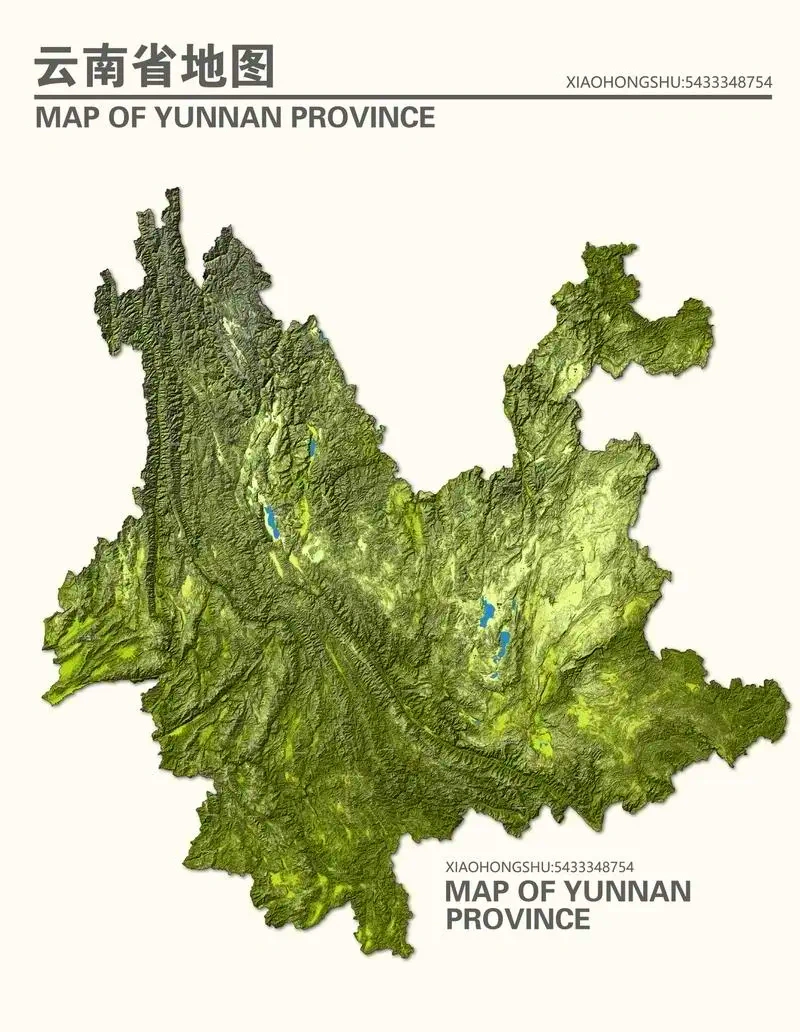
Shizong County (师宗县) in southeastern Yunnan is a destination where karst mountains, highland basins and deep river valleys create striking differences in scenery and weather over relatively short distances. The county lies in the southern section of the Wumeng Mountains and forms part of the transition between the Yunnan Plateau and the higherlands of western Guangxi. Its landscape is dominated by karst formations, mountain forests, highland agricultural basins and deeply cut valleys associated with the Nanpan River system.
For travelers, the most important feature is the county's vertical climate. Elevations range from about 737 meters in the southeastern Nanpan River valley to approximately 2,409.7 meters at Junzi Mountain (菌子山), producing an elevation difference of more than 1,670 meters. This helps explain the local saying that one mountain can experience several seasons and that the weather can change significantly within a short distance.
The result is a destination with very different travel conditions across the year. Mountain areas can be cool, windy and foggy while lower valleys remain warm and humid on the same day. Understanding these geographic and seasonal differences makes it much easier to plan hiking, village visits, cultural fieldwork, photography and outdoor study tours.
Shizong County Geography and Its Influence on Climate
A Mountain-to-Valley Landscape
The terrain of Shizong County generally descends from northwest to southeast. Karst mountain ranges and peaks dominate the higher elevations, while relatively level basins and agricultural plains occur around the central county area. Farther southeast, the landscape becomes increasingly rugged as the Nanpan River cuts through deep valleys.
This elevation structure produces several recognizable climate zones. Higher areas lose heat more rapidly and generally remain cooler, while lower valleys retain more warmth and moisture. Mountains also influence the movement of clouds and rainfall: slopes exposed to moist air can receive more cloud and precipitation, whereas sheltered slopes tend to be comparatively dry.
For visitors, this means that weather forecasts for the county as a whole do not always describe conditions at a particular attraction or village. Altitude, terrain and exposure to wind and moisture can be just as important as the calendar month.
Northwest Highland Mountain Zone
The northwest highland area, including the Junzi Mountain (菌子山) region and parts of Xiongbi Town (雄壁镇), generally lies at elevations of around 1,900 to 2,400 meters. Temperatures are lower than in the county's valleys, winds can be stronger and daily temperature differences can be considerable.
Spring is often dry and sunny, while summer brings more clouds, mist and refreshing temperatures. Frost becomes possible during the colder months, particularly at higher elevations. Mountain slopes can also generate localized cloud and rainfall, so hikers should be prepared for rapid weather changes.
The Junzi Mountain (菌子山) area may feel several degrees colder than the county town, particularly in the early morning, at night and during periods of strong wind.
Central Highland Basin
The central county area around Danfeng Subdistrict (丹凤街道) sits at roughly 1,850 meters and occupies a relatively open karst basin. It provides a useful reference point for the general climate of Shizong County.
The climate is mild, with distinct wet and dry seasons. Winter and spring tend to be relatively dry, sunny and comfortable during the daytime, while summer and autumn receive substantially more rainfall and generally feel cooler and more humid.
Because the basin is relatively open, air circulation is generally good. However, the difference between daytime and nighttime temperatures can still be noticeable, particularly during the dry season.
Southeastern Nanpan River Valleys
The southeastern areas around Wulong Zhuang Ethnic Township (五龙壮族乡) and Gaoliang Zhuang, Miao and Yao Ethnic Township (高良壮族苗族瑶族乡) descend toward the Nanpan River valleys. Elevations in these areas can fall to around 737 meters, creating a much warmer environment than the central county basin.
These lower valleys have a warmer subtropical character, with temperatures commonly several degrees higher than around the county seat. Humidity is also higher, particularly during the rainy season, when mist and clouds can gather along the valley slopes.
This warmer landscape is particularly noticeable during spring cultural events and village visits. Travelers moving between the highlands and valleys should therefore expect substantial changes in temperature within a single day.
Shizong County Weather and Climate Throughout the Year
Shizong County climate is characterized by a combination of subtropical and temperate influences, a pronounced dry season and rainy season, and strong vertical variation caused by elevation.
From approximately November through April, continental monsoon conditions generally bring more sunshine, lower humidity and limited rainfall. From May through October, moisture-bearing summer monsoon air increases rainfall, cloud cover and humidity.
The county generally avoids both severe summer heat and prolonged winter cold, but this does not mean that every part of Shizong experiences the same weather. Mountain tops can be cold and windy, while lower river valleys remain considerably warmer.
Average annual conditions around the county's central area are approximately:
- Annual average temperature: about 13.9°C
- Average annual rainfall: about 1,204.6 mm
- Annual sunshine: about 1,735.7 hours
- Frost-free period: about 273 days
- Rainy season: generally May to October
- Drier season: generally November to April
These figures should be treated as general climate references rather than precise forecasts for individual mountain and valley locations.
Spring in Shizong County: March to May
Weather and Landscape
Spring is one of the most attractive periods for Shizong County travel, especially from March through April. Temperatures rise gradually, rainfall is still relatively limited during the early part of the season, and the mountain landscapes begin to turn green.
The higher elevations around Junzi Mountain (菌子山) become particularly attractive when rhododendrons begin to bloom. Mountain flowers, cloud formations and open highland landscapes create excellent conditions for nature photography.
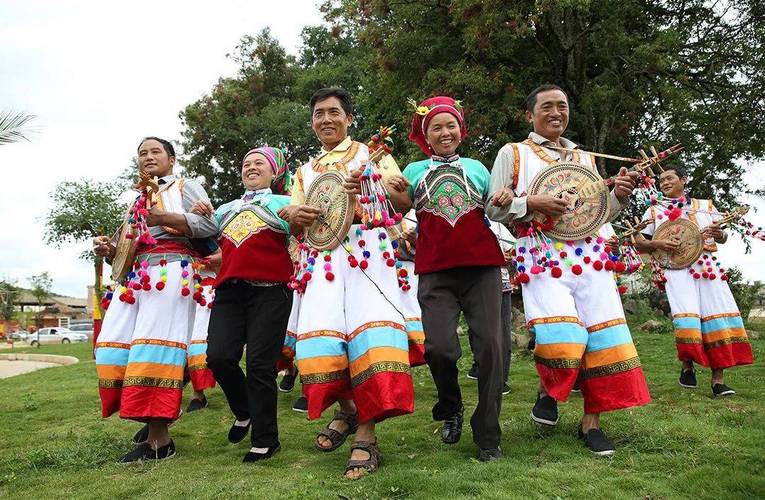
Lower areas such as Wulong become greener and warmer earlier in the season. Spring is also an important period for ethnic cultural activities, including the Wulong Zhuang March 3 Cultural Festival (五龙壮族三月三文化旅游节).
Best Spring Travel Routes
A well-balanced spring itinerary can combine mountain scenery with ethnic culture:
Junzi Mountain flower viewing → Wulong Zhuang villages and cultural activities → karst cave and canyon exploration
This combination allows travelers to experience the elevation contrast that makes Shizong distinctive.
What to Wear in Spring
Layered clothing works best. Travelers should consider long-sleeved shirts, lightweight fleece or a thin windproof jacket, long trousers and comfortable walking shoes. A hat, sunglasses and sunscreen are useful because sunlight can be strong at high elevations.
Anyone visiting the mountain summit should carry an additional warm layer, even when the weather in the county town feels comfortable.
Summer in Shizong County: June to August
Weather and Landscape
Summer is the wettest period of the year. Forests become lush, waterfalls and streams carry more water, and the valleys are at their greenest.
Rain often arrives as showers or thunderstorms rather than continuous rainfall throughout the entire day. Mountain areas can become misty, while the lower Nanpan River valleys can feel warm and humid.
Summer is especially suitable for travelers interested in karst landscapes, caves, waterfalls, forests and river valleys. Wild mushrooms also become more common in the surrounding mountain environment.
Best Summer Travel Routes
Suitable routes include:
Phoenix Valley cave and canyon exploration → Nandan Mountain hiking → Wulong river-valley ecological experience
Long mountain hikes should be planned carefully during periods of heavy rainfall. Slippery trails, reduced visibility and occasional rockfalls can affect travel in mountainous areas.
What to Wear in Summer
Lightweight quick-drying clothing is recommended. A waterproof shell or compact rain jacket should be carried every day during the rainy season.
Caves can feel noticeably cooler than the outdoor environment, so a thin jacket is useful even during the warmest months. Travelers exploring streams or wet environments should use footwear with good grip.
Sunscreen and insect repellent are also useful for outdoor activities.
Autumn in Shizong County: September to November
Weather and Landscape
Autumn gradually brings drier conditions and clearer skies. By September and October, rainfall usually decreases, visibility improves and the landscape becomes particularly attractive for photography.
The agricultural landscape also changes as fields mature and harvest approaches. Around Heiergu Village (黑尔古村), terraced fields can develop warm golden tones, creating a strong contrast with surrounding mountains.
Autumn is quieter than the major spring and summer travel periods, making it particularly suitable for travelers who prefer slower village exploration, photography and field research.
Best Autumn Travel Routes
Recommended combinations include:
Heiergu Village terraces → Junzi Mountain hiking → karst geology fieldwork → Zhuang village cultural exploration
The clearer air and lower rainfall make September and October especially useful for outdoor study groups.
What to Wear in Autumn
Temperatures can vary significantly between morning and afternoon. Long sleeves, a fleece layer and a windproof outer layer are useful.
Travelers planning early-morning photography or sunrise visits should bring a warmer jacket because mountain valleys and terraces can be chilly and misty before the sun rises.
Winter in Shizong County: December to February
Weather and Landscape
Winter is the driest period of the year. Days can remain bright and relatively comfortable, but mornings and evenings are cold, particularly in the highlands.
Frost may occur around higher mountain areas, while the lower Nanpan River valleys generally remain much milder. Vegetation is less lush than in summer, but the quieter atmosphere can be ideal for travelers interested in village culture, caves, geology and slower-paced exploration.
Karst caves provide an especially useful winter activity because underground environments are less affected by short-term changes in outdoor temperature.
Best Winter Travel Routes
A winter itinerary can focus on:
Karst cave exploration → traditional villages → cultural heritage workshops → local geological and rural studies
Winter is particularly suitable for small study groups that do not need to follow the busiest seasonal sightseeing schedule.
What to Wear in Winter
Warm layers are essential in the highlands. A fleece jacket or lightweight down jacket, warm trousers and comfortable walking shoes are recommended.
Travelers heading into the lower valleys can remove outer layers during the warmer part of the day, but anyone traveling into high mountain areas should prepare for cold mornings and possible frost.
Shizong County Monthly Climate and Travel Guide
The following table provides a practical overview of typical monthly conditions around the central area of the county. Mountain and river-valley conditions can differ substantially because of elevation.
| Month |
Average Temperature |
Typical High / Low |
Rainfall Pattern |
General Weather |
Travel & Clothing Advice |
| January |
5.8°C |
13 / 0°C |
Low, dry |
Coldest period; frost possible at high elevations |
Cave and village visits; warm jacket and extra morning layers |
| February |
7.5°C |
15 / 2°C |
Low, dry |
Gradual warming with frequent sunny days |
Light hiking; layered clothing for large temperature changes |
| March |
11.2°C |
18 / 5°C |
Low, dry |
Warmer, with cool mountain winds |
Flower viewing; sun protection and windproof layer |
| April |
14.8°C |
22 / 8°C |
Occasional rain |
Comfortable temperatures and spring flowers |
Excellent travel month; long sleeves and light waterproof jacket |
| May |
17.1°C |
24 / 11°C |
Increasing |
Transition into the rainy season |
Green valleys and late spring scenery; carry rainwear |
| June |
18.5°C |
25 / 13°C |
High |
Frequent showers and mountain mist |
Caves and valleys; waterproof jacket and good-grip shoes |
| July |
19.0°C |
25 / 14°C |
Highest |
Warmest and wettest period; valleys humid |
Summer ecology and canyon travel; quick-drying clothing |
| August |
18.2°C |
24 / 13°C |
High, mainly showers |
Lush forests and abundant moisture |
River-valley activities; rainwear and insect repellent |
| September |
15.7°C |
22 / 11°C |
Gradually decreasing |
Early autumn conditions |
Village and geology trips; light warm layer |
| October |
12.4°C |
19 / 7°C |
Lower, drier |
Clearer skies and strong autumn scenery |
Photography and hiking; layered clothing |
| November |
8.9°C |
16 / 4°C |
Low, dry |
Rapid cooling and sunny conditions |
Cultural trips; warm jacket for mornings |
| December |
6.3°C |
14 / 1°C |
Low, dry |
Cold highlands, milder valleys |
Cave and village tours; warm layers and sun protection |
The Best Time to Visit Shizong County
Best Overall: March to April
For many international visitors, March and April are the best time to visit Shizong County. The weather is generally comfortable, mountain flowers are developing or reaching peak bloom, and major ethnic cultural activities can add another dimension to a trip.
The combination of Junzi Mountain scenery, karst landscapes and Zhuang cultural experiences makes this period particularly attractive for photography groups, cultural travelers and international study tours.
Best for Clear Weather and Photography: September to October
September and October are excellent for travelers who prioritize clearer skies, rural landscapes and outdoor fieldwork. Rainfall is generally decreasing, visibility can be good and the countryside begins to show its autumn colors.
These conditions are well suited to geology research, village studies, landscape photography and ethnic-cultural fieldwork.
Best for Green Landscapes and Summer Escapes: June to August
Summer is the right choice for travelers who enjoy lush forests, waterfalls, caves and river landscapes. The downside is increased rainfall, slippery paths and occasional mountain-road hazards.
Flexible schedules are recommended during this season.
Best for Quiet Cultural Travel: December to February
Winter is the quietest period and can work well for travelers interested in caves, villages, cultural heritage and indoor study activities. Mountain landscapes are less colorful than in spring or summer, but lower valleys remain relatively mild.
What to Wear in Shizong County
Spring Clothing
Use a layered system: long-sleeved base layer, lightweight fleece or windproof jacket, long trousers and walking shoes. Add sunglasses, sunscreen and a hat for high-altitude outdoor activities.
Summer Clothing
Choose lightweight, quick-drying clothing and carry rain protection every day. A thin jacket is useful inside caves and during cool mountain mornings. Shoes should provide reliable grip on wet surfaces.
Autumn Clothing
Autumn is ideal for layered clothing. A long-sleeved shirt, fleece and wind-resistant outer layer can be combined according to the day's temperature. Early mornings in mountain and terrace areas can be surprisingly cold.
Winter Clothing
Highland travelers should prepare a fleece or lightweight down jacket, warm trousers and comfortable shoes. The lower river valleys are considerably warmer, so flexible layering is particularly useful.
Seasonal Travel Routes for Different Types of Visitors
For Large Study Groups
Large coach groups should prioritize destinations with relatively accessible roads and sufficient space for group movement. A practical structure is:
Central Shizong → Phoenix Valley area → Wulong cultural and ecological areas
Spring and autumn are generally easier for group transportation. During the rainy season, avoid unnecessary long-distance mountain driving and allow additional time for road conditions.
For Small In-Depth Study Groups
Small groups can explore more remote environments, including:
Junzi Mountain → Heiergu Village → Nandan Mountain
Spring works especially well for mountain flowers and ethnic cultural activities, while autumn is better suited to terraces, rural landscapes and geological fieldwork.
For Photography Travelers
Spring offers mountain flowers, clouds and ethnic festivals. Autumn provides clearer air, changing vegetation and golden agricultural landscapes.
Early mornings can be particularly rewarding, but photographers should prepare for cold temperatures and mist in elevated areas.
For Geology and Environmental Study
The county's combination of karst formations, highland basins, mountain forests and deep river valleys provides a natural outdoor classroom.
Spring and autumn generally offer the most comfortable conditions for extended outdoor observation. Summer provides stronger water features and lush vegetation but requires greater attention to rain and trail conditions.
Practical Weather and Safety Advice
The greatest challenge for travelers is not extreme seasonal weather but rapid changes caused by elevation. A journey that begins on a cold, windy mountain in the morning may end in a warm and humid river valley during the afternoon.
Travelers should therefore avoid dressing for the county as if it had a single uniform climate. Layered clothing is more practical than carrying one heavy garment.
During the rainy season, visitors should also allow extra travel time for wet and winding mountain roads. Slippery surfaces, reduced visibility and occasional rockfalls are possible after heavy rain.
Mobile phone coverage can be less reliable in remote mountain villages and valleys. Organized study groups traveling into less-developed areas may benefit from carrying backup communication equipment and maintaining a clear group meeting plan.
For international groups, an English-speaking local guide can be especially valuable when visiting remote villages, conducting cultural fieldwork or arranging interactions with local communities.