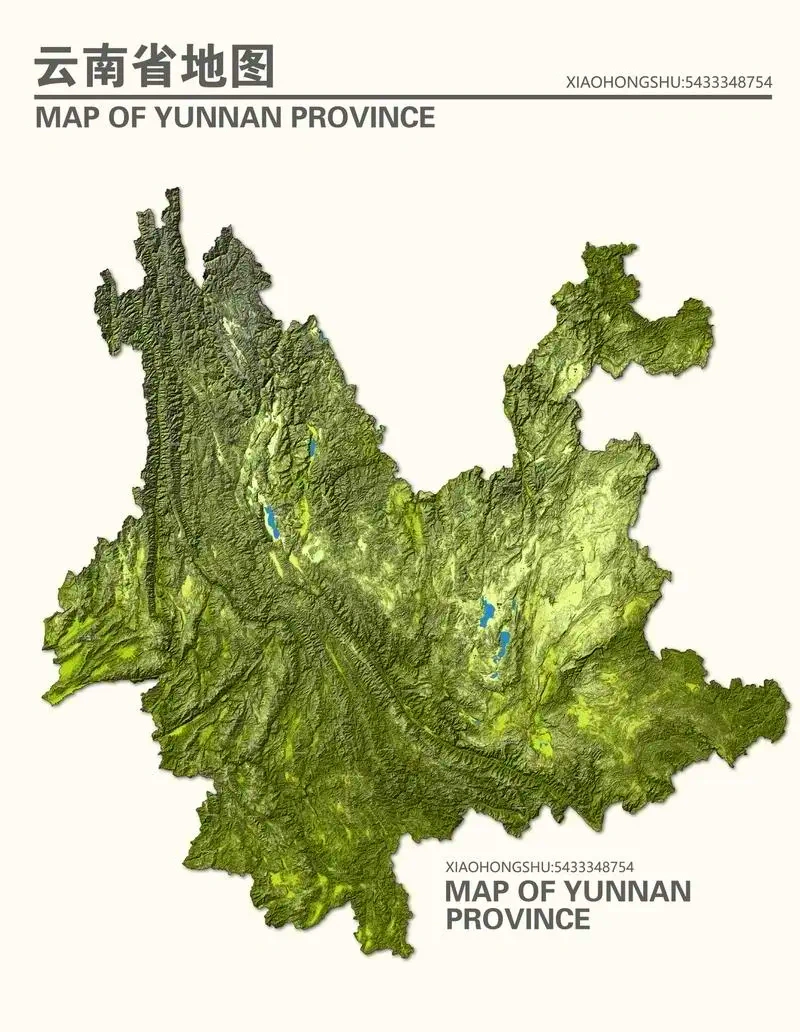
Shizong County(师宗县), administered by Qujing City(曲靖市) in Yunnan Province(云南省), offers an unusual combination of school-based learning, ethnic culture, intangible cultural heritage, traditional villages, agriculture, geology and local history. For international students, the county is particularly suitable for education study tours, cultural exchange programs, field research and experiential learning outside the conventional classroom.
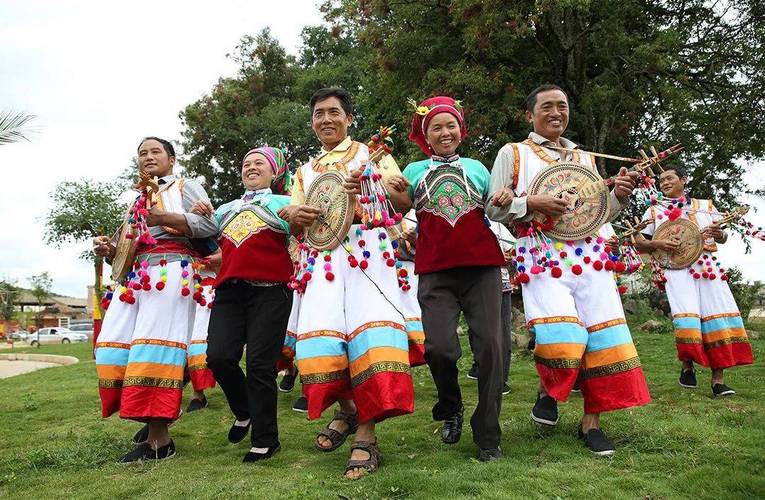
The county's education resources are concentrated around the county seat, while schools in ethnic townships provide opportunities to explore local cultural traditions through school-based activities. Zhuang brocade, Yi folk traditions, Miao music and embroidery, Hui food culture, agricultural knowledge and traditional village life can be incorporated into educational programs, creating opportunities for overseas students to learn directly from local students, teachers, craftspeople and community members.
Education Overview of Shizong County
Shizong has a relatively complete education system covering kindergartens, primary schools, middle schools, senior secondary education, vocational education, special education and teacher training. The county's educational structure is centered on Danfeng Subdistrict(丹凤街道), while township schools serve surrounding rural and ethnic communities.
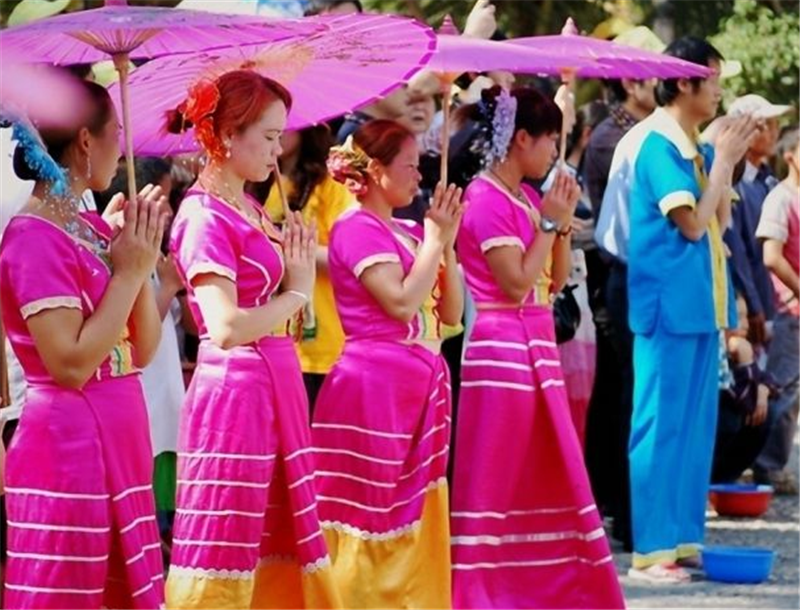
Schools in the county's ethnic townships can provide a particularly interesting setting for international education programs because students may encounter several cultural traditions within a relatively small geographic area. Zhuang, Yi, Miao and Hui communities contribute different forms of language, food, handicrafts, music, festivals and traditional knowledge.
For an international study tour, the value of Shizong's education resources lies not simply in visiting a school. A better approach is to combine school exchange, intangible cultural heritage workshops, ethnic village fieldwork, environmental education and rural cultural research into a connected program.
Basic Education
Primary and secondary schools are distributed throughout the county, with stronger concentrations in the county center. Schools such as Shizong County No. 1 Middle School(师宗县第一中学), Shizong County No. 2 Middle School(师宗县第二中学), Shizong County No. 3 Middle School(师宗县第三中学) and Fengshan Middle School(凤山中学) form part of the county's secondary education network.
Primary education is similarly distributed between the county center and township communities. Schools including Danfeng Primary School(丹凤小学) and Fengshan Central Primary School(凤山中心完小) can be considered when developing age-appropriate cultural exchange programs, subject to advance arrangements and school approval.
Vocational Education
Qujing Shizong Vocational and Technical School(曲靖市师宗职业技术学校) provides another potential resource for international education programs. Vocational education can be linked with practical subjects such as tourism services, traditional crafts, agriculture and local cultural industries.
For overseas students, a vocational-school visit can complement a conventional school exchange by demonstrating how local skills are taught and how traditional knowledge can be connected with contemporary employment and tourism.
Well-Known Schools and Education Resources by Area
Danfeng Subdistrict: The Main Education Center
Danfeng is the county's principal educational and administrative center. It is the most convenient location for international school exchanges because several primary and secondary schools, vocational education facilities and cultural institutions are concentrated here.
Potential school-exchange resources include Shizong County No. 1 Middle School(师宗县第一中学), Shizong County No. 2 Middle School(师宗县第二中学), Shizong County No. 3 Middle School(师宗县第三中学), Fengshan Middle School(凤山中学), Danfeng Primary School(丹凤小学), Fengshan Central Primary School(凤山中心完小), Enrong Primary School(恩荣完小) and Wenhua Primary School(文华完小).
The county center is particularly suitable for short educational programs combining classroom interaction with visits to local cultural and heritage sites.
Wulong Zhuang Township: Zhuang Cultural Education
Schools in Wulong Zhuang Township(五龙壮族乡) provide a useful starting point for exploring Zhuang cultural education. Traditional handicrafts such as Zhuang brocade can be incorporated into experiential classes when local schools, cultural organizations or heritage practitioners are available to host visitors.
An international student group can learn about the history of Zhuang weaving, observe the preparation of materials and try basic weaving techniques. The activity can then be connected with discussions about cultural preservation, traditional crafts and the role of intangible heritage in contemporary communities.
Xiongbi Township: Yi Cultural Learning
Xiongbi Township(雄壁镇) offers opportunities to study Yi culture and traditional community life. The area around Duza is associated with the traditional God Monkey Binding ritual, providing material for research into folklore, symbolism, community traditions and the relationship between cultural heritage and contemporary education.
Because some traditional ceremonies have important cultural and religious meanings, educational groups should treat them as living cultural practices rather than entertainment performances.
Gaoliang Township: Miao, Zhuang and Yao Cultural Resources
Gaoliang Zhuang, Miao and Yao Township(高良壮族苗族瑶族乡) offers one of the county's most diverse cultural environments. International students can explore Miao music, traditional clothing, embroidery, village architecture and agricultural practices.
Activities involving traditional music or handicrafts are especially suitable for younger students because they provide opportunities for direct participation while introducing wider themes such as cultural identity, community traditions and heritage preservation.
Kuishan Township: Hui Cultural Education
Kuishan Township(葵山镇) has Hui communities and provides opportunities to explore Hui cultural traditions, halal food culture and the relationship between dietary customs and community life.
For international students, food can become an accessible entry point for cross-cultural education. A program can introduce halal dietary principles, local ingredients and traditional cooking methods while explaining why food customs are closely connected with cultural identity.
Longqing Township: Agricultural and Multi-Ethnic Learning
Longqing Township(龙庆乡) provides opportunities to combine ethnic culture with rural and agricultural education. Traditional rice cultivation, village landscapes, local food production and Zhuang-Yi cultural interaction can form the basis of field research.
The traditional community of Heier is particularly suitable for studying the connection between agriculture, architecture, food and everyday life.
Intangible Cultural Heritage for International Study Tours
Shizong has a diverse collection of intangible cultural heritage resources. For international students, the strongest educational opportunities come from combining demonstrations with hands-on learning rather than simply watching performances.
Zhuang Brocade
Zhuang brocade is one of the most distinctive traditional crafts associated with Wulong. A workshop can introduce students to weaving patterns, traditional materials, production techniques and the cultural meanings represented by textile designs.
A practical class in which students create a small textile piece can turn an abstract lesson about intangible heritage into a tangible learning experience.
Yi God Monkey Binding Tradition
The traditional Yi God Monkey Binding ritual associated with Duza provides an opportunity for advanced students to explore folklore, ritual symbolism, community memory and cultural anthropology.
This subject is better suited to older students and university-level fieldwork than to casual sightseeing. Researchers should work with local cultural representatives and avoid photographing or recording sacred activities without permission.
Miao Music, Embroidery and Traditional Arts
Miao cultural resources include traditional reed-pipe music, songs, embroidery and clothing traditions. These can support workshops in music, textile design, visual anthropology and cultural studies.
Students can compare traditional Miao patterns with textile traditions from their own countries, creating a useful cross-cultural classroom project.
Other Traditional Skills
Additional local heritage resources include Yi embroidery, traditional dance, traditional bamboo and wood crafts, local food production, rice processing, traditional liquor making and regional folk songs.
These subjects are particularly suitable for project-based learning in which students document the process, interview practitioners and produce their own research materials.
Ethnic Culture Study Resources
Shizong is home to communities with Zhuang, Yi, Miao and Hui cultural traditions. This diversity makes the county suitable for cross-cultural education programs in which students compare how different communities express identity through architecture, food, music, clothing, festivals and agriculture.
Zhuang Culture in Wulong
Wulong combines river-valley landscapes with Zhuang cultural traditions. Students can study traditional agriculture, rice cultivation, handicrafts, bronze-drum culture and village life.
The Sanyuesan Festival(三月三) period can be particularly valuable for cultural immersion when appropriate public activities are taking place.
Yi Culture in Duza
Duza offers opportunities to examine Yi village architecture, traditional clothing, oral traditions and the cultural background of the God Monkey Binding tradition.
Fieldwork should focus on respectful observation, interviews and cultural interpretation rather than treating traditional rituals as staged tourism.
Miao Culture in Gaoliang
Miao communities provide educational resources related to traditional music, embroidery, clothing, village architecture and festival traditions. Students can combine craft workshops with photography, interviews and comparative cultural research.
Hui Culture in Kuishan
Hui cultural study can focus on food traditions, community history, architecture and everyday customs. International groups should be briefed on halal dietary requirements before visiting Hui communities or halal restaurants.
Natural Science and Geological Study Resources
Shizong's natural landscape provides an effective complement to school-based education. The county's karst terrain, mountain forests, highland vegetation and river valleys allow students to study geology, ecology and environmental change through field observation.
Junzi Mountain
Junzi Mountain(菌子山) is an important ecological study destination featuring karst formations, highland forests, mountain meadows and rhododendron landscapes.
Biology students can examine plant communities, seasonal changes and mountain ecosystems, while geography students can investigate karst landforms and the relationship between elevation, climate and vegetation.
Fenghuang Valley
Fenghuang Valley Life Culture Theme Park(凤凰谷生命文化主题公园) provides a dramatic setting for geological education. Its large karst cave system allows students to examine cave formation, limestone landscapes, underground water systems and the development of stalactites and stalagmites.
A structured field lesson can turn the visit into a practical introduction to karst geology and cave science rather than simply a sightseeing excursion.
Luowo Historical and Archaeological Resources
Historical resources associated with ancient Luowo(漏卧) can be incorporated into interdisciplinary programs combining archaeology, local history, geography and cultural landscape studies.
Students can investigate how ancient communities interacted with their natural environment and how archaeological evidence contributes to understanding regional history.
Red History and Social Studies Resources
Shidong Red Culture Tourist Area(石洞红色文化旅游区) provides an additional educational dimension through the history of the revolutionary period in southwestern China.
The former site associated with the Yunnan-Guizhou-Guangxi Border Column can support lessons in modern Chinese history, regional political history, historical geography and comparative studies of social change.
Machang Red Education Base(马厂红色教育基地) in Kuishan provides another potential location for studying local revolutionary history and community memory.
For international students, these visits work best when accompanied by bilingual historical materials and classroom discussion rather than relying exclusively on monument visits.
Agricultural and Rural Study Resources
Rural Shizong provides opportunities for students to study agriculture, food systems, traditional knowledge and rural development.
Areas around Heier and Gaoliang can be used for field observations of rice cultivation and local crops, while village-based programs can introduce students to seasonal agricultural work, food processing and traditional rural lifestyles.
These activities can be connected to broader academic themes such as food sustainability, rural development, biodiversity, traditional ecological knowledge and cultural landscapes.
Recommended Education Study Tour Programs
Four-Day Intangible Heritage and Ethnic Culture Program
A four-day program can begin in Danfeng with a school exchange and a visit to a vocational-school heritage workshop. Students can meet local teachers and students, participate in cultural discussions and learn about traditional crafts.
The second day can focus on Wulong, combining Zhuang cultural interpretation with a Zhuang brocade workshop, traditional food culture and a visit to the surrounding landscape.
The third day can move to Xiongbi and Duza for a field study of Yi traditions, traditional village architecture and local cultural memory. Older students can undertake a supervised research project on ritual traditions.
The fourth day can focus on Gaoliang and Miao culture, including traditional music, clothing and embroidery.
The period around the Zhuang Sanyuesan Festival can provide an especially rich cultural context when public activities are scheduled, although festival dates and program arrangements should be confirmed in advance.
Three-Day Geological and Ecological Study Program
A science-oriented program can begin with fieldwork on Junzi Mountain, where students observe karst formations, vegetation and mountain ecosystems.
The second day can focus on Fenghuang Valley and introduce cave geology, limestone formation and underground landscapes.
The third day can connect natural science with human geography through rural landscapes and historical resources associated with Luowo.
This format is particularly appropriate for middle-school, high-school and university groups studying geography, environmental science, biology or earth science.
Red History and Cultural Heritage Program
A history-focused program can combine the Shidong revolutionary site with Luowo historical resources and local cultural exhibitions.
Students can compare different forms of historical evidence, including buildings, documents, oral history and archaeological remains. This can lead to a group research project examining how local communities preserve historical memory.
Two-Day International School Exchange
For a short school-exchange visit, Day 1 can focus on a local middle school or primary school, with classroom observation, student introductions, group activities and cultural presentations.
Day 2 can combine a heritage workshop with a nearby traditional village visit. Students can work together on a small cross-cultural project and present their findings before leaving.
The exact participating schools and activities must be arranged with the schools in advance.
Key Study Tour Resources by Area
| Area |
Study Tour Resource |
Main Academic Theme |
Suitable Program |
| Danfeng Subdistrict |
Vocational education and urban schools |
School exchange, vocational education, heritage skills |
International student exchange |
| Danfeng Subdistrict |
Primary and secondary schools |
Classroom interaction and cross-cultural communication |
School exchange |
| Wulong Zhuang Township |
Zhuang cultural resources |
Zhuang history, weaving, agriculture and folk traditions |
Ethnic culture study |
| Xiongbi Township |
Duza Yi Village |
Ritual culture, folklore and anthropology |
Advanced cultural fieldwork |
| Gaoliang Township |
Miao communities |
Music, embroidery, clothing and village culture |
Ethnic culture study |
| Kuishan Township |
Hui communities |
Food culture and community traditions |
Cross-cultural study |
| Longqing Township |
Heier traditional community |
Rice agriculture, food processing and rural culture |
Agricultural study |
| Junzi Mountain |
Mountain ecological area |
Karst geology, plants and ecology |
Natural science study |
| Fenghuang Valley |
Karst cave landscape |
Cave geology and environmental science |
Geological study |
| Shidong |
Revolutionary heritage site |
Modern history and historical geography |
History study |
| Machang |
Red education resource |
Local revolutionary history |
History and social studies |
Schools and Education Institutions
The following schools and education institutions can be considered as potential resources when planning an international study program. School participation, visits and student exchanges require advance approval.
| School or Institution |
Chinese Name |
Education Level / Type |
Location |
| Shizong County No. 1 Middle School |
Shizong County No. 1 Middle School(师宗县第一中学) |
Secondary school |
Danfeng |
| Shizong County No. 2 Middle School |
Shizong County No. 2 Middle School(师宗县第二中学) |
Secondary school |
Danfeng |
| Shizong County No. 3 Middle School |
Shizong County No. 3 Middle School(师宗县第三中学) |
Secondary school |
Danfeng |
| Shizong County Sports Middle School |
Shizong County Sports Middle School(师宗县体育中学) |
Sports-oriented secondary education |
Danfeng |
| Fengshan Middle School |
Fengshan Middle School(凤山中学) |
Secondary school |
Danfeng |
| Danfeng Primary School |
Danfeng Primary School(丹凤小学) |
Primary school |
Danfeng |
| Fengshan Central Primary School |
Fengshan Central Primary School(凤山中心完小) |
Primary school |
Danfeng |
| Enrong Primary School |
Enrong Primary School(恩荣完小) |
Primary school |
Danfeng |
| Wenhua Primary School |
Wenhua Primary School(文华完小) |
Primary school |
Danfeng |
| Shizong County Kindergarten |
Shizong County Kindergarten(师宗县幼儿园) |
Kindergarten |
Danfeng |
| Yangyue Subdistrict Nursery School |
Yangyue Subdistrict Nursery School(漾月街道托儿所) |
Nursery education |
Danfeng |
| Leimeng Kindergarten |
Leimeng Kindergarten(蕾萌幼儿园) |
Kindergarten |
Shizong County |
| Qujing Shizong Vocational and Technical School |
Qujing Shizong Vocational and Technical School(曲靖市师宗职业技术学校) |
Vocational education |
Danfeng |
Planning an International Education Study Tour
International school groups should arrange school visits, heritage workshops and community activities well in advance. Schools generally need information about the visiting institution, student numbers, age group, proposed activities and expected schedule before an exchange can be confirmed.
A bilingual guide or interpreter is strongly recommended because English-language information may be limited in township schools and rural communities. For hands-on heritage activities, local practitioners should be involved directly so that students receive information from people who actually maintain the traditions.
Traditional ceremonies require particular care. Activities such as the Yi God Monkey Binding tradition and other community rituals should be approached as living cultural heritage. Students should follow local instructions, avoid interrupting ceremonies and obtain permission before photographing, filming or interviewing residents.
Visitors studying Hui communities should also respect halal dietary practices and avoid bringing pork products or alcohol into relevant community and dining environments.
Mountain destinations require appropriate footwear and weather preparation. During the rainy season, students should be prepared for wet paths, slippery surfaces, fog and changing road conditions.
Recommended Learning Outcomes
A well-designed Shizong education study tour can produce more than photographs and sightseeing memories. Students can create field journals, cultural interview records, comparative studies, textile or craft projects, photography collections and group presentations.
For international schools, these materials can support subjects including geography, biology, environmental science, anthropology, history, art, cultural studies and Chinese language learning.
A particularly effective approach is to give students a research question before arrival, allow them to collect information through school exchanges and field visits, and then ask them to present their findings at the end of the program.
Students Education Study Tour with Yaso Trip
Shizong offers an unusual combination of school exchange, intangible cultural heritage, ethnic culture, natural science, agriculture and local history within one county. The strongest programs do not treat these resources as separate attractions. Instead, students can move from the classroom into villages, workshops, mountains and agricultural landscapes, connecting what they learn at school with the communities that preserve the knowledge.
Yaso Trip can develop customized Students Education Study Tours for international schools and student groups, including school exchange coordination, bilingual guiding, intangible heritage workshops, traditional village fieldwork, geological study, agricultural experiences and cultural research activities.
For younger students, hands-on crafts, school interaction and village culture provide accessible learning experiences. Older students can undertake deeper projects in anthropology, environmental science, history, geography and heritage preservation. With advance planning and appropriate local coordination, Shizong can serve as a compact field classroom for students seeking a more direct understanding of Yunnan's ethnic diversity, traditional culture and rural landscapes.