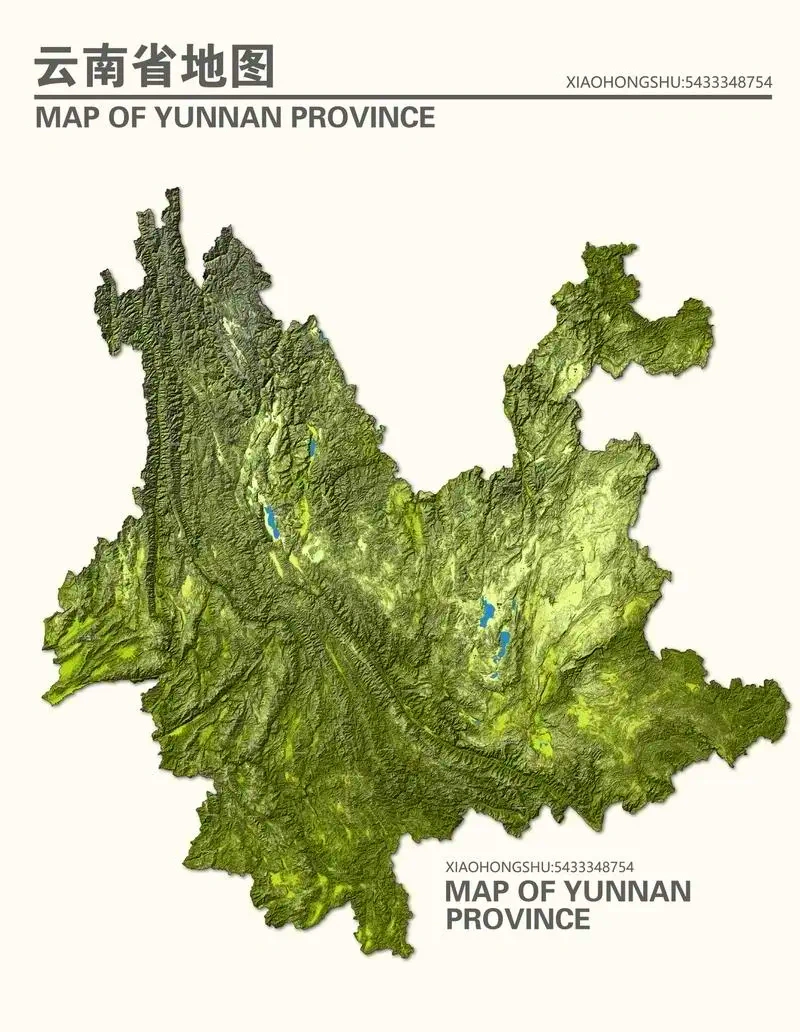
Shizong County (师宗县), located in Qujing City (曲靖市), Yunnan Province (云南省), is an important ethnic cultural area in eastern Yunnan. Situated near the border of Yunnan, Guangxi and Guizhou, the county has preserved rich ethnic traditions, ancient village landscapes and living intangible cultural heritage.
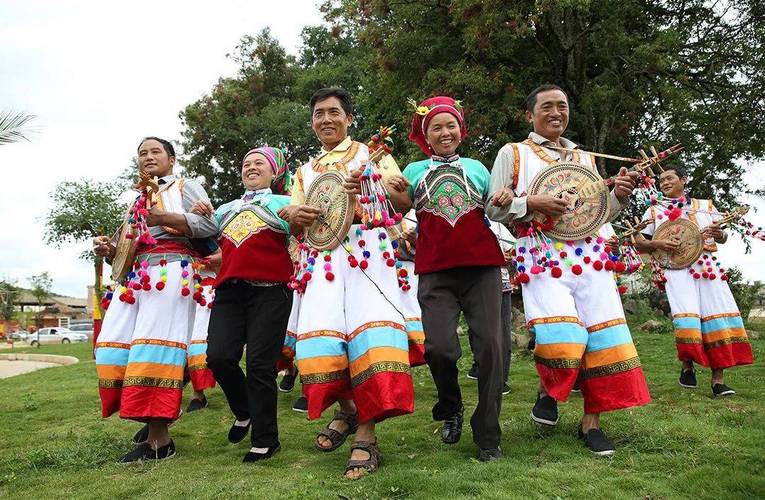
Shizong is home to five indigenous ethnic groups: Zhuang (壮族), Yi (彝族), Miao (苗族), Yao (瑶族) and Hui (回族). The ethnic population accounts for about 19% of the county's population. Different ethnic groups have formed distinctive cultural regions: the southern river valleys preserve Zhuang farming culture, the northern mountains maintain Yi traditional rituals, the border mountain areas protect Miao and Yao customs, and Hui communities continue Islamic traditions and Qingzhen food culture.
With its combination of ethnic villages, intangible cultural heritage, traditional handicrafts, historical sites and folk festivals, Shizong is an ideal destination for ethnic minority cultural tourism, cultural research tours, photography tours and immersive heritage experiences.
Ethnic Groups and Cultural Characteristics in Shizong
Zhuang Culture
The Zhuang people (壮族) are mainly distributed in Wulong Zhuang Ethnic Township (五龙壮族乡), Longqing Yi and Zhuang Ethnic Township (龙庆彝族壮族乡) and parts of Gaoliang Zhuang, Miao and Yao Ethnic Township (高良壮族苗族瑶族乡).
The Zhuang communities of Shizong preserve traditional rice farming culture, river valley lifestyles and handicraft traditions. The most representative cultural elements include Zhuang Brocade (壮锦), March 3 Festival (三月三), five-color glutinous rice, bronze drum culture and traditional folk songs.
Yi Culture
The Yi people (彝族) mainly live in areas such as Xiongbi Town (雄壁镇), Longqing Township (龙庆乡), Kui Shan Town (葵山镇) and surrounding mountain villages.
Yi culture in Shizong is famous for Yi God Monkey Binding Custom (彝族绑神猴习俗), one of the most unique folk rituals in eastern Yunnan. The tradition combines ancient beliefs, village ceremonies, symbolic performances and community blessings.
Other Yi cultural traditions include Tiaodongde Dance (跳咚嘚舞), folk songs and the Torch Festival (火把节).
Miao Culture
The Miao people (苗族) mainly inhabit Gaoliang Zhuang, Miao and Yao Ethnic Township (高良壮族苗族瑶族乡).
Their cultural identity is represented by Huashan Festival (花山节), Lusheng music, traditional clothing, embroidery and mountain village lifestyles.
The Miao communities of Shizong maintain traditional festivals and folk performances that reflect their agricultural history and social traditions.
Yao Culture
The Yao people (瑶族) mainly live in mountain villages of Gaoliang.
Their cultural heritage includes traditional clothing, embroidery, mountain living knowledge and the important ritual of Dujie Ceremony (度戒仪式), a traditional coming-of-age ceremony with strong cultural significance.
Hui Culture
The Hui people (回族) are mainly distributed in towns and agricultural areas.
Their culture includes Islamic traditions, Qingzhen dietary customs, traditional community life and festivals such as Eid al-Fitr (开斋节) and Corban Festival (古尔邦节).
Ethnic Minority Townships
Wulong Zhuang Ethnic Township
Wulong Zhuang Ethnic Township (五龙壮族乡) is the core area of Zhuang culture in Shizong.
The township is known for Zhuang Brocade (壮锦) workshops, traditional festivals, agricultural landscapes and river valley villages. It is one of the best places to experience Zhuang handicrafts and folk customs.
Longqing Yi and Zhuang Ethnic Township
Longqing Yi and Zhuang Ethnic Township (龙庆彝族壮族乡) is a mixed Yi-Zhuang cultural area.
The township combines Zhuang agricultural traditions, Yi mountain culture and traditional villages such as Heier Village (黑尔村), creating a unique multicultural landscape.
Gaoliang Zhuang, Miao and Yao Ethnic Township
Gaoliang Zhuang, Miao and Yao Ethnic Township (高良壮族苗族瑶族乡) is located in the southern mountainous area near the Yunnan-Guangxi border.
It is one of the most culturally diverse areas of Shizong, where visitors can experience Miao festivals, Yao traditions, Zhuang customs and Nanpanjiang river valley scenery.
Featured Ethnic Villages
Duzha Yi Village
Duzha Village (堵杂村) in Xiongbi is the representative village of Yi ritual culture.
The village is famous for Yi God Monkey Binding Custom (彝族绑神猴习俗). Every year during the Spring Festival period, local communities organize traditional blessing ceremonies featuring symbolic performances, village tours and folk rituals.
The village is considered one of the most important destinations for understanding ancient Yi beliefs.
Heier Zhuang Ancient Village
Heier Village (黑尔村) preserves traditional Zhuang architecture, farming landscapes and river valley village culture.
The village features traditional houses, rice terraces and local folk songs. It is suitable for visitors interested in rural anthropology and traditional agricultural culture.
Goujie Zhuang Cultural Village
Goujie Village (狗街村) in Wulong is an important center for Zhuang cultural activities.
Visitors can explore Zhuang handicraft workshops, folk exhibitions and traditional cultural activities.
Nasha Miao Village
Nasha Village (纳厦村) in Gaoliang is an important Miao cultural village.
The village preserves Miao Lusheng traditions, Huashan Festival customs and local folk knowledge.
Balin Yao and Zhuang Village
Balin Village (坝林村) combines Yao and Zhuang cultures.
The village preserves traditional Yao customs and mountain river valley lifestyles.
Traditional Villages and Historical Heritage
Shizong has two nationally recognized traditional villages listed in the Chinese Traditional Villages List (中国传统村落名录).
Shuji Village
Shuji Village (淑基村) in Zhuki preserves traditional architecture and historical culture.
The village is connected with Dou Xu (窦垿), a Qing Dynasty scholar and author of the famous Yueyang Tower couplet. Ancient residences, ancestral buildings and traditional village structures remain important cultural resources.
Dachong Village
Dachong Village (大冲村) preserves traditional rural architecture and historical village landscapes.
The village contains traditional wooden and earth structures reflecting local construction techniques and rural lifestyles.
Historical and Cultural Heritage Sites
Luowo Ancient Kingdom Heritage
Luowo Ancient Kingdom Heritage (漏卧古国遗存) represents ancient civilization in the Nanpanjiang River region.
It reflects the history of ancient ethnic communities in eastern Yunnan and is an important cultural tourism resource.
Dou Xu Former Residence
Dou Xu Former Residence (窦垿故居) preserves Qing Dynasty architectural features and literary heritage.
It is an important site for visitors interested in traditional Chinese culture and historical figures.
Shidong Revolutionary Heritage Site
Shidong Revolutionary Heritage Site (石洞红色文化遗址) preserves memories of revolutionary history and local social development.
Other heritage resources include ancient roads, stone bridges, traditional ritual spaces, ancient inscriptions and cultural landscapes throughout ethnic villages.
Intangible Cultural Heritage of Shizong County
Shizong has developed a rich system of Intangible Cultural Heritage (非物质文化遗产), especially in folk rituals, traditional crafts, music and ethnic production skills.
Provincial-Level Intangible Cultural Heritage
Yi God Monkey Binding Custom (彝族绑神猴习俗) is the most representative Yi folk heritage of Shizong. It is preserved mainly in Duzha and represents ancient Yi ritual culture.
Zhuang Brocade Weaving (壮族织锦) is a traditional Zhuang craft using handmade looms and colorful patterns representing ethnic identity and cultural beliefs.
Miao Huashan Festival (苗族花山节) represents Miao festival traditions, including Lusheng performances, singing and community gatherings.
Other provincial-level heritage includes traditional forging techniques and traditional medicine production skills.
Municipal and County-Level Heritage
Important local heritage projects include:
Tiaodongde Dance (跳咚嘚舞), Miao oral string music, Miao Lusheng dance, Zhuang embroidery, Zhuang folk songs, Yao clothing techniques, bamboo wine brewing, tea production, tile-making and traditional woodcraft.
Representative Intangible Cultural Heritage Inheritors
Important heritage inheritors include:
Yu Jingfeng (余晶凤), a provincial-level inheritor of Zhuang Brocade Weaving (壮族织锦), who promotes traditional weaving education and cultural workshops.
Yang Shuxiang (杨树祥), a provincial-level inheritor of Miao Lusheng culture, who preserves traditional Miao music and festival knowledge.
Other cultural inheritors include:
Li Lumei (李禄妹) for Zhuang embroidery;
Lu Yulan (卢玉兰) for Yao clothing traditions;
Duan Zaoxiang (段早香) for Yi traditional dance;
Wang Meiying (王美英) for Miao oral string music.
These inheritors play an important role in protecting and transmitting Shizong's ethnic cultural heritage.
Ethnic Minority Cultural Tourism Guide
Shizong's ethnic tourism focuses on authentic village experiences, intangible heritage learning and cultural interaction rather than large-scale commercial attractions.
The main cultural tourism themes include:
Yi Ritual Culture Experience
Visitors can explore Yi villages, learn about ancient rituals and understand the symbolic meaning of traditional ceremonies.
Zhuang Handicraft and Farming Culture Experience
Visitors can experience Zhuang brocade weaving, traditional food culture, village architecture and agricultural traditions.
Miao and Yao Mountain Culture Experience
Visitors can discover mountain villages, folk music, clothing traditions and festival customs.
Traditional Village and Historical Culture Exploration
Ancient villages such as Shuji and Dachong provide opportunities to explore architecture, literature and rural history.
Cultural Travel Tips for International Visitors
When visiting ethnic villages, travelers should respect local customs and traditions.
Sacred ceremonies such as Yi rituals, Yao coming-of-age ceremonies and village worship activities should only be observed with permission. Photography of villagers, cultural performances and religious activities should be conducted politely.
Visitors joining handicraft workshops should make reservations with local inheritors in advance, especially for English-language cultural explanations.
Traditional foods include Zhuang five-color rice, Yi buckwheat products, local mountain dishes and ethnic specialty foods. Visitors should follow local dietary customs when entering different ethnic communities.
Because many ethnic villages are located in mountainous areas, private vehicles or chartered transport are recommended for cultural tours.
Yaso Trip Ethnic Culture Tour Services
Yaso Trip provides customized inbound cultural tourism experiences in Shizong, including ethnic village visits, intangible cultural heritage workshops, bilingual interpretation, local guide services and connections with cultural inheritors.
The most suitable themes include:
- Zhuang Brocade and Handicraft Experience
- Yi Ritual and Folk Culture Exploration
- Miao Festival and Mountain Culture Experience
- Multi-Ethnic Village Research Tour
- Yunnan-Guangxi Border Ethnic Cultural Route
With its combination of Zhuang traditions, Yi rituals, Miao festivals, Yao customs, Hui culture, traditional villages and intangible heritage, Shizong offers international travelers an authentic destination for discovering the living ethnic cultures of Yunnan.