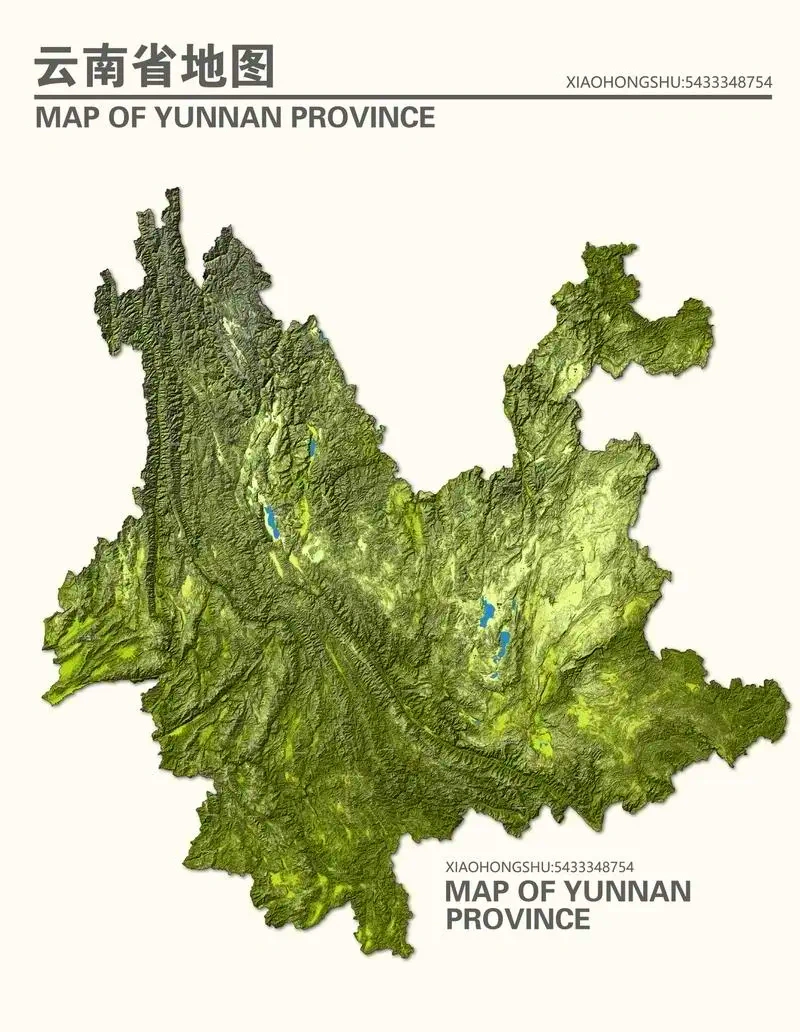
Shizong County (师宗县) in Qujing, Yunnan Province (云南省曲靖市) lies on the karst plateau of eastern Yunnan. The county is home to several long-established ethnic communities, with Zhuang, Yi, Miao and Hui cultures playing an important role in its local traditions.
These communities have created a varied calendar of festivals and folk events throughout the year. Zhuang traditions are particularly visible around the Nanpan River valley, Yi communities preserve distinctive mountain customs and fire-related celebrations, Miao villages maintain Flower Mountain traditions, while Hui communities observe important Islamic festivals.
For travelers interested in ethnic festivals in Yunnan, Shizong offers an unusual opportunity to experience different cultural traditions within one county. Some events are large public celebrations, while others are closely connected with individual villages and traditional community rituals.
The county's festival culture is characterized by seasonal variety, strong local identity and a close connection between festivals, village life, traditional music, dance, clothing, food, handicrafts and religious or ceremonial practices.
Among the best-known events are the Wulong Zhuang March 3rd Cultural Festival, the Yi God Monkey Binding tradition, the Miao Flower Mountain Festival and the Yi Torch Festival.
A Four-Season Festival Calendar in Shizong County
Festival activities take place throughout the year, although different seasons highlight different ethnic traditions.
Spring is dominated by traditional New Year customs, Yi and Miao folk traditions and the major Zhuang celebration around the Third Day of the Third Lunar Month. Summer brings the lively atmosphere of the Yi Torch Festival. Autumn is associated with harvest traditions and rural cultural activities, while winter brings Chinese New Year celebrations and important Hui Muslim festivals.
This seasonal diversity makes Shizong County festival tours suitable for travelers who want to experience local culture at different times of the year.
Spring Festivals: Traditional Customs and the Zhuang March 3rd Festival
Yi God Monkey Binding Tradition
The Yi God Monkey Binding Tradition (彝族绑神猴) is one of the most unusual folk customs associated with Shizong.
The tradition is practiced around the Chinese New Year period, particularly on the first day of the Lunar New Year in several Yi communities around Duza and neighboring villages.
Participants traditionally use vines, leaves and other natural materials to create a distinctive “monkey” appearance. Wearing traditional masks and costumes, participants move through the village and visit households as part of the community's traditional New Year customs.
The activity has been associated with prayers for protection, good fortune and the well-being of the community. Its unusual appearance, village setting and connection with older Yi traditions make it particularly interesting to visitors studying Yi culture, traditional rituals and folk anthropology.
Because the activity has a ceremonial character, visitors should treat it as a cultural tradition rather than simply as a performance. Photography and participation should follow local guidance.
Miao Flower Mountain Festival
The Miao Flower Mountain Festival (苗族花山节), also known as “Stepping on the Flower Mountain,” is an important traditional celebration among Miao communities in the county.
It is generally held during the early part of the Lunar New Year period. Miao communities gather at traditional festival grounds, where music, dance, singing and traditional competitions create a lively atmosphere.
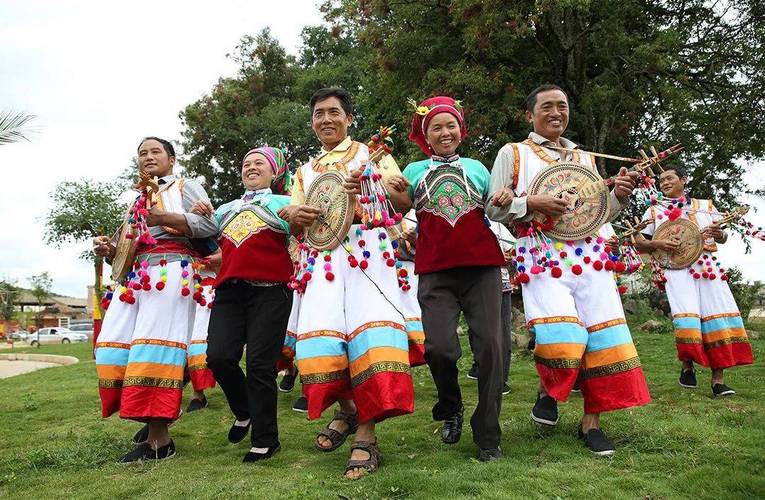
Festival activities may include lusheng performances, climbing or crossing decorated flower poles, antiphonal singing, traditional costume displays, horse racing, bull-related competitions and traditional martial arts.
Young men and women traditionally gather around the flower poles, creating a festive social environment in which music, dance and courtship traditions are intertwined.
For international visitors, the festival provides an opportunity to observe Miao clothing, musical traditions, community gatherings and traditional sports in a rural setting.
Wulong Zhuang March 3rd Cultural Festival
The Wulong Zhuang March 3rd Cultural Festival (五龙壮族三月三文化旅游节) is one of the most important ethnic cultural celebrations in Shizong.
The festival takes place around the Third Day of the Third Lunar Month, generally falling in April on the Gregorian calendar. It has developed into a major cultural tourism event and is one of the county's best-known public celebrations.
The festival combines traditional Zhuang customs with a variety of activities designed for visitors. Depending on the year's program, visitors may encounter water-splashing activities, bamboo pole dancing, five-color flower rice, bamboo rafting, long-table banquets, traditional costumes, cultural markets and evening bonfire gatherings.
Bamboo pole dancing and water-related activities create a particularly interactive atmosphere, while traditional food, clothing and handicrafts introduce visitors to different aspects of Zhuang culture.
For travelers planning a Yunnan ethnic festival tour, the March 3rd celebration is one of the easiest opportunities to experience Zhuang traditions through a combination of cultural displays and community activities.
Summer Festivals: Yi Torch Festival and Village Celebrations
Yi Torch Festival
The Yi Torch Festival (彝族火把节) is one of the most important traditional celebrations among Yi communities in Yunnan.
In Shizong, Torch Festival activities can take place in different townships and villages around the county, with the main celebrations generally associated with the Sixth Month of the Yi lunar calendar and the traditional date of the 24th day of the sixth lunar month.
The festival centers on fire ceremonies, torch processions, traditional songs, dancing, cultural performances and evening gatherings.
One of the most memorable experiences for visitors is the atmosphere created after dark, when communities gather around fires and participate in traditional dances and celebrations.
Festival programs may also include folk performances, local markets and communal meals, allowing visitors to experience the social side of the festival as well as its ceremonial traditions.
For photographers and cultural travelers, the Torch Festival can be one of the most visually distinctive periods of the year in Shizong.
Summer Village Cultural Events
During the summer months, villages and townships may organize a range of community-based cultural activities.
These can include village evening performances, traditional music and dance, intangible cultural heritage demonstrations, handicraft displays and rural cultural markets.
Unlike a single major festival, these activities vary from village to village and from year to year. Travelers interested in local culture should therefore check the current local program before making a trip around a specific event.
Autumn Festivals: Harvest Traditions and Rural Culture
Multi-Ethnic Harvest Customs
Autumn is closely connected with the agricultural calendar of rural Shizong.
During the harvest season, Zhuang, Yi and Miao communities may hold local celebrations associated with harvest, thanksgiving and community gatherings.
Activities can include harvest displays, traditional village meals, seasonal agricultural customs, community performances and village celebrations.
These events provide a different perspective on ethnic culture from large public festivals. Rather than focusing mainly on performances, harvest traditions show the relationship between local communities, agriculture and seasonal life.
For visitors interested in rural culture, traditional agriculture and village life in Yunnan, autumn can be a quieter but rewarding time to travel through Shizong.
Junzi Mountain Autumn Cultural Activities
Autumn also provides favorable conditions for exploring the mountain environment around Junzi Mountain (菌子山).
Nature-oriented cultural activities may combine hiking, ecological interpretation, outdoor photography and local rural experiences.
The changing colors of the mountain landscape make this season suitable for travelers who want to combine nature, village culture and outdoor exploration without the crowds associated with major festival dates.
Winter Festivals: Chinese New Year and Hui Muslim Traditions
Multi-Ethnic Chinese New Year Celebrations
Chinese New Year brings celebrations to villages and towns throughout Shizong.
Different communities may organize traditional singing and dancing, village processions, New Year markets, family gatherings and local cultural performances.
Because several ethnic groups live across the county, visitors may encounter different versions of New Year traditions in different communities. The period offers an opportunity to see how Zhuang, Yi, Miao and Hui communities participate in the wider Chinese New Year season while maintaining their own cultural practices.
Hui Muslim Festivals
Hui communities in areas including Kuishan Town (葵山镇) and parts of Danfeng Subdistrict (丹凤街道) observe important Islamic festivals.
Two particularly important occasions are Eid al-Fitr, marking the end of Ramadan, and Eid al-Adha, the Festival of Sacrifice.
These occasions may involve religious prayers, charitable giving, family gatherings and communal meals prepared according to Islamic dietary traditions.
Visitors should understand that these are religious occasions rather than tourism performances. Travelers entering Muslim communities or visiting religious spaces should dress appropriately, follow local instructions and respect prayer and worship practices.
Shizong County Festival Tourism by Ethnic Culture
The county's festival calendar can also be explored according to its major ethnic traditions.
Zhuang Festivals
Zhuang culture is most strongly associated with the Wulong area. The March 3rd Festival is the major public cultural event, with traditional dancing, music, food, handicrafts, water-related activities and community celebrations.
Yi Festivals
Yi cultural traditions are represented by both the God Monkey Binding custom and the Torch Festival.
The former provides a more intimate village-based experience connected with traditional ritual customs, while the Torch Festival creates a much larger public celebration involving fire, music and communal dancing.
Miao Festivals
The Flower Mountain Festival is the key Miao celebration described in Shizong's festival calendar.
Its combination of traditional music, clothing, singing, dance and rural competitions makes it particularly suitable for visitors interested in Miao cultural traditions.
Hui Muslim Festivals
Hui communities maintain Islamic religious traditions, including Eid al-Fitr and Eid al-Adha.
These events are best approached as opportunities to learn about Hui Muslim culture rather than as conventional tourist attractions.
Shizong County Annual Festival Calendar
| Season |
Festival or Event |
Main Area |
Approximate Timing |
Cultural Tradition |
Main Features |
| Spring |
Yi God Monkey Binding Tradition (彝族绑神猴) |
Duza and surrounding Yi villages |
First day of the Lunar New Year |
Yi folk tradition |
Village procession, natural-material costumes, masks and traditional New Year customs |
| Spring |
Miao Flower Mountain Festival (苗族花山节) |
Miao villages in Gaoliang |
Early Lunar New Year period |
Miao tradition |
Lusheng music, flower-pole activities, singing, costumes and traditional competitions |
| Spring |
Wulong Zhuang March 3rd Cultural Festival (五龙壮族三月三文化旅游节) |
Wulong Zhuang Ethnic Township |
Third day of the third lunar month, usually April |
Zhuang culture |
Water activities, bamboo pole dancing, flower rice, bamboo rafting, long-table banquets and cultural performances |
| Summer |
Yi Torch Festival (彝族火把节) |
Villages and townships throughout Shizong |
Sixth lunar month, traditionally around the 24th day |
Yi culture |
Fire ceremonies, torch processions, dancing, songs and evening celebrations |
| Summer |
Village Cultural Events |
Various villages |
June–August |
Multi-ethnic rural culture |
Folk performances, heritage demonstrations and village cultural markets |
| Autumn |
Multi-Ethnic Harvest Customs |
Villages throughout the county |
September–November |
Rural and agricultural traditions |
Harvest celebrations, seasonal customs, village gatherings and communal meals |
| Autumn |
Junzi Mountain Cultural and Ecological Activities |
Junzi Mountain |
Autumn |
Nature and rural culture |
Hiking, ecological activities, photography and outdoor cultural experiences |
| Winter |
Multi-Ethnic Chinese New Year Celebrations |
Villages and townships throughout the county |
Chinese New Year period |
Zhuang, Yi, Miao and Hui traditions |
Singing, dancing, village gatherings, markets and New Year customs |
| Winter |
Eid al-Fitr |
Hui communities around Kuishan and Danfeng |
Islamic calendar |
Hui Muslim tradition |
Religious prayers, charitable giving, family gatherings and communal meals |
| Winter |
Eid al-Adha |
Hui communities around Kuishan and Danfeng |
Islamic calendar |
Hui Muslim tradition |
Religious observances, family gatherings and traditional communal meals |
The Best Times for a Shizong Festival Tour
For visitors traveling specifically for ethnic festivals, April is one of the most attractive periods because of the Wulong March 3rd celebration.
Travelers interested in traditional village rituals may prefer the Lunar New Year period, when the Yi God Monkey Binding tradition and Miao Flower Mountain Festival take place.
Summer, particularly around the traditional Torch Festival period, is ideal for visitors who want a lively evening atmosphere, traditional fire customs, dancing and large community gatherings.
Autumn is better suited to travelers who prefer quieter cultural experiences, harvest traditions and rural landscapes.
The timing of individual village events can change, so visitors should confirm the current year's festival schedule before arranging transportation or accommodation around a particular celebration.
Recommended Festival Tour Routes
Spring Ethnic Heritage Route
A spring itinerary can combine the Yi God Monkey Binding tradition, the Miao Flower Mountain Festival and the Wulong March 3rd Festival.
The route moves from traditional village customs to Miao music and dance before reaching the larger Zhuang cultural celebrations around Wulong.
This is particularly suitable for travelers interested in ethnic heritage, traditional rituals, folk music, costumes and village culture.
Summer Yi Culture Route
A summer itinerary can focus on Torch Festival activities across the county.
Visitors can observe the fire ceremony, follow traditional torch processions, watch Yi music and dance performances and experience evening community celebrations.
This route is especially attractive for cultural photographers and travelers interested in traditional festivals and contemporary village life.
Autumn Rural Culture Route
An autumn route can combine harvest customs with mountain scenery and village visits.
Travelers can explore rural communities, seasonal agricultural traditions and the landscapes around Junzi Mountain while avoiding the busiest festival periods.
Winter Multi-Ethnic Cultural Route
The winter period provides an opportunity to experience Chinese New Year traditions in different communities and learn about Hui Muslim cultural practices around important Islamic festivals.
Because religious celebrations follow the Islamic calendar rather than the Gregorian calendar, visitors should check the exact dates before planning a trip.
Festival Etiquette for International Visitors
Many of Shizong's traditional celebrations are community traditions rather than staged tourist shows. Visitors should therefore observe local customs carefully.
The God Monkey Binding tradition, Flower Mountain rituals and Torch Festival fire ceremonies may have ceremonial or sacred elements. Visitors should remain quiet and respectful when entering ritual areas and should never imitate, mock or disrupt traditional practices.
Always ask permission before photographing local residents, performers, religious figures or intangible cultural heritage practitioners. Some ceremonies may also have restrictions on photography or access.
When visiting Hui Muslim communities, travelers should respect Islamic customs and dietary requirements. Pork and alcoholic drinks should not be brought into Muslim cultural or religious settings, and visitors should follow any specific rules established by the local community or religious venue.
During major festivals, roads and accommodation can become significantly busier than usual. International groups should arrange transportation, accommodation and local interpretation ahead of time.
Because many festival locations are in mountainous or rural areas, group travel by organized vehicle is generally more practical than relying on public transportation between multiple villages.
What International Visitors Can Experience at Shizong Festivals
A festival trip through Shizong can involve much more than watching a performance.
Depending on the event and local arrangements, visitors may experience traditional costumes, folk songs, ethnic dances, handicrafts, village processions, agricultural traditions, communal meals, traditional games and religious or ceremonial customs.
The strongest experiences often come from observing how festivals function within everyday community life.
For cultural travelers, this provides an opportunity to compare the different traditions of Zhuang, Yi, Miao and Hui communities while also seeing how these cultures coexist within the same county.
Shizong Festival Tours with Yaso Trip
Festival Tours with Yaso Trip can be organized around different seasons and cultural themes, depending on the annual festival calendar.
A spring itinerary can focus on Yi and Miao traditional customs and the Zhuang March 3rd Festival. Summer programs can center on the Yi Torch Festival, while autumn trips can explore rural harvest traditions and winter journeys can combine Chinese New Year customs with Hui cultural heritage.
For international visitors, a well-planned festival itinerary should allow enough time for transportation between villages, local cultural interpretation and respectful interaction with host communities.
The most important consideration is to match the travel date with the actual local festival schedule. Many village-level events follow the lunar or Islamic calendar and may not fall on the same Gregorian date each year.
Shizong County Festival Highlights by Season
| Season |
Main Festival Experience |
Recommended For |
| Spring |
Yi God Monkey Binding, Miao Flower Mountain Festival and Zhuang March 3rd Festival |
Ethnology, anthropology, photography and cultural travel |
| Summer |
Yi Torch Festival and village cultural events |
Festival atmosphere, traditional dance, photography and immersive cultural experiences |
| Autumn |
Harvest traditions and mountain cultural activities |
Rural culture, agriculture, hiking and slower travel |
| Winter |
Chinese New Year customs and Hui Muslim festivals |
Multi-ethnic culture, traditional customs and religious heritage |
Important Things to Know Before Traveling
Shizong's festival calendar follows several different systems, including the Chinese lunar calendar and Islamic calendar. As a result, festival dates can shift from year to year when converted to the Gregorian calendar.
Village-level celebrations may also be adjusted according to local arrangements. Travelers should verify the current year's program before booking a trip specifically for a particular event.
The county's festivals are spread across different townships and rural communities, so a multi-day itinerary is more practical for visitors who want to experience several cultural traditions.
For international travelers, the most rewarding approach is to treat the festivals as part of the living culture of Shizong rather than as isolated tourist shows. Respect for local customs, careful photography and a willingness to observe before participating can make the experience considerably more meaningful.
Shizong County's four-season festival calendar offers a rare combination of Zhuang, Yi, Miao and Hui traditions, from spring village rituals and the colorful March 3rd celebration to summer Torch Festival gatherings, autumn harvest customs and winter religious and New Year traditions. For travelers looking for ethnic festivals in Yunnan, traditional village celebrations and lesser-known cultural experiences in eastern Yunnan, Shizong provides a diverse year-round destination.