Shizong County shopping offers a distinctly local experience in eastern Yunnan, combining agricultural specialties, traditional food products, ethnic handicrafts and intangible cultural heritage. Rather than focusing on large commercial shopping malls, shopping here is closely connected with local markets, village workshops, ethnic communities and specialty stores.
For international visitors, the most interesting purchases are often products that reflect the landscape and cultures of the county, including Gaoliang Coix Seed (高良苡仁米), Hei'er Glutinous Rice (黑尔糯米), Shizong Black Goat (师宗黑山羊), dried wild mushrooms, air-dried beef, handmade noodles and traditional ethnic textiles.
The county's main shopping resources can be broadly divided into four types: the county-town specialty shopping area, traditional periodic markets in townships, shopping facilities around major tourist destinations, and ethnic handicraft and intangible cultural heritage workshops in villages.
Shizong County Shopping Overview
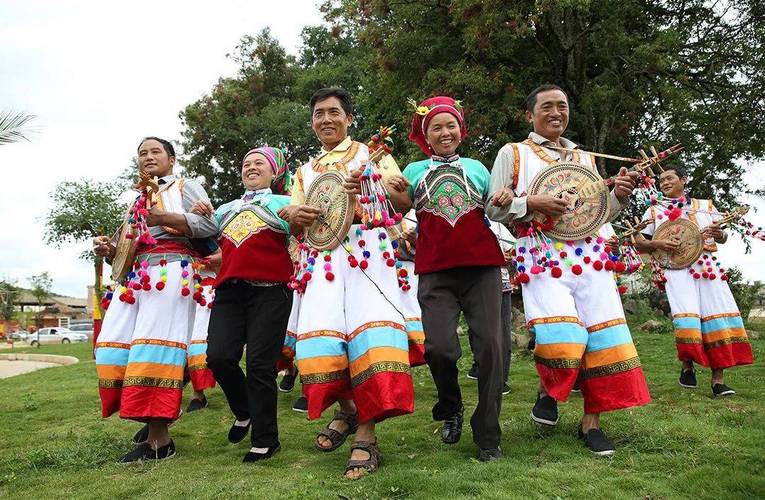
Located in eastern Yunnan, Shizong County (师宗县) is home to Zhuang, Yi, Miao, Yao and Hui communities. The combination of mountain agriculture, karst landscapes and ethnic traditions has created a distinctive range of local products and handicrafts.
For travelers, shopping in Shizong is less about finding standardized commercial souvenirs and more about discovering products associated with everyday rural life and local cultural traditions. Agricultural products, preserved foods, traditional textiles, embroidery, bamboo crafts and ethnic-style cultural products are particularly suitable as souvenirs.
The county town provides the most convenient place for general shopping and packaged local products. Village markets and ethnic communities offer a more authentic experience, while cultural workshops provide opportunities to see how traditional handicrafts are made.
Main Shopping Categories in Shizong
| Shopping category |
Representative products |
Best shopping setting |
| Agricultural specialties |
Coix seed, glutinous rice, citrus, lemon, highland grains |
County specialty stores and local markets |
| Dried foods |
Dried wild mushrooms, oil-preserved mushrooms, dried beef |
Specialty stores and markets |
| Traditional foods |
Air-dried beef, ham, handmade noodles, flower rice |
County shops and township markets |
| Zhuang handicrafts |
Zhuang brocade, scarves, table runners, embroidered pieces |
Zhuang villages and heritage workshops |
| Yi handicrafts |
Yi embroidery, folk-themed crafts, textile accessories |
Yi villages and local workshops |
| Miao handicrafts |
Batik, embroidery and traditional textile accessories |
Miao communities and craft workshops |
| Bamboo and natural crafts |
Bamboo baskets, woven bags and carved objects |
Village workshops and markets |
| Cultural souvenirs |
Ethnic-patterned ornaments and local-themed handicrafts |
County shopping areas and tourism markets |
What to Buy in Shizong County
Gaoliang Coix Seed and Other Local Agricultural Products
Gaoliang Coix Seed (高良苡仁米) is one of the agricultural products associated with the county's warm southern areas. Coix seed is widely used as a food ingredient and is commonly sold in packaged form, making it a practical souvenir for travelers.
Visitors can also find local grains, dried agricultural products, citrus products, lemon products, traditional brown sugar and other seasonal specialties. Packaged products with clear labeling are generally the most convenient choice for international travelers.
Hei'er Glutinous Rice
Hei'er Glutinous Rice (黑尔糯米) is a traditional agricultural specialty associated with Hei'er Village. Its soft and sticky texture makes it particularly suitable for traditional dishes such as colorful flower rice.
For travelers interested in food culture, this rice is more than an edible souvenir. It is connected with local farming traditions and the food customs of the Zhuang communities in southern Shizong.
Shizong Black Goat
Shizong Black Goat (师宗黑山羊) is a local livestock product traditionally associated with mountain and grassland farming. The meat is known locally for its distinctive flavor and tender texture.
Because fresh meat is not always practical for international visitors to transport, travelers interested in the product may prefer to experience it as a local dish rather than purchase fresh meat as a souvenir.
Longqing Ham and Wulong Air-Dried Beef
Longqing Ham (龙庆火腿) is made using traditional curing and air-drying methods. Vacuum-packed sliced products are easier for travelers to carry and are particularly suitable for food-focused souvenirs.
Wulong Air-Dried Beef (五龙火烧牛干巴) is another distinctive local food product. Traditional preparation involves seasoning, drying and roasting techniques, producing a concentrated flavor and firm texture. It is closely associated with the food traditions of the Zhuang communities.
Handmade Noodles and Local Grain Products
Kuishan Handmade Noodles (葵山面条) are traditionally prepared from local wheat and dried into long noodles. Their relatively light weight and easy storage make them a convenient gift.
Other locally produced grains and processed agricultural foods can also be found in county markets and specialty shops, particularly during seasonal harvest periods.
Wild Mushroom Products
The mountains of eastern Yunnan are well known for wild mushroom resources, and Shizong County has a range of dried mushroom products. Depending on the season, visitors may encounter dried matsutake-type products, porcini, termite mushrooms and oil-preserved mushrooms.
Oil-Preserved Termite Mushroom (油鸡枞) is particularly associated with local mushroom processing traditions. Dried mushrooms and packaged mushroom products are generally more suitable for visitors than unidentified loose products.
International travelers should choose commercially packaged mushroom products with clear labels and avoid buying unidentified wild mushrooms from informal sellers.
Ethnic Handicrafts and Intangible Cultural Heritage
One of the most distinctive aspects of Shizong shopping is the opportunity to purchase handicrafts directly from communities where traditional techniques are still practiced.
Zhuang Brocade
Zhuang Brocade (壮族织锦) is among the most representative traditional handicrafts of Shizong and is particularly associated with the Zhuang communities of Wulong.
Traditional brocade uses woven patterns inspired by mountains, plants, animals, geometric forms and ethnic cultural symbols. Modern souvenir products include scarves, table runners, bags, wall hangings, clothing panels and smaller embroidered pieces.
For travelers who want something lightweight and easy to transport, a scarf, small textile panel or handmade pouch is generally more practical than a large wall hanging.
Visiting a brocade workshop can also become part of a cultural study program, allowing visitors to observe the weaving process rather than simply purchasing a finished product.
Yi Embroidery and Folk-Themed Crafts
Yi communities in northern Shizong preserve traditional embroidery techniques featuring colorful floral and geometric motifs. Embroidery may be incorporated into clothing, bags, pouches, ornaments and decorative textiles.
Local folk traditions have also inspired cultural souvenirs, including wooden decorative objects, embroidered accessories, folding fans and small ornaments.
These products are particularly suitable for visitors interested in combining ethnic culture tourism with souvenir shopping.
Miao Batik and Embroidery
Miao communities in Shizong maintain traditional textile practices including batik and embroidery. Blue-and-white batik patterns and butterfly-inspired motifs are common visual elements.
Typical products include textile decorations, embroidered accessories, shoulder pieces, traditional-style bags and small decorative items. Because many pieces are handmade, the appearance of individual products can vary from one artisan to another.
Bamboo, Grass and Root Crafts
Bamboo weaving is another practical craft found in rural communities. Traditional products include baskets, containers, woven bags and household objects.
Some village artisans also work with natural roots and locally available materials to create decorative objects. These crafts provide a closer connection with rural life than mass-produced tourist souvenirs.
Traditional Ethnic Silver Accessories
Traditional Zhuang, Yi and Miao clothing can include silver ornaments and decorative accessories. Small silver-style accessories may be available as cultural souvenirs, although travelers should distinguish between contemporary tourist products and traditional pieces made for ceremonial or costume use.
Where to Shop in Shizong County
County-Town Shopping Areas
The county town around Danfeng Subdistrict (丹凤街道) is the most convenient place for visitors to purchase packaged agricultural products, food specialties and general souvenirs.
The local e-commerce and cultural-creative shopping area brings together agricultural specialties and ethnic handicrafts. Visitors may find packaged coix seed, glutinous rice, handmade noodles, dried mushrooms, preserved meats, Zhuang textiles and other local products in one place.
For international visitors, this type of shopping area is particularly convenient because packaged products are easier to identify, carry and transport than products purchased from informal roadside stalls.
Danfeng Road and Yangyue Road
The commercial streets around Danfeng Road and Yangyue Road provide access to specialty stores, food shops and local markets.
These areas are useful for travelers who want to compare several local products before purchasing. They are also more practical for buying multiple food souvenirs than buying everything at a tourist attraction.
County Night Markets
Local evening markets provide a different shopping experience. Instead of focusing on packaged agricultural products, visitors can explore local snacks, inexpensive accessories and everyday goods while experiencing the atmosphere of county-town life.
For travelers interested in local food culture, an evening market can be combined with a walking tour of the town.
Traditional Township Markets
Periodic market days remain an important part of rural commercial life in Shizong. These markets are useful for seeing how local communities buy and sell agricultural products, food, household goods and handmade items.
Wulong Zhuang Township
Wulong Zhuang Township (五龙壮族乡) is particularly interesting for visitors looking for Zhuang cultural products. Depending on the season and market day, visitors may encounter Zhuang textiles, colorful flower rice, air-dried beef, bamboo crafts and other local products.
Around the Zhuang March 3 Festival (壮族三月三), cultural performances and temporary markets can make the shopping experience more closely connected with ethnic traditions.
Xiongbizhen and Yi Communities
Xiongbizhen (雄壁镇) provides access to products associated with Yi communities, including embroidery, traditional decorative objects and locally produced agricultural goods.
Visitors interested in the local folk tradition known as the Bound Divine Monkey custom can also look for related cultural products during festival activities.
Longqing Township
Longqing Township (龙庆乡) is a useful area for visitors interested in preserved meats, dried agricultural products, grains and mountain products. Ham and dried foods are among the products most suitable for travelers who want edible souvenirs.
Traditional township markets generally operate according to local market-day schedules. On non-market days, there may be fewer vendors, so travelers should confirm the market day before making a special trip.
Shopping at Shizong's Tourist Destinations
Shopping around tourist attractions is convenient for small souvenirs, but visitors who want to buy larger quantities of food products will usually find a broader selection in the county town.
Fenghuang Valley
Fenghuang Valley (凤凰谷) has small tourism-oriented shopping facilities and cultural markets. Typical products may include ethnic textile accessories, colorful flower rice, local dried foods, mushroom products and folk-themed souvenirs.
Festival periods generally bring a wider variety of temporary market stalls.
Junzi Mountain
Junzi Mountain (菌子山) is primarily a nature and mountain tourism destination. Small sales points may offer dried mushrooms, honey and mountain-themed souvenirs.
Travelers interested in purchasing larger quantities of agricultural products or mushroom products can compare options after returning to the county town rather than carrying everything from the mountain.
Wulong Zhuang Village Area
The Zhuang village areas around Wulong are particularly suitable for travelers interested in traditional handicrafts. A visit to a local brocade workshop can combine cultural observation, craft demonstrations and small-scale souvenir shopping.
For study groups, the workshop experience can be more meaningful than simply visiting a souvenir shop because travelers can learn about the materials, patterns and production process behind the finished textile.
Shopping Guide for International Visitors
Best Souvenirs for Different Travelers
| Traveler interest |
Recommended purchases |
Why they are suitable |
| Food lovers |
Coix seed, glutinous rice, handmade noodles, dried mushrooms |
Easy to understand and useful as gifts |
| Ethnic culture enthusiasts |
Zhuang brocade, Yi embroidery, Miao batik |
Closely connected with local traditions |
| Lightweight souvenirs |
Scarves, pouches, embroidered pieces |
Easy to pack and transport |
| Cultural study groups |
Handmade textiles and craft samples |
Useful for documenting traditional techniques |
| Local food explorers |
Air-dried beef, ham and mushroom products |
Strong connection with local food culture |
| Collectors |
Handmade woven pieces and artisan crafts |
Individual pieces have distinctive characteristics |
When to Shop
The best shopping period depends on what you want to buy. Fresh agricultural products are strongly influenced by the local harvest calendar, while dried foods and packaged specialties can generally be purchased throughout the year.
Wild mushroom products are especially seasonal. Fresh mushrooms are more common during the rainy and warmer months, while dried mushrooms and preserved mushroom products are available for longer periods.
Festival periods can also be interesting because temporary cultural markets often bring together food, handicrafts, traditional clothing and cultural performances.
Buying Handmade Products
Handmade ethnic textiles should not be treated in exactly the same way as factory-produced souvenirs. Traditional weaving and embroidery require considerable time, and small variations in pattern, thread and workmanship are part of the character of handmade products.
When purchasing Zhuang brocade or ethnic embroidery, travelers can ask whether the item is handmade or machine-produced, where it was made and whether the design has a cultural meaning.
For international visitors, smaller products such as scarves, pouches, embroidered panels and textile accessories are usually easier to pack than large tapestries.
Buying Wild Mushrooms
Wild mushrooms require particular care. Visitors should choose clearly labeled and properly packaged products from reliable shops rather than buying unidentified loose mushrooms.
For dried mushroom souvenirs, check the product label, packaging condition and storage instructions. When in doubt, ask the seller how the product was processed and whether it is intended for food use.
Transporting Food and Handicrafts
International travelers should consider transportation restrictions before purchasing food, agricultural products, liquids or large handicrafts.
Vacuum-packed products are generally easier to organize in luggage, while bulky woven products may require additional packaging. Travelers continuing to another country should also check the import regulations of their destination before purchasing meat, plant products, seeds, agricultural goods or other restricted items.
Alcohol-based products and liquid souvenirs may be subject to airline baggage restrictions, so transportation arrangements should be checked before departure.
A Shopping Route for Cultural Study Groups
For inbound cultural and study tour groups, shopping works best when it is integrated into the cultural program rather than treated as a separate commercial stop.
A practical itinerary can begin in the county town, where participants learn about local agricultural products and select packaged food souvenirs. The group can then continue to a Zhuang, Yi or Miao community for an introduction to traditional handicrafts.
A visit to a brocade or embroidery workshop can include a demonstration of traditional techniques, an explanation of cultural patterns and a small hands-on activity. Participants can then purchase a limited number of handmade items directly from the artisans.
This approach allows shopping to become part of a broader ethnic culture and intangible cultural heritage tourism experience, while also giving local craftspeople a direct connection with visitors.
Groups planning a workshop visit should contact the relevant local cultural institution or community organizer in advance, particularly when they want to meet an intangible cultural heritage practitioner or arrange a hands-on demonstration.
Shopping Etiquette in Ethnic Villages
Visitors entering Zhuang, Yi or Miao communities should respect local customs. Photography or video recording of artisans, traditional ceremonies and residents should be done only after obtaining permission.
Handmade products represent the time and skill of individual artisans. Reasonable bargaining may be part of traditional markets, but aggressive bargaining is inappropriate when purchasing handmade cultural products.
Travelers should also avoid touching traditional clothing, ceremonial objects or workshop materials without permission.
For cultural study groups, learning about the meaning and background of a craft is often more valuable than simply purchasing a souvenir.
Practical Shizong Shopping Tips
For packaged food souvenirs, the county-town specialty shopping areas are the most convenient option. For authentic ethnic handicrafts, village workshops and traditional markets provide a closer connection with local artisans.
For a first-time visitor, a useful combination is county-town shopping + ethnic village visit + intangible cultural heritage workshop. This allows travelers to purchase practical local products while experiencing the cultural background behind traditional crafts.
The most distinctive souvenirs from Shizong are not necessarily expensive or elaborate. A small piece of handmade Zhuang brocade, a packet of local coix seed, traditional glutinous rice, dried mushroom products or handmade noodles can each tell a story about the county's agriculture, landscape and ethnic communities.
With Yaso Trip, Shizong County shopping can be incorporated into food tours, ethnic culture journeys, rural study programs and intangible cultural heritage experiences, turning souvenir shopping into a meaningful part of a deeper eastern Yunnan travel itinerary.