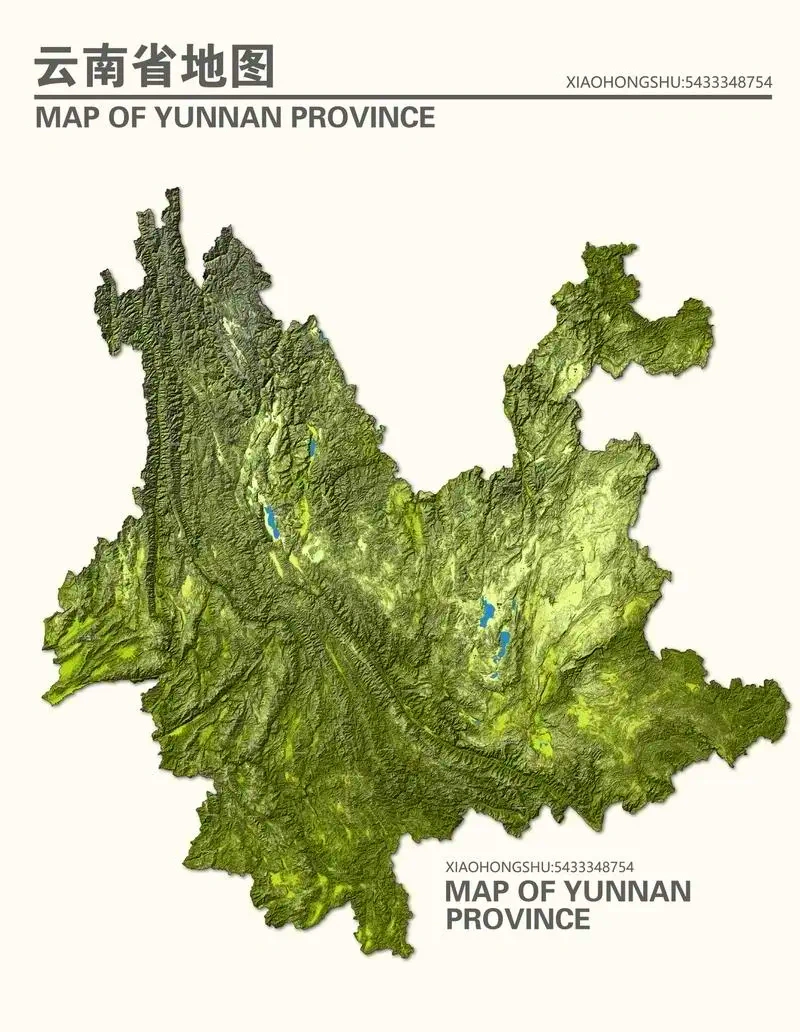
Shizong County(师宗县) in Qujing City(曲靖市), Yunnan Province(云南省), is an important transportation point in eastern Yunnan, located near the borders of Yunnan, Guangxi and Guizhou. Historically known as a strategic gateway in eastern Yunnan, the county is crossed by major transport routes including the Nanning–Kunming Railway, Shantou–Kunming Expressway, Qilin–Shizong Expressway, Jiangcheng–Zhaotong Expressway and National Highway G324.
The county has an extensive road network connecting its urban center with surrounding townships and villages. The landscape changes from relatively open northern basin areas to mountainous terrain and the warm Nanpan River valley in the south. This means that travel around Shizong can be straightforward on major highways but considerably slower on mountain roads leading to remote ethnic villages and scenic areas.
For international visitors, private car travel, chartered vehicles and motorcycle touring are particularly useful for connecting attractions such as Fenghuang Valley, Junzi Mountain, traditional villages and ethnic communities. Public transportation is practical for reaching the county and larger townships, but remote villages often require an additional local transfer.
How to Get to Shizong County
By Air
Shizong County does not have a civil passenger airport, so international travelers normally arrive through a larger airport in Yunnan before continuing by road or rail.
Kunming Changshui International Airport(昆明长水国际机场) is the main gateway for overseas visitors. From Kunming, travelers can continue toward Shizong by road, with the county center roughly 198 kilometers away. Depending on traffic and road conditions, a private vehicle or chartered car provides a convenient connection.
Another possible gateway is Wenshan Puzhehei Airport(文山普者黑机场), which can be considered by travelers combining Shizong with destinations in southeastern Yunnan. The road distance to Shizong is shorter than from Kunming, although actual travel time depends on the selected route and conditions.
For international visitors, Kunming is generally the more practical arrival point because it has a much wider range of international and domestic connections.
By Train
The Nanning–Kunming Railway passes through Shizong, providing a useful rail connection between eastern Yunnan and destinations farther east and west. Shizong Railway Station(师宗站) is the county's main passenger railway station.
Traditional passenger trains have historically connected Shizong with places including Kunming, Nanning, Xingyi and destinations farther east. Travelers should check the current timetable before departure because individual services and schedules can change.
Rail travel can be useful for visitors who prefer a slower journey through the Yunnan landscape, while those visiting several remote attractions will generally find a private vehicle more flexible once they arrive.
By Long-Distance Bus
Long-distance coaches remain an important way to reach Shizong from nearby cities and counties. Shizong County Passenger Transport Station(师宗县客运站) serves as a major intercity and regional transportation hub in the county.
Common destinations have included Kunming(昆明), Qujing(曲靖), Luoping(罗平), Luxi(泸西), Qiubei(丘北), Yanshan(砚山) and other nearby areas. Services to some destinations may operate only at particular times of day, so travelers should confirm the latest departure information before setting out.
For international visitors without a Chinese-language travel companion, a chartered vehicle can be more convenient than relying entirely on long-distance buses, especially when several attractions are included in the same itinerary.
By Car
Driving is one of the most flexible ways to reach Shizong and explore the surrounding countryside. G78 Shantou–Kunming Expressway provides an important east-west connection, while other expressways and National Highway G324 connect the county with Qujing, Luoping and neighboring areas.
Major roads are generally the easiest way to enter the county, but conditions change considerably once travelers leave the main highways. Roads toward Longqing, Wulong and Gaoliang enter mountainous and river-valley terrain, with more curves and elevation changes.
For travelers planning an eastern Yunnan road trip, Shizong works well as a base for exploring both the northern county area and the ethnic villages and landscapes farther south.
By Water
The Nanpan River passes through the southern part of Shizong and has several local ferry crossings. These crossings primarily serve residents traveling between communities and are not regular tourist passenger services.
Visitors should therefore regard road transportation as the practical way to explore the Nanpan River valley rather than planning a sightseeing trip around local ferries.
Getting Around Shizong County
Public Transportation in the County Center
The county center around Danfeng has local buses serving the main urban areas, railway station and passenger transport facilities. Taxis and ride-hailing services are also more readily available in the town center.
For visitors staying in the county seat, most everyday destinations can be reached without a car. The situation changes once travelers head toward remote southern townships, where ride-hailing coverage becomes limited or unavailable.
Rural and Township Buses
Rural buses connect the county center with major townships such as Xiongbi, Zhuji, Longqing, Wulong and Gaoliang. These services are useful for reaching township centers but are less convenient for travelers trying to visit remote traditional villages.
Some smaller villages may have only limited daily services. After arriving at a township center, travelers may need to change to a local vehicle, motorcycle taxi or short-distance three-wheeled vehicle to reach a particular village.
For independent travelers, it is important to allow extra time when using rural public transportation. For international cultural study groups, a chartered vehicle is usually a much more efficient option.
Transportation to Major Attractions and Ethnic Villages
Xiongbi Duza Yi Village
Duza Yi Village(堵杂彝村) lies northwest of the county center and can be reached via the G324 corridor. By private vehicle, the journey from central Shizong generally takes around 40 minutes, depending on the exact route and road conditions.
Public buses can take visitors toward Xiongbi township, after which a local short-distance transfer may be needed to reach the village. Once inside the traditional village area, walking is the most practical way to explore the surroundings.
Shuji and Dachong Traditional Villages
Shuji Village(淑基村) and Dachong Village(大冲村) are located northeast of the county center in Zhuji Township and can generally be reached by road in around 30 minutes.
Travelers using public transportation can first reach Zhuji township before arranging a local transfer. The historic village areas are best explored on foot, as narrow traditional lanes are not designed for regular vehicle traffic.
Heier Zhuang Village in Longqing
The traditional Zhuang settlement of Heier Village(黑尔村) lies in the Longqing area and requires travel through a mountainous river-valley landscape. The drive from the county center generally takes about an hour.
The road includes numerous bends, so drivers should allow more time than the distance on a map might suggest. Public transportation can reach Longqing township, but visitors normally need another local transfer to reach the village itself. Traditional stone-paved sections inside the village are primarily pedestrian areas.
Wulong Zhuang Township and Fenghuang Valley
Wulong Zhuang Township(五龙壮族乡) is approximately an hour by road from the county center. It is an important destination for travelers interested in Zhuang culture, traditional crafts and Fenghuang Valley.
Long-distance and township buses provide access to the main township area, while private vehicles are more practical for connecting the township with surrounding villages and scenic locations. Fenghuang Valley has visitor parking near the scenic entrance and sightseeing vehicles inside the attraction, reducing the need to walk the entire route.
Gaoliang and Nasha Miao Villages
Gaoliang Zhuang, Miao and Yao Township(高良壮族苗族瑶族乡) is located in the southern part of the county and requires a longer journey through the Nanpan River valley. Driving from central Shizong generally takes around one and a half hours.
Public buses can reach Gaoliang township, but visitors heading toward individual ethnic villages such as Nasha Miao Village(纳厦苗族村寨) normally need to arrange a local transfer.
The mountainous road contains many bends and elevation changes, so travelers should avoid treating the journey as a short-distance transfer even when the map distance appears modest.
Driving in Shizong
Recommended Road-Trip Routes
For visitors interested in traditional villages and ethnic culture, a northern route can connect the county center with Duza Yi Village and then continue toward Shuji and Dachong traditional villages. This route combines village landscapes, traditional architecture and local cultural heritage without requiring extensive travel into the deepest mountain areas.
A more adventurous southern route can follow the Nanpan River valley through Longqing, Wulong and Gaoliang. This journey offers opportunities to explore Zhuang, Miao and Yao communities, traditional villages, mountain scenery and local handicrafts. Because the roads are more winding and travel times are longer, this route is better suited to a multi-day itinerary rather than a rushed day trip.
Driving Conditions
The main expressways and G324 provide relatively straightforward driving conditions, but roads toward Longqing, Wulong and Gaoliang become increasingly mountainous. Drivers should reduce speed before bends, maintain a safe distance from other vehicles and take particular care on sections beside steep slopes or river valleys.
Fuel stations are concentrated around the county center and larger townships such as Xiongbi, Zhuji and Wulong. Remote sections of the Nanpan River valley may have few or no convenient fuel stations, so drivers should refuel before entering mountainous areas.
During the rainy season, mountain roads can experience fog, falling rocks and slippery surfaces. Road maintenance can also temporarily affect particular sections, making it advisable to check current road conditions before setting out.
Foreign visitors planning to drive in China must carry the driving documents required under Chinese regulations. An overseas driver's license alone is not automatically sufficient for driving in mainland China.
Cycling in Shizong
Cycling is most suitable for shorter rides around the more accessible basin and countryside areas. Roads connecting the county center with Zhuji can provide a more manageable rural cycling experience, while agricultural roads around Xiongbi offer opportunities for relaxed countryside rides.
Long-distance cycling through Longqing, Wulong and Gaoliang is considerably more demanding. The southern valley routes include long climbs, descents, sharp bends and relatively limited roadside services. These conditions make them better suited to experienced cyclists who are prepared for mountainous terrain.
Rain can make mountain roads slippery, particularly during the summer wet season. Cyclists planning longer routes should carry sufficient water, food, repair equipment and navigation tools rather than relying on frequent roadside services.
Motorcycle Touring in Shizong
Shizong is an attractive destination for motorcycle touring in eastern Yunnan, particularly for riders who enjoy winding mountain roads and rural landscapes.
A relatively accessible route follows the G324 corridor around Xiongbi and Zhuji, while a more demanding journey can continue through Longqing, Wulong and Gaoliang along the Nanpan River valley. The latter route combines mountain scenery with traditional ethnic villages and is particularly appealing to riders who prefer scenic road trips over fast highway travel.
Motorcyclists should wear helmets throughout the journey and reduce speed well before mountain bends. Particular caution is needed on cliffside and river-valley roads where visibility can be limited and vehicles may approach from the opposite direction.
Fuel planning is important in the southern valleys because service stations become less frequent. Riders should also be prepared for substantial temperature changes between daytime and nighttime.
Motorcycle access to expressways and restrictions within urban areas are subject to Chinese and local traffic regulations. International riders must ensure that their motorcycle and driving documents meet applicable Chinese legal requirements.
Transportation Tips for Visiting Shizong's Scenic Areas
Most traditional ethnic villages in Shizong do not operate large sightseeing vehicle systems. Visitors normally leave their vehicle outside the historic core and continue on foot. This is especially important in traditional villages where narrow lanes and historic buildings make vehicle access unsuitable.
Major developed scenic areas can have their own internal transportation arrangements. Fenghuang Valley, for example, has sightseeing vehicles within the attraction, while smaller villages generally rely on walking.
During the June to September rainy season, roads in the southern mountain areas can become foggy and slippery, and falling rocks are a potential hazard. Mobile phone reception may also become unstable in some river-valley sections. Travelers unfamiliar with the area should avoid entering remote mountain roads late at night.
Best Time for a Shizong Road Trip
The period from October to May is generally favorable for road travel, with relatively dry conditions and good visibility. This is a convenient season for combining traditional village visits, mountain scenery and cultural exploration.
Major ethnic festivals can bring increased visitor numbers and local traffic. Events associated with the Zhuang Sanyuesan Festival(三月三), Miao Huashan Festival(花山节) and Yi New Year traditions may create busier roads around participating communities.
The summer rainy season, particularly from June to August, requires more caution on mountain roads. Heavy rainfall can increase the risk of fog, falling rocks and slippery surfaces, while the Nanpan River valley can feel considerably warmer than the surrounding highlands.
Transportation for International Study Groups
For an international cultural or educational group, chartered transportation with a bilingual guide is generally the most efficient way to explore Shizong.
A private vehicle allows a group to connect several dispersed locations in one itinerary, including Yi villages around Xiongbi, traditional villages around Zhuji, Zhuang communities in Longqing and Wulong, handicraft workshops and Miao and Yao villages around Gaoliang.
This approach also avoids the difficulties of coordinating rural bus schedules and finding local transfers in villages where English-language transportation information may be limited.
For smaller independent groups, a combination of train or long-distance bus travel to Shizong followed by a locally arranged vehicle can provide a good balance between convenience and cost.
Parking and Arrival Tips
Fenghuang Valley has dedicated visitor parking near the scenic entrance, while parking around smaller villages such as Duza, Heier and Shuji is generally more basic.
During weekends, public holidays and ethnic festivals, parking capacity around popular attractions may become limited. Arriving earlier in the day is recommended, particularly when traveling with a larger vehicle.
Visitors should avoid parking in narrow village lanes or blocking access for residents. In traditional communities, following local parking instructions is part of responsible cultural tourism.
Suggested Shizong Transportation Itineraries
One-Day Cultural Route
A convenient short route is Shizong County Center → Duza Yi Village → Shuji Traditional Village. The journey stays relatively close to the main urban area while combining Yi cultural heritage with traditional architecture and Chinese couplet culture.
This route is suitable for travelers with limited time who want to experience Shizong's cultural side without undertaking a long mountain journey.
Multi-Day Ethnic Culture and Mountain Road Route
For a deeper experience, a private vehicle can connect Duza Yi Village → Shuji Traditional Village → Heier Zhuang Village → Wulong → Gaoliang Miao and Yao villages.
This route requires considerably more driving but provides a much broader view of southern and northern Shizong, including different ethnic communities, traditional villages, mountain landscapes and river valleys.
Shizong Transportation at a Glance
| Transportation Method |
Best Use |
Main Advantage |
Important Consideration |
| Air + Road |
International arrivals |
Convenient access through Kunming |
Shizong has no passenger airport |
| Train |
Reaching Shizong from major cities |
Direct rail connection |
Services and schedules should be checked in advance |
| Long-Distance Bus |
Nearby cities and counties |
Practical regional transport |
Limited English information |
| Taxi/Ride-Hailing |
County center |
Convenient for short urban trips |
Limited availability in remote areas |
| Rural Bus |
Township travel |
Connects major townships |
Remote villages often require transfers |
| Private Car |
Independent travel |
Maximum flexibility |
Mountain roads require careful driving |
| Chartered Vehicle |
International groups |
Efficient for multiple villages and attractions |
Advance arrangement recommended |
| Bicycle |
Short countryside rides |
Slow-paced rural experience |
Mountain routes are physically demanding |
| Motorcycle |
Scenic road trips |
Flexible and enjoyable on mountain roads |
Weather, bends and fuel availability require planning |
Getting Around Shizong with Yaso Trip
For international visitors, transportation is an important part of planning a Shizong itinerary because the county's most interesting cultural destinations are spread across different townships. A well-planned private vehicle route can connect natural attractions, traditional villages, ethnic communities and local cultural workshops much more efficiently than relying entirely on rural buses.
Yaso Trip can organize transportation-focused itineraries for international travelers and study groups, including private vehicle arrangements, multi-day countryside routes, bilingual guiding and coordinated visits to ethnic villages and cultural heritage sites.
Whether traveling by car, bicycle or motorcycle, the key to exploring Shizong is to allow enough time for the mountain roads and avoid trying to cover too many remote locations in a single day. The slower pace is part of the experience: the journey through the Nanpan River valley, mountain villages and rural landscapes is itself one of the most memorable aspects of traveling through this lesser-known part of eastern Yunnan.