Zhanyi District (沾益区) is administered by Qujing City (曲靖市) in eastern Yunnan. Covering approximately 2,815 square kilometres, it consists of four subdistricts, two towns and five townships, with the district government based in Xiping Subdistrict (西平街道). Zhanyi is an urban district rather than a county and does not administer any county-level cities.
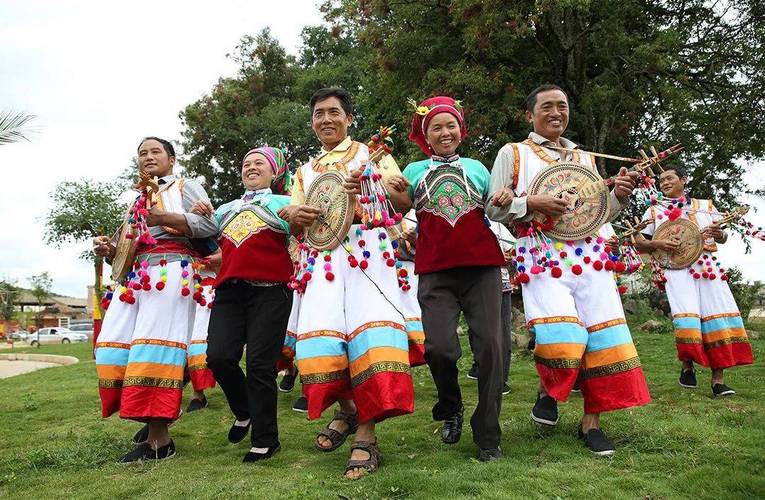
The district lies around the headwaters of the Pearl River and is home to Han, Yi, Miao, Hui and other ethnic communities. Its landscapes range from urban parks and ancient post roads to wetlands, karst caves, mountain grasslands, river valleys and rural farmland.
Tourism development varies considerably across the district. The central subdistricts provide accommodation, restaurants and city-based recreation, while the northern and western townships are better known for forests, river sources, wetlands, canyons and traditional villages.
Administrative Structure of Zhanyi District
Zhanyi District has the following township-level administrative units:
| Administrative Type |
Number |
Divisions |
| Subdistricts |
4 |
Xiping, Longhua, Jinlong and Huashan |
| Towns |
2 |
Panjiang and Baishui |
| Townships |
5 |
Yanfang, Bole, Dapo, Lingjiao and Deze |
| Total |
11 |
Four subdistricts, two towns and five townships |
Subdistricts, Towns and Townships
Xiping Subdistrict
Xiping is Zhanyi’s traditional urban centre and the seat of the district government. Government offices, established residential neighbourhoods, restaurants, shops and accommodation are concentrated here, making it the most convenient base for visitors.
Its principal attractions include Yulin Mountain Park (玉林山公园), Heiqiao Bridge (黑桥) and Dajue Temple (大觉寺). The old stone bridge is an important local historic structure, while the surrounding streets preserve elements of the district’s earlier urban character.
Riverside greenways, local food businesses and speciality-product shops make Xiping suitable for city walks and evening leisure. It is also a practical starting point for excursions to the more distant scenic areas.
Longhua Subdistrict
Longhua Subdistrict (龙华街道) occupies part of Zhanyi’s newer urban area. Modern residential districts, public services and recreational developments have expanded rapidly here.
Tourism attractions include Xihe Park (西河公园), Jiulong Impression Rural Complex (九龙印象田园综合体) and Hongwafang Rural Museum (红瓦房乡村博物馆). The area combines urban wetlands, farmland, village culture and family-oriented recreation.
Longhua is suitable for short urban excursions, cycling, photography and relaxed weekend activities. Its proximity to the central city also makes it easy to combine with Xiping in one visit.
Jinlong Subdistrict
Jinlong Subdistrict (金龙街道) lies in the southern part of the urban area and includes developing residential, commercial and suburban zones.
Its tourism resources consist mainly of city parks, orchards, seasonal picking gardens and surrounding countryside. Rather than functioning as a major sightseeing destination, Jinlong serves as a convenient stop between central Zhanyi and nearby rural areas.
Hotels, supermarkets and road connections are gradually improving, making the subdistrict useful for self-driving visitors and short countryside breaks.
Huashan Subdistrict
Huashan Subdistrict (花山街道) combines industrial development with traditional villages and karst scenery. Its best-known cultural destination is Songlin Ancient Town (松林古镇), an old settlement associated with the historic Wuchi Road.
The town preserves traditional buildings and local landmarks such as Kuixing Pavilion (魁星阁) and Wenchang Pavilion (文昌阁). Songlin is recognised as a traditional Chinese village and reflects Zhanyi’s historical role as a gateway along routes entering Yunnan.
Natural attractions include Huashan Lake (花山湖) and Caiyun Cave (彩云洞), a large karst cave system. The combination of historic architecture, village streets, lakeside scenery and underground formations makes Huashan one of the district’s most varied tourism areas.
Panjiang Town
Panjiang Town (盘江镇) is an important agricultural area in central Zhanyi. Its broad fields, waterways and villages present the rural character of the Zhanyi Basin.
Local attractions include Nine-Arch Bridge (九孔桥), hot-spring resources, river scenery and pastoral landscapes. The old bridge and surrounding farmland are suitable for casual photography and short countryside drives.
Panjiang works well as a half-day rural excursion from the district centre. Tourism facilities remain relatively modest, so independent travellers will find a private vehicle more convenient.
Baishui Town
Baishui Town (白水镇) is an important transport and rural service centre in eastern Zhanyi. Its location near major roads makes it relatively accessible from central Qujing and other parts of eastern Yunnan.
The town’s natural resources include Baishui Grassland (白水草场), mountain valleys and rural ecological scenery. Open grassland and highland landscapes are suitable for picnics, countryside photography and light walking.
Weather can change quickly in exposed mountain areas. Visitors should confirm local road conditions, grazing restrictions and seasonal access before travelling beyond the main town.
Yanfang Township
Yanfang Township (炎方乡) lies in northern Zhanyi and contains the district’s most important natural landmark: Pearl River Source Scenic Area (珠江源景区) on Maxiong Mountain (马雄山).
The mountain is associated with the headwaters of the Pearl River system. Local attractions include Zhuyuan Cave (珠源洞), Zhuyuan Buddhist Temple (珠源禅寺), forest paths, seasonal flowers and ginkgo scenery.
Yanfang is the principal destination for visitors tracing the source of the Pearl River. Spring and autumn are particularly suitable for walking and photography, although conditions are cooler than in the urban basin.
Bole Township
Bole Township (播乐乡) is a mountainous rural area in northeastern Zhanyi. Forests, fields, villages and seasonal flowers define its landscape.
Bole Forest Park (播乐森林公园) is the township’s principal recreational resource. The surrounding countryside is suitable for forest walks, village visits and quiet weekend travel.
Tourism services are limited compared with the district centre. Visitors should arrange transportation and meals before travelling to remote villages or mountain areas.
Dapo Township
Dapo Township (大坡乡) is Zhanyi’s leading wetland and karst-tourism area. Its best-known attraction is Haifeng Wetland (海峰湿地), a landscape of limestone peaks, lakes, marshes and seasonal bird habitats.
The area is often compared to a miniature Guilin because isolated karst hills rise above water and farmland. Other features include Dapo Tiankeng Sinkhole (大坡天坑) and Natural Bridge Karst Landscape (天生桥喀斯特地貌).
Dapo is popular with photographers, birdwatchers, campers and nature travellers. Some wetland sections remain undeveloped, so visitors should avoid entering marshes, caves or isolated sinkholes without local guidance.
Lingjiao Township
Lingjiao Township (菱角乡) occupies a cool, mountainous area in northwestern Zhanyi. Forested slopes, highland villages, terraced fields and deep river valleys shape the local landscape.
Major natural features include Niulan River Colorful Canyon (牛栏江七彩峡谷) and Jiulong Mountain (九龙山). Mineral-rich cliffs and changing light create striking colours along parts of the canyon.
The township is best explored by experienced drivers familiar with mountain roads. Travellers should allow additional time and check weather conditions during the summer rainy season.
Deze Township
Deze Township (德泽乡) is the northernmost part of the district and extends along the Niulan River valley. Its scenery combines river gorges, hot springs, farmland and forested mountains.
The township’s principal leisure destination is Dezhuang Manor (德庄庄园). Nearby river landscapes and hot-spring resources support countryside holidays and wellness-oriented travel.
Deze is suitable for travellers seeking quieter scenery away from the main tourist routes. Private transport is recommended because villages and attractions are widely dispersed.
Traditional Ethnic Villages
Zhanyi has two representative settlements commonly included in listings of traditional ethnic-minority villages.
Songlin Village of Huashan Subdistrict, Zhanyi District, Qujing City (曲靖市沾益区花山街道松林村) developed along the historic Wuchi Road and preserves traditional architecture, old lanes and community customs. Its heritage buildings and post-road history make it one of Zhanyi’s most important cultural villages.
Dacun Village, Hewei Village Committee, Dapo Township, Zhanyi District, Qujing City (曲靖市沾益区大坡乡河尾村委会大村) is located within the wider karst and wetland landscape of western Zhanyi. Village culture, ethnic traditions, agriculture and the nearby Haifeng Wetland give the settlement value for cultural and ecological tourism.
Zhanyi District Administrative Divisions, Communities and Villages
The table below separates township-level divisions from their principal communities, administrative villages and representative natural settlements. The natural-village column is selective because Zhanyi contains many smaller settlements.
| Subdistrict Town or Township |
Communities and Administrative Villages |
Representative Natural Villages or Settlements |
| Xiping Subdistrict |
Yulong Community (玉龙社区), Wenchang Community (文昌社区), Hongxing Community (红星社区), Wenyi Community (文艺社区), Guanghua Community (光华社区), Heiqiao Community (黑桥社区), Longhua Community (龙华社区), Yuguang Community (玉光社区) and Qingshuigou Community (清水沟社区) |
Heiqiao Village, Yuguang Village and Qingshuigou Village |
| Longhua Subdistrict |
Xinlong Community (新龙社区), Longquan Community (龙泉社区), Fenglai Community (凤来社区), Zhuangjiawan Community (庄家湾社区), Shiyang Community (石羊社区), Shuanghe Community (双河社区) and Hongwafang Community (红瓦房社区) |
Hongwafang Village, Zhuangjiawan Village and Shiyang Village |
| Jinlong Subdistrict |
Jinlong Community (金龙社区), Daying Community (大营社区), Xuanjia Community (轩家社区), Donghai Community (东海社区), Xinhai Community (新海社区) and Qujia Community (曲家社区) |
Daying Village, Xuanjia Village and Donghai Village |
| Huashan Subdistrict |
Huashan Community (花山社区), Songlin Community (松林社区), Shijiatun Community (施家屯社区), Yousuo Community (右所社区), Xinyuan Community (新源社区) and Zunhuapu Community (遵化铺社区) |
Songlin, Shijiatun, Yousuo and Zunhuapu |
| Panjiang Town |
Fangcheng Community (方城社区), Daxing Community (大兴社区), Xiaohousuo Community (小后所社区), Zhongcun Village (中村), Qincaigou Village (芹菜沟村), Wujiazhuang Village (吴家庄村), Rongxing Village (荣兴村), Longfeng Village (龙凤村), Tanjiaying Village (谭家营村), Majiahe Village (马家河村) and Xianghai Village (香海村) |
Nine-Arch Bridge Village, Xiaohousuo, Zhongcun and Qincaigou |
| Baishui Town |
Baishui Community (白水社区), Zuopeng Village (座棚村), Dade Village (大德村), Xiaotang Village (小塘村), Wangguan Village (王官村), Machang Village (马场村), Ganglu Village (岗路村), Jianshan Village (尖山村) and Xinlin Village (新林村) |
Zuopeng, Machang, Ganglu and Jianshan |
| Yanfang Township |
Yanfang Community (炎方社区), Songshao Village (松韶村), Laiyuan Village (来远村), Xintun Village (新屯村), Kaju Village (卡居村), Muguan Village (母官村), Maidi Village (麦地村), Wuguai Village (五拐村) and Qingshan Village (青山村) |
Maxiong Mountain settlement, Songshao, Muguan and Maidi |
| Bole Township |
Bole Community (播乐社区), Luomu Village (罗木村), Dahai Village (大海村), Leli Village (乐利村), Yatuan Village (鸭团村), Shashiling Village (沙石岭村), Pianshan Village (偏山村) and Nuge Village (奴革村) |
Luomu, Dahai, Yatuan and Nuge |
| Dapo Township |
Dapo Community (大坡社区), Gengde Village (耕德村), Tuqiao Village (土桥村), Weige Village (威格村), Hewei Village (河尾村), Yangtian Village (秧田村), Shiren Village (石人村), Dewei Village (德威村), Mala Village (麻拉村) and Zhangxi Village (章溪村) |
Dacun, Shiren, Weige, Gengde and settlements around Haifeng Wetland |
| Lingjiao Township |
Lingjiao Community (菱角社区), Chizhang Village (赤章村), Shuichong Village (水冲村), Liujiazhuang Village (刘家庄村), Niezidong Village (聂子洞村), Jiuwulu Village (旧屋鲁村), Buga Village (卜嘎村), Xiaokalang Village (小卡郎村) and Lishan Village (黎山村) |
Lingjiao, Chizhang, Niezidong, Jiuwulu, Buga and Xiaokalang |
| Deze Township |
Deze Community (德泽社区), Laoguanying Village (老官营村), Reshui Village (热水村), Luchaichong Village (芦柴冲村), Fuchong Village (富冲村), Xiaoliushu Village (小柳树村) and Zuoshuichong Village (左水冲村) |
Reshui hot-spring settlement, Laoguanying, Fuchong and Luchaichong |
Planning Travel Around Zhanyi’s Administrative Areas
For urban sightseeing, accommodation and dining, Xiping and Longhua provide the most convenient bases. Huashan is the preferred area for ancient-village culture and karst caves, while Yanfang is essential for travellers visiting the source of the Pearl River.
Nature-focused visitors should allow more time for Dapo, Lingjiao and Deze because attractions are scattered and some roads pass through mountainous terrain. Haifeng Wetland, the Niulan River canyon and remote natural villages are more comfortably visited by private car or with a local driver.
Village committees, communities and natural settlements may be renamed, merged or administratively adjusted. The table presents the principal names supplied for tourism reference rather than a complete legal gazetteer of every village group. Travellers conducting official, postal, land-registration or statistical work should consult the latest records issued by the Zhanyi District civil-affairs and statistics authorities.