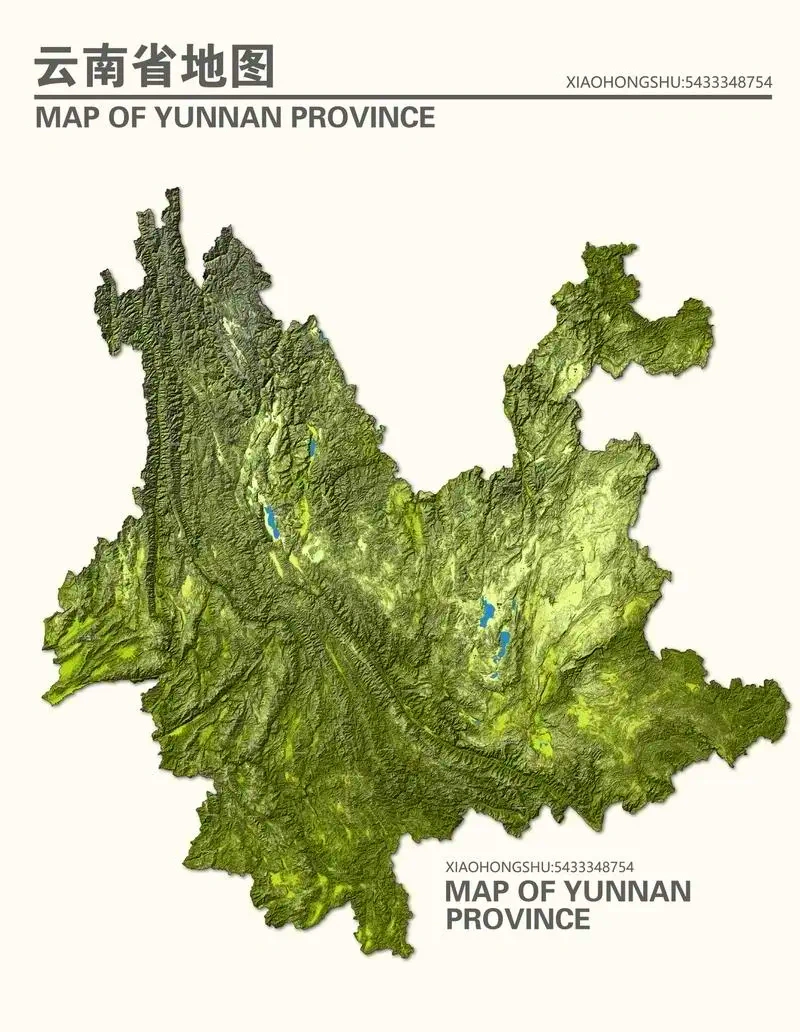
Zhanyi District (沾益区) belongs to Qujing City (曲靖市) in eastern Yunnan and contains the generally recognized main source of the Pearl River. Its tourism resources centre on highland karst formations, mountain forests, plateau wetlands, river canyons, caves, historic post roads, traditional villages and countryside recreation.
The district’s landscapes are spread across a large area. Northern Zhanyi is dominated by the Pearl River watershed and mountain forests, western Zhanyi contains wetlands and dramatic karst landforms, while the central urban area offers parks, historic bridges, railway heritage and rural leisure attractions.
Zhanyi is particularly suitable for nature photography, birdwatching, geological sightseeing, village visits and short outdoor holidays. Most visitors spend one to three days exploring the district, often combining Zhanyi with central Qujing or other destinations in eastern Yunnan.
Attractions Most Appealing to International Visitors
Zhanyi does not publish a separate official ranking based on international visitor numbers. The following attractions are particularly suitable for overseas travellers because of their distinctive landscapes, cultural value and photographic appeal.
Haifeng Wetland
Haifeng Wetland (海峰湿地) is one of Zhanyi’s most distinctive natural landscapes. Karst peaks rise around lakes, marshes, grasslands and farming villages, creating scenery often described locally as a miniature Guilin of eastern Yunnan.
The wetland is particularly attractive to photographers, birdwatchers and travellers interested in undeveloped natural environments. Early mornings may bring mist over the water, while autumn and winter offer clearer visibility and opportunities to observe migratory birds.
Tourism infrastructure remains relatively simple. Visitors should use designated paths, avoid entering marshland or bird habitats and arrange reliable transportation in advance.
Pearl River Source Scenic Area
Pearl River Source Scenic Area (珠江源风景区) is Zhanyi’s landmark attraction and a national 4A-rated scenic area. Located around Maxiong Mountain (马雄山), it is associated with the headwaters of the Pearl River system.
The scenic area combines river-source geography, forest landscapes, mountain paths, temples and local cultural traditions. Its reputation as the beginning of one of China’s great river systems gives it particular appeal for international visitors.
Spring brings flowering rhododendrons, while autumn offers comfortable temperatures and clearer mountain views. Weather at the source is normally cooler and windier than in central Zhanyi.
Songlin Ancient Town
Songlin Ancient Town (松林古镇) in Huashan Subdistrict (花山街道) developed along the historic Wuchi Road (五尺道), an important route linking central China with Yunnan in ancient times.
Traditional houses, old lanes, village temples and historic structures reflect its role as a former post station. The settlement also represents the long interaction between Han, Yi and other local communities.
Songlin appeals to travellers interested in old trade routes, traditional architecture and rural daily life. It remains less commercial than many famous ancient towns in Yunnan.
Caiyun Cave
Caiyun Cave (彩云洞) is a large karst cave known for underground chambers, stalactites, stalagmites and naturally formed rock structures.
The cave offers a contrasting experience to Zhanyi’s open wetlands and mountain forests. It is particularly suitable for visitors interested in geology and underground landscapes.
Lighting, trail access and opening arrangements may change. Confirm local conditions before travelling and do not enter undeveloped cave passages without professional guidance.
Niulan River Colorful Canyon
Niulan River Colorful Canyon (牛栏江七彩峡谷) extends through the mountainous areas around Lingjiao Township (菱角乡) and Deze Township (德泽乡). Its cliffs reveal changing tones of red, brown and ochre, especially under strong morning or afternoon light.
The canyon remains a relatively wild landscape rather than a fully developed sightseeing park. It is best suited to experienced outdoor travellers, landscape photographers and visitors using a private vehicle.
Roads can be narrow and winding. Avoid isolated canyon routes during heavy rain, thunderstorms or periods of poor visibility.
Zhanyi District Attraction Ranking
This practical ranking considers landscape quality, cultural importance, accessibility and overall visitor experience rather than ticket sales or officially published attendance figures.
| Rank |
Attraction |
Main Appeal |
Recommended Visit |
| 1 |
Pearl River Source Scenic Area |
Major river source, mountain forest and regional identity |
Half day to one day |
| 2 |
Haifeng Wetland |
Karst wetland, photography and birdwatching |
Half day to one day |
| 3 |
Songlin Ancient Town |
Historic post road and traditional village culture |
Two to four hours |
| 4 |
Caiyun Cave |
Karst cave and underground formations |
One to two hours |
| 5 |
Niulan River Colorful Canyon |
Remote canyon and geological scenery |
Half day |
| 6 |
Station Memory Scenic Area |
Railway and industrial heritage |
One to two hours |
| 7 |
Hongwafang Village |
Rural museum, traditional village and countryside scenery |
Two to three hours |
| 8 |
Jiulong Impression Scenic Area |
Agricultural landscape and family recreation |
Two to four hours |
| 9 |
Nine-Arch Bridge |
Historic bridge and riverside countryside |
One to two hours |
| 10 |
Dezhuang Manor |
River-valley leisure and wellness |
Half day |
| 11 |
Xihe Park |
Urban wetland and recreational walking |
One to two hours |
| 12 |
Yulin Mountain Park |
Urban forest, local history and city views |
One to two hours |
Natural and Geological Attractions
Pearl River Headwaters and Mountain Forests
The Pearl River Source is the district’s most important geographical landmark. Forest trails, watershed landscapes and mountain vegetation make it suitable for walking, photography and nature observation.
Nearby mountain areas are cooler than Zhanyi’s urban centre. Visitors should bring a windproof layer even during summer.
Haifeng Karst Wetland
Haifeng Wetland combines limestone peaks with water, marsh vegetation and agricultural fields. Its seasonal appearance changes considerably: summer is green and wet, autumn offers reflections and clearer skies, and winter attracts migratory birds.
Some parts of the wetland remain undeveloped. A local driver or guide is useful for finding safe viewpoints without disturbing protected habitats.
Caves and Sinkholes
In addition to Caiyun Cave, Zhanyi contains Tiansheng Cave (天生洞), Baxian Cave (八仙洞) and Dapo Tiankeng (大坡天坑). These sites illustrate the underground drainage, collapse formations and limestone erosion typical of eastern Yunnan’s karst landscape.
Facilities vary, and not every cave or sinkhole operates as a managed tourist attraction. Travellers should never enter an unlit or undeveloped cave alone.
Huashan Lake
Huashan Lake (花山湖) is a highland water landscape surrounded by hills and settlements. The lake is suitable for roadside sightseeing, countryside photography and short recreational stops.
Conditions and access points can vary with water level, local management and seasonal weather.
Baishui Grassland
Baishui Grassland (白水草场) provides open mountain scenery in eastern Zhanyi. Green-season landscapes are most attractive from late spring through summer.
The grassland is exposed to sunshine, rain and wind. Visitors should respect grazing areas and avoid driving vehicles onto unapproved grassland tracks.
Ancient Villages and Historic Routes
Songlin Village
Songlin Village of Huashan Subdistrict, Zhanyi District, Qujing City (曲靖市沾益区花山街道松林村) is recognised for its traditional settlement pattern and historic relationship with the Wuchi Road.
Notable structures include Kuixing Pavilion (魁星阁) and Wenchang Pavilion (文昌阁). Old streets, courtyards and community buildings preserve the atmosphere of a historic transport and trading settlement.
Dacun Village
Dacun Village, Hewei Village Committee, Dapo Township, Zhanyi District, Qujing City (曲靖市沾益区大坡乡河尾村委会大村) is a representative traditional ethnic village within the karst and wetland landscape of western Zhanyi.
The village combines farming, ethnic customs and the natural environment surrounding Haifeng Wetland. Visitors should ask permission before entering private courtyards or photographing residents.
Hongwafang Village
Hongwafang Village Cultural Tourism Site (红瓦房乡村文旅点) in Longhua Subdistrict (龙华街道) has developed around rural heritage, traditional houses and a community museum.
Its location near the urban centre makes it an accessible choice for visitors who want to experience village culture without travelling deep into the mountains.
Heiqiao Ancient Stone Bridge
Heiqiao Ancient Stone Bridge (黑桥古石桥) is one of Zhanyi’s notable historic bridge structures. The masonry arch and surrounding old neighbourhood reflect the district’s former transport routes and urban development.
It can be combined with parks, old streets and local dining in central Zhanyi.
Nine-Arch Bridge
Nine-Arch Bridge (九孔桥) in Panjiang Town (盘江镇) crosses a rural river landscape surrounded by farmland and villages.
The bridge and riverbank are suitable for a short stop during a countryside drive. Water levels and riverside conditions change with the season.
Red Heritage and Memorial Sites
Songlin Red Army Long March Monument
Songlin Monument to the Red Army’s Long March (松林红军长征纪念碑) commemorates revolutionary history associated with the Red Army’s passage through the area.
The monument can be included in a broader visit to Songlin’s ancient post-road heritage and traditional village architecture.
Hongzhai Red Army Long March Monument
Hongzhai Monument to the Red Army’s Long March (红寨红军长征纪念碑) preserves another chapter of the district’s revolutionary history.
It primarily appeals to visitors interested in twentieth-century Chinese history and local memorial culture.
Yulinshan Martyrs Cemetery
Yulinshan Martyrs Cemetery (玉林山烈士陵园) is a commemorative site dedicated to revolutionary martyrs. Visitors should dress and behave respectfully, keep noise to a minimum and avoid recreational photography around memorial spaces.
Urban Parks and Industrial Heritage
Station Memory Scenic Area
Station Memory Scenic Area (车站记忆景区) uses railway history, old station elements and industrial-era imagery to create a nostalgic urban cultural attraction.
Historic railway themes, public displays and recreational spaces make it suitable for families, photographers and travellers interested in the development of transport in eastern Yunnan.
Confirm its current operating hours and A-level tourism classification before publication or travel, as scenic-area ratings are subject to periodic review.
Xihe Park
Xihe Park (西河公园) combines urban wetland scenery, walking paths and recreational green space. It is suitable for an easy morning or evening walk.
The park provides a gentle introduction to the district’s water landscapes before visitors travel to the more remote Haifeng Wetland.
Yulin Mountain Park
Yulin Mountain Park (玉林山公园) is an urban forest and hillside recreation area close to central Zhanyi. Paths, woodland and elevated viewpoints make it popular with local residents.
It can be combined with the martyrs cemetery and the historic sites of the old urban area.
Rural Leisure and Wellness Attractions
Jiulong Impression Scenic Area
Jiulong Impression Scenic Area (九龙印象景区) is a rural leisure complex combining agricultural landscapes, family activities and countryside recreation.
It is most suitable for families, weekend visitors and travellers seeking relaxed activities rather than demanding mountain sightseeing.
Dezhuang Manor
Dezhuang Manor (德庄庄园) lies in the Niulan River valley and is associated with rural leisure, wellness facilities and local hot-spring resources.
The warmer valley climate makes it particularly suitable for autumn, winter and early-spring visits. Confirm current accommodation, bathing and dining services before travelling.
Bole Forest Park
Bole Forest Park (播乐森林公园) offers woodland scenery and countryside recreation in Bole Township (播乐乡).
The area is quiet and receives relatively few international visitors. Private transport and advance meal arrangements are advisable.
Shuanghe Mosque
Shuanghe Mosque (双河清真寺) reflects the presence and religious traditions of Zhanyi’s Hui community.
Visitors should request permission before entering, dress modestly and avoid visiting during congregational prayers unless invited by the community.
Zhanyi District Attractions by Category
| Category |
Main Attractions |
Recommended For |
| River source and forest |
Pearl River Source, Maxiong Mountain |
Mountain walking, geography and forest scenery |
| Wetland and birdwatching |
Haifeng Wetland |
Photography, migratory birds and karst landscapes |
| Caves and karst geology |
Caiyun Cave, Tiansheng Cave, Baxian Cave and Dapo Tiankeng |
Geology and underground scenery |
| Canyons and mountain wilderness |
Niulan River Colorful Canyon |
Outdoor travel and landscape photography |
| Lakes and grasslands |
Huashan Lake and Baishui Grassland |
Scenic drives and countryside recreation |
| Traditional villages and ancient roads |
Songlin Ancient Town, Dacun Village and Hongwafang Village |
Architecture, village life and historic routes |
| Historic bridges |
Heiqiao Ancient Stone Bridge and Nine-Arch Bridge |
Heritage walks and rural photography |
| Railway and urban leisure |
Station Memory, Xihe Park and Yulin Mountain Park |
Families, short visits and city walks |
| Rural leisure and wellness |
Jiulong Impression, Dezhuang Manor and Bole Forest Park |
Weekend holidays and relaxation |
| Revolutionary heritage |
Songlin Monument, Hongzhai Monument and Yulinshan Martyrs Cemetery |
Modern Chinese history |
| Religious culture |
Shuanghe Mosque |
Hui culture and local community heritage |
Major Attractions Across Zhanyi District
| English Name |
Chinese Name |
Area |
Attraction Type |
| Pearl River Source Scenic Area |
珠江源风景区 |
Yanfang Township |
River source, mountain forest and cultural landscape |
| Haifeng Wetland |
海峰湿地 |
Dapo Township |
Plateau karst wetland and bird habitat |
| Songlin Ancient Town |
松林古镇 |
Huashan Subdistrict |
Traditional village and ancient post station |
| Caiyun Cave |
彩云洞 |
Huashan Subdistrict |
Karst cave |
| Station Memory Scenic Area |
车站记忆景区 |
Xiping Subdistrict |
Railway and industrial heritage |
| Hongwafang Village Cultural Tourism Site |
红瓦房乡村文旅点 |
Longhua Subdistrict |
Traditional village and rural museum |
| Xihe Park |
西河公园 |
Longhua Subdistrict |
Urban wetland park |
| Yulin Mountain Park |
玉林山公园 |
Xiping Subdistrict |
Urban forest park |
| Heiqiao Ancient Stone Bridge |
黑桥古石桥 |
Xiping Subdistrict |
Historic masonry bridge |
| Nine-Arch Bridge |
九孔桥 |
Panjiang Town |
Old bridge and riverside landscape |
| Jiulong Impression Scenic Area |
九龙印象景区 |
Longhua Subdistrict |
Agricultural and family recreation |
| Dezhuang Manor |
德庄庄园 |
Deze Township |
Valley leisure and wellness |
| Niulan River Colorful Canyon |
牛栏江七彩峡谷 |
Lingjiao and Deze |
Canyon and geological landscape |
| Huashan Lake |
花山湖 |
Huashan Subdistrict |
Highland lake |
| Dapo Tiankeng |
大坡天坑 |
Dapo Township |
Karst sinkhole |
| Tiansheng Cave |
天生洞 |
Zhanyi mountain area |
Natural cave |
| Baxian Cave |
八仙洞 |
Zhanyi mountain area |
Karst cave |
| Baishui Grassland |
白水草场 |
Baishui Town |
Mountain grassland |
| Bole Forest Park |
播乐森林公园 |
Bole Township |
Forest and countryside recreation |
| Songlin Monument to the Red Army’s Long March |
松林红军长征纪念碑 |
Huashan Subdistrict |
Revolutionary memorial |
| Hongzhai Monument to the Red Army’s Long March |
红寨红军长征纪念碑 |
Zhanyi rural area |
Revolutionary memorial |
| Yulinshan Martyrs Cemetery |
玉林山烈士陵园 |
Xiping Subdistrict |
Memorial site |
| Shuanghe Mosque |
双河清真寺 |
Zhanyi District |
Hui religious and cultural site |
Travel Tips for Visiting Zhanyi’s Attractions
Zhanyi’s attractions are widely distributed, so self-driving, a private vehicle or a locally arranged transfer is the most convenient way to travel. Download offline maps and confirm the Chinese destination name with the driver.
Facilities around remote wetlands, caves and canyons may be basic. Carry drinking water, snacks, rain protection and suitable walking shoes. Do not enter undeveloped caves, sinkholes, marshes or canyon trails without local guidance.
At traditional villages, religious buildings and memorial sites, ask permission before photographing residents or ceremonies. Keep noise low, dress respectfully and avoid entering private houses or worship spaces without an invitation.