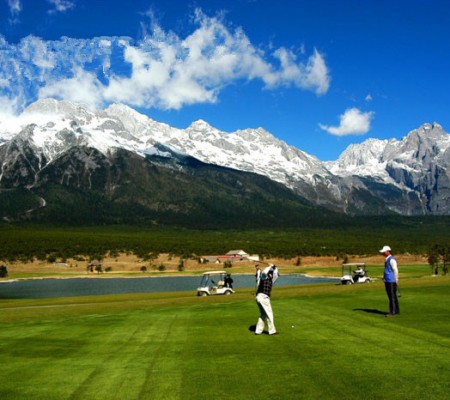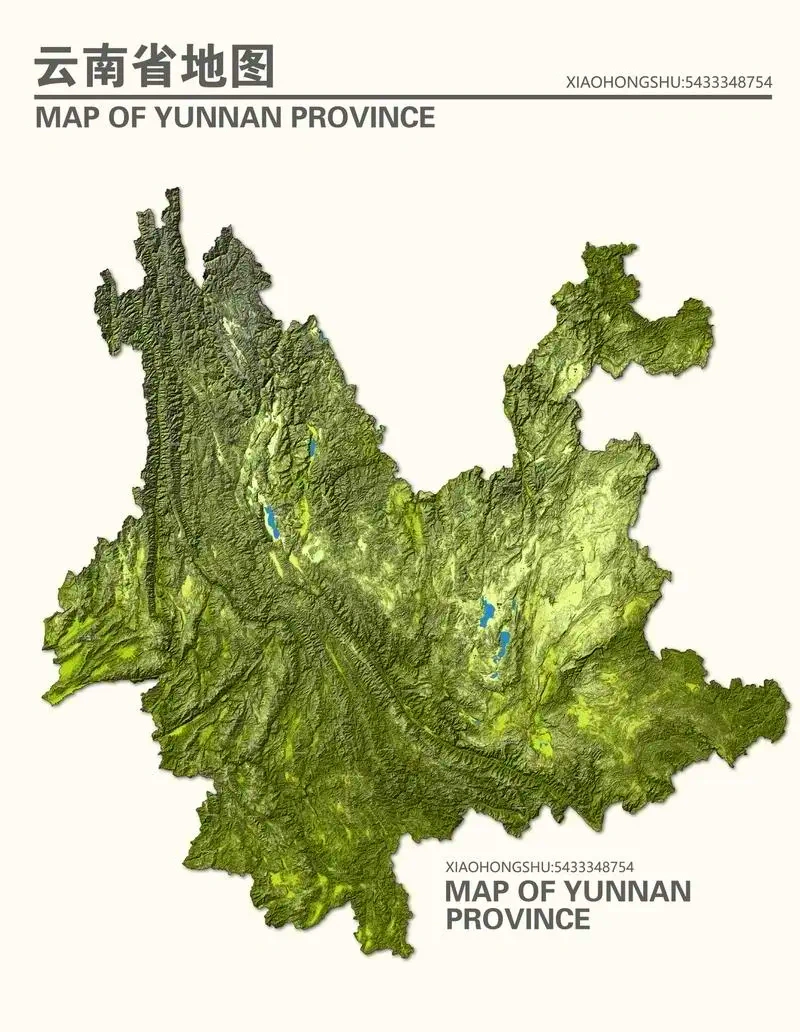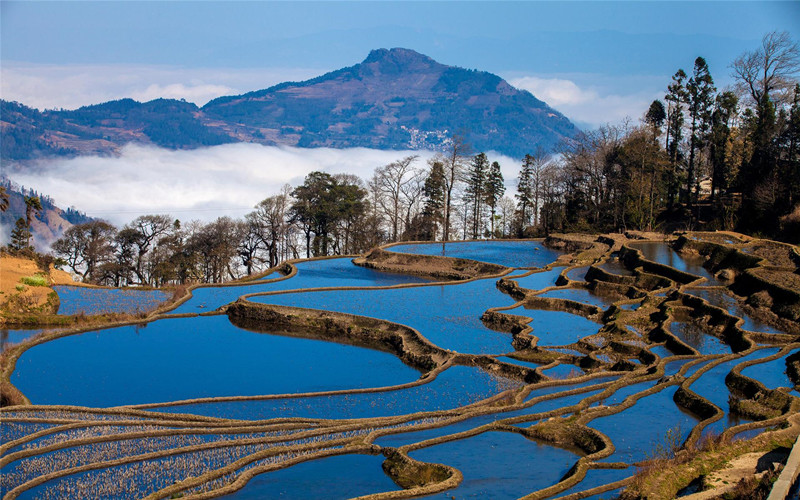
Zhanyi District (沾益区) lies in the eastern Yunnan highlands within Qujing City (曲靖市). Its climate is shaped by high plateaus, mountain watersheds, karst wetlands and the lower valley of the Niulan River. These contrasting landforms create noticeable changes in temperature, rainfall, wind and humidity across a relatively compact area.
Zhanyi generally has a mild, highland monsoon climate with cool summers, dry winters and a distinct rainy season from May to October. The district can be visited throughout the year, but March to April and September to October offer the most comfortable overall conditions for hiking, photography and countryside travel.
How Geography Shapes Zhanyi’s Climate
Zhanyi is dominated by hills and mountains on the eastern Yunnan Plateau. Mountainous terrain accounts for most of the district, while basins and relatively level farmland occupy a much smaller proportion. The terrain generally descends from the higher north towards the lower south and river valleys.
The district’s highest elevations rise to around 2,678 metres at Laolishan Mountain in Lingjiao (菱角老黎山). Its lowest areas descend to approximately 1,650 metres around Reshui Village in the Niulan River Valley of Deze (德泽热水村牛栏江河谷). This difference of more than 1,000 metres produces several clearly defined local climate zones.
Elevation and Regional Temperature Differences
The urban basin formed by Xiping Subdistrict (西平街道), Longhua Subdistrict (龙华街道) and Jinlong Subdistrict (金龙街道) lies at around 1,800 metres above sea level. It has moderate daytime temperatures, cool evenings and a large difference between day and night.
Higher areas around Maxiong Mountain (马雄山), Yanfang Township (炎方乡) and Lingjiao Township (菱角乡) are normally about 3–6°C cooler than the urban area. Summers are pleasantly cool, but winter mornings can bring frost, strong winds and occasional light snow.
The lower valley around Deze Township (德泽乡) retains more heat. Summer afternoons can feel warmer than in central Zhanyi, while winter frost is less frequent. Hot-spring areas also tend to have slightly higher humidity.
Mountains, Watersheds and Rainfall
Maxiong Mountain is an important regional watershed associated with the Nanpan River (南盘江), Beipan River (北盘江) and Niulan River (牛栏江) systems. Moist summer air is forced upwards by the mountains, encouraging cloud formation and localized rainfall.
From May to October, southwesterly monsoon air brings most of the annual precipitation. Mountain slopes generally receive more rain than the central basin, while karst terrain can produce highly localized showers.
From November through April, continental air masses bring drier and clearer conditions. Sunshine is abundant, but humidity is low and mountain vegetation can become dry.
Highland Sunshine and Day–Night Temperature Changes
Strong ultraviolet radiation is a year-round feature of Zhanyi’s highland climate. Temperatures can rise quickly in direct sunlight but fall sharply after sunset, particularly in mountain and wetland areas.
Visitors may experience warm sunshine, cool shade, strong wind and a cold evening on the same day. Layered clothing is therefore more practical than relying on one heavy or lightweight garment.
Wetlands, Valleys and Local Winds
Haifeng Wetland (海峰湿地) is surrounded by karst hills, lakes and marshes. Water helps moderate daytime temperatures, while the enclosed landscape encourages early-morning mist and localized mountain-valley winds.
Wind can become stronger across open water and exposed grassland. Morning fog is attractive for photography but may reduce visibility on access roads and wetland paths.
Zhanyi Climate at a Glance
Zhanyi and the wider Qujing region have an average annual temperature of around 14.5°C, approximately 2,100 hours of sunshine and annual precipitation of roughly 1,000 millimetres. Most rainfall occurs between May and October. The regional climate is characterized by unstable spring temperatures, concentrated summer rainfall, cool autumn weather and dry winters with occasional frost or snow. China Weather climate background
The monthly figures below are approximate planning averages for the central urban area. They should not be treated as a forecast for a particular travel date. Check the National Meteorological Center forecast for Zhanyi shortly before departure.
Zhanyi Monthly Temperature and Rainfall
| Month |
Average High |
Average Low |
Approx. Rainfall |
Typical Conditions |
Travel Advice |
| January |
14.8°C |
2.7°C |
20 mm |
Dry and sunny with cold mornings and possible frost |
Suitable for cultural visits and birdwatching; bring warm clothing |
| February |
17.2°C |
4.1°C |
19 mm |
Dry with gradually rising temperatures |
Good for village visits; protect skin from sun and dry air |
| March |
21.0°C |
7.1°C |
23 mm |
Rapid daytime warming and a large day–night temperature range |
One of the best months for flowers, walking and outdoor photography |
| April |
24.0°C |
10.7°C |
34 mm |
Warm, bright and mostly dry with increasing showers late in the month |
Excellent for Maxiong Mountain and spring festivals |
| May |
24.7°C |
13.8°C |
114 mm |
Transition from the dry season to the rainy season |
Green landscapes; carry a raincoat on countryside trips |
| June |
24.6°C |
16.1°C |
189 mm |
Main rainy season with frequent showers and thunderstorms |
Avoid exposed ridges and check mountain-road conditions |
| July |
24.6°C |
16.6°C |
169 mm |
Cool summer weather with cloud and intermittent rain |
Good for summer escapes and cultural festivals |
| August |
24.7°C |
15.9°C |
152 mm |
Green and cool, but still wet |
Carry rain protection and keep itineraries flexible |
| September |
22.9°C |
14.1°C |
100 mm |
Rainfall decreases and visibility improves |
Excellent for wetlands, walking and countryside photography |
| October |
20.1°C |
11.6°C |
89 mm |
Mild autumn weather with more sunny days |
One of the best months for outdoor travel |
| November |
17.5°C |
6.9°C |
31 mm |
Dry, sunny and increasingly cool after sunset |
Good for villages, heritage sites and landscape photography |
| December |
14.7°C |
3.3°C |
16 mm |
Dry with cold nights and frequent morning frost |
Suitable for birdwatching and winter culture tours |
Temperatures around the Pearl River Source, Yanfang and Lingjiao may be 3–6°C lower than these urban averages. The Deze river valley can be 2–3°C warmer, particularly during sunny afternoons.
Climate Conditions in Different Parts of Zhanyi
| Travel Area |
Terrain and Elevation |
Climate Characteristics |
Best Travel Period |
| Central urban area |
Plateau basin at approximately 1,800 metres |
Moderate temperatures, strong sunshine and large day–night differences |
March–April and September–November |
| Pearl River Source and Yanfang |
High mountain and watershed terrain |
Cooler, windier and wetter than the urban area; winter frost is common |
March–May and September–October |
| Lingjiao highlands |
High, exposed mountain terrain |
Cool summers, cold winters and strong winds |
April–May and September–October |
| Haifeng Wetland and Dapo |
Karst lakes, marshes and peak clusters |
Morning mist, wet summers and windy autumn or winter days |
March–April and September–December |
| Deze and the Niulan River Valley |
Lower, enclosed river valley |
Warmer summers, milder winters and locally higher humidity |
October–April |
| Bole and Huashan |
Low mountains and rolling hills |
Similar to the urban climate, with colder frosty mornings in winter |
March–May and September–November |
Spring in Zhanyi
March to May: Flowers and Clear Highland Scenery
Spring is one of the best seasons to visit Zhanyi. Mountain grasslands begin to turn green, wildflowers appear and the rhododendron scenery around the Pearl River Source becomes particularly attractive.
The water and karst peaks around Haifeng Wetland are often clear during early spring. Some migratory birds remain before departing for their northern breeding grounds.
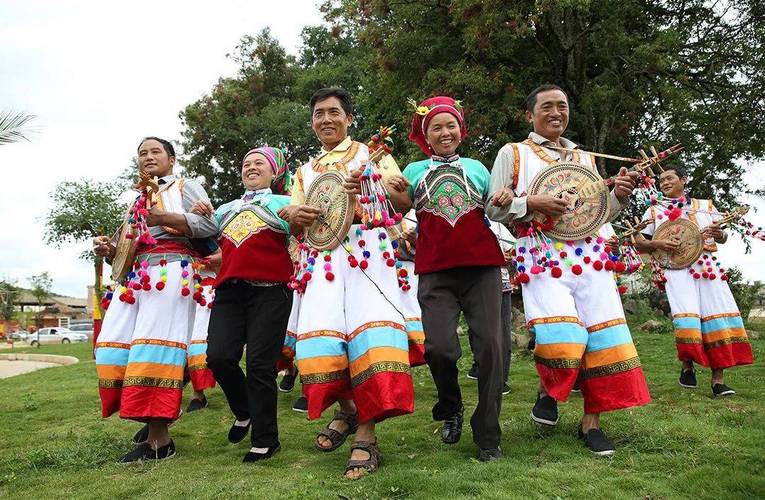
Miao Huashan Festival (苗族花山节) activities may also be held during the spring festival period. Dates and venues vary according to local arrangements and the traditional calendar, so confirm the programme before travelling.
Spring Weather
March and April are generally dry, sunny and comfortable. Afternoon temperatures may feel warm, but mornings and evenings remain cool. Wind is more noticeable on mountain ridges and open grassland.
Rain increases in May as the summer monsoon approaches. Short afternoon showers become more frequent, although extended periods of rain are less common than in June or July.
What to Wear in Spring
Wear a T-shirt or light shirt during sunny daytime conditions and carry a fleece or windproof jacket for the morning, evening and higher elevations. Long trousers and comfortable walking shoes are suitable for most routes.
Sunscreen, sunglasses and a wide-brimmed hat are essential. A compact raincoat should be added from late April onwards.
Recommended Spring Route
A spring route can begin at Xihe Park (西河公园) before continuing to the Pearl River Source for mountain walking and rhododendron viewing. A visit to a local Miao community can be included when approved cultural activities are taking place.
Travellers with an additional day can add Haifeng Wetland for karst photography and seasonal birdwatching.
Summer in Zhanyi
June to August: Green Mountains and a Cool Summer Escape
Summer brings Zhanyi’s greenest scenery. Forests become dense, wetland plants flourish and streams and rivers carry more water. The mountains are considerably cooler than many lower-elevation destinations in southern China.
Although the central urban area can have warm afternoons, average daytime temperatures remain moderate. Shaded forests and high mountain areas can feel cool, especially during rain.
Seasonal cultural activities may include the Yi Torch Festival (彝族火把节), Zhanyi Spicy Chicken Food Festival (沾益辣子鸡美食文化节) and locally organized summer wellness events.
Summer Weather and Safety
June is usually the wettest month. Afternoon thunderstorms, short periods of intense rain and changing mountain visibility are common throughout the season.
Heavy rain may produce slippery karst paths, swollen streams, rockfall or localized flooding. Avoid undeveloped caves, marshes, riverbanks and steep mountain trails during or immediately after heavy rainfall.
Night driving in remote mountain areas is not recommended during prolonged rain. Check road conditions before travelling to Lingjiao, Dapo or the Niulan River valley.
What to Wear in Summer
Wear a breathable T-shirt with lightweight long trousers. Long trousers offer better protection from insects, sharp vegetation and strong ultraviolet radiation than shorts.
Carry a lightweight waterproof jacket rather than relying entirely on an umbrella, particularly in windy mountain areas. A thin outer layer is useful around forests, wetlands and air-conditioned interiors.
Water-resistant walking shoes with good traction are preferable to open sandals on countryside routes.
Recommended Summer Route
A summer journey can combine Haifeng Wetland with the river-valley landscapes of Deze. The wetland is at its greenest, while the valley offers hot springs and geological scenery.
Travellers attending the Torch Festival can add a Yi village visit, but events should only be included after their date and visitor arrangements have been confirmed.
Autumn in Zhanyi
September to November: The Best Overall Travel Season
Autumn offers the most balanced weather in Zhanyi. Rain gradually decreases, skies become clearer and daytime temperatures remain comfortable for walking and outdoor sightseeing.
Fields enter the harvest season, forests develop more varied colours and still mornings create attractive reflections across Haifeng Wetland. Migratory birds begin returning later in the season.
September and October are especially suitable for first-time visitors, photographers and travellers planning several consecutive days outdoors.
Autumn Weather
September may still have occasional showers, but conditions become increasingly stable. October generally brings mild days, clear visibility and comfortable hiking temperatures.
November is much drier and cooler. The difference between sunny daytime conditions and evening temperatures becomes increasingly pronounced.
What to Wear in Autumn
A long-sleeved T-shirt, light sweatshirt and windproof jacket provide suitable layers. Wear long trousers and bring a warmer mid-layer when visiting high mountains early in the morning.
By November, a light down jacket or warm fleece may be needed at the Pearl River Source and Haifeng Wetland.
Recommended Autumn Route
Begin with the countryside and village landscapes around Hongwafang Village (红瓦房村) and Bole Township (播乐乡). Continue to Haifeng Wetland for walking, birdwatching and karst photography.
A third day can be devoted to the Pearl River Source, where clear autumn weather is well suited to watershed scenery and mountain walking.
Winter in Zhanyi
December to February: Clear Skies and Migratory Birds
Winter is the driest and quietest season. Mountain outlines are clear, daytime sunshine can feel warm and Haifeng Wetland provides opportunities to observe wintering birds.
Evergreen vegetation remains across many mountain areas, although fields and grasslands become drier. Frost is common in the early morning, particularly at higher elevations.
Traditional Lunar New Year activities may include village gatherings, dragon dances, temple events and local food preparation. Public activities vary from year to year.
Winter Weather
Central Zhanyi usually has sunny days and cold nights. High-elevation areas may experience frost, ice and occasional light snow during strong cold spells.
The Niulan River valley is generally milder, making it a suitable winter destination for hot springs and countryside relaxation.
What to Wear in Winter
Bring a down jacket or insulated coat, sweater, thermal base layer and warm trousers. Gloves, a scarf and a warm hat are useful for sunrise photography or birdwatching.
Daytime sunshine may allow visitors to remove the heaviest outer layer, but temperatures fall quickly after sunset.
Recommended Winter Route
Spend one day visiting urban cultural sites and local food businesses before travelling to Haifeng Wetland for winter birdwatching. Complete the journey with Panjiang’s rural landscapes or the hot-spring area around Deze.
Drivers should watch for frost or ice on shaded mountain roads in the early morning.
Best Time to Visit Zhanyi District
Best Overall Months: March–April and September–October
These months combine moderate temperatures, relatively low rainfall and safer road conditions. They are ideal for the Pearl River Source, Haifeng Wetland, traditional villages and longer periods of outdoor sightseeing.
March and April are best for mountain flowers and spring cultural activities. September and October offer clearer autumn scenery, harvest landscapes and comfortable walking conditions.
Best Time for Summer Escapes: June–August
Summer is suitable for visitors seeking green scenery and cooler mountain temperatures. It is also the principal season for Yi cultural celebrations and local food events.
Because it is the rainy season, itineraries should include alternative indoor or urban activities. Avoid scheduling several consecutive days of difficult mountain walking.
Best Time for Birdwatching: November–February
Late autumn and winter provide clearer, drier conditions and the best opportunities to observe migratory birds around the wetlands.
Early mornings can be cold and misty. Bring warm, wind-resistant clothing and binoculars, and observe wildlife from designated areas.
Best Time for the Pearl River Source
Visit from March to May for spring vegetation and flowers or from September to October for stable weather and clear views.
Summer landscapes are green but frequently wet. Winter visits are possible, although wind, frost and cold temperatures can make mountain walking less comfortable.
Seasonal Clothing Guide
| Season |
Urban Clothing |
Mountain and Wetland Clothing |
Essential Items |
| Spring |
T-shirt, light shirt and long trousers |
Fleece and windproof jacket |
Sunscreen, hat, sunglasses and raincoat from late April |
| Summer |
Breathable top and lightweight trousers |
Thin waterproof jacket and water-resistant shoes |
Rain protection, insect repellent and spare socks |
| Autumn |
Long-sleeved shirt and light sweatshirt |
Windproof jacket or light down layer |
Sun protection, warm morning layer and walking shoes |
| Winter |
Sweater, insulated coat and warm trousers |
Down jacket, thermal base layer, gloves and hat |
Lip balm, moisturizer and warm footwear |
Weather and Travel Safety
Mountain forecasts can differ considerably from conditions in central Zhanyi. Always check the weather for the precise destination rather than relying only on the district-centre forecast.
During the rainy season, avoid cliff edges, undeveloped karst caves, marshy ground and narrow river channels. Postpone mountain hikes when thunderstorms or heavy-rain warnings are issued.
Strong ultraviolet radiation occurs even on cool or cloudy days. Apply sunscreen regularly and carry sufficient drinking water. Visitors should also remember that highland air can feel dry during winter and spring.
Fog around Haifeng Wetland may reduce road visibility in the early morning. Drive slowly, use designated parking areas and avoid entering wetlands or bird habitats without permission.