Built around the theme “Source of the Pearl River · Zhanyi”, student education tours in Zhanyi District (沾益区) combine school exchanges, watershed geography, plateau wetland ecology, railway history, revolutionary heritage and the living traditions of Yi and Miao communities. The district’s mix of urban schools, mountain villages, karst landscapes and cultural heritage makes it suitable for international middle-school, high-school and university groups.
Zhanyi has a complete local education system covering preschool, compulsory education, senior secondary education and vocational training. Schools across the district have developed programmes in ethnic unity, environmental awareness, traditional culture, arts and local history. With prior approval, suitable campuses may host classroom observation, student discussions, joint performances and cultural workshops.
The district’s study-tour resources are spread across the central urban area, Huashan Subdistrict (花山街道), Bole Township (播乐乡), Yanfang Township (炎方乡), Dapo Township (大坡乡), Panjiang Town (盘江镇), Baishui Town (白水镇) and Deze Township (德泽乡). Private group transportation is therefore the most practical way to connect schools with ecological and cultural field sites.
Education in Zhanyi District
The central urban area, formed mainly by Xiping Subdistrict (西平街道), Longhua Subdistrict (龙华街道) and Jinlong Subdistrict (金龙街道), contains the district’s largest concentration of schools. These campuses are the most convenient choices for international school visits because they are close to hotels, transport services and urban cultural facilities.
Rural and township schools offer a different educational perspective. Their locally designed courses often draw on village traditions, ethnic music, handicrafts, agriculture, environmental protection and regional history. Such campuses can help international students understand how education responds to local geography and community life.
School visits are not walk-in tourism activities. Every exchange must be arranged with the receiving school and relevant education authorities. Student ages, group size, language requirements, learning objectives, safeguarding arrangements and photography rules should be submitted well in advance.
Schools in Central Zhanyi
Zhanyi District No. 1 Middle School
Zhanyi District No. 1 Middle School (沾益区第一中学) is one of the district’s leading senior secondary schools. Its academic environment and established campus culture make it a potential venue for student forums, school introductions and discussions about secondary education in China.
Suitable exchange topics include campus life, university preparation, local history, environmental responsibility and cultural differences between Chinese and overseas schools. Activities depend on the school calendar and formal approval.
Zhanyi District No. 3 Middle School
Zhanyi District No. 3 Middle School (沾益区第三中学) serves students in the central urban area and places emphasis on a balanced programme that includes academic learning, arts and extracurricular development.
For international groups, possible activities include campus visits, joint art sessions, sports interaction and small-group conversations with local students. The format should be designed according to the age and language ability of both groups.
Zhanyi District No. 5 Middle School
Zhanyi District No. 5 Middle School (沾益区第五中学) is associated with education promoting interaction and unity among different ethnic groups.
A carefully prepared exchange may explore how local schools introduce regional culture, civic values and ethnic diversity in daily education. Cultural content should be presented by teachers and students rather than separated from the wider school experience.
Xiping Primary School
Xiping Primary School (西平小学) is an established urban primary school with experience in traditional culture and student communication activities.
Age-appropriate exchanges may include paired reading, letter writing, simple art activities, playground games and introductions to everyday school life. International groups should keep classroom activities short, interactive and suitable for younger learners.
Wanghai Primary School
Wanghai Primary School, including its Taiping Campus (望海小学及太平校区) is a representative school for ethnic unity education in Yunnan. Its “Pomegranate Seed” curriculum uses the image of closely gathered pomegranate seeds to express cooperation among China’s ethnic communities.
The school’s educational resources may include hulusi music, science and technology activities, an introductory traditional Chinese medicine exhibition area and displays of ethnic culture. It is one of the district’s strongest potential campuses for combining a school exchange with music, science and cultural learning.
Any classroom visit, performance or student-pairing activity must be confirmed directly with the school. International groups should not assume that all facilities or courses will be available on every date.
Shuiqiao Primary School
Shuiqiao Primary School (水桥小学) uses nursery rhymes, language activities and ethnic culture as part of its school-based educational programme.
Possible exchange activities include bilingual songs, simple group games and introductions to regional customs. This format is particularly suitable for younger international students.
Other Urban Primary Schools
Zhuangjiawan Primary School (庄家湾小学), Longquan Primary School (龙泉小学) and Xinyuan Primary School (新源小学) are modern urban campuses with classrooms, sports facilities and spaces suitable for student activities.
Subject to approval, these schools may host campus tours, joint performances, sports sessions or cultural introductions. The most suitable campus should be selected according to student age, programme theme and the receiving school’s schedule.
Schools in Township Areas
Huashan Middle School
Huashan Middle School (花山中学) is located in an area shaped by industrial development. It can support educational themes related to industry, environmental protection and the relationship between economic activity and community life.
A school visit may be combined with discussion-based learning about responsible industrial development, environmental monitoring and changes in local employment. Any factory visit or technical component requires separate safety review and authorization.
Sandao Kan Primary School
Sandao Kan Primary School (三道坎小学) is known for bringing intangible cultural heritage into campus activities. Its cultural workshops may introduce Miao clothing, hemp-fibre processing and embroidery.
The school provides a useful setting for exploring how traditional skills can be passed to younger generations. A joint handicraft activity can encourage communication even when participants do not share the same first language.
Bole Middle School
Bole Middle School (播乐中学) incorporates local revolutionary history into its school-based curriculum. The campus contains the September 5 Uprising Memorial Hall (九五起义纪念馆), making it an important educational site for understanding twentieth-century history in northeastern Yunnan.
International students can approach this history through timelines, primary objects, local narratives and comparative discussion. Interpretation should provide sufficient background for students unfamiliar with modern Chinese history.
Yanfang Township Central School
Yanfang Township Central School (炎方乡中心学校) introduces local ethnic music and dance, including Miao lusheng traditions and the Diejiao dance.
Potential activities include an introduction to the lusheng, rhythm practice and a short dance workshop led by teachers or invited community practitioners. Availability depends on the school and local cultural calendar.
Dapo Township Central School
Dapo Township Central School (大坡乡中心学校) draws on Yi culture and local embroidery traditions in its school-based activities.
A visit can connect classroom education with mountain community life, allowing students to compare urban and rural learning environments. Craft sessions should focus on cultural meaning as well as technique.
Panjiang Town Central School
Panjiang Town Central School (盘江镇中心学校) is associated with the Fangcheng dragon-dance tradition. Where suitable instructors and facilities are available, students may learn about the construction, coordination and symbolism of dragon dancing.
The activity works well as a lesson in teamwork because a successful performance depends on rhythm, communication and coordinated movement.
Baishui Town Central School
Baishui Town Central School (白水镇中心学校) can support food-culture and practical-learning themes connected with local specialties.
Possible activities include an age-appropriate introduction to preserved vegetables and regional cooking traditions. Food workshops must account for hygiene, allergies, religious requirements and the students’ ability to use kitchen equipment safely.
Deze Township Central School
Deze Township Central School (德泽乡中心学校) is connected with local Yi cultural traditions, including ceremonial food presentation and dance.
A visit may introduce the relationship between food, hospitality, music and social occasions in Yi communities. Cultural demonstrations must be arranged beforehand and should be led by qualified teachers or community practitioners.
Selected Schools for International Exchange
| Area |
School |
Suitable study-tour themes |
| Central Zhanyi |
Zhanyi District No. 1 Middle School |
Secondary education, student forums and campus culture |
| Central Zhanyi |
Zhanyi District No. 3 Middle School |
Arts, science activities and student interaction |
| Central Zhanyi |
Zhanyi District No. 5 Middle School |
Ethnic unity education and cultural exchange |
| Central Zhanyi |
Xiping Primary School |
Traditional culture, paired reading and letter exchange |
| Central Zhanyi |
Wanghai Primary School |
Ethnic culture, hulusi music, science and traditional medicine |
| Central Zhanyi |
Shuiqiao Primary School |
Bilingual nursery rhymes and younger-student interaction |
| Huashan |
Sandao Kan Primary School |
Miao clothing, hemp weaving and embroidery |
| Bole |
Bole Middle School |
Revolutionary history and cross-cultural discussion |
| Yanfang |
Yanfang Township Central School |
Miao music, lusheng and folk dance |
| Dapo |
Dapo Township Central School |
Yi embroidery and rural education |
| Panjiang |
Panjiang Town Central School |
Dragon dancing and community customs |
| Baishui |
Baishui Town Central School |
Local food traditions and practical learning |
| Deze |
Deze Township Central School |
Yi food culture and ceremonial traditions |
Pearl River Source Geography and Ecology
Pearl River Source Scenic Area
Pearl River Source Scenic Area on Maxiong Mountain (珠江源景区·马雄山) is the central field-learning destination in Zhanyi. It provides a clear geographical setting for studying watersheds, river origins, mountain forests and the relationship between upstream conservation and downstream communities.
The area is associated with the headwaters of the Pearl River system and a watershed dividing flows toward the Nanpan River (南盘江), Beipan River (北盘江) and Niulan River (牛栏江). This landscape allows students to examine how elevation and terrain determine the direction of surface water.
Potential learning activities include map reading, watershed modelling, forest observation, plant identification and discussion of water-source protection. The source caves, mountain trails, Three Rivers Pavilion (三江亭) and large geographical compass can support field interpretation, while seasonal rhododendrons provide material for botanical observation.
Haifeng Wetland
Haifeng Wetland (海峰湿地) is a highland karst wetland formed by the interaction of water, limestone landforms and seasonal ecological processes. Wetland pools, rocky hills and agricultural areas create a varied field setting.
Study themes include karst formation, wetland habitats, bird observation, plant communities and biodiversity conservation. Basic water-quality observation may be included when conducted under appropriate supervision and without disturbing the ecosystem.
The terrain can be muddy and uneven, especially during the rainy season. Students need suitable outdoor footwear, weather protection and clear boundaries for field activities.
Xihe National Wetland Park
Xihe National Wetland Park (西河国家湿地公园) is an accessible urban wetland suitable for introductory ecology activities. Its convenient location makes it useful for younger groups or programmes with limited field time.
Students can examine the role of urban wetlands in water management, recreation, habitat protection and environmental education. Observation-based tasks can be completed without entering sensitive areas.
Deze Hot Springs and Niulan River Gorge
Deze Hot Springs and Niulan River Gorge (德泽温泉与牛栏江峡谷) provide resources for studying geothermal activity, river erosion and canyon landforms.
Field discussions may cover underground heat, fault-related water circulation, river systems and responsible use of natural resources. Geological activities should remain within established public areas and follow local safety controls.
Railway and Ancient Route Heritage
Station Memory Theme Park
Station Memory Theme Park and Old Zhanyi Railway Station (车站记忆主题公园及老沾益火车站) preserve elements of local railway and wartime transport history. Displays include railway equipment, old tracks and objects connected with the development of modern transportation.
The site allows students to examine how railways changed mobility, trade and regional connections. Historical interpretation can also introduce Zhanyi’s strategic position during the War of Resistance against Japanese Aggression.
Activities may include reading historical maps, comparing old and modern transport systems and documenting industrial design features through sketching or photography.
Songlin Ancient Town
Songlin Ancient Town (松林古镇) developed beside an old route associated with the Five-Chi Road (五尺道). The settlement preserves memories of merchants, soldiers, travelers and caravan traffic passing through eastern Yunnan.
Traditional streets and village architecture support lessons in transport history, settlement geography and cultural exchange. The town is also connected with local Jiama woodblock-printing traditions.
Students should remember that old houses may still be private residences. Village visits must respect household privacy and architectural conservation rules.
Revolutionary History Resources
The September 5 Uprising Memorial Hall is Zhanyi’s principal revolutionary-history study site. Its displays introduce a significant armed uprising in northeastern Yunnan and the local people associated with it.
For international students, a visit is more effective when supported by a bilingual introduction to twentieth-century Chinese history. Comparative discussion can explore how different countries preserve wartime memories, commemorate historical figures and teach national history.
This theme can be connected with Bole Middle School through a campus exchange, but access to both the school and memorial facilities requires prior coordination.
Ethnic Communities and Cultural Learning
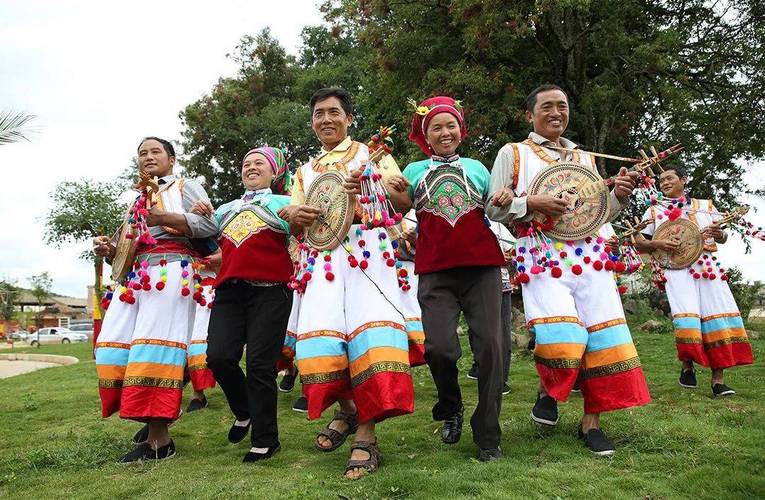
Zhanyi is home to Han, Yi, Miao, Hui and other ethnic communities. Yi and Miao traditions are especially visible in several mountain townships, where dance, music, embroidery, food and agricultural practices remain part of local community life.
Ethnic culture should be presented as a living and changing part of contemporary society rather than as a collection of costumes and performances. Meetings with students, craftspeople and community members can help visitors understand how heritage is practiced today.
Village access, performances and craft workshops depend on community consent. International groups should use local interpreters and avoid entering private homes, photographing residents or arranging performances without permission.
Fasa-Tuqiao Miao Village
Fasa-Tuqiao Miao Village (法洒土桥苗族村) in Yanfang is associated with traditional hemp-fibre processing and lusheng dancing. It is one of Zhanyi’s most valuable community settings for Miao cultural learning.
Possible activities include observing hemp preparation, learning basic weaving processes and attending an introduction to the lusheng. Demonstrations should be arranged with village practitioners before the group arrives.
Yi Villages of Dapo
The Yi Villages of Dapo Township (大坡乡彝族村寨) preserve embroidery, dance and mountain community traditions. Students can learn how clothing, patterns and performance express local identity.
A cultural visit may combine embroidery observation with conversations about rural livelihoods and the transmission of family knowledge. Activities should remain small-scale and respectful of village routines.
Hongwafang Village
Hongwafang Village (红瓦房村) in Longhua offers material for studying rural revitalization, farming, village customs and community development.
Hands-on activities may include agricultural work, heritage rubbing or introductions to local crafts. The village is conveniently combined with an urban school exchange or wetland activity.
Intangible Cultural Heritage in Zhanyi
Zhanyi’s heritage resources cover painting, food preparation, textile work, embroidery, music, dance, woodblock printing, carving, paper cutting and traditional medicine. These projects provide strong material for art, anthropology, music and food-culture programmes.
Official heritage classifications and representative-inheritor lists can change. Current project levels, practitioners and workshop availability should be reconfirmed before publication in a formal academic programme.
Provincial-Level Heritage
Zhanyi Folk Painted Art (沾益民间彩绘画) uses bold colors and local visual traditions. A supervised workshop can introduce composition, symbolic motifs and regional decorative styles.
Zhanyi Spicy Chicken Cooking Technique (沾益辣子鸡制作技艺) represents one of the district’s best-known culinary traditions. For student groups, the subject can be explored through ingredient recognition, cooking observation and discussion of how food becomes part of a destination’s identity.
Zhanyi Xiaobaba Pastry-Making Technique (沾益小粑粑制作技艺) preserves the preparation of a traditional Yunnan-style celebration pastry. A baking workshop offers an accessible activity for international students, provided that food safety and allergy requirements are addressed.
Municipal-Level Heritage
Kaju Diejiao Dance of Yanfang (炎方卡居跌脚舞) is a communal folk dance built around strong footwork and group rhythm.
Fasa Miao Lusheng Dance (炎方法洒苗族芦笙舞) combines reed-pipe music with movement and social celebration. It provides a useful basis for studying the connection between music, dance and community identity.
Zhanyi Miao Hemp Weaving (沾益苗族麻纺织) preserves knowledge of fibre preparation, spinning and weaving. The complete process demonstrates how natural materials are transformed into practical cloth.
Dapo Yi Embroidery (大坡彝族刺绣) features patterns and colors associated with Yi clothing and decorative arts. Students can compare handmade embroidery with modern textile production.
Dongjing Music (洞经音乐) is a refined instrumental tradition with religious, literary and community associations. A guided listening session is more valuable when the instruments and historical background are explained beforehand.
Baishui Pickled Vegetable-Making Technique (白水酸菜制作技艺) demonstrates food preservation, fermentation and regional taste. It can support discussions linking culinary heritage with microbiology and household knowledge.
District-Level Heritage
Songlin Jiama Woodblock Printing (松林甲马木版画) is one of the district’s strongest hands-on art resources. Students can observe the carving and printing process and produce a simple print under supervision.
Hu Family Woodblock Printing (胡氏木版画) represents another local branch of carved-block image production, while Songlin Yiniang Embroidery (松林姨娘绣) preserves distinctive needlework traditions.
Other district-level resources include Bole Root Carving (播乐根雕), Yi Quebi Dance (彝族确比舞), Deze Yi Dancing Dishes (德泽彝族跳菜), Panjiang Fangcheng Dragon Dance (盘江方城舞龙), Zhanyi Paper Cutting (沾益剪纸) and Liu Family Traditional Bone-Setting Medicine (柳家接骨传统中医).
Traditional medicine activities should be limited to cultural interpretation and historical understanding. They should not involve diagnosis or treatment of visiting students.
Recommended Hands-On Learning Activities
Folk Painting
Students can learn about local color palettes and motifs before creating a small painted work. The activity is suitable for both younger learners and university groups studying visual culture.
Jiama Woodblock Printing
A workshop can introduce design transfer, block carving, ink application and printing. For safety, students should use pre-carved blocks unless the programme provides age-appropriate carving tools and specialist supervision.
Miao Hemp Processing
The hemp-weaving process connects botany, material culture and textile production. Students can observe the stages from plant fibre to thread and woven cloth.
Yi Embroidery
A basic embroidery session develops patience and close observation while introducing the meanings of local patterns. Small fabric pieces are more practical than attempting a complete garment.
Traditional Pastry Making
Preparing Xiaobaba gives students a direct experience of local food culture. Ingredients and dietary information should be provided in advance.
Music and Dance
Lusheng music, Dongjing ensembles, hulusi practice, Yi dancing and dragon-dance coordination can support intercultural communication without requiring advanced Chinese-language ability.
Study-Tour Programme Options
Pearl River Source Ecology Programme
This programme combines the Pearl River source, Haifeng Wetland and Xihe National Wetland Park. Themes include watersheds, karst landscapes, biodiversity, water-source conservation and the relationship between upstream and downstream communities.
A school exchange can be added in central Zhanyi, allowing international students to present their field observations and compare environmental education in different countries.
History and Intangible Heritage Programme
This option connects the old railway station, the September 5 Uprising Memorial Hall and Songlin Ancient Town. Students explore railway development, wartime history, ancient transport routes and traditional woodblock printing.
A craft workshop or Dongjing music session adds a living cultural element to the historical material.
Ethnic Culture and Rural Community Programme
The cultural route focuses on Fasa-Tuqiao, the Yi villages of Dapo and Hongwafang. Suggested themes include ethnic identity, textile traditions, music, agriculture and rural revitalization.
Village activities should be arranged according to community availability. Small groups are preferable because they reduce disruption and encourage more meaningful interaction.
School Exchange Programme
A dedicated school programme may include campus tours, classroom observation, paired student activities, joint art or music sessions and a small cultural performance.
Field visits to the Pearl River source, Haifeng Wetland or Songlin Ancient Town can be added to give the exchange a shared academic theme. A three- or four-day format usually allows enough time for both campus interaction and field learning without overloading students.
Practical Advice for International Student Groups
School and Institutional Approval
All campus visits require advance written agreement from the receiving school and, where applicable, the local education authorities. Proposed activities, student ages, group size, safeguarding arrangements and filming requirements should be submitted early.
An invitation letter cannot be guaranteed automatically. Whether a school or another institution can issue supporting documentation depends on the nature of the exchange and current administrative requirements.
Entry Documents
Visa and entry requirements vary according to nationality, travel purpose and length of stay. Organizers should consult the appropriate Chinese embassy, consulate or official visa service before confirming the programme.
A short educational tour should not be described as formal study unless it meets the relevant immigration and education requirements.
Transportation
International groups can travel by high-speed rail to Qujing North Railway Station (曲靖北站), which is located in Zhanyi. Private transfers are recommended for travel between schools, wetlands, mountain areas and ethnic villages.
Field locations are widely dispersed, and some rural roads may be affected by heavy rain. The daily travel distance should be kept appropriate for the students’ age.
Best Seasons
March to May and September to November generally provide comfortable conditions for school exchanges, wetland observation and mountain walking.
June to August is the rainy season. Outdoor programmes need flexible timing, rain protection and contingency plans for slippery trails, sudden rainfall or road disruption.
Accommodation and Meals
Urban Zhanyi offers the most practical accommodation base for international student groups. Rural stays may be considered only after checking licensing, fire safety, sanitation, room capacity and safeguarding arrangements.
Halal, vegetarian and allergy-aware meals can be arranged with advance notice. Local specialties may include Zhanyi spicy chicken, Xiaobaba pastries and seasonal farmhouse dishes.
Student Safety
Every programme should include a suitable adult-to-student ratio, emergency contacts, travel insurance, first-aid arrangements and a weather contingency plan.
Wetland sampling, cooking, carving, mountain walking and agricultural activities require specific risk assessments. Students should remain within approved visitor areas and follow instructions from teachers, guides and site staff.
Cultural Etiquette
Students should request permission before photographing residents, schoolchildren, craftspeople or religious and ceremonial activities. Old houses, private courtyards and village workshops should not be entered without invitation.
Cultural exchanges should be based on mutual participation. Local students and community practitioners are hosts and partners, not exhibits for photography.
Yaso Trip Services for Zhanyi Student Tours
Yaso Trip can develop tailored Zhanyi programmes for international schools, universities and youth organizations. Services may include bilingual tour coordination, private transportation, accommodation, dietary arrangements, field-learning materials and communication with potential host institutions.
Subject-specialist guides, cultural practitioners and bilingual facilitators can be requested according to programme needs and availability. Possible academic themes include watershed geography, wetland ecology, karst geology, railway history, revolutionary heritage, ethnic textiles, traditional music and rural development.
School exchanges, heritage workshops and village activities remain subject to approval by the relevant institutions and communities. With proper preparation, a Zhanyi student tour can connect classroom learning with the landscapes, history and living culture of the Pearl River source region.


 View All Yunnan Tours


 View All Yunnan Theme Tours by Interest


 Home





 Contact Information