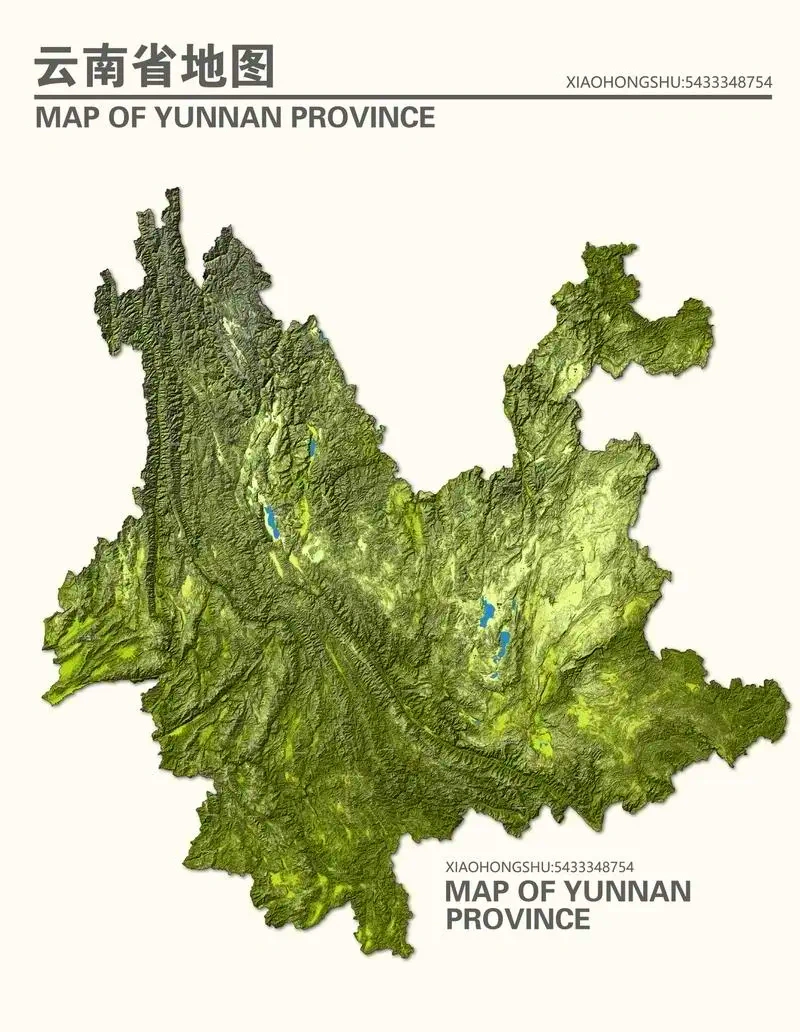
Located around the headwaters of the Pearl River in eastern Yunnan, Zhanyi District (沾益区) has long been a meeting place for communities travelling between the Yunnan Plateau and inland China. Mountain farming, ancient trade routes and migration have created a cultural landscape shared by Han, Yi, Miao, Hui and many other ethnic groups.
The Yi, Miao and Hui are Zhanyi’s principal long-established minority communities. Minority residents account for approximately 6.76% of the district’s population and follow a settlement pattern often described as “widely dispersed with small areas of concentration.” Seven ethnic minority administrative villages and around 30 minority village groups are distributed across eight towns, townships and subdistricts.
Zhanyi differs from the large, purpose-built ethnic tourism areas found elsewhere in Yunnan. Its cultural resources remain rooted in working villages, mountain agriculture, religious life, local festivals and family-based craft traditions. This makes the district particularly rewarding for travellers interested in traditional villages, intangible cultural heritage, folk photography and small-scale cultural encounters.
Ethnic Groups in Zhanyi District
Zhanyi is predominantly Han Chinese but is home to residents belonging to numerous ethnic groups. Besides its long-established Yi, Miao and Hui communities, the district has residents from Bai, Dai, Zhuang, Lisu, Lahu, Wa, Naxi, Yao, Tibetan, Jingpo, Bulang, Bouyei, Achang, Hani, Xibe, Pumi, Mongolian, Nu, Jino, De’ang, Shui, Manchu and Dulong backgrounds.
Not every group forms a historic village community within the district. For cultural travellers, the most visible local traditions are those of the Yi, Miao and Hui peoples.
Yi Communities
The Yi people (彝族) form Zhanyi’s largest long-established minority population. Their communities are concentrated in Dapo, Deze and Yanfang, with smaller settlements in suburban and mountain areas elsewhere in the district.
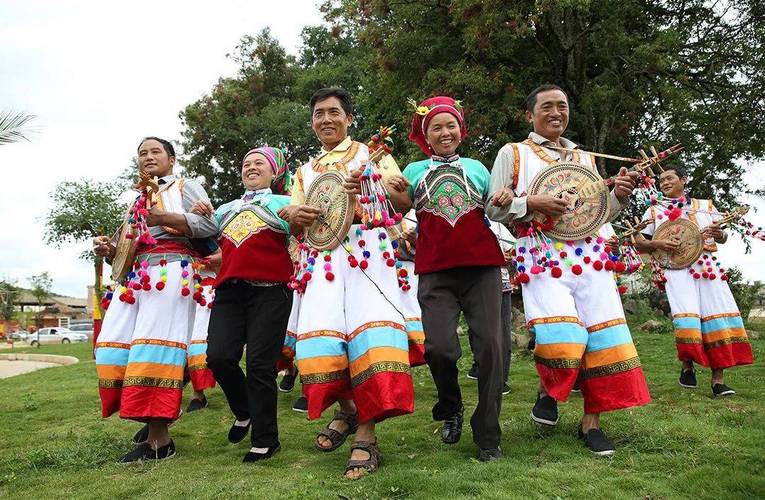
Local Yi culture is expressed through slab-roofed houses, embroidery, folk dance, ceremonial food presentation, medicinal cuisine and agricultural festivals. The Torch Festival remains the best-known celebration, while village rituals connected with old trees, mountains and seasonal farming continue in some communities.
Zhanyi’s Yi traditions are closely connected with everyday village life rather than staged tourism. Embroidery patterns, food customs and dances can vary between communities, reflecting the district’s dispersed settlement pattern.
Miao Communities
The Miao people (苗族) are concentrated mainly in the mountain areas of Yanfang, particularly around Kaju and Fasa.
Miao cultural traditions include lusheng music and dance, hemp processing, hand weaving, embroidery and plant-based indigo dyeing. Clothing and textile patterns carry family and community associations, and many handmade pieces require considerable time to complete.
The most important festive occasion is the Huashan Festival, also known as Caihuashan (花山节、踩花山). Lusheng performances, communal dancing and social gatherings make the festival one of the best periods for experiencing Miao culture in Zhanyi.
Hui Communities
The Hui people (回族) live mainly around the urban area and Baishui. Their cultural presence is particularly visible through mosques, halal food traditions, religious customs and family-run restaurants.
Beef dishes, pastries and other halal foods form an important part of Zhanyi’s culinary landscape. Hui customs are closely connected with family and religious life, so visitors should dress respectfully and follow local guidance when entering religious spaces.
Food is often the most accessible way for international visitors to encounter Hui culture. Restaurants displaying the recognised halal sign are the most suitable choice for Muslim travellers.
Ethnic Minority Towns and Cultural Areas
Dapo Township
Dapo Township (大坡乡) is one of the district’s principal Yi cultural areas. It contains traditional villages, Yi embroidery traditions, mountain farming landscapes and the karst scenery of Haifeng Wetland.
The township’s cultural value lies in the relationship between settlement, agriculture and local craft. Village houses follow the contours of the hills, while embroidery patterns and festival activities remain connected with community life.
Dapo is also linked with pottery culture through Liaohu and with early human activity along the Niulan River basin.
Deze Township
Deze Township (德泽乡) contains several Yi settlements and preserves food traditions, ceremonial customs and village practices associated with old trees.
Some communities continue to regard large, long-lived trees as gathering places or culturally meaningful landmarks. Meetings and community activities held near these trees reflect the close relationship between settlement life and the mountain environment.
Deze is also associated with Yi medicinal cuisine, raw-liver dishes and ceremonial food presentation. These foods should be experienced through trusted local hosts or established restaurants.
Yanfang Township
Yanfang Township (炎方乡) is the centre of Zhanyi’s Miao cultural traditions and also contains Yi communities.
Kaju is associated with Yi Diejiao dancing, while Fasa preserves Miao lusheng music, hemp weaving and indigo dyeing. The township is particularly interesting for travellers focused on textile traditions and folk performance.
Villages are dispersed across mountainous terrain, so private transport and local coordination are advisable.
Baishui Town
Baishui Town (白水镇) has an established Hui community and an active halal food culture.
Its cultural landscape includes mosques, family traditions, halal restaurants and markets selling beef products and pastries. Visitors interested in Hui culture should approach religious sites as living community spaces rather than conventional tourist attractions.
Baishui can be combined with nearby historical and rural destinations as part of a broader cultural journey through eastern Zhanyi.
Huashan and Longhua
Huashan Subdistrict (花山街道) contains the historic Songlin post-station settlement, where Yi, Hui and Han travellers once met along an important road into Yunnan.
Longhua Subdistrict (龙华街道) has both urban and village communities. The suburban Yi settlement of Chezhai preserves embroidery, song and dance traditions while remaining relatively accessible from central Zhanyi.
These areas show how minority culture exists not only in distant mountain villages but also along old transport corridors and near the modern urban centre.
Traditional Ethnic and Historic Villages
Zhanyi has two villages included in the official Traditional Chinese Villages list. This national list is associated with China’s housing and urban-rural development authorities rather than the Ministry of Civil Affairs.
Hewei Dacun Yi Village
Hewei Dacun Village (河尾大村) belongs to Hewei Village Committee (河尾村委会) in Dapo and was included in the third group of Traditional Chinese Villages.
The settlement stands beside the Niulan River and follows the natural slope of the surrounding mountains. Its traditional slab-roofed houses form one of the district’s most representative Yi architectural landscapes.
The village is also connected with Yi embroidery and mountain farming traditions. Visitors should remember that it is a living residential community and avoid entering homes or courtyards without permission.
Songlin Post Station Village
Songlin Village, historically known as Songlin Post Station (松林村、松林驿) was included in the fourth group of Traditional Chinese Villages.
The settlement developed along the ancient Wuchi Road and served as a stopping place for officials, merchants, soldiers and travellers entering Yunnan. Its history reflects interaction among Yi, Han, Hui and other communities.
Remains and cultural memories associated with old gates, traditional residences, Kuixing Pavilion, a Confucian temple and a Wuhou shrine make Songlin an important landmark for studying Zhanyi’s ancient-road culture.
Representative Ethnic Villages
Mizhiga Yi Village
Mizhiga Village (米支嘎村) in Deze is a Yi settlement known for its old trees and village customs.
A centuries-old tree functions as a cultural landmark and gathering place. Local traditions associated with discussion, ceremony and community memory reveal how natural features can become part of a village’s social landscape.
Cultural activities may not be performed daily, so visitors should not expect a staged programme without prior arrangements.
Kaju and Fasa Miao Villages
Kaju Village (卡居村) and Fasa Village (法洒村) form an important Miao cultural area in Yanfang.
The villages are associated with lusheng dance, traditional clothing, hemp textiles and seasonal festival activities. Their mountain setting has helped preserve craft practices less visible in urban areas.
Festival dates are often based on traditional calendars and local arrangements. Travellers should confirm the date and programme before planning a visit around the Huashan Festival.
Chezhai Yi Village
Chezhai Village (扯寨村) is a Yi community near the urban area.
Embroidery, singing and dancing are sometimes presented during village celebrations and organised cultural activities. Its accessible location makes Chezhai suitable for travellers with limited time.
As in other communities, cultural displays should be arranged in advance rather than assumed to be available on demand.
Intangible Cultural Heritage in Zhanyi
Zhanyi’s intangible cultural heritage includes visual arts, music, dance, food preparation, embroidery and textile production. The table below groups the principal items mentioned in local cultural materials.
| Heritage Level |
Intangible Cultural Heritage |
Cultural Association |
Main Area or Feature |
| Provincial |
Zhanyi Folk Colour Painting (沾益民间彩绘画) |
Folk art |
Decorative painting and regional imagery |
| Provincial |
Zhanyi Spicy Chicken-Making Technique (沾益辣子鸡制作技艺) |
Local food culture |
Traditional preparation of a signature dish |
| Provincial |
Zhanyi Small Cake-Making Technique (沾益小粑粑制作技艺) |
Local food culture |
Pastries with ham and sweet fillings |
| Municipal |
Yanfang Kaju Diejiao Dance (炎方卡居跌脚舞) |
Yi |
Collective folk dance |
| Municipal |
Yanfang Fasa Miao Lusheng Dance (炎方法洒苗族芦笙舞) |
Miao |
Lusheng music and communal dancing |
| Municipal |
Zhanyi Miao Textile Craft (沾益苗族纺织) |
Miao |
Hemp processing, weaving and indigo dyeing |
| Municipal |
Zhanyi Yi Embroidery, also called Yujin Embroidery (沾益彝族刺绣、雨今刺绣) |
Yi |
Clothing, baby carriers and decorative textiles |
| Municipal |
Zhanyi Dongjing Music (沾益洞经音乐) |
Multi-ethnic |
Ritual and traditional instrumental music |
| District |
Zhuyuan Yi Medicinal Cuisine-Making Technique (珠源彝族药膳制作技艺) |
Yi |
Mountain ingredients and traditional food knowledge |
| District |
Deze Yi Raw-Liver Dish-Making Technique (德泽彝族肝生菜制作技艺) |
Yi |
Regional ceremonial food |
| District |
Deze Yi Tiaocai (德泽彝族跳菜) |
Yi |
Ceremonial presentation of dishes |
| District |
Gui Family Beef Hotpot-Making Technique (桂氏牛汤锅制作技艺) |
Hui |
Halal beef cookery |
Heritage classifications may be updated over time. Travellers arranging a specialist visit should confirm the current official designation and whether an inheritor or workshop is available.
Representative Intangible Cultural Heritage Inheritors
Provincial-Level Inheritor
Jiang Kailiang (姜开良) is associated with Zhanyi folk colour painting. His work represents a local visual-art tradition rather than a minority-specific craft.
Municipal-Level Inheritors
Ma Minghui (马明辉) is associated with the Miao lusheng dance of Fasa in Yanfang.
Hong Jincai (洪进财) and Qiu Wenhua (邱文华) are associated with Zhanyi Dongjing music.
Liu Chunhua (刘春华) is associated with the traditional preparation of Zhanyi small cakes.
Tao Jiansheng (陶建生) is associated with local root-carving craftsmanship.
District-Level Minority Heritage Inheritors
Zhan Xin (詹辛) is associated with Zhuyuan Yi medicinal cuisine.
Liang Daohong (梁道红) preserves the Deze Yi raw-liver dish-making tradition.
Hu Kaizhen (胡开真) is associated with the ceremonial Yi Tiaocai tradition.
Gui Yaqin (桂亚琴) is associated with Gui Family beef hotpot and Hui halal culinary culture.
An inheritor’s availability should never be assumed. Visits, demonstrations and interviews require advance consent and coordination.
The Cultural Character of Zhanyi’s Yi Traditions
Zhanyi’s Yi culture is rooted in mountain farming, village architecture, embroidery, food and communal performance. Slab-roofed houses in Dapo are adapted to local materials and climate, while embroidery records aesthetic traditions through colour and pattern.
Dance is another strong cultural expression. Diejiao is performed collectively, while Tiaocai combines hospitality, movement and the ceremonial serving of food. The Torch Festival brings together fire rituals, singing, dancing and village gatherings.
Medicinal cuisine reflects traditional knowledge of local plants and mountain ingredients. Travellers should understand these dishes as cultural foods rather than substitutes for medical treatment.
The Cultural Character of Zhanyi’s Miao Traditions
Miao culture in Yanfang is particularly visible through music and textiles. The lusheng is both a musical instrument and a focus of communal performance, especially during the Huashan Festival.
Traditional textile production begins long before embroidery. Hemp fibres must be prepared, spun and woven before the cloth can be dyed with natural indigo. The result is a material closely connected with labour, environment and family knowledge.
Handmade clothing should be handled respectfully. Visitors should not touch ceremonial dress, headwear or unfinished textiles without permission.
The Cultural Character of Zhanyi’s Hui Traditions
Hui culture in Zhanyi is expressed through religious life, family customs, trade and food. Mosques serve active communities and are not simply historic monuments.
Halal beef hotpot, dried beef, pastries and other foods offer an accessible introduction to local Hui traditions. Muslim travellers can find halal dining options in Baishui and parts of the urban area.
Visitors entering a mosque should ask whether access is permitted, dress modestly and avoid interrupting prayer.
Festivals and Seasonal Cultural Experiences
Yi Torch Festival
The Yi Torch Festival (彝族火把节) is the best-known Yi celebration in Zhanyi. Activities may include torch-lighting, singing, dancing and community gatherings.
Festival dates and programmes can differ between villages. Some events follow the lunar calendar, while public cultural programmes may be scheduled separately.
Accommodation and transport should be arranged early when attending a major celebration.
Miao Huashan Festival
The Huashan Festival is the most important Miao gathering in the district. Lusheng performance, dance, traditional clothing and social activities are central to the occasion.
Yanfang is the main area for festival-related Miao culture. Visitors should check whether an event is a community celebration or a public tourism programme before attending.
Photography should be respectful, especially during rituals or private family activities.
Historic Sites and Cultural Landscapes
Pearl River Source and Maxiong Mountain
Pearl River Source Scenic Area (珠江源风景区) on Maxiong Mountain (马雄山) is the geographical and symbolic centre of Zhanyi.
The mountain landscape is connected with local concepts of water, territory and sacred nature. For surrounding communities, its significance extends beyond sightseeing to agricultural life and cultural memory.
A visit can provide environmental context for understanding the district’s ethnic traditions and settlement patterns.
Songlin Post Station and the Wuchi Road
The Wuchi Road (五尺道) was an ancient route linking the Central Plains with Yunnan. Songlin developed as a post station along this road and became a point of contact among different ethnic and commercial communities.
The site’s history is represented by old streets, residential remains and memories of institutions such as Kuixing Pavilion (魁星阁), a Confucian Temple (文庙) and a Wuhou Shrine (武侯祠).
Songlin is particularly suitable for travellers interested in migration, trade routes and the historical integration of eastern Yunnan.
Heiqiao Ancient Bridge
Heiqiao Ancient Bridge (黑桥) is traditionally associated with the Yuan dynasty and the district’s historic transport network.
As part of a wider road system, the bridge facilitated the movement of merchants, officials and local communities. Its value lies in this connection between infrastructure and cultural exchange.
Site conditions and access should be confirmed before visiting.
Haifeng Wetland
Haifeng Wetland (海峰湿地) is a highland karst wetland surrounded by hills, grassland and farming communities.
The area has long supported grazing and agriculture, particularly among local Yi communities. Its landscape helps explain how ethnic traditions developed in close relationship with water, pasture and seasonal land use.
Visitors should protect the wetland environment and avoid disturbing livestock, crops or wildlife.
Early Archaeological Sites
Palaeolithic and Neolithic remains have been identified along the Nanpan River (南盘江) and Niulan River (牛栏江) corridors.
These sites are associated with early human settlement in eastern Yunnan and with ancient populations sometimes discussed in relation to the historical Mimo groups.
Archaeological locations may be protected, unmarked or closed to general access. Artefacts and surface materials must not be removed.
Baishui Mosque
Baishui Mosque (白水清真寺) is an important cultural and religious site for the district’s Hui community.
The mosque represents the continuity of Islamic belief, community organisation and halal traditions in Zhanyi.
Access for visitors may depend on religious activities and local arrangements. Permission should be requested before entering or photographing the building.
Cultural Travel Planning Without a Fixed Itinerary
A Zhanyi ethnic culture journey works best when organised by cultural region rather than by a rigid schedule. Songlin introduces ancient-road history; Dapo offers Yi villages and embroidery; Deze is associated with Yi food and community customs; Yanfang preserves Miao performance and textile traditions; Baishui provides insight into Hui religious and culinary culture.
Natural landscapes can be incorporated without separating them from local culture. The Pearl River Source provides the district’s geographical setting, while Haifeng Wetland reveals the relationship between karst terrain, grazing and mountain agriculture.
Village visits, craft demonstrations and meetings with heritage inheritors require advance arrangements. Travellers should not assume that residents will perform dances, prepare ceremonial dishes or open private homes without prior invitation.
Practical Advice for Village and Heritage Visits
Arrange Local Transport
Many ethnic villages are located in mountainous areas with limited public transport. A private vehicle with a local driver is generally the most efficient option.
Road conditions may change during the summer rainy season. Allow additional time between Dapo, Deze and Yanfang.
Confirm Cultural Activities in Advance
Festival dates, dance performances and craft demonstrations are not always fixed. Contact the village, cooperative or local organiser before travelling.
A confirmed arrangement is particularly important for meetings with heritage inheritors, home visits and customised embroidery purchases.
Respect Community Life
Ask before entering homes, workshops, places of worship or ceremonial spaces. Do not touch ritual objects, traditional clothing or unfinished handicrafts without permission.
A village is first a residential community, even when it appears on a tourism or heritage list.
Follow Responsible Photography Practices
Obtain consent before photographing residents, artisans or religious activities. Extra care is required when photographing children, prayer and private ceremonies.
Avoid positioning people as staged objects. Natural interaction and clear permission produce more respectful travel photography.
Buy Crafts Directly from Makers
Embroidery, hemp cloth and other handmade products require time and specialist knowledge. Slight differences in colour, stitching and size are normal.
Buying from an artisan or cooperative helps visitors understand the craft and returns more income to the producer.
Observe Food and Health Precautions
Raw-liver dishes and some traditional preserved foods may not suit every visitor. Choose reputable hosts, consider personal health conditions and ask how dishes are prepared.
Halal requirements, allergies and dietary restrictions should be communicated before a village meal or restaurant visit.
Ethnic Minority Culture Tours with Yaso Trip
An Ethnic Minority Culture Tour with Yaso Trip can connect Zhanyi’s Pearl River headwaters, ancient post roads, traditional villages and living heritage without relying on commercialised cultural parks.
Visits may include Yi embroidery workshops, Miao textile communities, historic Songlin, Hui food culture and conversations with local craftspeople. Cultural activities are arranged according to community availability and the wishes of residents.
For travellers interested in village architecture, folk art, traditional food or festival photography, Zhanyi offers a quieter and more locally grounded side of Yunnan. Its strongest appeal lies in the relationship between people, mountain landscapes, ancient roads and traditions that remain part of everyday life.