Shopping in Zhanyi District (沾益区) is shaped by four distinctive settings: commercial streets in the urban area, traditional township markets, small shops at tourist attractions and handicraft workshops in ethnic minority villages. Rather than large luxury malls, Zhanyi is best known for regional foods, rural produce, handmade textiles and locally rooted cultural gifts.
The urban areas of Xiping and Longhua offer the most convenient places to buy packaged food souvenirs. Traditional markets in outlying towns and townships provide fresh produce, farmhouse foods and a lively view of everyday local life. Travellers interested in crafts can visit pottery workshops, Yi embroidery cooperatives and Miao textile villages.
For a practical shopping experience, purchase packaged foods in central Zhanyi, choose attraction-themed keepsakes at scenic sites and buy traditional crafts directly from workshops whenever possible. This provides better product choice while allowing visitors to learn where and how the items were made.
Main Shopping Areas in Zhanyi District
Xiping Subdistrict and the Old Town
Xiping Subdistrict (西平街道) is one of Zhanyi’s principal commercial areas. Its old streets contain traditional bakeries, snack shops, speciality-food retailers and everyday stores serving local residents.
Xizheng Street (西正街) is the best-known historic shopping street in the old town. Visitors can find freshly baked small cakes, pickled foods, traditional snacks and locally packaged products. Its compact storefronts and long-established food businesses give the street a more local character than a modern shopping centre.
Xizheng Street is a good choice for travellers who want to combine shopping with casual food tasting. Fresh pastries are best purchased shortly before departure, while boxed products are easier to carry over longer distances.
Longhua Subdistrict and Modern Retail Areas
Longhua Subdistrict (龙华街道) has supermarkets, speciality stores, agricultural markets and newer residential shopping streets. It is suitable for purchasing several kinds of local products in one trip.
Longhua North Road, also known as Wutong Avenue (龙华北路、梧桐大道) is lined with supermarkets, restaurants and everyday retail outlets. Its shops primarily serve residents, so it is useful for packaged foods, drinks and travel supplies rather than specialised tourist souvenirs.
Wenzhou Shopping Centre and its Farmers’ Market (温州商城及配套农贸市场) offer dried foods, agricultural products, household goods and other daily necessities. Product variety increases on local market days.
Urban Farmers’ Markets
Hongxing No. 7 Farmers’ Market (红星七组农贸市场) and Binjiang Farmers’ Market (滨江农贸市场) are useful places to look for fresh produce, honey, dried mushrooms, pickled vegetables and farmhouse products.
These markets are more suitable for travellers interested in local ingredients than those looking for polished gift packaging. Morning visits usually provide the widest selection and the freshest produce.
International travellers should be careful when purchasing fresh fruit, vegetables, meat or unpackaged agricultural products, as destination countries may restrict their import.
Baishui Town Shopping
Baishui Town (白水镇) is known for tofu, pickled vegetables and rural agricultural products. Its traditional commercial centre is Quanguan Characteristic Commercial Street (泉关特色商业街).
Local shops and market stalls sell pickled foods, tofu products, dried ingredients and everyday farm produce. Product availability varies with market schedules and the agricultural season.
Travellers planning a countryside journey can combine Baishui’s local foods with nearby village visits. Perishable tofu is best eaten during the trip rather than carried over a long distance.
Liaohu Ancient Town Pottery Street
Liaohu Ancient Town (潦浒古镇) in Dapo Township (大坡乡) is Zhanyi’s most distinctive destination for cultural shopping. The town preserves pottery traditions associated with historic dragon kilns and Cuan culture.
Liaohu Ancient Pottery Street (潦浒古陶瓷街) contains kilns, studios and pottery workshops. Visitors can observe parts of the production process, talk with craftspeople and select finished ceramics.
Tea sets, vases, cups and small decorative objects are widely available. Some workshops also offer hands-on pottery experiences, although firing and collection arrangements should be confirmed before participation.
Hongwafang Rural Market
Hongwafang Village (红瓦房村) hosts the Hongwafang Countryside Market (红瓦房原乡市集) during selected weekends and public holidays.
The market usually features handmade woven items, rural crafts, snacks and small accessories. Its relaxed atmosphere makes it suitable for families and travellers who prefer light recreational shopping.
Because the market does not necessarily operate every day, visitors should confirm the opening schedule before making a special trip.
Traditional Township Markets
Regular market days remain an important part of commercial life in rural Zhanyi. Panjiang Town (盘江镇) traditionally holds markets on Wednesdays and Saturdays, while Huashan Subdistrict (花山街道) commonly has markets on Thursdays and Sundays.
Markets are also held in Baishui, Bole Township (播乐乡), Yanfang Township (炎方乡) and Dapo. Exact dates can change during festivals or public holidays, so checking locally is advisable.
Township markets are most active in the morning. Visitors may find vegetables, farmhouse pickles, dried mushrooms, honey, cured meat, handmade baskets and seasonal products sold directly by villagers.
What to Buy in Zhanyi District
Zhanyi Small Cake
Zhanyi Small Cake (沾益小粑粑) is the district’s best-known food gift and a representative local pastry. It is made with a flaky or glutinous outer layer and fillings such as ham, bean paste, rose or perilla seed.
The ham-filled version is traditionally called Huotuituo (火腿坨), while sweet varieties have also been known locally as Siliangtuo (四两坨). Boxed assortments allow visitors to sample several flavours and are convenient for gift giving.
Dianyiyuan (滇溢圆) is a long-established local brand associated with this speciality. When purchasing cakes, check the production date, filling ingredients and storage instructions.
Zhanyi Spicy Chicken
Zhanyi Spicy Chicken (沾益辣子鸡) is prepared with chicken, dried chillies and aromatic seasonings. Its strong, savoury flavour has made it one of the district’s most recognisable dishes and packaged food products.
The production method associated with Gong Family Spicy Chicken (龚氏辣子鸡) is recognised as district-level intangible cultural heritage. Some restaurants and speciality stores provide vacuum-packed portions suitable for domestic travel.
International visitors should verify customs regulations before carrying meat products across borders. Products with intact packaging, clear manufacturer details and a visible production date are preferable.
Baishui Tofu
Baishui Tofu (白水豆腐) is a traditional speciality of Baishui Town. Local accounts trace its reputation back to the Qing dynasty, when travellers passing through the former post-station purchased tofu from village vendors to take on their journeys.
Fresh Baishui tofu is valued for its soft texture and clean soybean flavour. It is best sampled at a local restaurant or purchased for consumption on the same day.
Because tofu is perishable, it is not suitable as a long-distance souvenir unless professionally processed and packaged.
Baishui Pickled Mustard Greens
Baishui Pickled Mustard Greens (白水酸菜) are prepared through a traditional local fermentation process recognised as municipal-level intangible cultural heritage.
The vegetables have a refreshing sour flavour and are commonly used in home-style soups, stir-fries and noodle dishes. Sealed packages are available from some shops and market vendors.
Check for leakage, swelling or damaged seals before purchase. Travellers carrying the product overseas should review food-import regulations at their destination.
Deze Ham and Dried Beef
Deze Township (德泽乡) produces traditional cured meats, including Deze Ham (德泽火腿) and Deze Dried Beef (德泽牛干巴).
These products are seasoned and air-dried, developing a concentrated savoury flavour. Vacuum-packed portions are easier to transport than loose products sold at rural stalls.
Check labels carefully, keep the products at the recommended temperature and confirm whether meat may be taken into the destination country.
Yanfang Mugwort Cake
Yanfang Mugwort Cake (炎方面蒿粑粑) is a rustic grain-based snack featuring the aroma of local wild herbs. Its traditional preparation method is listed as district-level intangible cultural heritage.
The cakes are most appealing when freshly prepared. Depending on the season, they may be found in township markets, food fairs and selected local shops.
Visitors with plant allergies or dietary restrictions should ask about the ingredients before tasting.
Handmade Rice Cakes
Zhanyi Handmade Rice Cakes (沾益手工米糕) are produced using traditional methods and shaped into decorative forms associated with happiness, longevity and good fortune.
Their light weight makes them convenient small gifts. Fresh cakes may be soft and delicate, while packaged versions usually travel better.
Choose products from established bakeries and check their shelf life, particularly in warm or humid weather.
Buckwheat, Honey and Mountain Foods
Zhanyi Buckwheat Products (沾益荞面) are sold as flour, noodles or other grain-based foods. Local honey, dried mushrooms, farmhouse pickles and eggs are also common in rural markets.
Some shops sell dried ingredients linked with Yi food traditions and mountain cooking. These may include edible fungi, herbs and other seasonal products gathered or grown in the Pearl River headwater area.
Wild mushrooms should be purchased only from reliable sellers. They must be correctly identified and thoroughly cooked before consumption.
Cultural Products and Traditional Crafts
Liaohu Cuan Pottery
Liaohu Cuan Pottery (潦浒爨陶) is among Zhanyi’s most recognisable cultural products. It is connected with the ancient dragon-kiln tradition of Liaohu and combines practical ceramic forms with regional Cuan motifs.
Visitors can purchase teaware, flower vases, cups, incense holders and decorative pieces. Smaller objects are easier to pack and less vulnerable to damage during transport.
Handmade pottery naturally varies in colour, glaze and firing marks. Ask the workshop to provide secure wrapping and carry valuable or fragile pieces in hand luggage where transport rules permit.
Folk Painting, Woodblock Prints and Papercutting
Zhanyi’s folk-art products include Zhanyi Folk Colour Painting (沾益民间彩绘画), Hu Family Woodblock Prints (胡氏木版画) and Zhao Family Papercutting (赵氏剪纸).
Small prints, framed pictures, bookmarks and papercut designs make lightweight souvenirs. Their themes often draw on rural life, traditional festivals, local architecture and auspicious symbols.
When purchasing original artwork, ask whether it is handmade, printed or reproduced. Keep flat paper products between rigid boards during transport.
Jinlong Root Carving
Jinlong Root Carving (金龙根雕) uses the natural shape and grain of tree roots to create decorative sculptures. The craft is recognised locally as intangible cultural heritage.
Each work is different because the artist adapts the design to the original form of the wood. Small pieces are more practical for visitors than large display sculptures.
Overseas travellers should confirm whether untreated wooden products require inspection or certification at their destination.
Cuan Culture Souvenirs
Cuan Culture Souvenirs (爨文化文创) may include calligraphy bookmarks, notebooks, postcards, desk ornaments and decorative pieces inspired by Cuan-script characters.
These products are useful for visitors interested in Zhanyi’s historical links with the wider Cuan cultural region of eastern Yunnan. They are also easier to carry than pottery or food.
Cuan-themed gifts can be found at cultural attractions, craft fairs and selected shops in the urban area.
Ethnic Minority Handicrafts
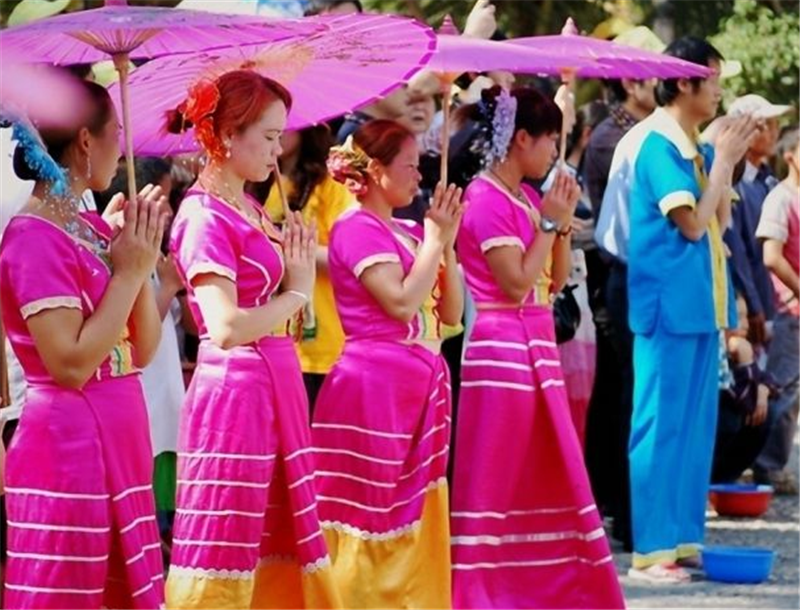
Zhanyi is home to Yi, Miao, Hui and other ethnic communities. Its most representative ethnic crafts include embroidery, hemp weaving, natural indigo dyeing, bamboo work and handmade household objects.
Many village products are made in small quantities. Colours and patterns may differ from one piece to another, and customised orders can require additional production time.
Buying directly from a cooperative or artisan provides an opportunity to understand the craft and helps return more value to the maker.
Yi Embroidery in Yujin Village
Yujin Yi Village (雨今彝族村寨) is located under Heshao Village Committee (河勺村委会) in Dapo. The village is associated with municipal-level Yi embroidery heritage.
The Zhuyuan Xiuyun Embroidery Cooperative (珠源绣韵刺绣合作社) uses techniques such as counted-thread embroidery, flat stitching and layered appliqué. Products include shawls, scarves, purses, tiger-head hats, children’s clothing, shoulder bags and table runners.
Visitors may purchase finished items directly or ask about customised work. Genuine hand embroidery takes time, so its price should not be compared directly with machine-made souvenirs.
Miao Hemp Weaving and Indigo Dyeing
Fasa Tuqiao Miao Village (法洒土桥苗族村寨) in Yanfang preserves traditional hemp processing, hand weaving and natural indigo dyeing.
The production process can include stripping hemp fibre, spinning thread, weaving cloth and repeatedly dyeing the fabric with plant-based indigo. Products may include handwoven cloth, headscarves, small fabric bags and pieces of traditional clothing.
The craft is associated with inheritor Zhang Xulin (张徐林). Workshop access and product availability may vary, so advance contact is useful for visitors making a dedicated trip.
Other Yi and Hui Products
Yi communities may offer woven carrying baskets, bamboo household items and dried ingredients used in traditional cooking. These goods are usually found at village markets or seasonal fairs rather than permanent tourist shops.
Hui communities sell halal dried beef, pastries and cooked foods, particularly around Banqiao Town (板桥镇) and the Huashan market area.
Visitors requiring halal food should look for clearly displayed halal signs and confirm ingredients directly with the seller.
Shopping at Zhanyi’s Major Attractions
Pearl River Source Scenic Area
Pearl River Source Scenic Area (珠江源风景区) on Maxiong Mountain (马雄山) has small shops near the visitor centre rather than a large commercial zone.
Typical products may include headwater-themed bookmarks, postcards, Yi roasted tea, packaged pastries and dried mushrooms. Product selection can be limited and may change by season.
The site is suitable for buying a small commemorative gift. Food souvenirs in larger quantities are better purchased after returning to central Zhanyi.
Visitors may occasionally encounter demonstrations of Zhuyuan Tea Preparation (珠源点茶技艺). Availability should be confirmed locally, as demonstrations are not necessarily offered every day.
Haifeng Wetland
Haifeng Wetland (海峰湿地) has limited retail facilities. Simple kiosks near the entrance may sell drinks, snacks and a small number of rural products.
The wetland is primarily a nature destination, not a shopping attraction. Camping food, drinking water, sun protection and other supplies should be prepared before arrival.
For agricultural products, visitors can stop at the Dapo market or continue to Liaohu after exploring the wetland.
Liaohu Ancient Town Scenic Area
The ancient town is Zhanyi’s leading cultural-shopping destination. Its historic pottery workshops provide a close connection between the object being purchased and the place where it was made.
Visitors can choose Cuan pottery, kiln-fired tableware, decorative ceramics and locally produced food. Some studios also provide pottery-making experiences.
If a handmade piece must be fired after the activity, confirm when it will be ready and whether the studio can arrange domestic delivery.
Hongwafang Cultural Tourism Village
Hongwafang Cultural Tourism Village (红瓦房文旅村) offers small-scale rural shopping through its holiday market and permanent village shops.
Woven crafts, snacks, accessories and countryside-themed gifts are the most common purchases. The village is better suited to leisurely browsing than planned bulk shopping.
Weekend and holiday programmes may change, so check the market schedule before travelling.
Recommended Shopping Routes
Local Food and Old-Town Shopping
Begin at Xizheng Street for freshly baked small cakes and traditional snacks, then continue to one of the central farmers’ markets for spicy chicken, pickled vegetables, honey and dried produce.
This route is convenient for travellers staying in the urban area and provides the widest selection of packaged gifts. Shops may also offer domestic delivery for bulky purchases.
Allow time to compare labels, production dates and packaging rather than buying everything from the first store.
Pottery and Cultural Crafts
Travel to Liaohu Ancient Town for pottery workshops, dragon-kiln culture and Cuan-inspired gifts. Small teacups, incense holders and decorative pieces are easier to carry than large vases.
Visitors interested in hands-on activities can ask about pottery shaping or painting. Firing, collection and delivery arrangements should be agreed upon before the activity begins.
This route can be paired with Haifeng Wetland, although supplies should be purchased before entering the wetland area.
Ethnic Handicraft Route
Combine Yujin Yi Village with Fasa Tuqiao Miao Village to explore embroidery, hemp weaving and indigo-dyed textiles. The two communities offer different techniques and visual traditions.
Advance appointments are recommended because village cooperatives and artisans may not maintain fixed daily opening hours. Custom work should be discussed well before the planned departure date.
This route is intended for cultural sightseeing and direct craft shopping rather than organised academic study.
Relaxed Rural Market Route
Visit Hongwafang’s market when it is operating, then return to Xizheng Street for food and evening shopping.
This combination suits travellers who want a light countryside experience without travelling deep into the mountains.
Check the holiday or weekend programme first, as the village market is not guaranteed to open daily.
Zhanyi Shopping Areas and Product Guide
| Area |
Shopping Place |
Main Products |
Best For |
Practical Advice |
| Xiping Subdistrict |
Xizheng Street |
Small cakes, traditional snacks and pickled foods |
Old-town shopping |
Buy fresh pastries shortly before departure |
| Longhua Subdistrict |
Longhua North Road |
Supermarkets, packaged foods and travel supplies |
Convenient daily shopping |
Better for practical goods than crafts |
| Urban Zhanyi |
Wenzhou Shopping Centre and Farmers’ Market |
Dried foods, agricultural products and household goods |
One-stop shopping |
Product variety increases on market days |
| Urban Zhanyi |
Hongxing No. 7 and Binjiang Markets |
Fresh produce, honey, mushrooms and farmhouse foods |
Local ingredients |
Visit in the morning |
| Baishui Town |
Quanguan Commercial Street |
Tofu, pickled vegetables and rural products |
Local food specialities |
Consume fresh tofu promptly |
| Dapo Township |
Liaohu Ancient Pottery Street |
Cuan pottery, teaware and decorative ceramics |
Cultural souvenirs |
Ask for protective packaging |
| Longhua Subdistrict |
Hongwafang Countryside Market |
Woven crafts, snacks and small accessories |
Holiday market browsing |
Confirm the opening schedule |
| Pearl River Source |
Visitor-centre Shops |
Postcards, tea, pastries and dried foods |
Small scenic souvenirs |
Selection is limited |
| Haifeng Wetland |
Entrance Kiosks |
Drinks, snacks and basic supplies |
Emergency purchases |
Prepare camping supplies in advance |
| Yujin Yi Village |
Embroidery Cooperative |
Shawls, purses, bags and embroidered textiles |
Yi handicrafts |
Contact the cooperative before visiting |
| Fasa Tuqiao Miao Village |
Artisan Workshops |
Hemp cloth, indigo textiles and fabric accessories |
Miao handicrafts |
Handmade items may require advance orders |
| Huashan and Banqiao |
Markets and Halal Shops |
Dried beef, pastries and cooked halal foods |
Hui food products |
Confirm halal status with the seller |
Practical Shopping Advice
Buy Food Souvenirs in the Urban Area
The county’s old streets, speciality shops and farmers’ markets offer better selection and more convenient packaging than most scenic-area stores. Attractions are best for small, location-specific souvenirs.
Check Packaging and Transport Rules
Vacuum-packed spicy chicken, dried beef and ham are easier to carry domestically, but meat products may be prohibited at international borders. Fresh tofu, fruit, eggs and homemade pickles are also subject to import controls.
Distinguish Handmade Crafts from Factory Products
Handmade embroidery, indigo cloth and pottery normally show small variations in colour, stitching, shape or glaze. Ask the seller about the maker, material and production method instead of judging authenticity by appearance alone.
Visit Rural Markets in the Morning
Traditional markets are busiest before midday, when fresh produce and village-made foods are most widely available. Market schedules may shift around festivals, so local confirmation is worthwhile.
Respect Village Customs
Ask permission before photographing artisans, workshops or residents. Do not touch ceremonial clothing, religious objects or unfinished work without an invitation.
Protect Fragile Purchases
Pottery, framed papercuts and decorative artwork require firm packaging. Place flat paper crafts between rigid boards and ask ceramic workshops to add protective padding.