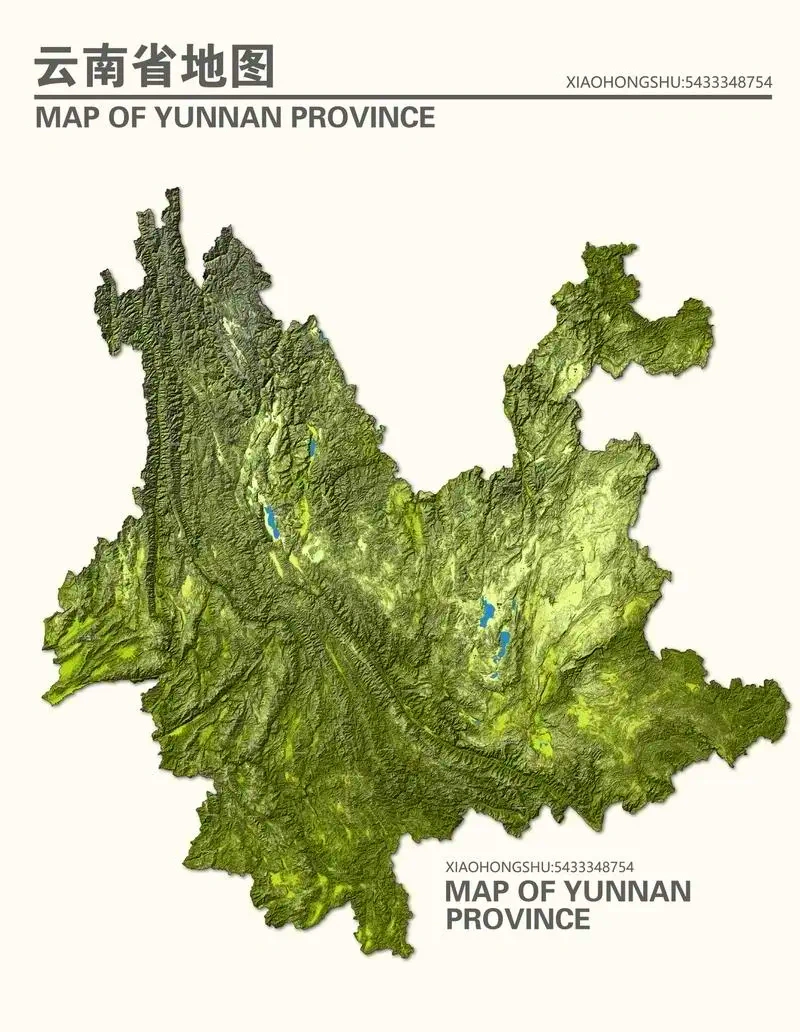
Yuxi lies on the western side of the Yunnan-Guizhou Plateau and has a remarkably varied climate because of its mountains, valleys, lakes and differences in elevation. The terrain generally rises toward the northwest and falls toward the southeast, with the Ailao Mountains dominating the western part of the region and Liangwang Mountain forming an important highland area in the north.
The elevation difference across Yuxi is exceptionally large. The highest parts of the Ailao Mountains reach more than 3,100 meters, while the Yuanjiang Valley descends to only a few hundred meters above sea level. This produces a pronounced vertical climate pattern in which cool mountain environments, mild plateau basins and hot dry valleys can occur within a relatively short distance.
The central urban area of Hongta is around 1,600 meters above sea level and provides a useful reference for general Yuxi weather. The city has a mild subtropical highland monsoon climate, with a clear distinction between the dry and rainy seasons. Generally, rainfall increases from late spring, reaches its strongest levels in summer, and gradually decreases during autumn. The period from approximately November through April is considerably drier and usually provides more stable conditions for sightseeing.
For travelers, the most important point is that Yuxi does not have one uniform climate. Weather in the Ailao Mountains can be several degrees cooler than in the urban basin, the Fuxian Lake area can feel cooler and windier because of the large body of water, while the Yuanjiang Valley can be dramatically hotter.
How Yuxi's Geography Shapes Its Climate
Large Elevation Differences Create a Vertical Climate
The most important factor controlling Yuxi's climate is elevation. As travelers move from the Yuanjiang Valley toward the Ailao Mountains, temperatures fall noticeably with increasing altitude.
The high mountain areas have cooler temperatures, greater cloud cover and more humid forest conditions. The middle elevations around the plateau basins have relatively mild weather, while the lower Yuanjiang Valley has a much warmer and drier environment.
This is why Yuxi can experience what travelers often describe as different seasons within the same region. A warm afternoon in a low valley may coincide with cool and misty conditions in a mountain forest.
Ailao Mountains and Liangwang Mountain Influence Rainfall and Temperature
The Ailao Mountains and Liangwang Mountain act as major geographical barriers. They influence the movement of cold air and the lifting of moist air masses, helping produce more rainfall in mountainous areas.
Mountain slopes exposed to moist air can receive substantial precipitation, while areas on the leeward side may experience a rain-shadow effect. The Yuanjiang Valley is one of the clearest examples, with its hot, dry conditions contrasting sharply with the cooler and wetter mountain environments nearby.
The mountains also protect some plateau basins from extreme winter cold. As a result, central Yuxi generally has mild winters compared with many higher-latitude inland regions.
Lakes Moderate Local Weather
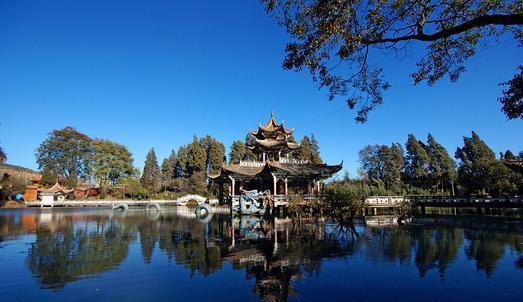
Yuxi's major highland lakes, including Fuxian Lake, Xingyun Lake and Qilu Lake, create important local climatic effects. Large water surfaces absorb and release heat more slowly than land, helping moderate temperature changes around the lake.
In summer, lake areas can feel cooler than inland urban areas, particularly when winds develop across the water. In winter, the water can moderate temperature changes, although lakeside visitors may still experience strong winds and lower wind-chill temperatures.
Morning mist can also develop around valleys, lakes and mountain slopes, creating some of Yuxi's most characteristic landscape conditions.
Low Latitude and Strong Ultraviolet Radiation
Yuxi is located at a relatively low latitude, while much of the region lies on an elevated plateau. The combination produces strong solar radiation.
Even when temperatures feel comfortable, sunlight can be intense. Travelers should therefore use sunscreen, sunglasses and a hat throughout the year, especially when hiking around lakes, mountains and exposed rural landscapes.
Yuxi Monthly Climate and Temperature Guide
The following table uses Hongta and the central Yuxi urban area as a general reference. Temperatures can be several degrees lower in high mountain areas and considerably higher in the Yuanjiang Valley. Local weather can also vary from one side of a mountain range to another.
| Month |
Avg. High °C |
Avg. Low °C |
Avg. Temperature °C |
Approx. Rainfall |
Typical Weather and Travel Conditions |
| January |
17.2 |
2.8 |
10.0 |
16 mm |
Dry and sunny; large day-night temperature difference; cold mornings in the mountains |
| February |
19.2 |
4.0 |
11.6 |
18 mm |
Dry season continues; temperatures gradually rise; generally clear weather |
| March |
22.9 |
6.7 |
14.8 |
19 mm |
Mild and dry; strong sunshine; spring flowers appear in many areas |
| April |
25.8 |
10.6 |
18.2 |
31 mm |
Warm and increasingly humid; rainfall begins to increase |
| May |
26.4 |
15.5 |
21.0 |
87 mm |
Transition toward the rainy season; showers become more frequent |
| June |
26.1 |
17.8 |
21.9 |
138 mm |
Rainy season becomes established; frequent afternoon showers |
| July |
25.8 |
17.8 |
21.8 |
178 mm |
One of the wettest periods; cloudy skies, mountain mist and lush vegetation |
| August |
26.1 |
17.1 |
21.6 |
186 mm |
Peak rainfall period; waterfalls are full and forests are exceptionally green |
| September |
24.8 |
16.0 |
20.4 |
108 mm |
Rainfall begins to decline; rice fields and mountain landscapes become attractive |
| October |
22.5 |
13.3 |
17.9 |
74 mm |
Transition toward the dry season; clearer skies and comfortable temperatures |
| November |
19.4 |
8.6 |
14.0 |
51 mm |
Drier weather becomes dominant; good conditions for mountain and cultural travel |
| December |
16.8 |
4.0 |
10.4 |
12 mm |
Dry, clear and cool; cold nights but pleasant daytime temperatures |
The figures above should be treated as climate reference values rather than daily weather forecasts. Ailao Mountain areas can be significantly colder, while the Yuanjiang Valley can be much warmer, particularly during the dry season.
Yuxi Weather by Season
Spring: March to May
Spring marks the transition from the dry season toward the rainy season. March and April are generally mild and relatively dry, while rainfall becomes noticeably more frequent in May.
Mountain flowers become an important feature of the landscape, and the Ailao Mountains gradually turn greener as moisture increases. The Yuanjiang Valley can already feel hot during the day, while Fuxian Lake often offers cooler conditions.
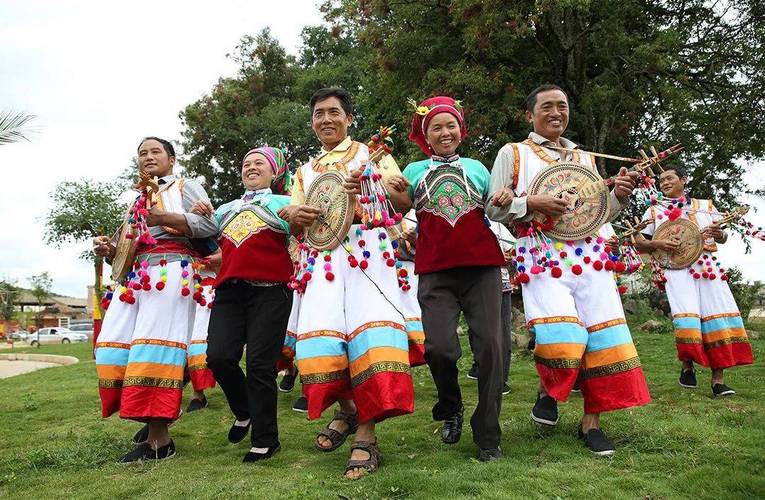
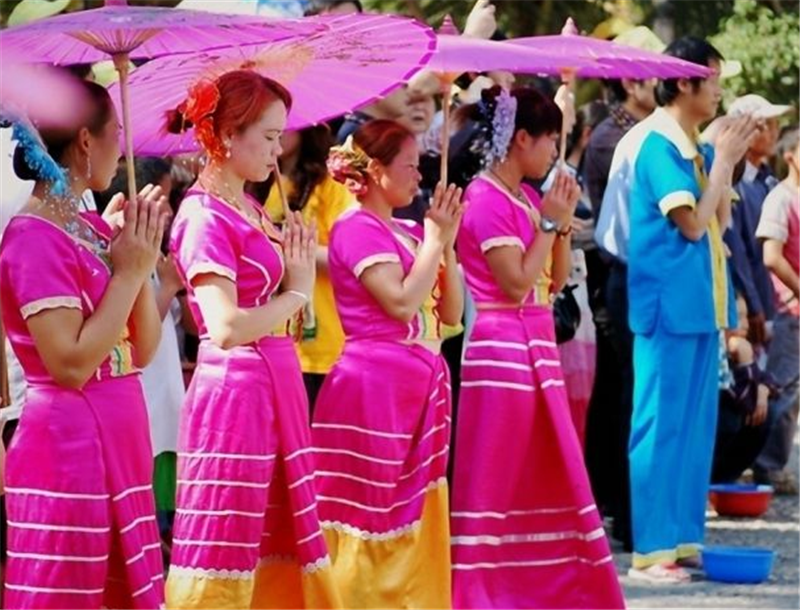
Spring is particularly attractive for travelers combining natural scenery with ethnic culture. Huayao Dai communities in Xinping, Yi villages around Eshan, Fuxian Lake and mountain landscapes can all be incorporated into a spring cultural journey.
The main practical issue is strong ultraviolet radiation. Light clothing may be comfortable during the day, but a thin jacket is useful in the early morning, evening and higher mountain areas.
Summer: June to August
Summer is the core rainy season. Temperatures in the central plateau areas remain moderate rather than extremely hot, but humidity and rainfall increase significantly.
The Ailao Mountains become exceptionally green, streams are full, waterfalls are at their most impressive, and forests are covered with dense vegetation. This is also a good period for travelers interested in the ecological side of Yuxi, including forests, waterfalls, wild plants and seasonal mountain food.
The main disadvantage is unstable mountain weather. Afternoon thunderstorms and heavy showers can develop quickly, while mountain roads can become slippery. Landslides, falling rocks and temporary road disruptions are possible during periods of heavy rain.
The high elevations of the Ailao Mountains can be pleasantly cool, making them useful for summer escapes. By contrast, the Yuanjiang Valley can become very hot and is less suitable for strenuous daytime hiking.
Autumn: September to October
September is still influenced by the rainy season, but precipitation gradually decreases. By October, the weather generally becomes clearer and drier.
The countryside takes on a distinctive harvest appearance. Rice fields turn golden, mountain villages become particularly photogenic, and the combination of clear air, lakes and agricultural landscapes creates excellent conditions for cultural and landscape photography.
Fuxian Lake, Tonghai's historic areas, Eshan's rural landscapes and the Ailao Mountain region are particularly attractive during this transition period.
September travelers should still prepare for rain, especially when entering mountain areas. October generally offers more stable conditions.
Winter: November to February
Winter is the dry season and is one of the most comfortable periods for exploring Yuxi. Rainfall decreases considerably, skies are often clearer, and daytime temperatures remain relatively mild in the central plateau areas.
The Ailao Mountains become especially attractive for cloud-sea and sunrise photography when weather conditions are suitable. Clear winter air can also provide good visibility around the highland lakes and mountain viewpoints.
The major feature of winter is the large difference between daytime and nighttime temperatures. The central city may feel pleasantly mild during the day while mountain viewpoints can become cold before sunrise.
The Yuanjiang Valley provides a warmer alternative and can be particularly appealing to travelers seeking a winter escape from colder climates.
Yuxi's Four Seasons and Scenic Differences
| Season |
Main Climate |
Landscape Highlights |
Best Travel Themes |
Main Considerations |
| Spring |
Dry to increasingly wet |
Flowers, green mountains, clear lakes |
Ethnic villages, flowers, cultural exploration |
Strong UV, increasing showers |
| Summer |
Warm and rainy |
Rainforests, waterfalls, streams |
Forests, waterfalls, summer escape, ecology |
Heavy rain, slippery mountain roads |
| Autumn |
Rainy to dry transition |
Golden rice fields, clear lakes, harvest landscapes |
Photography, rural culture, lakes |
September can still be wet |
| Winter |
Dry and clear |
Cloud seas, sunrise, blue lakes, clear skies |
Photography, ethnic villages, cultural tours |
Cold mornings and large temperature differences |
Best Time to Visit Yuxi
For most international travelers, November to April is the most reliable overall travel period. The weather is relatively dry, mountain roads are generally easier to manage, and clear skies provide favorable conditions for sightseeing, photography and cultural exploration.
November to February is particularly suitable for Ailao Mountain cloud-sea photography, highland lakes, historic towns and ethnic villages. The Yuanjiang Valley is also attractive during this period for travelers looking for warmer weather.
March to May is another excellent period, particularly for visitors interested in flowers, rural landscapes and ethnic minority culture. Spring cultural activities and traditional festivals can add an additional dimension to a Yuxi journey, although festival dates should be checked before departure because they may follow local or traditional calendars.
September and October are good alternatives for travelers interested in agricultural landscapes and photography. October is generally more stable than September as rainfall decreases.
June to August is best suited to travelers who enjoy green mountain landscapes, waterfalls, forests and cooler highland conditions. It is less suitable for visitors who want consistently dry weather or extensive mountain-road travel.
Best Travel Seasons by Region
Because of the large geographical differences within Yuxi, the best season depends partly on where you are going.
Ailao Mountains
The Ailao Mountains are especially attractive from late autumn through spring for clear mountain views, sunrise and cloud-sea photography. During the rainy season, the forests are greener and waterfalls are fuller, but mountain roads require greater caution.
Fuxian Lake and the Highland Lake Region
The lake region is suitable for much of the year. Spring and autumn offer comfortable temperatures and relatively clear scenery, while summer provides opportunities for lakeside recreation. Winter can be exceptionally clear, although strong winds may make the lakeshore feel colder than the temperature suggests.
Yuanjiang Valley
The Yuanjiang Valley is significantly warmer than central Yuxi and can be especially appealing during the cooler months. Summer heat can be intense, so outdoor activities are better suited to early morning or later afternoon during the hottest periods.
Xinping and Huayao Dai Villages
The Xinping area works particularly well in spring and during the drier months when village exploration and mountain travel are easier. Cultural travelers should check local festival dates if they specifically want to experience traditional Huayao Dai celebrations.
Eshan and Yi Cultural Areas
Eshan can be visited throughout the year, but the dry season is generally more convenient for rural village exploration. Summer festival periods can be culturally rewarding, although rain should be expected.
Tonghai and Historic Cultural Areas
Tonghai's historic streets, traditional settlements and lakeside landscapes are relatively flexible year-round. Spring, autumn and the clearer winter months are particularly comfortable for walking and cultural sightseeing.
Yuxi Travel Routes by Season
Dry-Season Lake, Mountain and Ethnic Culture Route
From approximately November to April, a broad cultural landscape route can combine Hongta, Huaning, Fuxian Lake, the Ailao Mountains and Xinping. The focus can include traditional pottery, highland lakes, mountain scenery, cloud seas and Huayao Dai villages.
This is one of the strongest seasonal combinations for international travelers who want to experience both natural and ethnic cultural landscapes without dealing with frequent heavy rain.
Summer Forest and Waterfall Route
From June to August, the Ailao Mountains and surrounding forest areas become particularly lush. Shimen Gorge, Nan'en Waterfall and Mopanshan are suitable themes for travelers interested in forests, waterfalls and summer mountain scenery.
Mountain activities are better started earlier in the day because afternoon rain is common. Flexible arrangements are preferable during periods of unstable weather.
Autumn Harvest and Rural Landscape Route
September and October are well suited to combining Tonghai's historic areas, Eshan's Yi villages, Fuxian Lake and agricultural landscapes.
The focus during this period is less on peak-season attractions and more on clear lakes, mountain villages, golden rice fields and rural photography.
What to Wear in Yuxi by Season
Spring Clothing: March to May
Light long-sleeved shirts, T-shirts and long trousers are suitable for most daytime conditions. A lightweight fleece or windbreaker is useful around lakes and in the mountains, particularly early in the morning.
Because UV radiation is strong, travelers should carry sunscreen, sunglasses and a sun hat. Comfortable walking shoes are recommended for village visits and uneven rural paths.
Summer Clothing: June to August
Quick-drying shirts and long trousers are practical in the rainy season. Long trousers are useful not only for changing temperatures but also for protection from insects and vegetation on forest trails.
A lightweight waterproof jacket is more practical than relying solely on an umbrella when hiking. Non-slip walking or hiking shoes are strongly recommended because paths can become muddy and slippery after rain. Mosquito repellent is useful in forest and valley environments.
Autumn Clothing: September to October
Light long-sleeved shirts and trousers are generally appropriate during the day. A fleece or lightweight windbreaker can be useful during mornings and evenings.
Because September can still be wet, travelers should carry compact rain protection. In humid mountain areas, quick-drying clothing is preferable because clothes may take longer to dry.
Winter Clothing: November to February
Daytime conditions in the central urban area can often be comfortable with long sleeves and a light sweater. However, early-morning mountain excursions require significantly warmer clothing.
For sunrise or cloud-sea photography in the Ailao Mountains, a fleece layer and lightweight down jacket are recommended. Lakeside areas can also be windy, so a wind-resistant outer layer is useful.
Practical Weather and Travel Tips
The most important rule for traveling through Yuxi is to dress according to elevation rather than simply according to the month. A traveler may leave a warm valley in the morning and arrive in a cool mountain environment later the same day.
The Fuxian Lake area can feel cooler than the central basin because of wind across the water. Mountain areas can be several degrees colder than the city, while the Yuanjiang Valley can be dramatically warmer.
Travelers visiting ethnic minority villages should ask permission before photographing residents, traditional clothing or intangible cultural heritage practitioners. Religious objects and ritual areas should be treated respectfully and should not be handled or photographed without permission.
Mountain roads require particular care during the rainy season. Check road and weather conditions before entering remote Ailao Mountain areas, avoid entering unstable mountain roads during heavy rain, and avoid unnecessary night driving in remote mountainous areas.
Mobile phone coverage can be weaker in some mountain valleys and remote villages. Downloading offline maps before leaving the main urban areas is recommended.
During the dry season, forest-fire prevention is particularly important. Open fires should never be used in forest areas.
Because Fuxian Lake, Ailao Mountain, Yuanjiang and other destinations are geographically spread across Yuxi, travelers planning a deeper regional journey will generally find private vehicles, self-driving or a customized private tour more practical than relying entirely on public transportation.
Yuxi Climate and Travel Experience Throughout the Year
Yuxi's greatest climatic advantage is its diversity. The central plateau areas remain relatively mild, the high mountains provide cool forest environments, the lakes create their own local microclimates, and the Yuanjiang Valley offers a much warmer subtropical landscape.
For travelers primarily interested in clear weather, ethnic villages, cultural heritage, lakes and mountain photography, November through April is generally the strongest period. March through May adds spring flowers and cultural activities, while September and October offer excellent rural and harvest landscapes.
For rainforest scenery, waterfalls and summer mountain escapes, June through August can be rewarding despite the higher rainfall. The trade-off is less predictable mountain weather and greater road and hiking risks.
There is therefore no single month that is perfect for every part of Yuxi. The best travel season depends on whether the priority is highland lakes, Ailao Mountain scenery, ethnic minority culture, rural photography, summer forests or the warm Yuanjiang Valley.