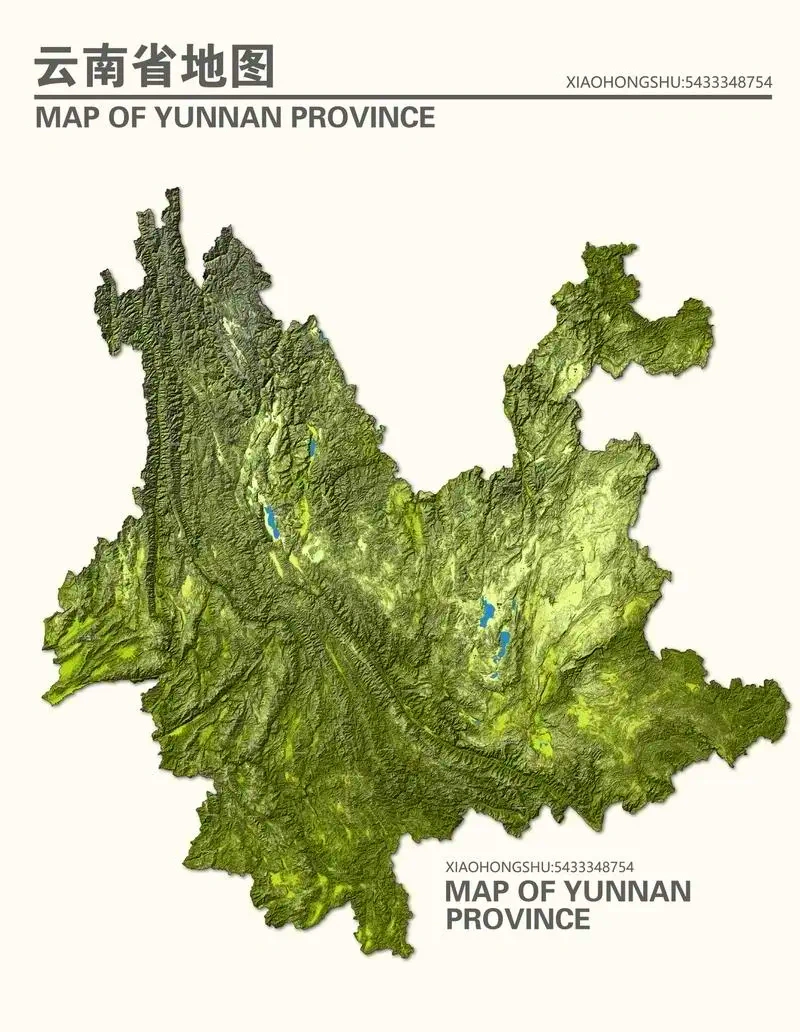
Ludian County(鲁甸县) is located in northeastern Yunnan and is one of the areas where Han, Hui, Yi, and Miao communities have lived together for generations. Its food culture combines highland Yunnan cuisine, northeastern Yunnan home cooking, Sichuan-influenced flavors, Hui halal cuisine, rural agricultural dishes, and seasonal fruit-based food experiences.
The county’s restaurant resources are concentrated mainly in Wenping Subdistrict(文屏街道), the central urban area, and Taoyuan Hui Ethnic Township(桃源回族乡), the most important Hui cultural and halal-food area. Other townships, including Xiaozhai Town(小寨镇), Longtoushan Town(龙头山镇), and Suoshan Town(梭山镇), mainly feature small local restaurants, farmhouse restaurants, and seasonal rural dining establishments.
For international visitors, Wenping Subdistrict(文屏街道) is the most convenient area for restaurants, especially for organized groups and Muslim travelers who need reliable halal dining. Taoyuan Hui Ethnic Township(桃源回族乡) provides a more distinctive cultural experience, where visitors can combine Hui village visits, traditional food, halal farmhouse meals, and local food customs. In the mountain townships, restaurant facilities are simpler, and halal options can be limited, so advance planning is recommended for larger groups.
Ludian’s food culture is particularly notable for the interaction between Hui halal cuisine and local highland food traditions. Beef jerky, roast lamb, glutinous rice cakes, oil-flavored pastries, halal noodle dishes, local barbecue, buckwheat foods, bean jelly, pork dishes, potatoes, and seasonal agricultural products together create a varied local food landscape.
Restaurant Recommendations by Area
Wenping Subdistrict – Main Restaurant Area of Ludian County
Wenping Subdistrict(文屏街道) is the main dining center of Ludian County and the most practical base for international visitors. Business restaurants, local family-style restaurants, halal restaurants, hotpot restaurants, barbecue shops, noodle shops, and street-food businesses are concentrated around the county center.
For organized groups, Yindu Restaurant(银都食府) is a reference option for larger halal Chinese meals and group dining. It is particularly suitable when a tour group needs a relatively organized table-meal environment.
For local Yunnan-style and northeastern Yunnan home cooking, Furongtai Restaurant(福荣泰饭庄) represents the type of local restaurant where visitors can experience everyday regional dishes. It is not a halal restaurant, so Muslim visitors should confirm ingredients and cooking arrangements before ordering.
For hotpot, barbecue, and evening dining, the Baojian Road(保健路) restaurant area has a concentration of hotpot and dinner businesses, including halal options. This makes the area useful for groups looking for convenient evening meals.
The old-city streets around Xizheng Street(西正街) and Liangmao Street(粮贸街) are more suitable for exploring everyday local food culture. Small noodle shops, bean-jelly shops, breakfast businesses, traditional snacks, and neighborhood restaurants provide a more authentic view of local eating habits than formal restaurants.
Taoyuan Hui Ethnic Township – Ludian’s Hui Food Culture Center
Taoyuan Hui Ethnic Township(桃源回族乡) is the most important area for experiencing Ludian’s Hui ethnic food culture and halal cuisine. Hui communities, mosques, farmhouse restaurants, and local food businesses are distributed around the township.
Youjiawan Summer Resort Farm(尤家湾避暑农庄) is a representative type of rural halal dining establishment, with dishes such as Wumeng-style halal whole roasted lamb and oil-finished beef jerky. Farmhouse banquets provide an opportunity to experience Hui hospitality and local rural dining customs.
The area around Tuogu Mosque(拖姑清真寺) also contains Hui residential communities and small family-style dining establishments. With advance arrangements, visitors may experience traditional foods such as glutinous rice cakes and Youxiang(油香), a traditional fried food associated with Hui Muslim communities and festive occasions.
Taoyuan is better suited to small and medium-sized cultural groups than very large groups. For groups of more than 30 people, the county center generally offers easier restaurant coordination and more stable dining capacity, while Taoyuan can be arranged as a focused cultural-food experience.
Xiaozhai Town – Cherry and Rural Food Area
Xiaozhai Town(小寨镇) is closely associated with cherry cultivation and rural tourism. During the spring cherry season, farmhouse restaurants around the agricultural tourism area become more active.
Typical rural dishes include old pork-leg hotpot, pea rice, seasonal mountain vegetables, potatoes, and other farmhouse dishes. The food experience here is closely connected with agricultural tourism rather than formal restaurant dining.
Xiaozhai has relatively limited halal restaurant resources. Muslim travelers should therefore confirm their dining arrangements in advance and, when necessary, return to Wenping or Taoyuan for a reliable halal meal.
Longtoushan Town and Suoshan Town – Mountain Farmhouse Dining
Longtoushan Town(龙头山镇) and Suoshan Town(梭山镇) mainly feature small-town restaurants and farmhouse-style dining. Local dishes often emphasize mountain ingredients, cured meats, potatoes, vegetables, and simple home-style cooking.
These areas are suitable for visitors interested in rural food culture and mountain lifestyles, but restaurant facilities are generally more limited than those in the county center. For large international groups, especially groups requiring halal meals, advance restaurant confirmation is recommended.
Muslim and Hui Food Culture in Ludian
Halal Dining in Ludian County
Ludian is an important Hui cultural area in northeastern Yunnan, and halal food is one of the county’s most distinctive culinary traditions.
Halal restaurants and Hui food businesses are concentrated mainly in Wenping Subdistrict(文屏街道) and Taoyuan Hui Ethnic Township(桃源回族乡). Visitors can find halal Chinese dishes, beef and mutton dishes, hotpot, barbecue, noodles, farmhouse banquets, and traditional Hui snacks.
For Muslim international travelers, it is advisable to clearly communicate dietary requirements before ordering. In smaller rural restaurants, visitors should not assume that a restaurant is halal simply because it serves beef or mutton. Confirming halal preparation, ingredients, cooking utensils, and cross-contact arrangements is particularly important for travelers with strict dietary requirements.
Ludian Beef Jerky – A Signature Hui Food
Ludian Beef Jerky(鲁甸牛干巴) is one of the most recognizable foods associated with the county’s Hui communities. Traditionally, highland beef is salted and air-dried to create a concentrated savory flavor.
It is commonly served during family meals, festive occasions, and traditional banquets. The production process also provides an interesting window into Hui food preservation traditions and rural livestock culture.
For visitors interested in food heritage, the most meaningful experience is not simply tasting beef jerky but learning how local households select beef, season it, cure it, dry it, store it, and serve it.
Wumeng Halal Whole Roasted Lamb
Wumeng Halal Whole Roasted Lamb(乌蒙清真烤全羊) is a large-format dish associated with rural halal banquets and festive gatherings.
The dish is particularly suitable for group dining because the preparation, roasting, presentation, and communal sharing form part of the dining experience. Advance reservation is recommended because whole roasted lamb is not necessarily available as a spontaneous individual order at every restaurant.
Hui Glutinous Rice Cake
Hui Glutinous Rice Cake(回族糯米粑粑) is a traditional local snack made mainly from glutinous rice and often filled with brown sugar and other ingredients.
Its soft texture and sweet filling make it suitable as a snack or tea-time food. For visitors, learning how the rice is prepared, ground, shaped, filled, and cooked can be more interesting than simply tasting the finished product.
Youxiang
Youxiang(油香) is a traditional Hui fried pastry commonly associated with religious and festive occasions. It may be encountered around important Hui celebrations and family gatherings.
Because it has religious and cultural associations, visitors should treat the food as part of a living cultural tradition rather than simply as a commercial snack.
Other Hui and Halal Foods
Other foods that visitors may encounter include halal lamb soup, halal beef and mutton hotpot, halal Zhaotong-style barbecue, and halal beef or mutton rice noodles.
For Muslim travelers, these dishes provide an accessible introduction to the relationship between Hui food traditions and the broader culinary culture of northeastern Yunnan.
Ludian County Food Streets and Night Markets
Taiyanghu Lakeside Night Market
The area around Taiyanghu Park(太阳湖公园) is one of the better-known evening leisure and food areas in the county. Food stalls, barbecue, snacks, and casual dining become more active in the evening.
Visitors can sample Zhaotong-style small barbecue, fried potatoes, noodles, bean jelly, and other local snacks while experiencing the everyday evening atmosphere of Ludian.
The lakeside environment also makes this area suitable for a relaxed evening food walk rather than a formal cultural tour.
Liangmao Street and Xizheng Street Old-City Food Area
The streets around Liangmao Street(粮贸街) and Xizheng Street(西正街) offer a more traditional urban food experience.
Breakfast shops, noodle restaurants, bean-jelly vendors, small snack businesses, and local neighborhood restaurants provide a useful introduction to Ludian’s everyday eating culture. This area is particularly suitable for morning food exploration and street photography.
Baojian Road Restaurant Area
Baojian Road(保健路) is a modern restaurant concentration area where visitors can find hotpot, Chinese restaurants, barbecue, and several halal dining options.
For international groups staying in the county center, this area is practical for organized dinner arrangements.
Taoyuan Hui Township Food Market Area
The market streets of Taoyuan Hui Ethnic Township(桃源回族乡) provide a more rural and community-oriented food experience.
The food scene is more active during market days and festivals, when local residents gather to purchase agricultural products, snacks, meat, and household goods. It is an interesting place for visitors who want to observe the connection between Hui community life, rural markets, food production, and local commerce.
Xiaozhai Town Seasonal Food Area
The food businesses around Xiaozhai Town(小寨镇) become particularly active during cherry season. Farmhouse restaurants and temporary agricultural-tourism dining facilities provide visitors with an opportunity to combine fruit picking with local rural meals.
This is primarily a seasonal rural food experience, rather than a permanent food street.
Representative Local Foods of Ludian
Ludian Buckwheat Noodle Soup
Ludian Buckwheat Noodle Soup(鲁甸荞面汤) is based on locally familiar highland buckwheat. Buckwheat flour is processed into noodles and served with a seasoned soup or sauce.
The dish reflects the importance of grain-based foods in mountain communities and is especially suitable for visitors interested in traditional highland diets.
Bean Jelly
Ludian Bean Jelly(鲁甸凉粉) is a popular local snack with a soft texture and a savory, sour, and spicy flavor profile.
The jelly is sliced or shredded and combined with seasonings, sauces, herbs, and other ingredients. It is commonly found in local streets and small food shops and is one of the easiest foods for visitors to try during a casual walk through the county center.
Old Pork-Leg Hotpot
Old Pork-Leg Hotpot(老猪脚火锅) is particularly associated with rural dining around Xiaozhai.
The pork leg is usually prepared in a farmhouse style and cooked as a hotpot with vegetables and other ingredients. It is a substantial communal dish that fits well with agricultural tourism and countryside dining.
Pea Rice
Pea Rice(豌豆焖饭) combines fresh peas and rice and is a simple seasonal farmhouse dish.
It reflects the agricultural character of Ludian and is especially enjoyable during the spring agricultural season when fresh local vegetables and peas are available.
Food Culture Tour with Yaso Trip
Hui Food Heritage and Rural Dining Experience
A Hui Food Culture Tour can focus on Taoyuan Hui Ethnic Township(桃源回族乡), combining traditional Hui communities, Tuogu Mosque(拖姑清真寺), local halal food, beef jerky, glutinous rice cakes, and farmhouse banquet culture.
The emphasis should be on understanding food as part of community life. Visitors can learn about traditional preservation techniques, festive foods, halal dietary principles, and the relationship between food and family gatherings.
Old-City Street Food Experience
A Ludian Old-City Food Tour can focus on Liangmao Street(粮贸街) and Xizheng Street(西正街), where visitors can explore breakfast foods, noodles, bean jelly, local snacks, and neighborhood restaurants.
An evening visit to the Taiyanghu Park(太阳湖公园) area can then introduce the local night-market atmosphere and Zhaotong-style barbecue.
Cherry and Rural Food Experience
During the spring agricultural season, Xiaozhai Town(小寨镇) offers a combination of cherry orchards, rural scenery, farmhouse meals, and seasonal agricultural products.
Visitors can experience cherry cultivation, taste seasonal produce, and enjoy traditional countryside dishes such as pea rice and farmhouse hotpot.
Practical Food Travel Guide for International Visitors
Dining Arrangements for Large Groups
For international groups of more than 30 people, Wenping Subdistrict(文屏街道) is generally the most practical dining base because restaurant capacity and transportation are easier to coordinate.
For a Hui cultural food experience, advance arrangements should be made with a farmhouse restaurant in Taoyuan Hui Ethnic Township(桃源回族乡). Large banquet-style meals such as whole roasted lamb require particularly careful advance reservation.
Dining Arrangements for Small Groups
Small groups of approximately 10–20 people have greater flexibility. They can combine old-city street food, a county-center restaurant, a Taoyuan Hui food experience, and an evening visit to the lakeside night-market area.
For Muslim travelers, it is still advisable to confirm halal requirements before each meal, particularly when moving outside the county center.
Spring Food Travel
March to May is particularly suitable for combining rural food tourism with the cherry season. Xiaozhai offers agricultural scenery, cherry-related experiences, farmhouse meals, and seasonal vegetables.
This period is also suitable for visitors interested in the relationship between highland agriculture and local food culture.
Summer Food Travel
June to August is suitable for evening dining and night-market experiences. The county-center restaurant areas and Taiyanghu Park(太阳湖公园) are convenient places for evening meals, barbecue, cold noodles, bean jelly, and other summer foods.
Autumn Food Travel
September to November is suitable for exploring traditional meat-preservation and rural food traditions. Visitors interested in Hui cuisine may learn about the preparation and preservation of beef jerky, subject to local arrangements and seasonal availability.
Winter Food Travel
December to February is a good period for warm communal dishes such as halal hotpot, lamb soup, beef dishes, and farmhouse stews.
Because temperatures can be low in the highland areas, visitors staying in the county center will find indoor restaurants more comfortable and convenient.
Recommended Food Culture Travel Areas
| Area |
Main Food Experience |
Halal Options |
Best For |
| Wenping Subdistrict(文屏街道) |
Local restaurants, halal food, hotpot, barbecue, street snacks |
Strongest |
International groups and general dining |
| Taoyuan Hui Ethnic Township(桃源回族乡) |
Hui cuisine, beef jerky, roast lamb, traditional snacks, farmhouse banquets |
Strong |
Hui cultural and halal food experiences |
| Xiaozhai Town(小寨镇) |
Cherries, farmhouse food, pork-leg hotpot, pea rice |
Limited |
Spring rural food tourism |
| Longtoushan Town(龙头山镇) |
Mountain farmhouse dishes, cured meat, potatoes |
Limited |
Mountain food culture |
| Suoshan Town(梭山镇) |
Rural home cooking, mountain ingredients |
Limited |
Countryside food experiences |
| Liangmao Street(粮贸街) |
Noodles, bean jelly, breakfast and traditional snacks |
Varies |
Old-city street food |
| Xizheng Street(西正街) |
Local snacks and neighborhood food |
Varies |
Everyday local food culture |
| Taiyanghu Park(太阳湖公园) |
Barbecue, snacks, evening food stalls |
Some halal stalls |
Night food and leisure |
| Baojian Road(保健路) |
Hotpot, Chinese restaurants, barbecue |
Several halal options |
Group dinners |
Food Culture and Dining Tips
Ludian’s food culture is shaped by its geographical location and its long history of interaction among different communities. Local food combines highland agricultural ingredients, northeastern Yunnan flavors, Sichuan-influenced spicy tastes, Hui halal traditions, and rural farmhouse cooking.
For international visitors, food is particularly useful as a way to understand the cultural diversity of the county. A meal in the county center can introduce everyday Ludian cuisine, while a visit to Taoyuan can reveal the distinctive food traditions of Hui communities.
Muslim travelers should pay particular attention to halal certification or local confirmation rather than relying only on the presence of beef or mutton on a menu. When visiting mosques or participating in Hui cultural activities, visitors should also respect local religious customs and avoid photographing private religious activities without permission.
In rural areas, restaurant opening hours and available dishes may depend on season, market days, weather, and group reservations. Advance confirmation is recommended for international groups, especially when halal meals, whole roasted lamb, farmhouse banquets, or food-making experiences are required.
Food Culture Tour with Yaso Trip – Ludian County
Ludian County(鲁甸县) offers a distinctive food tourism experience based on the combination of Hui halal cuisine, highland agricultural food, northeastern Yunnan flavors, rural farmhouse cooking, and traditional street food.
For international visitors, the most distinctive food experience is the combination of Taoyuan Hui food culture, Ludian beef jerky, traditional Hui snacks, county-center street food, and Xiaozhai seasonal agricultural cuisine.
The most practical approach is to use Wenping Subdistrict(文屏街道) as the main dining and accommodation base, then travel to Taoyuan Hui Ethnic Township(桃源回族乡) for deeper Hui food and cultural experiences. During spring, Xiaozhai Town(小寨镇) can be added for cherry and rural agricultural food experiences.
The old streets, markets, restaurants, farmhouse kitchens, halal dining establishments, and seasonal agricultural areas together create a food culture landscape that is more closely connected with everyday life than conventional tourist restaurants. Through Food Culture Tour with Yaso Trip, visitors can experience Ludian not only through what they eat, but also through the communities, agricultural traditions, religious customs, preservation techniques, markets, and family dining culture behind the food.