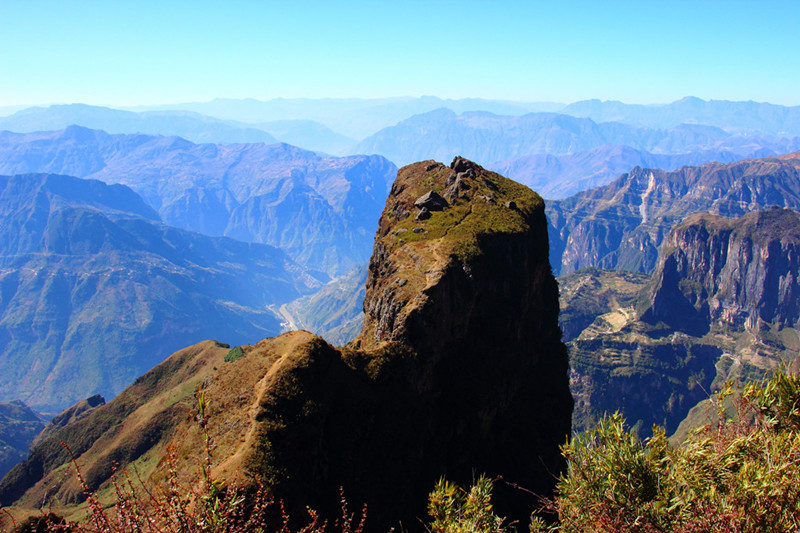
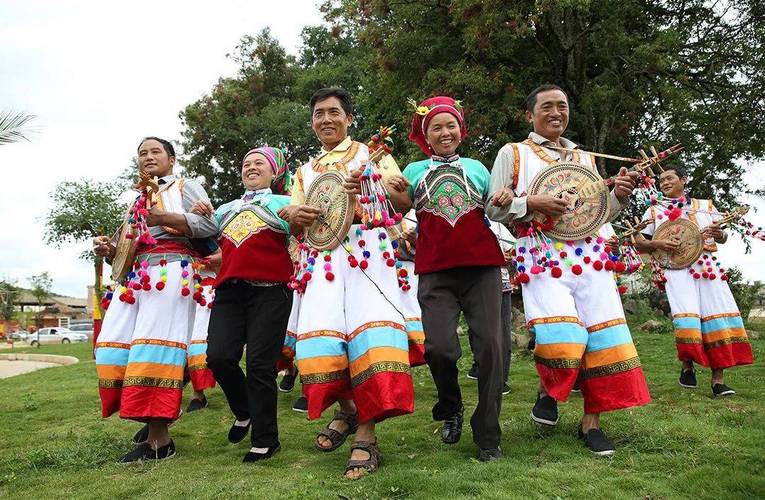
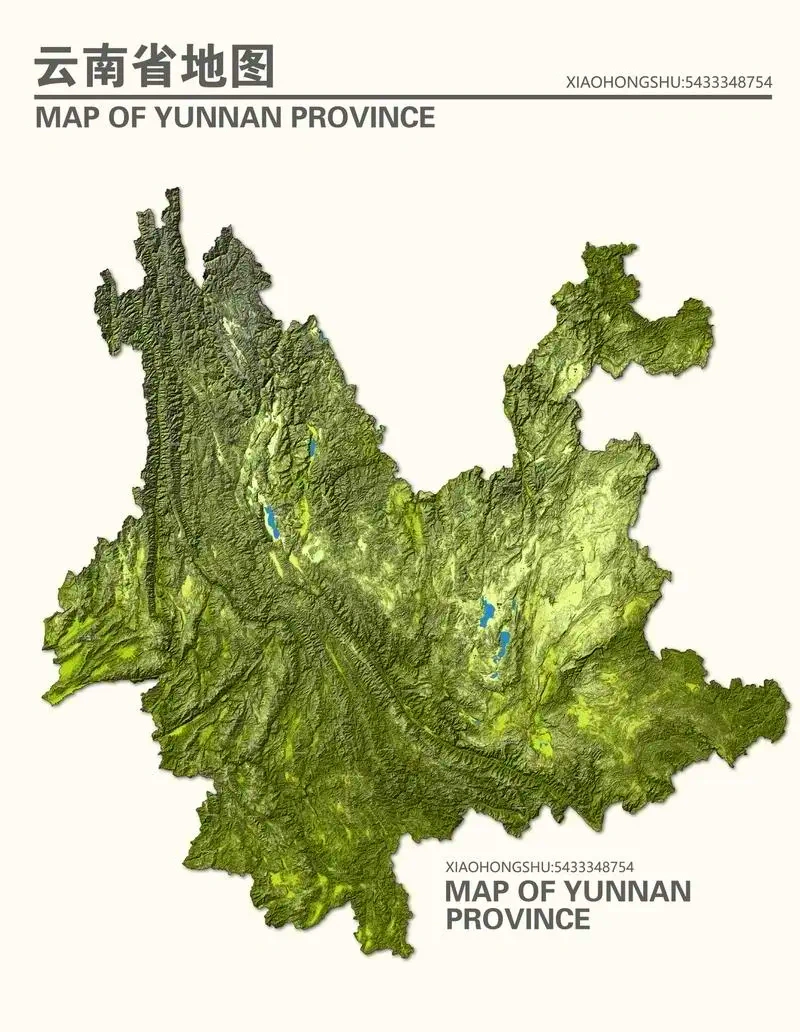
Located in the northeastern part of Yunnan Province (云南省), Zhaotong City (昭通市) is a mountainous destination in the Wumeng Mountains (乌蒙山区) with a unique combination of plateau wetlands, deep valleys, ancient roads, forests, historical sites, and ethnic minority cultures. As an important gateway connecting Yunnan with Sichuan and the middle and lower reaches of the Yangtze River, Zhaotong has developed a distinctive tourism character based on highland landscapes, canyon scenery, traditional villages, and regional agricultural culture.
Unlike highly concentrated tourist destinations, Zhaotong tourism is characterized by scattered attractions across different counties. Travelers need to consider travel time, transportation conditions, altitude changes, and seasonal weather when designing a route. The most suitable travel style is slow exploration rather than rushing through many destinations in a short period.
The main tourism themes of Zhaotong can be divided into four categories: plateau wetland and natural scenery, canyon landscapes and ancient cultural routes, mountain forest ecological tourism, and ethnic minority villages and local lifestyle experiences.
How to Plan a Zhaotong Tour
When planning a Zhaotong travel itinerary, visitors should first decide the travel duration and preferred travel theme. Because the city covers a large mountainous area, different counties are separated by long driving distances.
For a short trip of around 5–7 days, travelers can focus on the central and western highlights, including Zhaoyang District (昭阳区), Dashanbao (大山包), Daguan County (大关县), and Yanjin County (盐津县). This route combines plateau wetlands, waterfalls, canyon scenery, and ancient road culture.
For a deeper exploration of approximately 8–12 days, travelers can extend the journey to Yiliang County (彝良县), Weixin County (威信县), and Zhenxiong County (镇雄县) to experience the deeper landscapes and rural culture of the Wumeng Mountains.
The best travel plan should avoid trying to visit every county in one trip. Mountain roads require additional travel time, and weather conditions can affect transportation.
Best Time to Visit Zhaotong
Zhaotong weather is strongly influenced by its plateau and mountainous terrain. The city has a mild summer climate, cool highland areas, and noticeable seasonal changes.
| Season |
Weather Features |
Recommended Travel Experience |
| Spring (March–May) |
Mild temperatures but frequent mountain rain |
Flower viewing, countryside scenery, cultural exploration |
| Summer (June–August) |
Cool plateau climate, green mountains and grasslands |
Highland landscapes, waterfalls, hiking, escaping summer heat |
| Autumn (September–November) |
Clear weather, colorful forests, harvest season |
Photography, forest scenery, local agricultural experiences |
| Winter (December–February) |
Cold mountain climate, dry conditions |
Dashanbao (大山包) black-necked crane viewing |
The most famous seasonal attraction is the winter migration period of black-necked cranes at Dashanbao Black-necked Crane Nature Reserve (大山包黑颈鹤自然保护区). From late autumn to early spring, the wetland becomes one of the most important bird-watching destinations in southwestern China.
Travelers should remember that even during summer, high-altitude areas may become cold in the morning and evening. Warm jackets, rain protection, and sun protection are recommended.
Recommended Zhaotong Travel Routes
Plateau Wetland and Canyon Nature Route
Zhaoyang District (昭阳区) → Dashanbao (大山包) → Daguan County (大关县)
This route is ideal for travelers interested in mountain scenery and ecological landscapes. The journey combines highland grasslands, wetlands, dramatic valleys, and waterfall scenery.
The highlight is Dashanbao Black-necked Crane Nature Reserve (大山包黑颈鹤自然保护区), famous for its alpine wetland environment and winter bird migration. Nearby Jigong Mountain (鸡公山) provides spectacular views of cliffs, clouds, and highland landscapes.
Continuing to Huanglianhe Scenic Area (黄连河景区) in Daguan introduces visitors to waterfalls, forests, and canyon scenery. This route is suitable for nature photography, outdoor sightseeing, and slow-paced mountain travel.
Ancient Road and Canyon Culture Route
Yanjin County (盐津县) → Dou Sha Guan (豆沙关) → Xiaocaoba (小草坝)
This route focuses on history, ancient transportation routes, and forest landscapes.
Doushaguan Scenic Area (豆沙关景区) preserves important historical traces of the ancient southern Silk Road. Visitors can explore Wuchi Ancient Road (五尺道), which reflects the long history of transportation and cultural exchange between southwest China and surrounding regions.
The journey continues toward Xiaocaoba Scenic Area (小草坝景区), known for forests, mountain scenery, and autumn colors. Due to the mountainous terrain, driving time should be planned carefully.
Eastern Wumeng Mountain Cultural Route
Weixin County (威信县) → Zhenxiong County (镇雄县)
The eastern part of Zhaotong offers deeper mountain landscapes and traditional rural culture. The area features scattered villages, mountain scenery, and historical resources.
This region is suitable for travelers who prefer less commercialized destinations and want to experience local lifestyles. Because county distances are large, private transportation or charter services are more convenient.
Zhaotong Grand Mountain Loop Route
A complete Zhaotong exploration route can combine:
Western Plateau Wetlands + Southern Canyon Areas + Eastern Mountain Villages
A full regional journey usually requires around 10–12 days. Visitors should spend several days in each area rather than driving long distances every day.
Transportation Guide: How to Get to Zhaotong
Getting to Zhaotong by Air
Zhaotong Airport (昭通机场) provides air connections with several domestic destinations. It is a convenient option for travelers arriving from major cities in China.
After arrival, visitors can connect with taxis, local transportation, or charter services to reach surrounding attractions.
Getting to Zhaotong by Train
Rail transportation connects Zhaotong with major cities including Kunming (昆明) and Chongqing (重庆).
High-speed railway services have improved accessibility, making Zhaotong easier to combine with wider Yunnan and southwest China travel routes.
Getting to Zhaotong by Road
Road travel remains one of the most practical ways to explore the region. National and provincial highways connect Zhaotong with surrounding areas.
However, many scenic areas are located in mountainous regions. Roads may include steep slopes, sharp turns, foggy sections, and occasional landslide risks during rainy seasons.
For travelers visiting multiple counties, self-driving or professional charter services provide greater flexibility.
Local Transportation and Travel Around Zhaotong
Public transportation mainly connects county centers, while remote scenic areas often have limited bus frequency.
For major attractions such as Dashanbao (大山包), Huanglianhe Scenic Area (黄连河景区), and mountain villages, private vehicles or chartered cars are more efficient.
Travelers should allow extra time because mountain roads make distances longer than they appear on maps.
Where to Stay in Zhaotong
Accommodation in Zhaotong City Center
Zhaoyang District (昭阳区) is the most convenient accommodation area. It offers the widest range of hotels, restaurants, shopping facilities, and transportation connections.
For travelers using Zhaotong as a base for exploring nearby attractions, staying in the city center provides better comfort and flexibility.
County Hotels and Mountain Guesthouses
County towns mainly provide small and medium-sized hotels. Facilities are generally simple but practical.
Highland destinations such as Dashanbao (大山包) mainly offer local guesthouses and farmhouse accommodations. Facilities may be limited, especially during peak seasons.
Visitors staying in mountain areas should confirm heating, hot water, and arrival arrangements in advance.
Zhaotong Food Guide
Zhaotong cuisine reflects the flavors of northeastern Yunnan and nearby Sichuan and Guizhou culinary influences. Local dishes often feature spicy flavors, mountain ingredients, and traditional preparation methods.
Popular local foods include:
| Food |
English Description |
| Zhaotong Small Meat Skewers (昭通小肉串) |
Local-style grilled meat with rich seasoning |
| Yiliang Gastrodia Chicken (彝良天麻鸡) |
Chicken soup prepared with locally produced gastrodia |
| Pea Jelly with Rice Noodles (稀豆粉) |
Traditional Yunnan breakfast dish |
| Potato Rice (洋芋焖饭) |
Mountain-style rice dish with potatoes |
| Oil Cake and Rice Cake (油糕饵块) |
Traditional local snacks |
Visitors can explore local restaurants and night markets in the urban area. In remote mountain villages, food choices are more limited.
Zhaotong Shopping and Souvenirs
Zhaotong offers regional products connected with agriculture, handicrafts, and mountain resources.
Recommended souvenirs include:
| Product |
Features |
| Zhaotong Red Fuji Apple (昭通红富士苹果) |
Famous local agricultural product |
| Xiaocaoba Gastrodia (小草坝天麻) |
Traditional mountain medicinal product |
| Small Bowl Brown Sugar (小碗红糖) |
Traditional regional specialty |
| Zhaotong Sauce (昭通酱) |
Local fermented seasoning |
| Wax Printing Crafts (蜡染) |
Traditional ethnic handicraft |
For better prices and more choices, visitors are advised to purchase products in city markets rather than only at scenic-area shops.
Top Attractions in Zhaotong
Natural Landscapes and Ecological Attractions
| Attraction |
English Name |
Location |
Feature |
| 大山包黑颈鹤自然保护区 |
Dashanbao Black-necked Crane Nature Reserve |
Zhaoyang District |
Highland wetland and bird watching |
| 鸡公山 |
Jigong Mountain |
Dashanbao Area |
Canyon cliffs and mountain views |
| 黄连河景区 |
Huanglianhe Scenic Area |
Daguan County |
Waterfalls and forest landscapes |
| 小草坝景区 |
Xiaocaoba Scenic Area |
Yiliang County |
Forest scenery and autumn colors |
| 西部大峡谷 |
West Grand Canyon |
Zhaotong Area |
Canyon landscape and hot springs |
| 豆沙关景区 |
Doushaguan Scenic Area |
Yanjin County |
Ancient road culture |
Historical and Cultural Attractions
| Attraction |
English Name |
Feature |
| 昭通古城 |
Zhaotong Old Town |
Traditional urban culture |
| 望海楼 |
Wanghailou Tower |
Historical architecture |
| 龙氏家祠 |
Long Family Ancestral Temple |
Traditional clan architecture |
| 扎西会议纪念馆 |
Memorial Hall of Zhaxi Conference |
Modern historical site |
| 僰人悬棺遗址 |
Bo People Cliff Coffins |
Ancient cultural heritage |
Important Zhaotong Travel Tips
Weather and Altitude Safety
Some high-altitude areas, especially Dashanbao (大山包), exceed 3,000 meters above sea level. Visitors should avoid intense activities immediately after arrival.
Mountain weather changes quickly. Even in summer, warm clothing is necessary.
Mountain Road Safety
Zhaotong’s mountainous terrain means many roads have curves and steep sections. During rainy or foggy weather, drivers should slow down and check road conditions.
Do not climb over safety barriers when visiting cliffs, valleys, or viewpoints.
Respect Local Culture
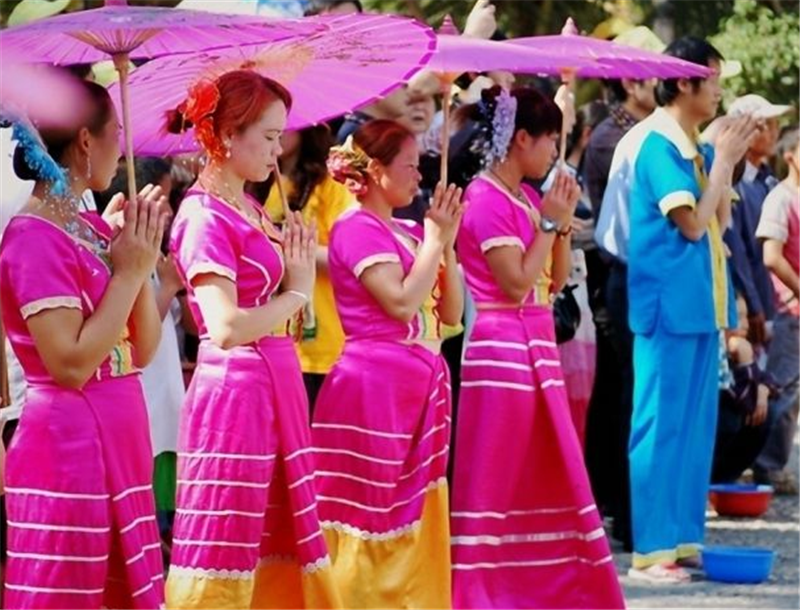
Zhaotong is home to multiple ethnic communities, including Yi and Miao communities. Visitors should respect local customs when entering villages, attending local events, or photographing residents.
Travel Preparation
Because some mountain areas have unstable mobile signals, travelers should prepare:
- Offline maps
- Rain protection equipment
- Comfortable hiking shoes
- Basic medicine
- Motion sickness medicine
Zhaotong Travel Experience with Yaso Trip
Zhaotong Tour Planning with Yaso Trip focuses on discovering the unique mountain character of northeastern Yunnan. The destination combines highland wetlands, ancient roads, deep valleys, forests, agricultural landscapes, and ethnic minority cultures.
A well-planned Zhaotong tour should emphasize regional exploration rather than fast sightseeing. Visitors can experience the winter migration of black-necked cranes, dramatic Wumeng Mountain landscapes, historical routes of ancient transportation, and authentic local food culture.
With flexible route planning, suitable transportation arrangements, and respect for local traditions, Zhaotong offers travelers a distinctive journey into the natural and cultural landscapes of southwest China.