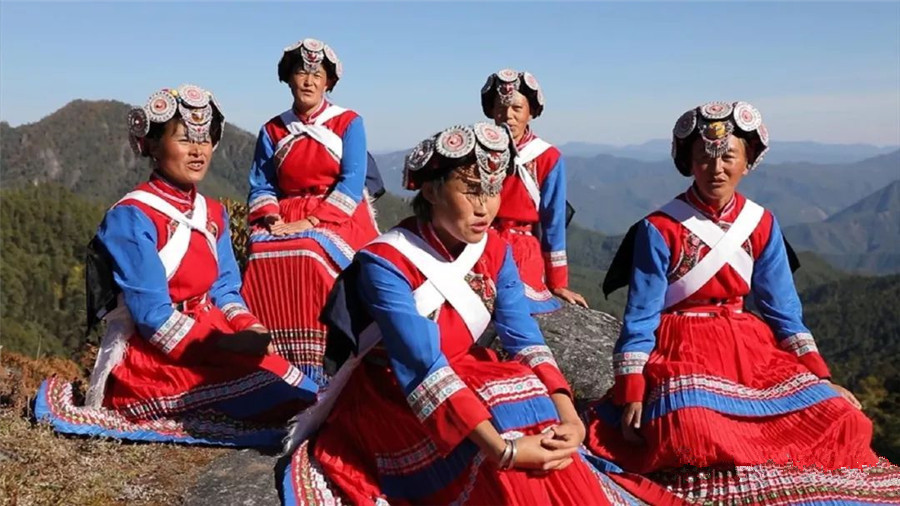
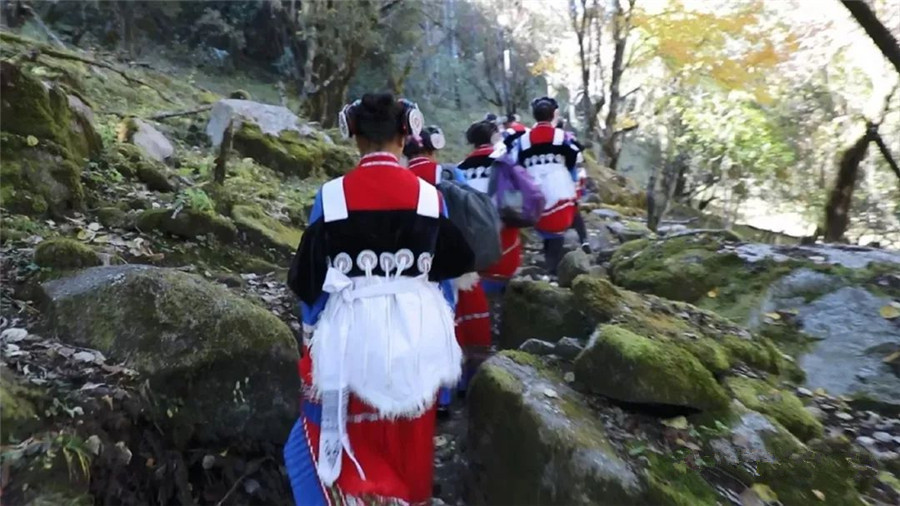
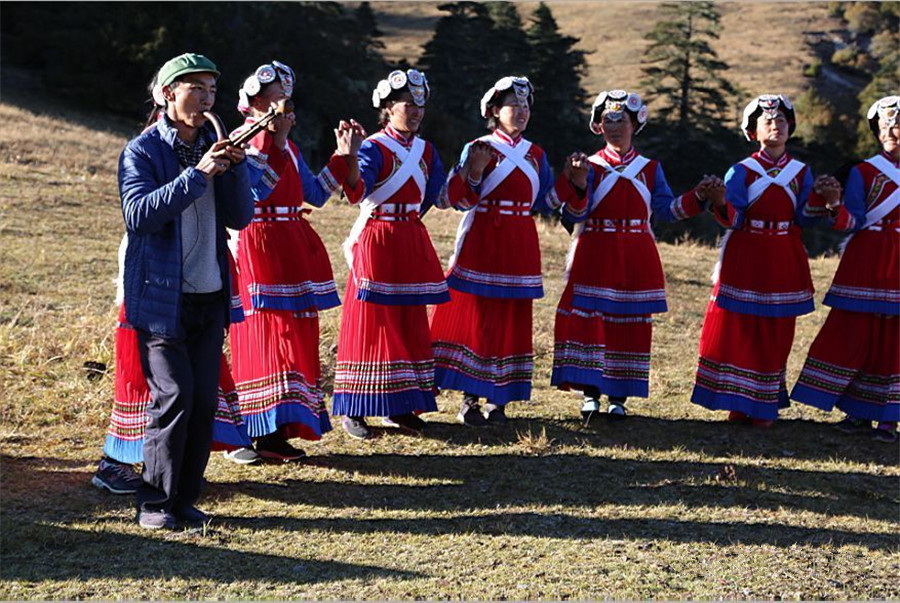
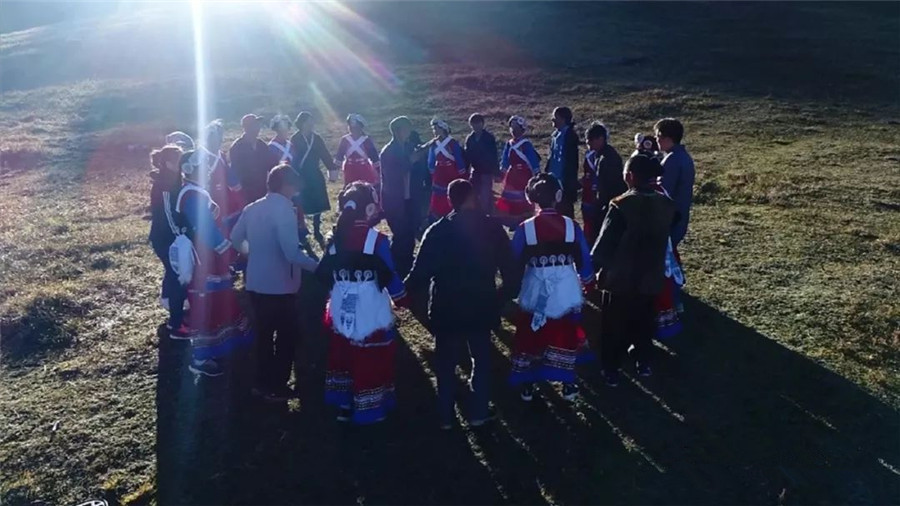
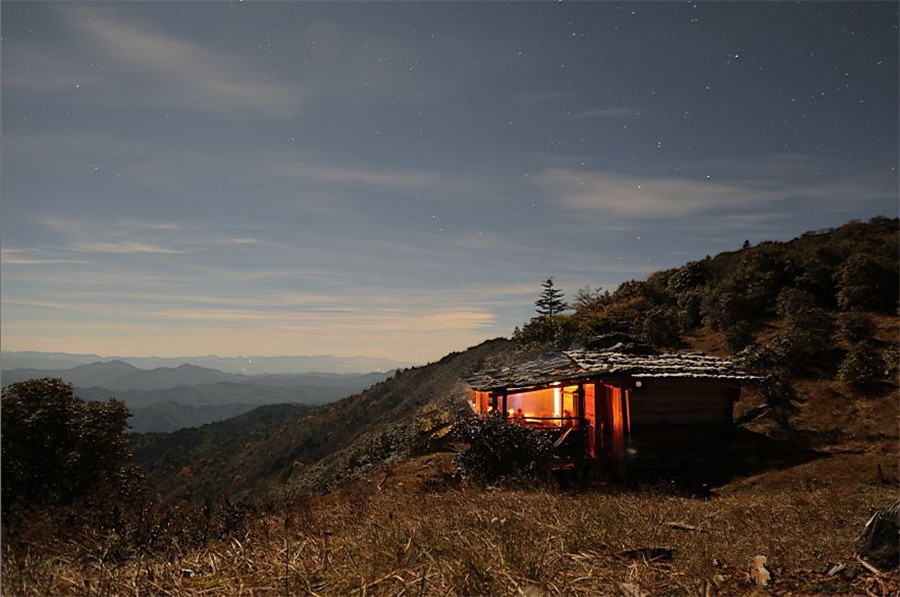
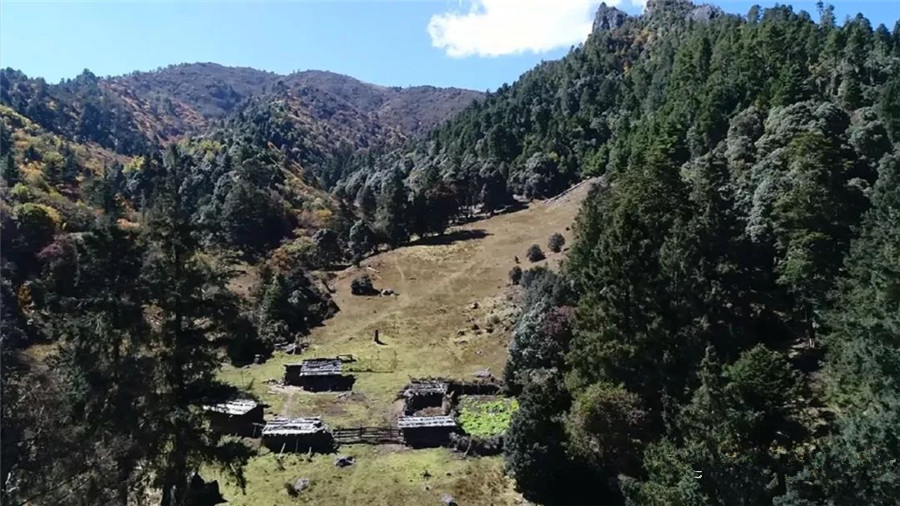
Shitou Bai Ethnic Town (石头白族乡) is located in the western part of Yulong Naxi Autonomous County (玉龙纳西族自治县), Lijiang City (丽江市), Yunnan Province (云南省). The town borders Jiuhua Bai Ethnic Town (九河白族乡) and Shigu Town (石鼓镇) to the east and north, respectively. To the south, it neighbors Yangcen Township (羊岑乡) in Jianchuan County (剑川县), Dali Bai Autonomous Prefecture (大理白族自治州), while to the west, it connects with Tongdian Township (通甸乡) and Hexi Township (河西乡) in Lanping County (兰坪县), Nujiang Lisu Autonomous Prefecture (怒江傈僳族自治州). Covering a total area of 569.3 square kilometers, Shitou Bai Ethnic Town had a population of 9,522 by the end of 2019.
History
-
Yuan and Ming Dynasties: The area was part of Lijiang Road Military and Civilian Governor’s Office in Jujin Prefecture (丽江路军民总管府巨津州).
-
Qing Dynasty: It was under the administration of Shigu Bridgehead (石鼓桥头约).
-
Republic of China: During this period, it belonged to Xixiangge Township (西香阁乡) in Lijiang County (丽江县).
-
Post-1949: It became part of the Lijiang Government Committee in July 1949, with administrative changes throughout the years, eventually becoming Shitou Bai Ethnic Township in the first half of 1988.
Administrative Divisions
By June 2020, Shitou Bai Ethnic Town was composed of 5 administrative villages:
-
Shitou Village (石头村)
-
Taohua Village (桃花村)
-
Lijia Village (利苴村)
-
Sihua Village (四华村)
-
Lanxiang Village (兰香村)
Each village was subdivided into various smaller village groups, with a total of 63 groups.
Government Seat
The government office of Shitou Bai Ethnic Town is located in the Shitou Village (石头村), specifically in the Chestnut Village (板栗村) village group.
Geography and Climate
Location and Terrain
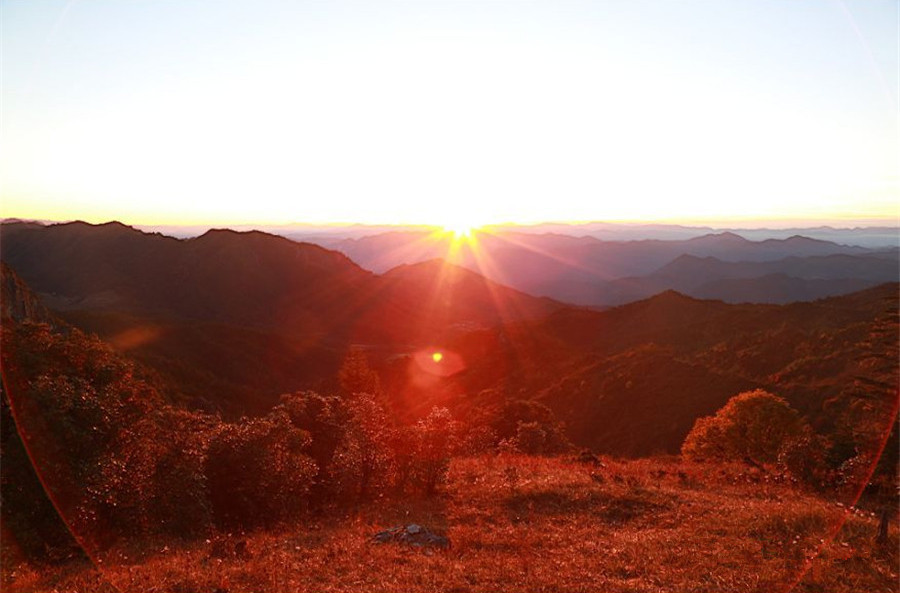
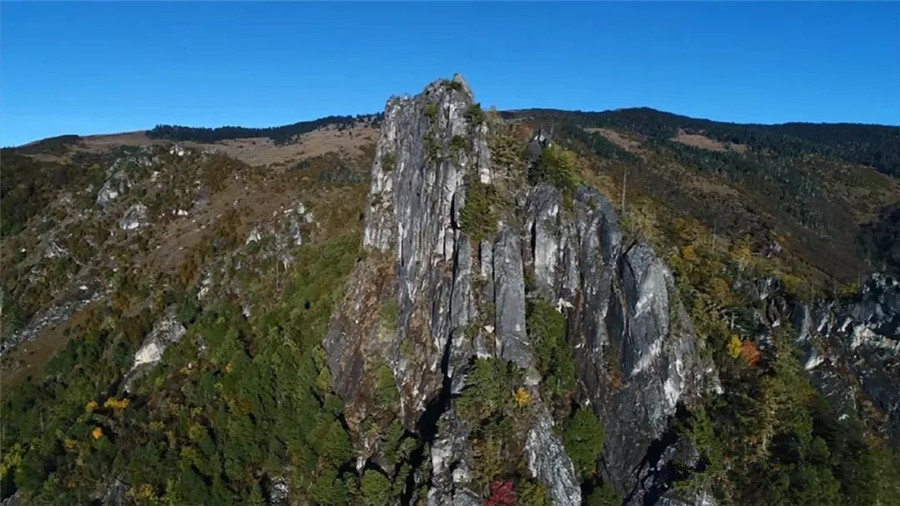
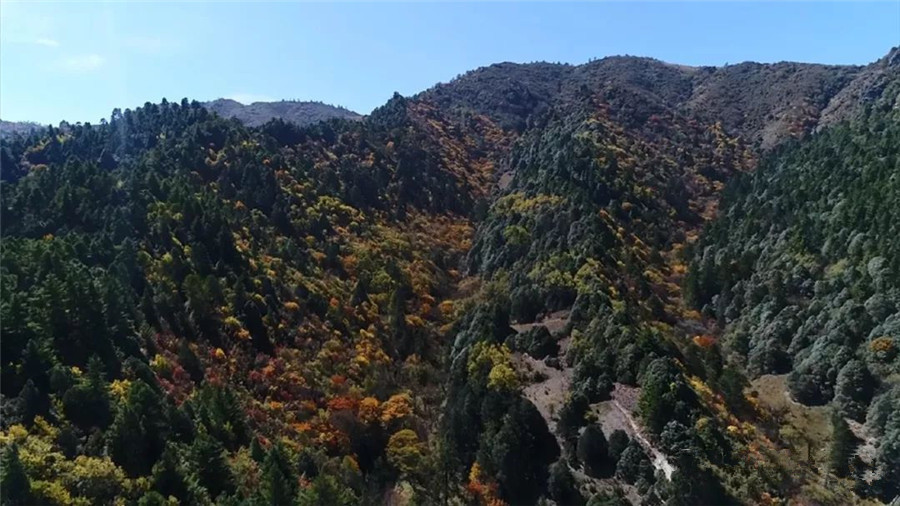
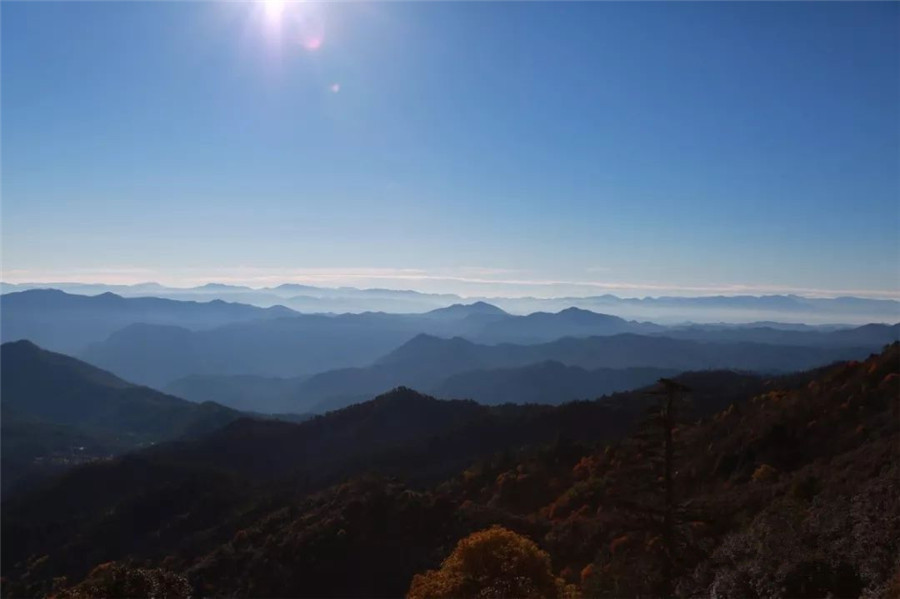
Shitou Bai Ethnic Town is situated on the southeastern foothills of Laojun Mountain (老君山), with a general trend of higher elevations in the west and lower in the east. The terrain is divided into mountainous, semi-mountainous, and river valley areas. The highest peak in the region is Laojun Mountain Golden Silk Jade Peak (老君山金丝玉峰), which rises to an altitude of 4,402 meters, while the lowest point is in Baijia Village (白家村) at 1,895 meters above sea level.
Climate
Shitou Bai Ethnic Town has a subtropical plateau humid river valley climate. The climate is characterized by distinct seasons, with:
-
Spring: Dry with little rain
-
Summer: Hot with frequent rainfall
-
Autumn: Cool
-
Winter: Cold with occasional snow
The average annual temperature is 14.8°C. The average temperature in January is 7.19°C, and in July, it is 20.69°C. The town experiences a total annual rainfall of 920.3 millimeters.
Hydrology
The largest river in the region is the Chongjiang River (冲江河), which flows from Lao Jun Mountain through the town, covering a distance of 51.5 kilometers. The total drainage area of the river is 988 square kilometers, and the annual runoff volume is approximately 458 million cubic meters.
Population and Demographics
As of 2019, Shitou Bai Ethnic Town had a total population of 9,522 residents, with the following breakdown:
-
Bai Ethnic Group: 41%
-
Lisu Ethnic Group: 33.5%
-
Naxi Ethnic Group: 17.5%
-
Pumi Ethnic Group: 3.7%
The population density is approximately 16.1 people per square kilometer.
Economy
Agriculture
Agriculture plays a central role in the economy of Shitou Bai Ethnic Town. In 2011, the town's agricultural production value was 46.09 million yuan, with 52% of the town’s total GDP coming from agriculture. Key agricultural activities include:
-
Cereal crops: Corn, wheat, and rice
-
Economic crops: Tobacco, potatoes, oilseed rape, white kidney beans, medicinal herbs
-
Livestock farming: Pigs, cattle, sheep, and poultry
Commercial and Industrial Development
The town's commercial sector includes 58 retail outlets, and the total retail sales reached 16 million yuan in 2011.
The telecommunications industry also contributed to the local economy, with an annual revenue of 2.53 million yuan from the telecom business in 2011.
Transport
Shitou Bai Ethnic Town is well-connected with 100 kilometers of rural roads that provide full access to the town. In 2011, the transportation sector recorded the following figures:
-
Passenger transport: 80,000 people transported
-
Freight transport: 100,000 tons of goods
Social Services
Education
Education is a priority in Shitou Bai Ethnic Town, with significant investment in local schools. In 2011, educational funds totaled 5.3 million yuan. The town has:
-
5 primary schools, with 565 students
-
1 middle school, with 305 students
-
100% enrollment rate for eligible children at both the primary and secondary levels
Healthcare
The town's healthcare system includes 6 medical institutions, including a township-level health center and 5 village health clinics. The health sector had 13 professional healthcare workers in 2011. The New Rural Cooperative Medical System enrollment rate was 98%.
Sports
Shitou Bai Ethnic Town promotes physical activity, with 12 basketball courts available for the community. By the end of 2011, 15% of the population engaged regularly in physical activities.
Cultural and Historical Heritage
Name Origin
The town’s name, Shitou Bai Ethnic Town, derives from the granite stone peaks found in the area.
Scenic Attractions
The town is located within the core area of the Three Parallel Rivers (三江并流) World Natural Heritage Site. Prominent scenic spots include:
-
Laojun Mountain (老君山): Famous for its 99 Dragon Pools (九十九龙潭) and the Golden Silk Factory Area (金丝厂片区)
-
Lijia (利苴): Known for its Yunnan Golden Monkey Protection Area (滇金丝猴保护区)
-
Baiya Temple (白崖寺): A key religious site in the region
-
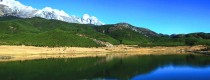
Chongjiang River (冲江河): Renowned for its picturesque riverside views and agricultural landscapes
Festivals and Customs
Shitou Bai Ethnic Town celebrates several traditional festivals and customs:
-
Spring Festival (年节): The primary festival of the Bai people
-
Torch Festival (火把节): A vibrant celebration of the Bai culture
-
Dragon Boat Festival (端午节): A festival marked by boat races and community gatherings
The Bai people also celebrate their unique wedding customs, where individuals can freely choose their partners. Their funeral practices include traditional earth burials, reflecting the deep respect they hold for their ancestors.