7 Days GolfingTour
 8 Days Group Tour
 8 Days Yunnan Tour
 7 Days Shangri La Hiking
 11 Days Yunnan Tour
 6 Days Yuanyang Terraces
 11 Days Yunnan Tour
 8 Days South Yunnan
 7 Days Tea Tour
 8 Days Muslim Tour
 12 Days Self-Driving
 4 Days Haba Climbing
 Tiger Leaping Gorge
 Stone Forest
 Yunnan-Tibet
 Hani Rice Terraces
 Kunming
 Lijiang
 Shangri-la
 Dali
Dali
 XishuangBanna
 Honghe
 Kunming
 Lijiang
 Shangri-la
 Yuanyang Rice Terraces
 Nujiang
 XishuangBanna
 Spring City Golf
 Snow Mountain Golf
 Stone Mountain Golf


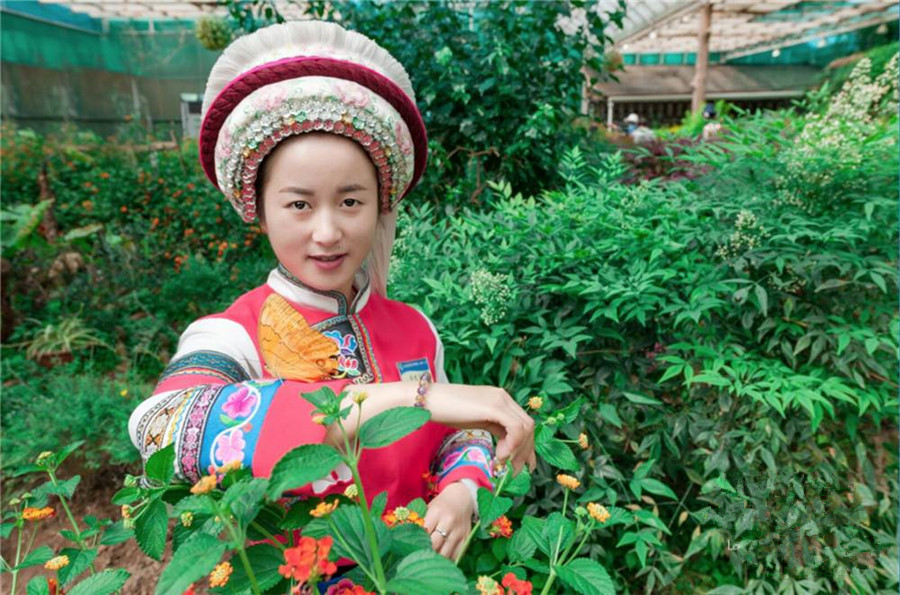





Tea Culture
Chinese tea culture refers to how tea is prepared as well as the occasions when people consume tea in China. Tea-drinking is a constituent part of Chinese culture and was popular in ancient China as tea was regarded as one of the seven daily necessities, the others being firewood, rice, oil, salt, soy sauce, and vinegar.
History of Chinese Tea Culture
Tea originates from China, in which planting tea and drinking tea have lasted for thousands of years. As a national drink of China, tea originates from Shennong ( patron of agriculture), becomes famous at the time of Duke Zhoulu, and flourishes in Tang Dynasty and prevails in Song Dynasty. In the long process of history, Chinese people have made significant contributions to the cultivation, drinking, appliance of the tea, as well as the formation and development of the tea culture in human civilization.
Chinese tea culture has formed its shape between Wei and Jin Dynasties, and the period of Nanbeichao, and has prevailed in Tang and Song Dynasties. Tea culture is the total material and spiritual fortune created by human beings in the history of society, which includes the history, poems, sonnets, ceremonies, arts, cultivation and manufacturing of tea with tea ceremony and arts as its core.
Tea Ceremony
In China, when a guest comes to visit you, the etiquette of making a tea and offering a tea is essential because it is Chinese tradition to entertain the guests with tea and to offer guests with tea instead of wine. From the emperors, military or political leaders and literati to porters, hawkers and common people, tea serve as a gift and hobby as well. Tea culture has soaked into every aspect of Chinese life, which has linked with marriage, God-worshipping, religion, singing and dancing, operas, arts and novels. Hence, tea has become the carrier of Chinese traditional culture and arts.
The Chinese tea ceremony contains the wisdom of oriental philosophy. Furthermore, Chinese tea ceremony reflects the central idea of Taoism, Confucian and Buddhism it’s a combination of philosophy and life style. Through the whole set of ceremony——making tea, appreciating tea, smelling tea, enjoying tea, friendship is increased, virtue is cultivated, traditional virtues etiquette are learned. The ceremony can refresh mind and clear thoughts. The spirit of tea ceremony is the core of tea culture and the spirit is represented by Taoism.
“Three-Course Tea”Ceremony in Yunnan
Three-Course Tea Ceremony (San Dao Cha 三道茶) is kind of tea custom of Bai people. It is a traditional regional tea ceremony consisting of three unique tea flavors: the host begins by presenting a bitter tea which stands for the hardships in life, then, a sweet tea of sesame and walnut symbolic of happiness in life, finally, a bitter, sweet, and spicy tea symbolic of pondering life.
Tea Houses in Yunnan
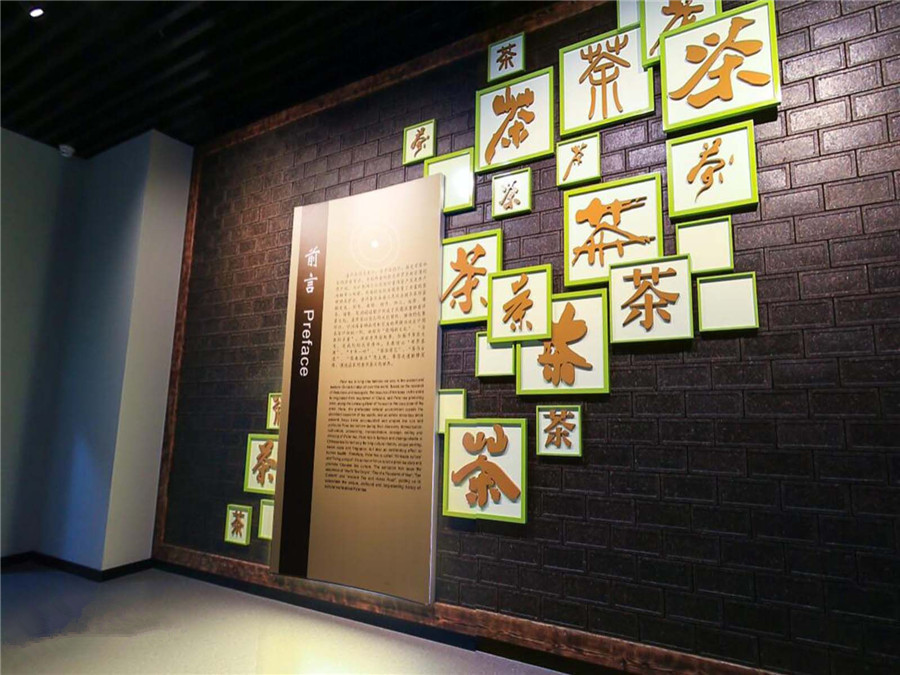
Ancient Chinese scholars used the teahouse as a place for sharing ideas. The teahouse is not only a minor by-product of Chinese tea culture; it offers historical evidence of Chinese tea history. When you travel to Yunnan for tea culture exploration, tea houses are good places to appreciate the tea collections, tea ceremony and the tea cultural atmosphere, as well as tasting teas.
The Ancient Tea Horse Road
The Tea Horse Road now generally referred to as the Ancient Tea Horse Road was a network of trading routes linking the tea producing areas of Yunnan (mainly concentrated in the southeast of the province in Pu’er 普洱 and Xishuangbanna 西双版纳) and Sichuan 四川 (around the area known as Ya’an 雅安) with the tea-consuming regions across China, but in particular with Tibet. It is also sometimes referred to as the Southern Silk Road. The route extended to Bengal in South Asia. While modernization undermined this historic route’s commercial significance, the Tea and Horse Caravan Road is now attracting attention due to the growth of tourism in southwest China.
Tea Mountain Villages in Yunnan
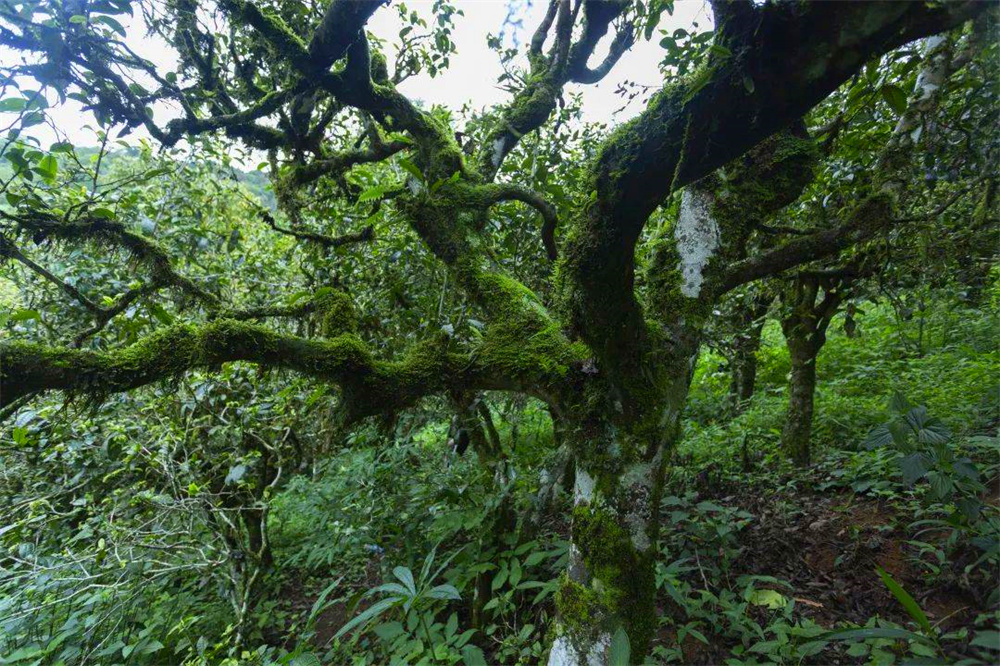
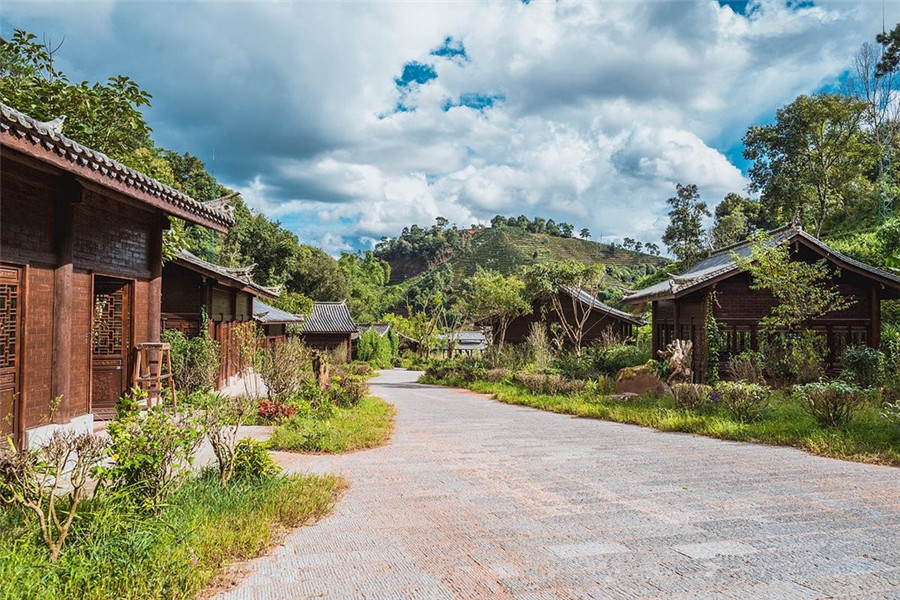
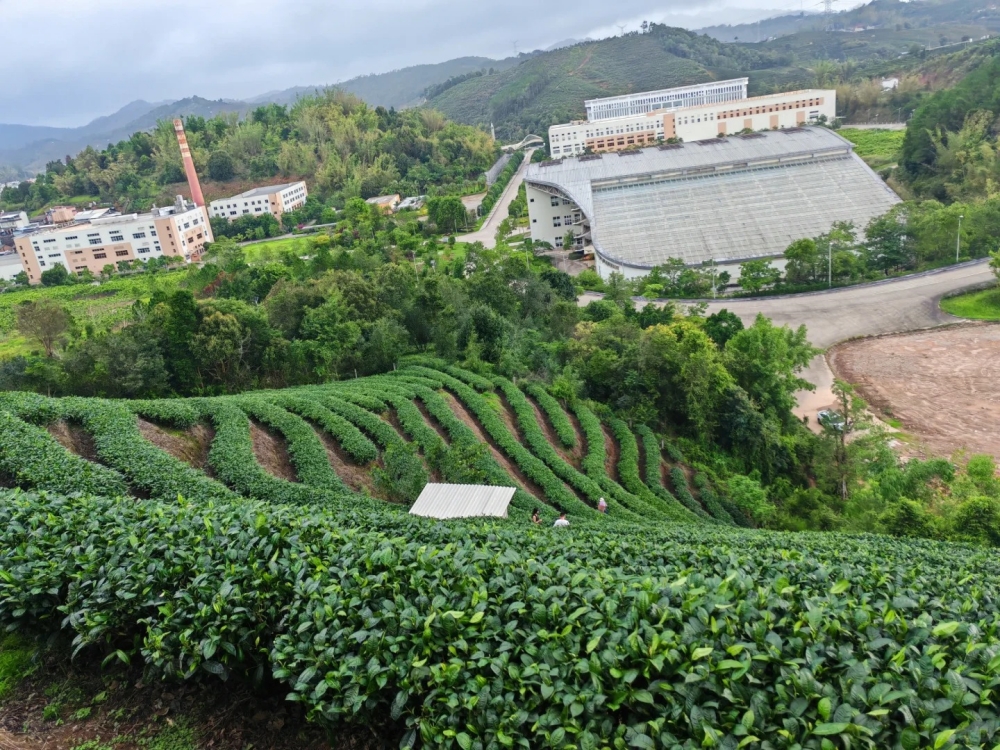
In recent years, tea mountain villages become an indispensable part of Puer tea culture tours, tourists can not only experience the tea culture but also discover the ethnic culture of the minorities living in the villages. The tea mountain villages are usually located near the tea plantations and tea mountains. Over more than one thousand years, native people have built a close and friendly interaction with the ancient tea plantations based on discovery, cultivation and utilization of tea, thus forming a charming mountain settlement landscape and rich regional ethnic culture.
Tea Festivals in Yunnan
- King of Tea Tree Festival
- China International Puer Tea Festival
- Ancient Tea Horse Road Festival
- Shankang Tea Primogenitor Festival
- China Lincang (Fengqing) Black Tea Festival
- Worship of Tea Ancestor Festival of Bulang
- Yunnan-Sichuan Tea Culture Tourism Festival
- Tea-leaves Picking Festival of Wuliang Mountain
- Tea Primogenitor Festival of Kunlu Tea Mountain
- Nakeli Tea Horse Road Rural Culture Tourism Festival
- Wenshan Tea and Bamboo Shoots Folk Culture Festival
Yunnan Tea Culture Exploration
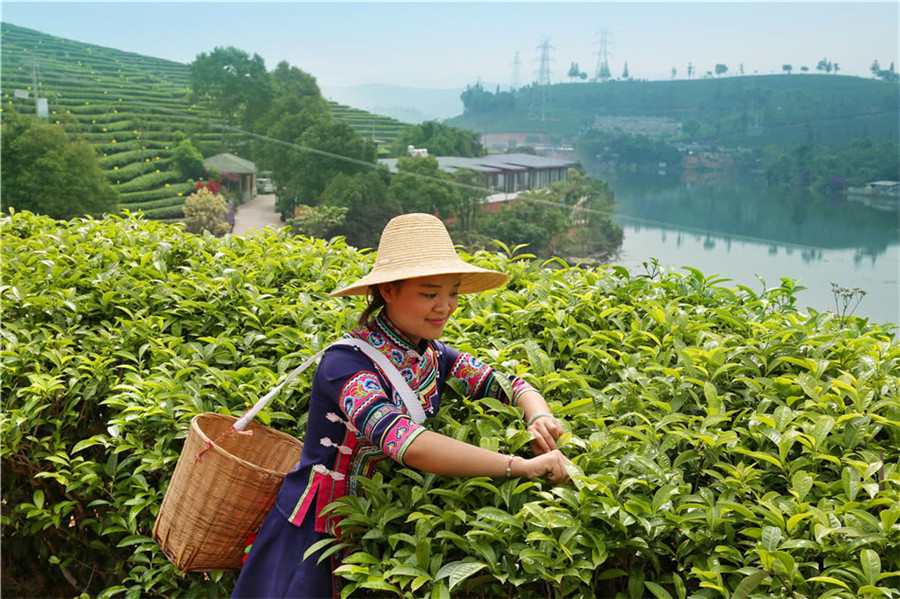
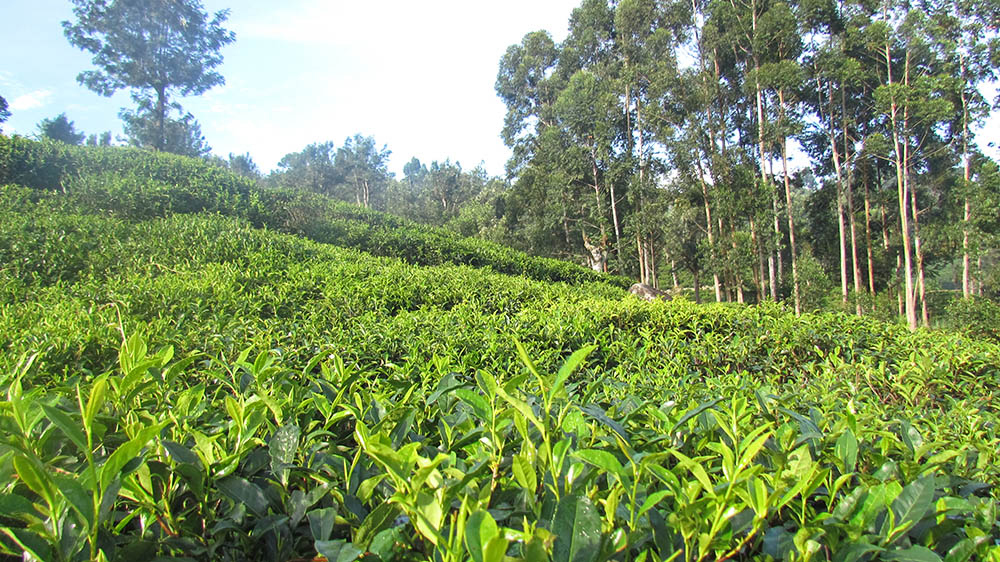
Interested in Chinese tea culture? Yunnan Exploration has tours themed on Puer tea culture exploration, Yunnan Tea Tours will take you to visit the most popular tea mountains and Tea Plantations in Yunnan Province. Experience Chinese tea culture by exploring mist-covered mountains and plantations and meantime pay a visit to magnificent palaces and historical landmarks, if you come at the right times, tea festivals in Yunnan are also good opportunities for Puer tea culture travel. Puer Tea and Dianhong Black Tea will be your trip highlights of Yunnan tea tour. Yunnan tea culture tours help you to do a deep research of Chinese tea and have the chance to enjoy various famous tea in Yunnan.
Tea Cultural Sites in Yunnan
- Xiaguan Tuocha Tea Museum
- Yunnan Puer Tea Culture Museum
- Baiyingshan Ancient Tea Museum
- China Puer Tea Exhibition Garden
Keep Reading
- Tea Ancestor Hall of China Puer Tea Exhibition Garden
- Tea Enquiry Tower of China Puer Tea Exhibition Garden
- Harmonious Garden of China Puer Tea Exhibition Garden
- China Puer Tea Museum of China Puer Tea Exhibition Garden
- Puer Tea Appreciation Garden of China Puer Tea Exhibition Garden