Yunnan Guide
  • Yunnan Guide
  • Travel Tips
  • Tour Planing
  • Ethnic Culture
  • Yunnan Climate
  • Golf Courses
  • Travel Articles
  • Hair Dance of Wa Ethnic Minority

    22/05/2019Crazy Jone2693 wordsAbout 9 minutes

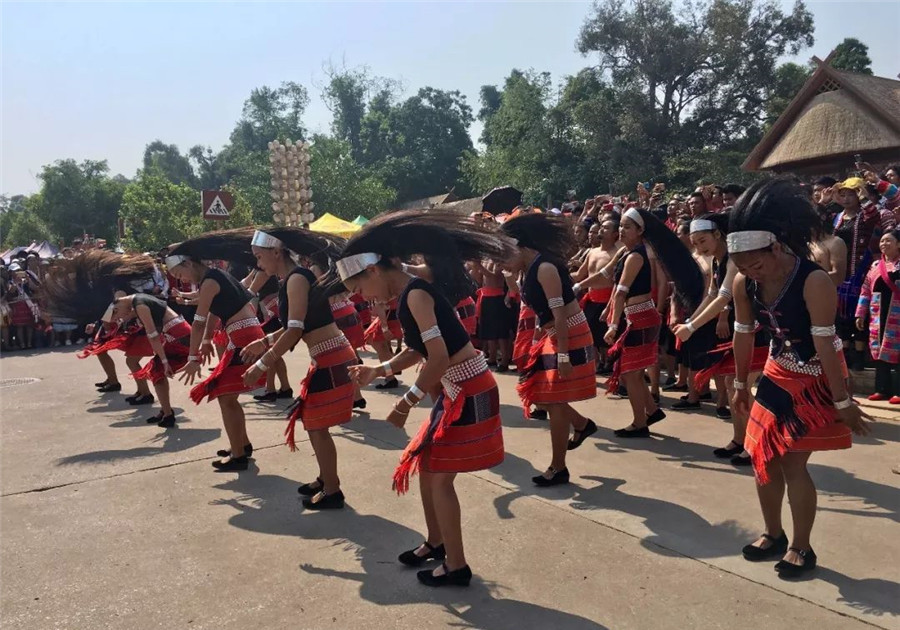
    The Wa Ethnic Hair-Swinging Dance (佤族甩发舞), known in the Wa language as "Gao Xiweihei (稿西尾嘿)," is a traditional women’s dance of the Burau (布绕) subgroup of the Wa people. It is mainly performed in Yonghe Community (永和社区, Yongrong Village 永茸寨) of Mengdong Town (勐董镇) and Nameng Village (纳勐村) of Banlao Township (班老乡), Cangyuan Wa Autonomous County (沧源佤族自治县), Lincang City (临沧市), Yunnan Province (云南省).

    This collective recreational dance features vigorous hair-swinging movements as its core element. Originally self-entertaining, it has evolved into a stage performance art and was inscribed on the Yunnan Provincial Intangible Cultural Heritage List in 2009 (Ⅲ-19).Hair Dance of Wa Ethnic Minority

    Dance Characteristics

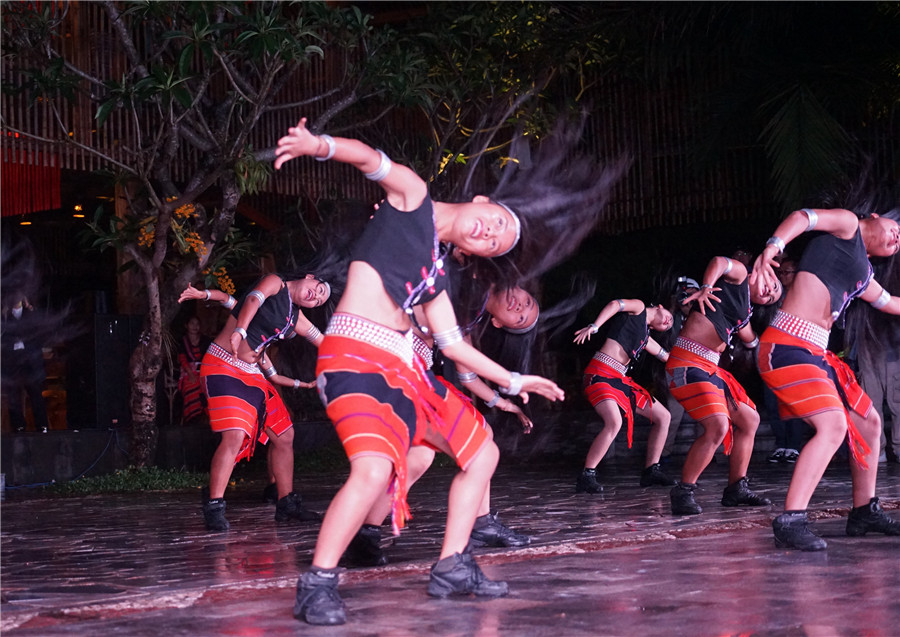
    The dance is typically performed by more than ten women standing in a horizontal line. Key movements include:

    • Bowing forward and swinging hair until it touches the ground.
    • Tilting the head backward and swinging hair vertically upward.
    • Releasing hair behind the body in continuous rhythm.

    These movements require great physical strength and endurance. Performers often interlock arms, sing while dancing, and repeat hair-swinging sequences until they are fully immersed in the rhythm.

    Hair Dance of Wa Ethnic Minority

    Cultural Roots

    The origin of the Hair-Swinging Dance can be traced back to the traditional "Hair Dance" of Yami women (雅美妇女) from Orchid Island (兰屿). In Yami culture, swinging hair symbolized prayers for the health and longevity of parents and elders. Traditionally, Yami women only danced at night by the seaside, avoiding daytime performances due to cultural taboos.

    The Wa adaptation reflects cross-cultural resonance with other agricultural civilizations:

    • Sumatra (苏门答腊): Women scattered their hair during rice planting to pray for abundant harvests.
    • Ancient Mexico (古墨西哥): Women danced with loosened hair during rituals dedicated to the Corn Goddess, symbolizing lush and plentiful crops.

    This agricultural symbolism of swinging long hair reveals shared values among farming cultures across continents.

    Hair Dance of Wa Ethnic Minority

    Modern Development and Cross-Cultural Exchange

    Today, the Wa Hair-Swinging Dance has become a cultural symbol showcased at festivals and tourism performances. It is accompanied by traditional wooden drum rhythms that embody the Wa people's enthusiasm.

    Ecuadorian guest Li Dongcheng (李东成), after observing children’s performances in Cangyuan, noted how the dance has become a bridge for cultural exchange. Local children often interact with foreign visitors after performing, learning each other’s dances and languages, demonstrating mutual appreciation between civilizations.

    Information Summary

    • Chinese Name: 佤族甩发舞
    • Alias: 稿西尾嘿 (Gao Xiweihei)
    • Type: Recreational women’s collective dance
    • Location: Lincang City (临沧市), Cangyuan Wa Autonomous County (沧源佤族自治县)

    International Parallels

    Similar practices exist worldwide:

    • Sumatra: Women let down their hair while planting rice for fertility and prosperity.
    • Ancient Mexico: Women danced with loose hair in corn festivals, representing crop abundance.

    Both reflect agrarian societies’ belief in hair as a channel of vitality and blessing, with possible cultural connections to shamanism and totemic traditions in Asia.

    ENQUIRY

    Have a question before booking? Message us to learn more.
    Click to change