7 Days GolfingTour
 8 Days Group Tour
 8 Days Yunnan Tour
 7 Days Shangri La Hiking
 11 Days Yunnan Tour
 6 Days Yuanyang Terraces
 11 Days Yunnan Tour
 8 Days South Yunnan
 7 Days Tea Tour
 8 Days Muslim Tour
 12 Days Self-Driving
 4 Days Haba Climbing
 Tiger Leaping Gorge
 Stone Forest
 Yunnan-Tibet
 Hani Rice Terraces
 Kunming
 Lijiang
 Shangri-la
 Dali
Dali
 XishuangBanna
 Honghe
 Kunming
 Lijiang
 Shangri-la
 Yuanyang Rice Terraces
 Nujiang
 XishuangBanna
 Spring City Golf
 Snow Mountain Golf
 Stone Mountain Golf

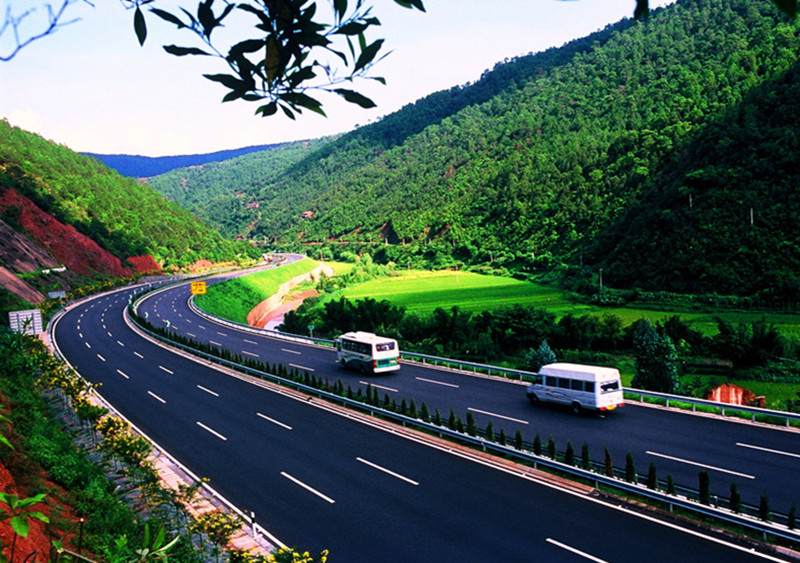
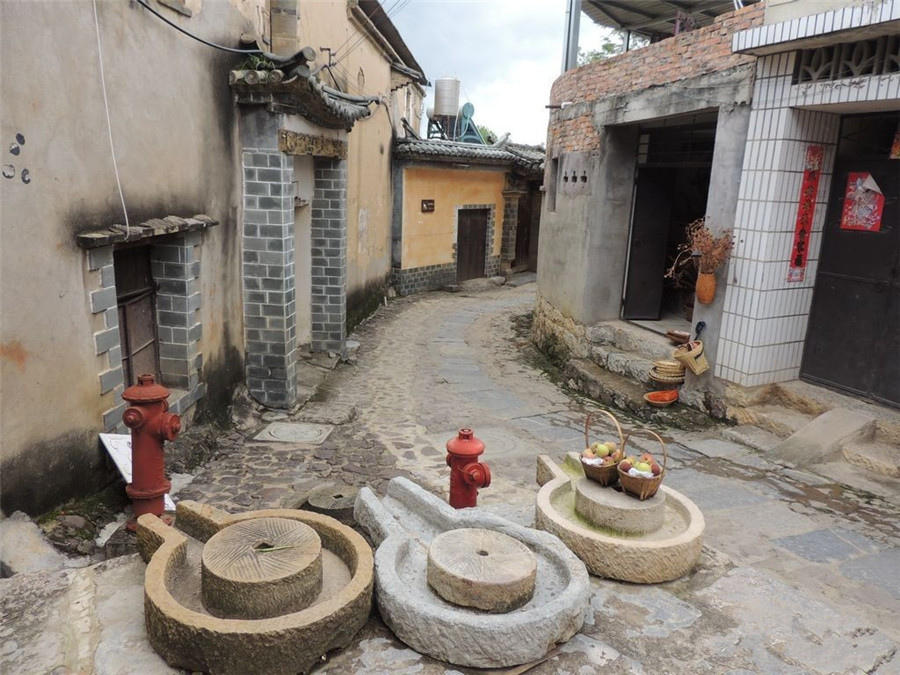






Road Condition in Yunnan
Road condition in Yunnan mainly introduces the overall situation of Yunnan road, road coverage, the national roads and railways through Yunnan, which help you know Yunnan transportation and choose the best way to get to Yunnan. Overall Situation of Yunnan Road Yunnan has a developed road network centered at Kunming City. The highway network connects with the network of neighboring provinces, such as Sichuan, Guizhou, Guangxi and Tibet as well as the neighboring countries such as Myanmar, Laos, Vietnam and Thailand. Over a decade ago, the mileage of Yunnan highways has reached 65,800 km, second only to Sichuan Province in China, among which there are 7 national highway lines, 6,081 km; 61 provincial lines, 8,971 km; county – level highway lines, 30,950 km and country roads, 19,757 km, and now highways lead to every township. Ten thousand length of highway in Kunming link Yunnan with other provinces and other countries. In the year of 2002, Yunnan had the highest high traffic mileages among all provinces in China. 1,570 towns in Yunnan can now be accessed via highway. Road Coverage in Yunnan The length of high-grade highways above Grade 2 adds up to more than 3,400 km and that of expressways amounted to nearly 1,300 km. To date, with Kunming at the nerve center and inter-provincial and intra-provincial roads as the backbone, Yunnan’s highway network has stretched to cover all townships and 98 percent of the villages in the province. It is interconnected with the road network of its neighboring provinces of Sichuan, Guizhou, Guangxi, and Tibet and with the neighboring countries of Myanmar, Laos, Vietnam, and Thailand. Yunnan is planning to focus on the upgrading and expansion of 6 trunk roads leading to other provinces and neighboring countries with the objective of turning them into a highway network. National Roads via Yunnan At present, there are 7 national roads(National Road 108, 213, 214, 320, 321, 323 and 326) and 61 provincial roads radiate from Kunming to major cities in Yunnan and other provinces or even abroad.
National Road 108: From Panzhihua of Sichuan into Yunnan, cross Yongren, Yuanmou and Wuding to Kunming, it covering 278 km. National Road 213: From Yibin of Sichuan to Yunnan, cross Zhaotong, Kunming, Yuxi and Puer to Mohan. National Road 214: National Road 214 crosses Yunnan from the south to the north, via Xishuangbanna, Lincang, Dali, Lijiang, Diqing to Tibet. And expressway has been built from Dali to Lijiang. National Road 320: National Road 320 crosses Yunnan from the east to the west, via Qujing, Kunming, Chuxiong, Dali, Baoshan, Mangshi to Ruili on the Jiegao Border. And the part of Qujing-Kunming-Dali is expressway. National Road 323: From Baise of Guangxi into Yunnan, across Yanshan, Kaiyuan, Jianshui, Yuanjiang, Pu’er to Lincang.
Railways in Yunnan Kunming is the main rail hub in Yunnan. Railways from Chengdu, Neijiang, Guiyang, and Nanning in neighboring provinces, Yuxi and Dali from within Yunnan and Hanoi from Vietnam converge in Kunming. At present, railways in operation in Yunnan include:
Dali-Lijiang Railway Yunnan–Vietnam Railway Yunnan-Tibet Railway Guiyang–Kunming Railway Chengdu–Kunming Railway Nanning–Kunming Railway Neijiang–Kunming Railway Pan County West Railway Kunming–Hekou Railway Guangtong–Dali Railway
More about Railways in Yunnan International Railway Connection Yunnan province is also expanding the provincial rail network to neighboring Southeast Asian countries. In the east, the Yuxi–Mengzi Railway (141 km (88 mi)), under construction since 2005, and the Mengzi–Hekou Railway (140 km (87 mi)), was under construction since 2008, and completed in 2014 forming a standard gauge railway connection with Vietnam. In the west, the Dali–Ruili Railway (336.387 km (209 mi)), under construction since May 2011, is expected to extend rail service to the border with Myanmar. In the center, under planning is a rail line from Yuxi to Mohan, in Xishuangbanna Dai Autonomous Prefecture, on the border with Laos. This line could be extended further south to Thailand, Malaysia and Singapore. Keep Reading
Road Condition from Kunming to Yuxi, Puer and XishuangBanna Road Condition from Kunming to Dali, Lijiang and Shangri-La Road Condition from Yunnan (Kunming) to Tibet (Lhasa) Road Condition from Kunming to Stone Forest, Jianshui and Yuanyang Hani Rice Terraces
Transportation in Yunnan: Yunnan Travel by Air
Airlines in Yunnan Flights to Yunnan Airport Transfer International Flights to Yunnan Airports in Yunnan
High-speed Rail in Yunnan Railway Stations in Yunnan Railways in Yunnan Trains to Yunnan Trans Asia Railway Metro in Yunnan
Bridges in Yunnan Freeways in Yunnan Highways in Yunnan Roads to Yunnan Trans-Asia Roads National Roads in Yunnan