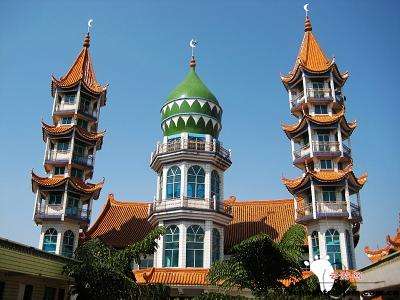
Located in southeastern Yunnan Province, Wenshan Zhuang and Miao Autonomous Prefecture (文山壮族苗族自治州) borders Vietnam and is celebrated for its karst mountains, lakes, caves, terraced fields and diverse ethnic cultures. From the lotus-covered wetlands of Puzhehei to the secluded villages of Guangnan, Wenshan offers an appealing combination of natural scenery, cultural discovery and countryside travel.
Why Visit Wenshan
Puzhehei Karst Landscape: Puzhehei Scenic Area (普者黑景区) in Qiubei County is Wenshan’s best-known destination. Limestone peaks rise above interconnected lakes, wetlands, lotus ponds and ethnic villages, creating spectacular scenery for boating, cycling, hiking and photography.
Bamei Village: Hidden among karst mountains in Guangnan County, Bamei Village (坝美村) is traditionally reached through a limestone cave and waterway. Its farmland, river, traditional homes and Zhuang culture have earned it a reputation as a real-life version of China’s legendary “Peach Blossom Land.”
Babao Karst Scenery: Babao Scenic Area (八宝风景区) combines rivers, rice fields, villages and isolated limestone peaks. The peaceful rural landscape is especially attractive for photography, scenic drives and cultural exploration.
Laoshan Border Heritage: Laoshan Scenic Area (老山景区) in Malipo County preserves important border-defense history alongside forested mountain scenery. Memorial sites and exhibitions provide insight into the region’s modern history.
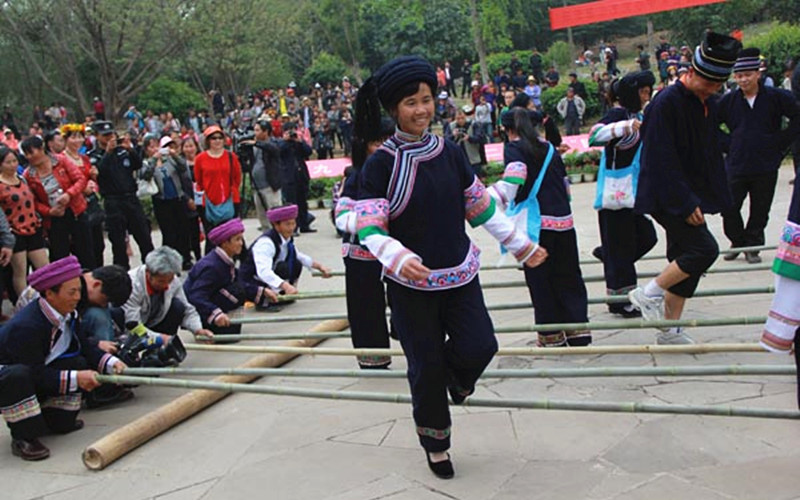
Zhuang, Miao and Yi Cultures: Wenshan is home to Zhuang, Miao, Yi, Yao, Hui and Dai communities. Traditional clothing, silver ornaments, embroidery, music, dance, village architecture and seasonal ceremonies create a rich cultural landscape throughout the prefecture.
Traditional Festivals: Celebrations such as the Huashan Festival (花山节), Longduan Festival (陇端节) and Panwang Festival (盘王节) feature singing, dancing, rituals, sporting activities and colorful ethnic costumes. Festival periods offer some of the best opportunities to experience local traditions.
Karst Caves and Underground Rivers: Limestone erosion has formed numerous caves, sinkholes and underground waterways across Wenshan. These natural features are closely connected with the prefecture’s villages, farming landscapes and distinctive travel routes.
Wenshan Sanqi: The prefecture is renowned for Wenshan Sanqi, or Panax notoginseng (文山三七), a valued traditional Chinese medicinal herb. Local markets, cultivation areas and cultural displays introduce visitors to its history, production and importance to the regional economy.
Border Landscapes and Cross-Cultural Heritage: Wenshan’s long border with Vietnam has shaped its trade, cuisine, architecture and community traditions. Border counties such as Hekou? Wait no Hekou is Honghe. Better not. Malipo County (麻栗坡县) and Maguan County (马关县) feature mountain scenery, border communities and cultural influences shared across southern Yunnan and northern Vietnam.
Photography and Outdoor Experiences: The prefecture is well suited to photography tours, hiking, cycling, boating and self-driving journeys. Lotus wetlands, misty karst peaks, rural villages, terraced fields and ethnic festivals provide varied subjects throughout the year.
Southeastern Yunnan Travel Routes: Wenshan can be combined with Kunming (昆明), Mile (弥勒), Jianshui (建水) and the Yuanyang Rice Terraces (元阳梯田). Its road and railway connections make it an important stop on longer journeys through southeastern Yunnan.
Overview
Wenshan Zhuang and Miao Autonomous Prefecture (文山壮族苗族自治州) is located in southeastern Yunnan Province (云南省). Established on April 1, 1958, it is one of China’s 30 autonomous prefectures and consists of one county-level city and seven counties. Its government is based in Wenshan City (文山市), the prefecture’s political, economic and cultural centre.
Read More
Attractions
Wenshan Zhuang and Miao Autonomous Prefecture (文山壮族苗族自治州) lies in southeastern Yunnan, bordering Guangxi and Vietnam. Its tourism resources combine spectacular karst countryside, lakes, caves, waterfalls, forests, highland grasslands, border landscapes and diverse ethnic cultures. The prefecture has developed more than 60 national A-rated tourist attractions, led by the nationally rated 5A Puzhehei Scenic Area (普者黑景区).
Read More
Tours
Yunnan Exploration offers travelers the best-quality Wenshan tours for you to plan a better Wenshan travel. Traveling to Wenshan must be a amazing experience. There are so many highlights in Wenshan, such as Puzhehei Scenic Area,Laojun Mountain Nature Reserve , Liujing Karst Cave,Bozhu Moutain and Bamei Village, etc. In Wenshan, travelers can appreciate the panoramic view of clear lakes, emerald mountains, booming flowers and enchanting karst landscape. Select your preferred holiday or contact us to customize it to your needs and budget.
Read More
Climate
Wenshan Zhuang and Miao Autonomous Prefecture (文山壮族苗族自治州) lies in southeastern Yunnan Province (云南省) and has a mild subtropical plateau monsoon climate. Its low latitude brings warmth, while the high elevation moderates summer temperatures. Most areas therefore experience mild winters, warm but rarely oppressive summers, a pronounced rainy season and considerable differences between daytime and nighttime temperatures.
Read More
Transportation
Wenshan Zhuang and Miao Autonomous Prefecture (文山壮族苗族自治州) lies in southeastern Yunnan Province (云南省), adjoining Baise in Guangxi to the east and Vietnam to the south. Often described as Yunnan’s southeastern gateway and part of the historic Yunnan–Guangxi corridor, Wenshan connects Kunming with Guangxi, the Guangdong–Hong Kong–Macao Greater Bay Area and northern Vietnam.
Read More
Festivals and Activities
Wenshan Zhuang and Miao Autonomous Prefecture (文山壮族苗族自治州) lies in southeastern Yunnan, bordering Guangxi and Vietnam. The prefecture is home to Zhuang, Miao, Yi, Yao, Hui and other ethnic communities whose traditional festivals, music, dances, clothing, food and religious customs form one of the most diverse cultural landscapes in southwestern China.
Read More
Travel Tips
Located in southeastern Yunnan Province, Wenshan Zhuang and Miao Autonomous Prefecture (文山壮族苗族自治州) is distinguished by karst lakes, lotus wetlands, limestone caves, rice-growing valleys, border landscapes and diverse ethnic traditions. Its attractions are distributed across Wenshan City and seven counties, so planning a Wenshan tour requires more than choosing several famous sights. The most enjoyable approach is to select one geographical cluster, allow sufficient time for road transfers and combine natural scenery with village culture, local food and historical experiences.
Read More
Maps
Wenshan Zhuang and Miao Autonomous Prefecture (文山壮族苗族自治州) travel maps are practical tools for planning a journey through southeastern Yunnan Province (云南省). Detailed maps help travelers understand the prefecture’s location, eight counties and cities, major attractions, transportation connections and recommended tour routes.
Read More
Accommodation
Accommodation in Wenshan Zhuang and Miao Autonomous Prefecture (文山壮族苗族自治州) follows three main patterns: convenient business hotels in Wenshan City, lake-view resorts and boutique guesthouses around Puzhehei, and secluded village stays near Bamei. By the end of 2023, the prefecture had 132 registered accommodation enterprises, while the number of boutique guesthouses and homestays had exceeded 500.
Read More
Dining
The cuisine of Wenshan Zhuang and Miao Autonomous Prefecture (文山壮族苗族自治州) reflects the region’s mountains, rivers, farmland and ethnic diversity. Home to 11 long-established ethnic groups, Wenshan follows a simple culinary philosophy: use what grows in the mountains, what is harvested from the fields and what comes from the rivers.
Read More
Ethnic Culture
Wenshan Zhuang and Miao Autonomous Prefecture (文山壮族苗族自治州) is a land deeply shaped by history. It formed part of the core region of the ancient Gouding Kingdom (句町古国), while more than 2,000 years of administrative development created a distinctive frontier culture where influences from central China met the traditions of southwestern ethnic communities. Today, Wenshan is home to 11 ethnic groups that have lived here for generations, including the Zhuang, Miao, Yi, Yao, Hui and Bai.
Read More
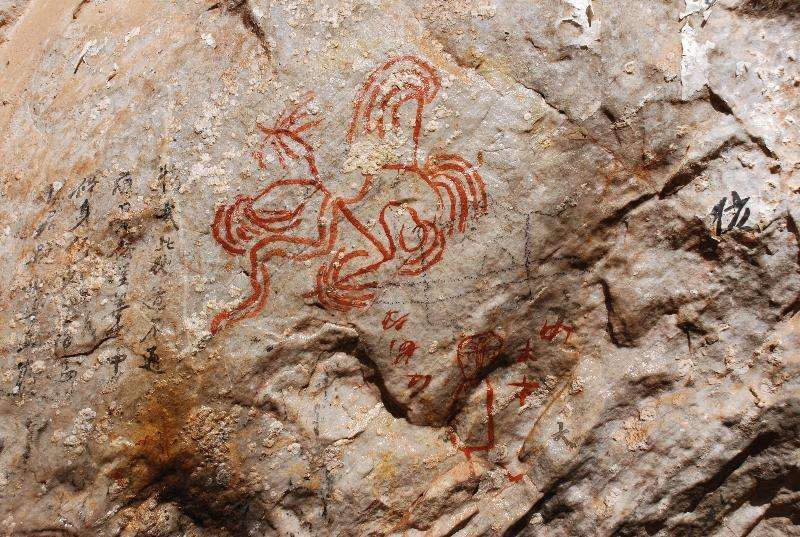
Photos
Traveling through Wenshan Zhuang and Miao Autonomous Prefecture (文山壮族苗族自治州) offers countless opportunities to photograph karst mountains, lotus lakes, traditional villages and colorful ethnic cultures. Yaso Trip has collected many Wenshan travel photos taken by our customers and travel teams, allowing visitors to discover the region’s scenery and atmosphere before starting their journey.
Read More
Shopping
Shopping in Wenshan Zhuang and Miao Autonomous Prefecture (文山壮族苗族自治州) brings together modern city malls, ethnic handicrafts, agricultural products and the distinctive atmosphere of the China–Vietnam border. Travellers can explore commercial centres in Wenshan City, buy lotus and chilli products around Puzhehei, look for traditional tea and rice in Guangnan, or visit border markets for Vietnamese coffee, dried fruit and locally made textiles.
Read More
Education
Wenshan Zhuang and Miao Autonomous Prefecture (文山壮族苗族自治州) has developed a broad education system covering preschool education, compulsory education, senior secondary education, vocational training, special education and higher education. As the prefectural capital, Wenshan City (文山市) concentrates many of the region’s leading schools and colleges, while the seven surrounding counties maintain county-level secondary schools, vocational institutions and extensive networks of township schools.
Read More
Administrative Divisions
Wenshan Zhuang and Miao Autonomous Prefecture (文山壮族苗族自治州) is located in southeastern Yunnan at the junction of Yunnan, Guangxi and Vietnam. Established on April 1, 1958, it is one of China’s 30 autonomous prefectures and the country’s only autonomous prefecture jointly designated for the Zhuang and Miao peoples. The prefectural government is based in Wenshan City (文山市).
Read More