
 7 Days GolfingTour
 8 Days Group Tour
 8 Days Yunnan Tour
 7 Days Shangri La Hiking
 11 Days Yunnan Tour
 6 Days Yuanyang Terraces
 11 Days Yunnan Tour
 8 Days South Yunnan
 7 Days Tea Tour
 8 Days Muslim Tour
 12 Days Self-Driving
 4 Days Haba Climbing
 Tiger Leaping Gorge
 Stone Forest
 Yunnan-Tibet
 Hani Rice Terraces
 Kunming
 Lijiang
 Shangri-la
 Dali
Dali
 XishuangBanna
 Honghe
 Kunming
 Lijiang
 Shangri-la
 Yuanyang Rice Terraces
 Nujiang
 XishuangBanna
 Spring City Golf
 Snow Mountain Golf
 Stone Mountain Golf




 What Our Customers Say?
 alt="Dali Erhai Lake Ecological Corridor from Xiaguan to Taoyuan"
/>
alt="Dali Erhai Lake Ecological Corridor from Xiaguan to Taoyuan"
/>
Ethnic Culture Travel Tips
Ethnic Culture Travel Tips and Advice in Yunnan provide some practical Yunnan ethnic culture travel tips such as How Many Ethnic Groups in Yunnan, Popular Yunnan Ethnic Festival Tours, Best Places for Ethnic Culture Travel, How to Plan Yunnan Ethnic Culture Travel, Tips and FAQs of Yunnan Ethnic Culture Travel, which can help you make a better plan before departure, and deal with emergencies or anything unpredictable while traveling.
How Many Ethnic Groups in Yunnan
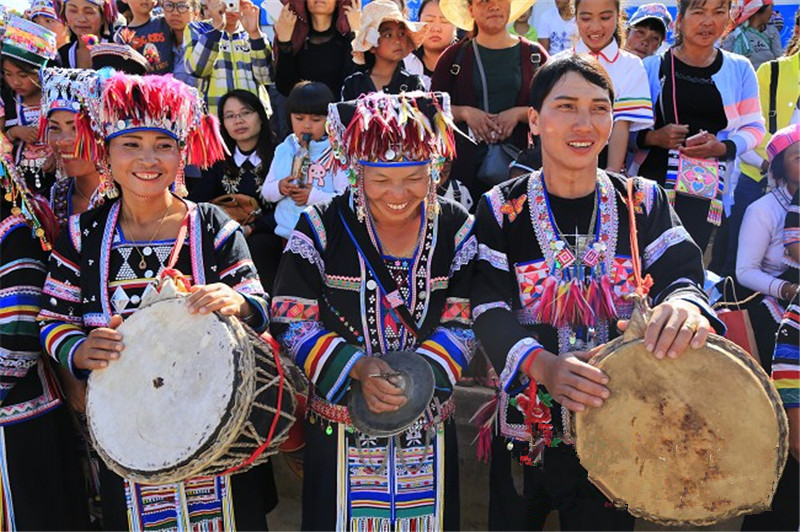
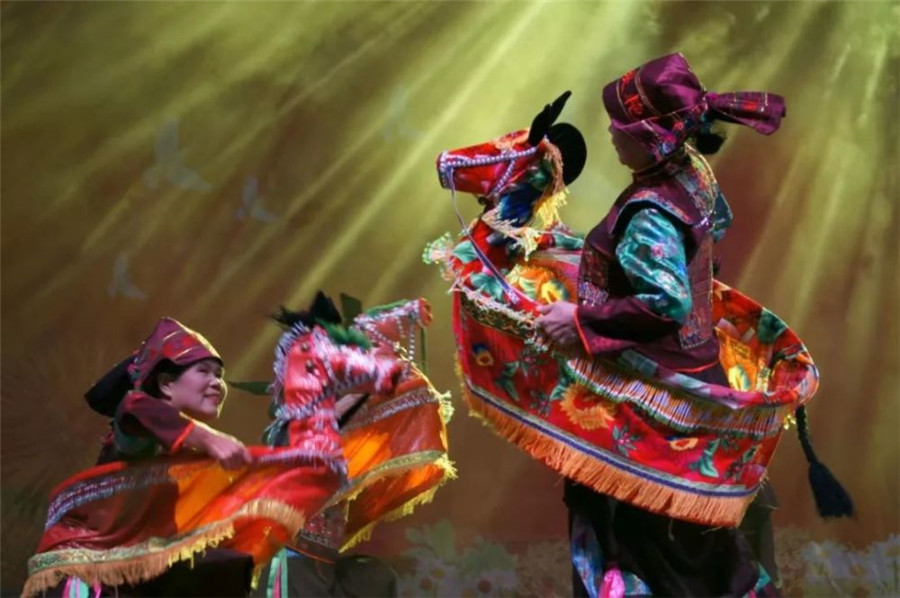
Yunnan is the province with the largest population of minorities with 25 of them having more than 5000 members,among them 16 are indigenous (including Bai, Dai, Naxi, Hani, Lisu, Lahu, Wa, Jingpo, Bulang, Pumi, Achang, Nu, Jinuo, De’ang, Durung, etc.). Among 25 ethnic minority groups, the biggest population is Yi and the smallest one is Dulong The ethnic minorities spread around Yunnan with their own communities and live together over vast areas while some live in individual concentrated communities in small areas. Those ethnic minority people are living in valleys, hilly areas or flat lands. Due to different groups, the traditional customs, cultures, languages, construction styles and clothes of them are colorful and distinctive. About the festivals of Yunnan ethnic minorities are also colorful and diverse, some of the festivals are celebrated by many groups, and some are distinct.
Read More
Achang Aini Axi Ake Azhe Bai Bailuo Bulang Buyi Dai
Deang Dulong Han Hani Hualuo Huayaodai Hui Jingpo Jinuo Kucong
Lahu Limi Lisu Manchu Miao Mongolian Mosuo Naxi Nu Pumi
Sani Shui Taliu Tibetan Wa Yao Yi Yiche Zhuang Huayaoyi
Popular Yunnan Ethnic Festival Tours
Yunnan Ethnic Festival Tours are the best choices to experience the unique and exciting ethnic customs. Every year, there are more than 400 ethnic festivals celebrated in Yunnan, such as Torch Festival, Munao Zongge Festival, Water Splashing Festival, Long Street Banquet Festival , etc. The ethnic minorities maintain their unique folk traditions and customs full of myths and celebrated the festivals by singing, dancing, paintings and playing the ancient music. Yunnan Exploration offer various minority festival tours for your reference, or customize one for you.
4 Days Long Street Banquet Festival Photography Tour 4 Days Jingpo Ethnic Minority’s Munao Zongge Festival Tour 6 Days Kunming and Chuxiong Torch Festival Celebration Tour 5 Days Kunming City Tour and Shilin Torch Festival Celebration 6 Days XishuangBanna Water Splashing Festival Celebration Tour
More about Yunnan Minority Festival Tours Keep Reading
Yunnan Festivals and Events by Month
January February March April May June July August September October November December
Yunnan Festival and Events by Region
Kunming Baoshan Chuxiong Dali Dehong Diqing Honghe Lijiang Lincang Nujiang Pu’er Qujing Wenshan Yuxi Zhaotong Xishuangbanna
Best Places for Ethnic Culture Travel
In Yunnan, you can find minorities in every prefecture or city. Therefore, every place is suitable for Yunnan Ethnic Culture Travel. And the most popular places are Kunming, Dali, Lijiang, Shangri-La, Xishuangbannan, Dehong, Chuxiong, Honghe, etc. Important Travel Tips for Ethnic Culture Travel
Matters Need Attention
Read some basic information about Yunnan and China so that you could have a better experience there. Respect and follow local custom and avoid conflicts. Eat more vegetables and fruits, drink plenty of water, it may help you to avoid altitude sickness. Check out the weather report before your travel. Do not go sightseeing in bad weather. In China, please had better not travel in peak seasons, such as Chinese New Year, International Labor Day and National Day. If you want to experience the traditional festival culture, Taking a tour during the traditional festivals of China can get the opportunity to experience the festivals culture. Be careful of the changeable temperature. A few chilly days could be followed by relatively hot weather. So it is better to take some early winter clothes to protect you away from the sudden low temperature.
Important Customs and Taboos
Tibetan
When some Tibetan people go up the mountain to pick up firewood, the family members must go to pick them up no matter how busy they are. Outsiders are not allowed to touch the memorial tablet or place things on the table. It is disrespectful take photos without their permission. Asking for permission before taking pictures of Tibetan people is a necessary procedure when in Yunnan. Do not enter the temples or monasteries without permission.
Blang
Take off your shoes when you enter the house of the Blang village. You can’t touch the heads of Buddha, monk and old man by hand. It is forbidden to cut down the scared trees and the surrounding forests. It is not allowed to dig and remove stones in the scared forests, and it is not allowed to urinate in the scared forests area. After the Blang women become pregnant, it is forbidden to go to talk to the Buddha and visit the Buddha. Pregnant women are not also allowed to attend other people’s weddings and funerals. In general, they can not participate in various ceremonies.
Naxi
Most of the young Naxi people insist monogamous marriage. But for those living beside Lugu Lake in Lijiang, they still keep the “walking marriage”, which is the only remaining vestige of a matrilineal clan among all the ethnic groups of China. In public places, it is forbidden to scream loudly and cross their legs. When entering the Naxi house, you can’t hit the dog of the host family. Without a invitation, you can’t enter the bedrooms of old men, women. It is forbidden to sing love song and whistle at home. It is forbidden to knock the bowls by chopsticks when eating. It is forbidden to pollute water sources, cut down forests for water resource conservation, or hunt small animals. A person must wash one’s feet in preparation for the Spring Festival Eve. It is forbidden to wash chopsticks or bowls after the feast of the Spring Festival Eve, because the left-overs in the dishes symbolize that there will always be an abundance of food in the family.
Achang
Don’t mess with things in the house, and avoid putting guns. It is forbidden to spit in the fire pit, or cross from the fire pit. It is forbidden to stay upstairs for women. It is forbidden to go upstairs for women when men are in downstairs.
Manchu
Manchu people are brave and athletic. They excel at riding and shooting, which women and children can do as well as men. The Manchu people have good virtues of respecting have the virtue of respecting the old, loving the young, hospitality and trustworthiness. Manchu people keep dogs, but do not kill dogs, do not eat dog meat, or use dog skin products. In the yards of the Manchu people’s houses, they all like to plant willow trees, and they are not allowed to lay horses and feed poultry under the willow trees.
Dai
Take off your shoes before entering the temples of Dai. Never touch the head by hand when you encounter a monk in Xishuangbanna. It is forbidden to enter to the bedroom of Dai people without a invitation. It is forbidden to ride horses for outsiders entering the Dai villages.
Yi
It is forbidden to cross the men’s clothing for women, not to mention to cross the head of a man. Without an invitation, a woman can’t go upstairs, and she can’t go to the roof. Women should not touch the head of a man at will. It is forbidden to scream loudly or whistle.
Miao
The Miao people are great observers of etiquette. They are also very hospitable and pay respect to their guests. When people visit their homes, families will often kill a chicken to provide poultry for their guests to eat. They also try their best to entertain guests. If you accept the wine of the master, you will be referred to as a confidant by the host, so even if you cannot hold the drink, you should take a symbolic sip. When killing chickens, the chicken liver will be given to the elderly or the most distinguished guests. t is forbidden to use white cock as a gift. It is forbidden to call Miao people “Miaozi”, which is regarded as the biggest insult for Miao people. It is forbidden to touch the niche for Buddha at will. On top of social bonding, Miao customs become particularly complex and significant during courtship. Nowadays Miao men and women are free to mingle and premarital sex is tolerated within the community. Men and women can select their own husbands and wives, although certain customs are still adhered to.
Keep Reading
How to Plan Minority Festivals Tour in Yunnan How to Plan Ethnic Markets Tour in Yunnan Ethnic Custom Travel Tips Yunnan Ethnic Festivals Travel Tips

