7 Days GolfingTour
 8 Days Group Tour
 8 Days Yunnan Tour
 7 Days Shangri La Hiking
 11 Days Yunnan Tour
 6 Days Yuanyang Terraces
 11 Days Yunnan Tour
 8 Days South Yunnan
 7 Days Tea Tour
 8 Days Muslim Tour
 12 Days Self-Driving
 4 Days Haba Climbing
 Tiger Leaping Gorge
 Stone Forest
 Yunnan-Tibet
 Hani Rice Terraces
 Kunming
 Lijiang
 Shangri-la
 Dali
Dali
 XishuangBanna
 Honghe
 Kunming
 Lijiang
 Shangri-la
 Yuanyang Rice Terraces
 Nujiang
 XishuangBanna
 Spring City Golf
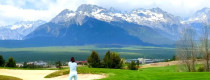 Snow Mountain Golf
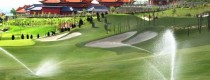 Stone Mountain Golf


Lincang
Lincang Overview
Chinese Name: 临沧 English IPA: Lincang Location: Southwest of Yunnan Population (city): 2,520,000 Language: Yunnan Dialect, Lincang Dialect Zip code: 677000 Tel code: 0883 Time zone: UTC+8
Lincang is a beautiful and fertile land by the Lancang river. On this land, 23 ethnic minorities live and breed for generations. Lincang of Yunnan province is also an important gateway from Yunnan province to Myanmar and southeast Asia, known as the “southern silk road”. Lincang enjoys a subtropical low-latitude mountain monsoon climate, with small the temperature difference among the four seasons, distinct dry and wet seasons, abundant rainfall and sunlight. It has the reputation of “Asia constant temperature city”. The climate here is warm and humid, the natural environment is beautiful and colorful. Every year, a large number of tourists come to Lincang for sightseeing.
Highlights:
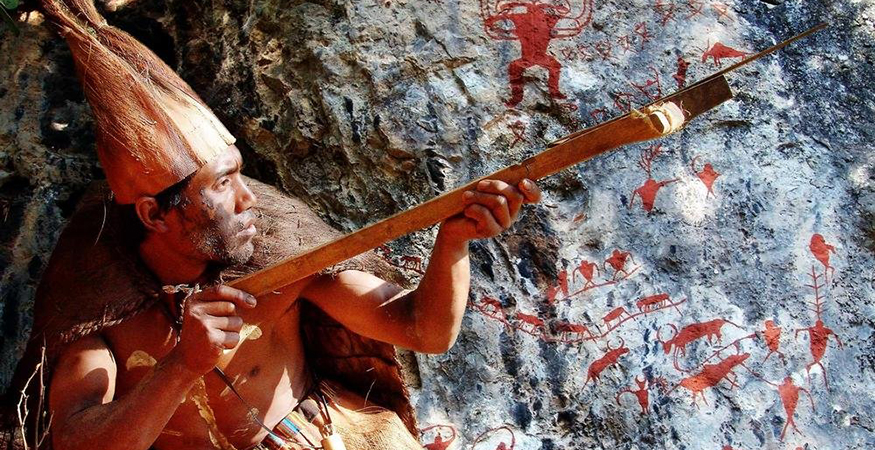
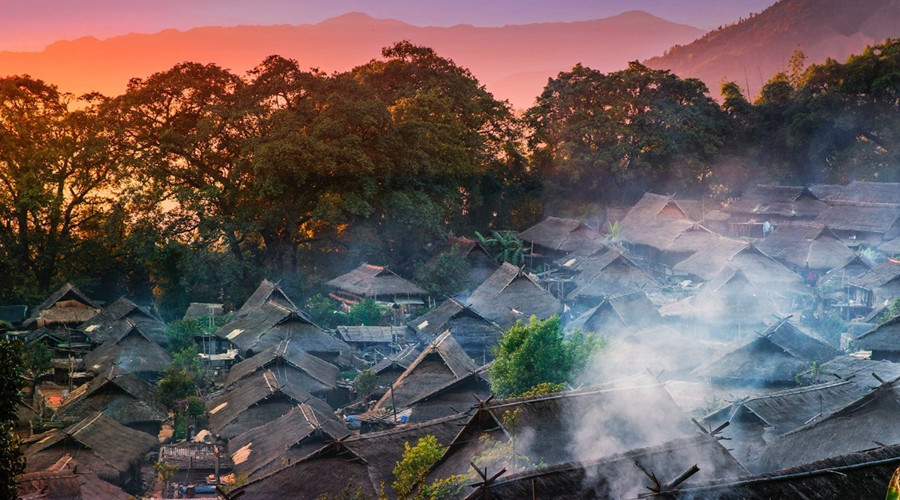
- Abundant Tourism Sources: Lincang climate is warm and moist, the natural environment is beautiful and colorful, there are a lot of tourism resources. Main scenic spots in Lincang include Wengding Wa Ethnic Village, Lincang Tea Culture Garden, Cangyuan Cliff Painting, Lushi Old Town, etc.
- Tea and Mango: Fengqing county in Lincang city is the world famous “Hometown of Dianhong Black Tea”. Lincang has a long history of tea culture, and there are quite a few tea plantations. Moreover, Yongde county of Lincang city is called “the Hometown of Mango in China”. Every year, Mango Cultural Tourism Festival is held in Yongde County.
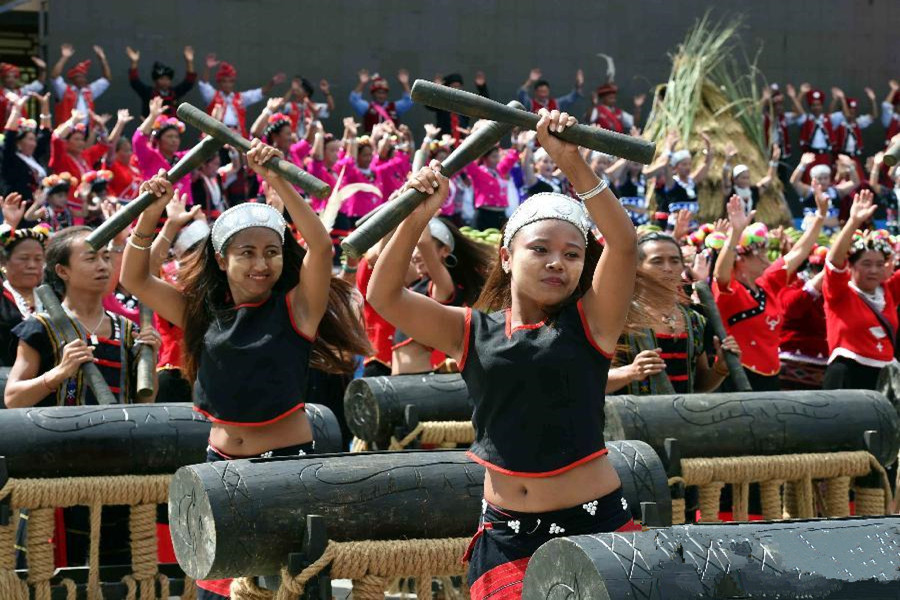
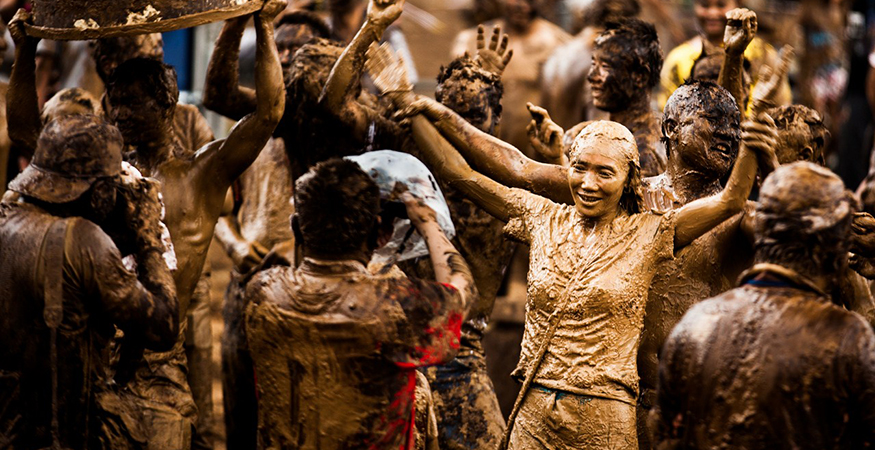
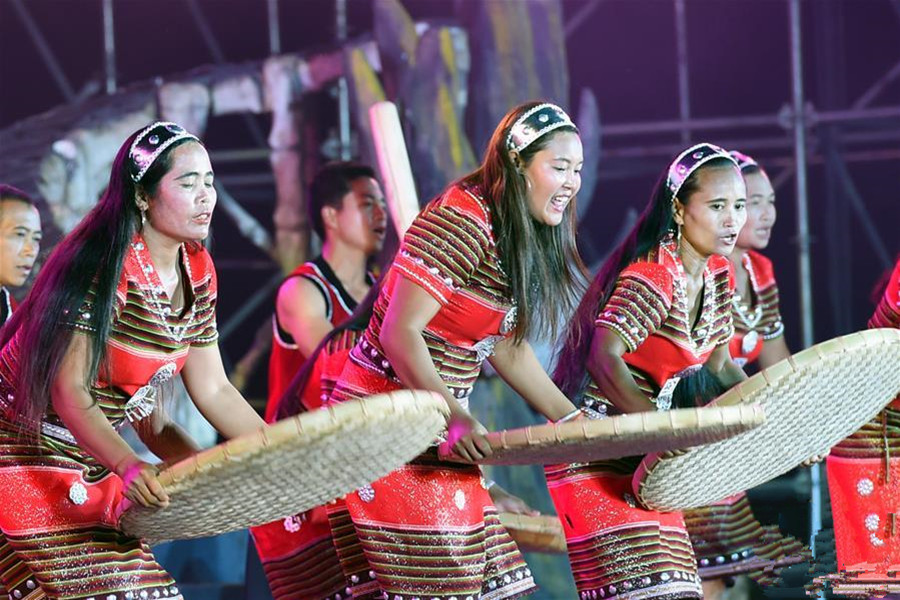
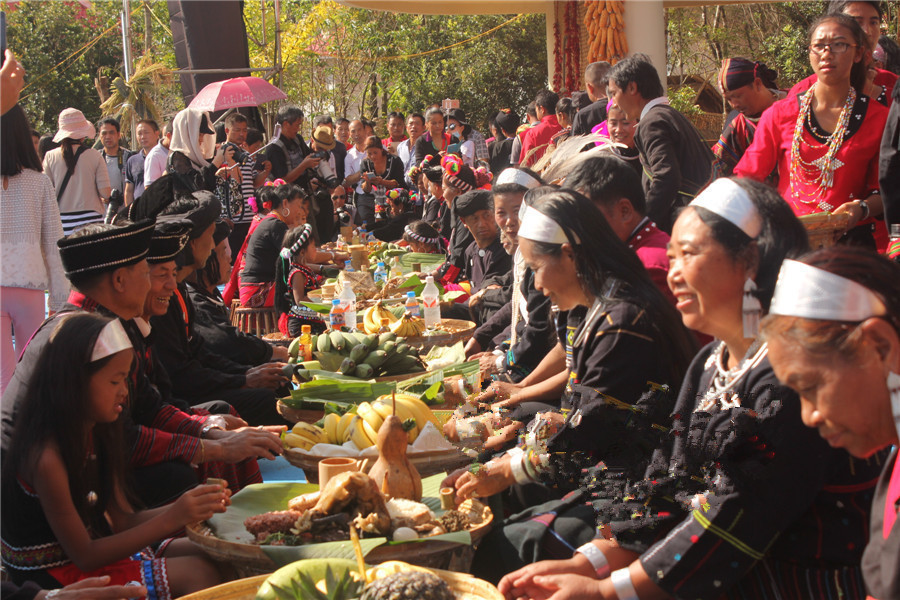
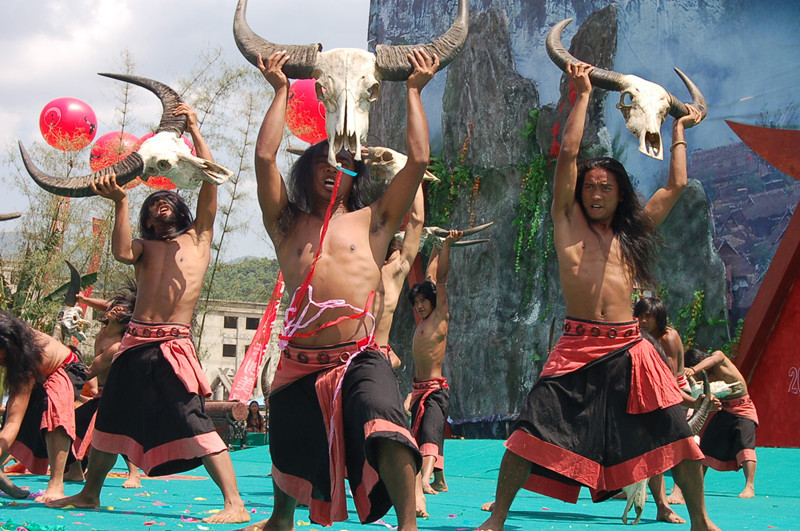
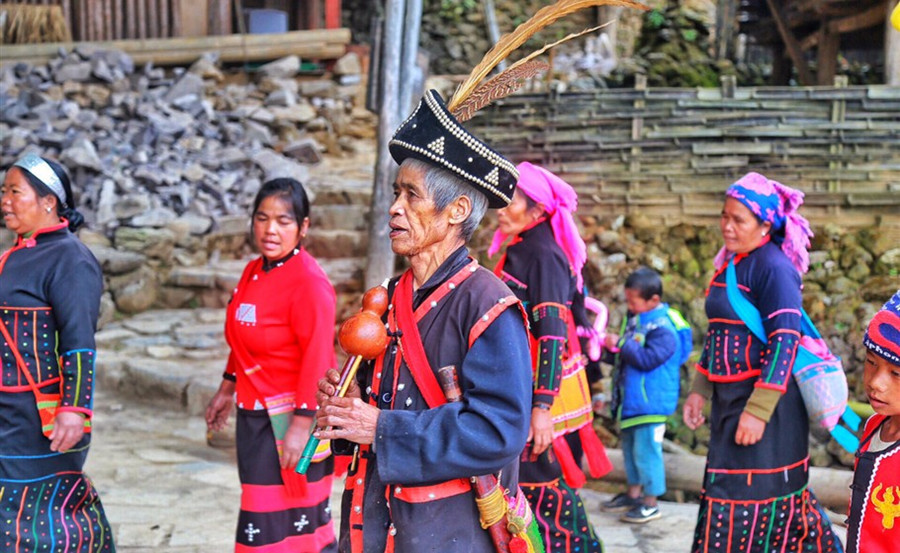
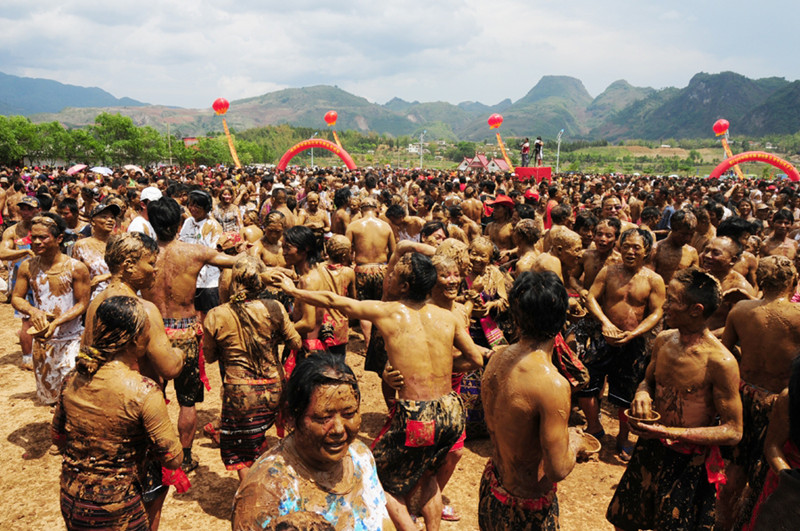
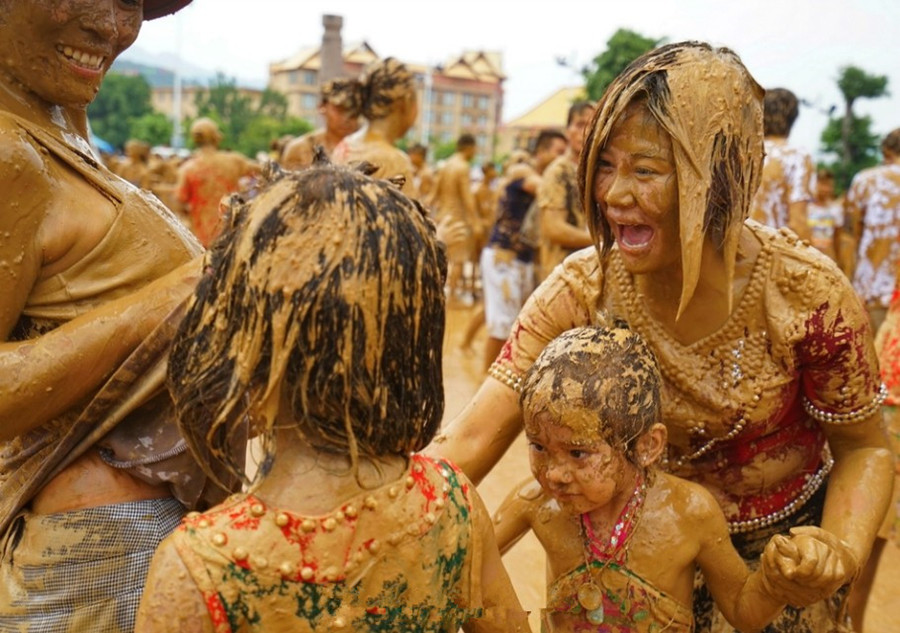
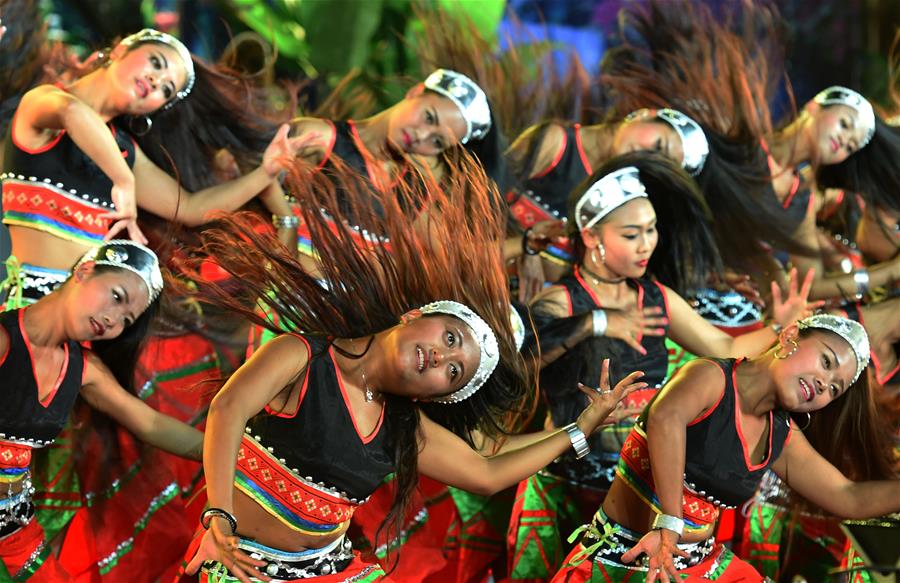
- Ethnic Minorities: Except for Han, there are other 23 ethnic groups in Lincang. Among them, 11 ethnic groups, including Yi, Wa, Dai, Lahu, Bulang, Lisu, Hui, Miao, Deang, Bai and Jingpo, live in Lincang for generations. Lincang is the hometown of Wa in the world, is one of the birthplaces of Wa culture. Every year, Monihei Carnival of Wa Ethnic Minority in Cangyuan County attracts a crowd of tourists.
Other Destinations in Lincang
- Fengqing County
- Cangyuan County
- Linxiang District
- Yunxian County
- Yongde County
- Zhenkang County
- Shuangjiang County
- Gengma County
- Xiaowan Town
Lincang Attractions
Lincang Attractions mainly introduce the beautiful attractions in Lincang and rank the attractions according to the popularity and classification, such as Wengding Wa Ethnic Village, Cangyuan Cliff Fresco, Lushi Old Town, etc. There are a lot of things to see and to do in Lincang. Lincang enjoys a mild climate and is blessed with a great variety of plants and animals, especially tea. Once you are stepping on the dreamland, you will visit the hometown of Dianhong Black Tea, Fengqing [...]
Lincang Tours
Lincang Tours mainly introduce the different kinds of tour packages of Lincang for your Yunnan Travel. What's more, Yunnan Exploration provides the most suitable Lincang Tour Package for you according to your requirements. The classic Lincang highlights are covered in various Lincang tours. As one of the important destinations in the Yunnan Travel, Lincang boasts abundant tourist resources. You will experience profound tea culture, different ethnic cultures and unique human landscapes here. For people who are interested in Dianhong Black Tea, it is wonderful [...]
Climate & When to Go
 Climate & When to Go
 Lincang Climate & Weather describes information with temperature & precipitation. Find out the best time to visit Lincang and see the season highlights in Lincang Yunnan. It also tells you what to wear in different seasons and clothes packing for your trip to Lincang Yunnan. Lincang Climate and Weather Located at an altitude of above 1,450 m (4,760 ft) and within 30 arc minutes to the north of the Tropic of Cancer, Lincang has a mild humid subtropical climate, with muddled distinction between the seasons and daytime [...]
More Lincang Climate & When to Go >>
Transportation
 Transportation
 The transportation in Lincang is relatively convenient. Lincang is an important transportation center in southwest Yunnan, which is the most convenient land passage to Yangon, Myanmar. There are three counties, Cangyuan, Gengma and Zhenkang, bordering Myanmar. The borderline is 290.791 kilometers. There are 3 national second-class ports and 17 channels in Lincang, and 5 highways are linked to Myanmar roads. Travelers can take plane or long-distance bus to get to Lincang. In the near future, you can also take train, [...]
More Lincang Transportation >>
Festivals and Activities
Lincang Festivals and Activities include a brief introduction of main festivals and activities in Lincang City, and tell travelers what to do during Lincang Festivals Tours. As the main minority inhabited in Lincang, Wa, Lahu, Bulang and other ethnic groups created brilliant culture and customs, among which the unique ethnic festivals and activities of Wa enjoy high reputation and attract a crowd of tourists. Festivals in Lincang Besides some Chinese traditional festivals, like New Year's Day (January 1), Spring Festival (usually in [...]
More Lincang Festivals and Activities >>
Travel Tips
To have a better travel experience in Lincang, here are some useful Lincang travel tips which may be helpful for your Lincang tour. When plan your trip to Lincang, view our answers to questions about Lincang travel to get better understanding of Lincang Yunnan. Useful Number Here below are some useful numbers in Lincang City, in case the emergency while you are traveling (such as sickness or traffic accidents), or have other complaints or questions. Area Code 0883 Police (Calling) 110 First-aid Ambulance 120 Fire 119 Traffic Accidents 122 Weather Forecast 12121/121 Zip Code in [...]
Useful Maps
To have a better understanding about Lincang city, plan a travel tour easily, we have posted some useful Lincang maps. These maps include tourist attractions maps of Lincang, regional maps of Lincang, Location maps of Lincang and transportation maps of Lincang, etc. [...]
Lincang Accommodation
Lincang Accommodation provides some recommended hotels for travelers to figure out where to stay in Lincang, ranging from 5 star hotels to budget hotels. You can easily find many hotels in Lincang, but choosing a good and favored one is becoming a question especially for tourists. In order to avoid this situation, here we selected the most comfortable and best valued hotels for you. We will book hotels for you according to your preference. For the detailed information of hotels in Lincang, please refer [...]
Other Hot Destinations in China
- Babao Town
- Baisha Ancient Town
- Baishuitai
- Baoshan Stone Town
- Bingzhongluo
- Dali Ancient Town
- Dashanbao
- Dongchuan Red Land
- Dulongjiang
- Feilaisi
- Haba Snow Mountain
- Heshun Ancient Town
- Honghe Hani Rice Terraces
- Jade Dragon Snow Mountain
- Jingmai
- Lashihai Lake
- Lijiang Ancient Town
- Lugu Lake
- Meili Snow Mountain
- Puzhehei
- Shuanglang Town
- Shuhe Ancient Town
- Stone Forest
- Three Parallel Rivers
- Tiger Leaping Gorge
- Yuanyang Hani Rice Terraces