
 7 Days GolfingTour
 8 Days Group Tour
 8 Days Yunnan Tour
 7 Days Shangri La Hiking
 11 Days Yunnan Tour
 6 Days Yuanyang Terraces
 11 Days Yunnan Tour
 8 Days South Yunnan
 7 Days Tea Tour
 8 Days Muslim Tour
 12 Days Self-Driving
 4 Days Haba Climbing
 Tiger Leaping Gorge
 Stone Forest
 Yunnan-Tibet
 Hani Rice Terraces
 Kunming
 Lijiang
 Shangri-la
 Dali
Dali
 XishuangBanna
 Honghe
 Kunming
 Lijiang
 Shangri-la
 Yuanyang Rice Terraces
 Nujiang
 XishuangBanna
 Spring City Golf
 Snow Mountain Golf
 Stone Mountain Golf












8 Days Best Yunnan Pu’er Tea Tour to Kunming-Puer-XishuangBanna
Embark on an 8-day journey that immerses you in the world of Pu’er tea. This tour takes you through some of the most famous tea regions in Yunnan, showcasing the rich culture, traditions, and production methods of the world-renowned Pu’er tea. From the bustling city of Kunming to the tranquil tea plantations of Jingmai and Yiwu, this tour offers both an exploration of the ancient art of tea making and the unique ethnic cultures that surround it.
- Code of Tour: YET0000043368
- Tour Length: 8 Days
- Destinations: Kunming, Yuxi, Mojiang, Ninger, Kunlushan, Puer, Jiangcheng, Yiwu, Menglun, Jinghong, Menghai, Jingmai
- Departure City: Kunming
- Tour Type: Tea Culture, Ethnic Village Experience
- Features: Minorities Tea Ethnic Villages, Tea Plantation Visits, Pu’er Tea Experience
Brief Itinerary:
Day 1 Arrive in Kunming
Day 2 Kunming-Mojiang-Ninger-Kunlushan
Day 3 Kunlushan-Puer
Day 4 Puer-Jiangcheng-Yiwu
Day 5 Yiwu-Menglun-Jinghong
Day 6 Jinghong-Nannuoshan-Menghai-Jingmai
Day 7 Jingmai
Day 8 Departure from Jingmai
Details Itinerary
Embark on an 8-day journey that immerses you in the world of Pu’er tea. This tour takes you through some of the most famous tea regions in Yunnan, showcasing the rich culture, traditions, and production methods of the world-renowned Pu’er tea. From the bustling city of Kunming to the tranquil tea plantations of Jingmai and Yiwu, this tour offers both an exploration of the ancient art of tea making and the unique ethnic cultures that surround it.
- Code of Tour: YET0000043368
- Tour Length: 8 Days
- Destinations: Kunming, Yuxi, Mojiang, Ninger, Kunlushan, Puer, Jiangcheng, Yiwu, Menglun, Jinghong, Menghai, Jingmai
- Departure City: Kunming
- Tour Type: Tea Culture, Ethnic Village Experience
- Features: Minorities Tea Ethnic Villages, Tea Plantation Visits, Pu’er Tea Experience
Tour Highlights
1. Pu’er Tea Mastery
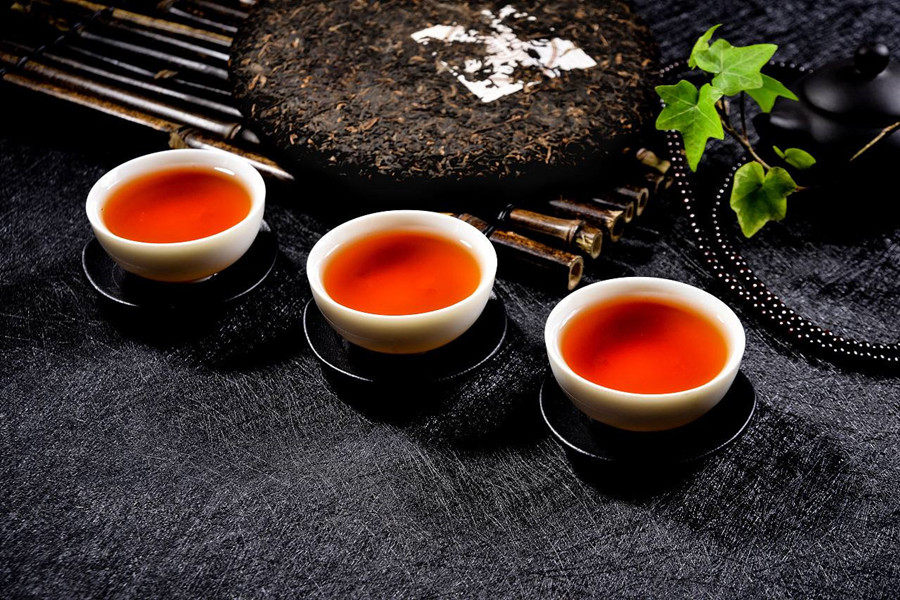
Yunnan’s Pu’er tea is world-renowned, and this tour allows you to experience its rich history and production methods firsthand. You’ll learn how to differentiate between various grades of tea, understand the aging process, and appreciate the complexity of flavors that develop in Pu’er tea over time.
2. Ancient Tea Trees
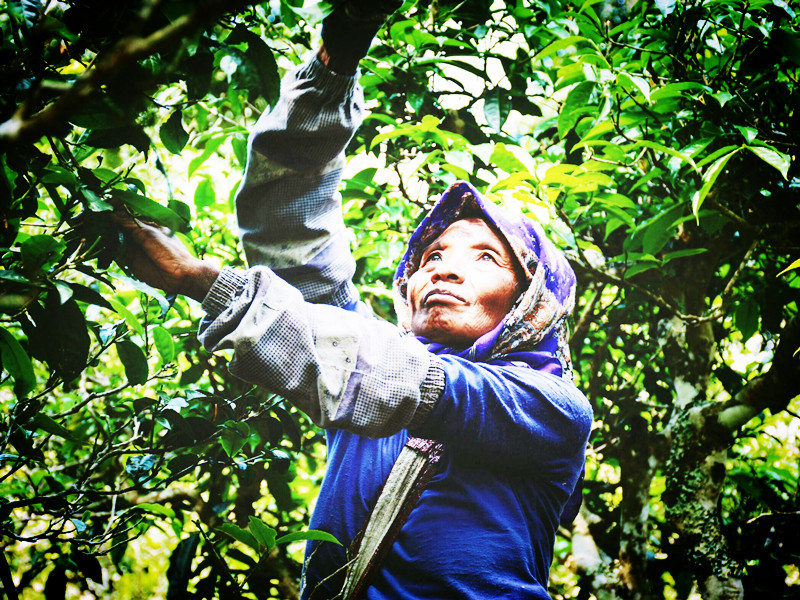
Visit some of the oldest tea trees in the world, including those in Jingmai, where trees are over a thousand years old. These ancient trees produce some of the finest Pu’er tea, and you’ll have the chance to learn about their significance in both the tea industry and local culture.
3. Tea Culture and Ethnic Diversity
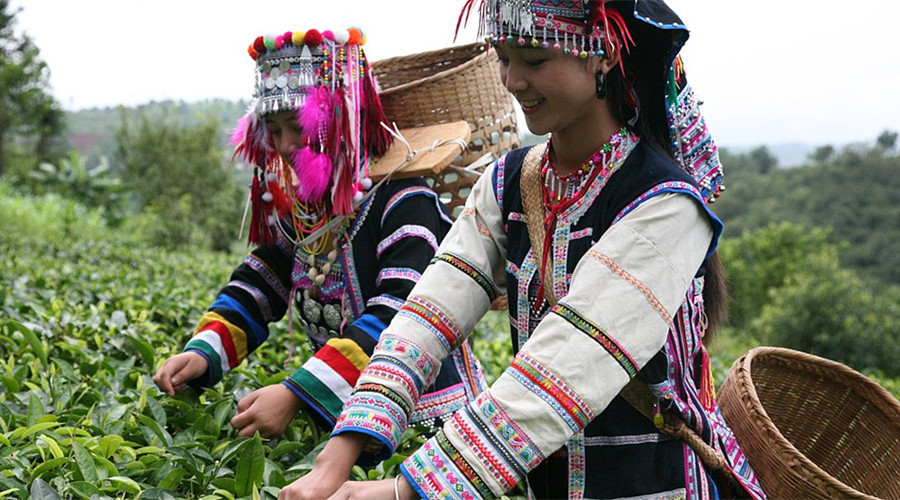
Throughout the tour, you’ll visit various ethnic minority villages, including those of the Hani, Lahu, Dai, and others, who play an integral role in the cultivation and production of tea. Each village has its unique tea-related traditions, and you’ll have the chance to interact with local tea farmers.
4. Tea Tasting Sessions
You will have multiple opportunities to participate in tea-tasting sessions, where you’ll sample different types of tea, including green, black, and Pu’er tea. Learn from experts about how to properly brew tea and appreciate its subtle flavors.
5. Hands-on Tea Production
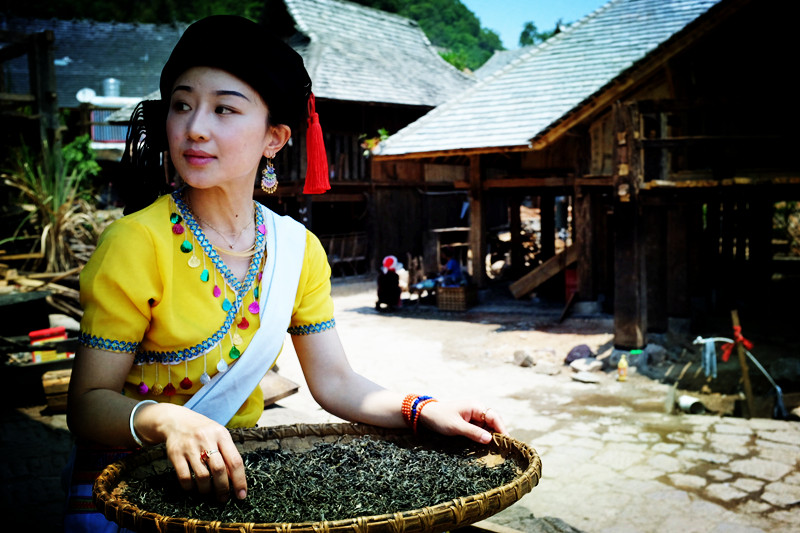
From tea picking to processing, you’ll participate in the tea-making process, gaining insight into how raw leaves are turned into one of the world’s most prized teas.
This tour offers a deep dive into the history, culture, and production of Pu’er tea, making it a must for tea lovers and anyone interested in Chinese tea culture.
Day 1: Arrive in Kunming
- Arrival: Upon arrival in Kunming, you’ll be greeted by your guide and transferred to your hotel.
- Leisure Time: You can relax after your journey or, if time permits, take a stroll around Kunming’s vibrant streets and local markets.
- Optional Activity: Visit the Kunming Tea Market, where you can purchase a variety of Yunnan teas and local handicrafts.
- Overnight: Stay at a hotel in Kunming.
Day 2: Kunming – Mojiang – Ninger – Kunlushan
- Morning: After breakfast, depart from Kunming for the scenic drive to Mojiang, an area famous for its ancient tea cultivation and production.
- Tea Exploration: Visit a tea plantation in Mojiang, where you will see how tea leaves are grown, harvested, and processed. You’ll be able to witness traditional methods passed down through generations.
- Cultural Immersion: Continue to Ninger and Kunlushan, where the local Hani people have been cultivating tea for centuries. You will have the chance to meet local tea farmers and learn about their customs and traditions surrounding tea culture.
- Tea Tasting: Enjoy a tasting session at a local tea house where you’ll sample various types of Yunnan tea, including green tea, black tea, and, of course, Pu’er.
- Evening: Return to Kunlushan for overnight accommodation.
Day 3: Kunlushan – Puer
- Morning: Depart for Puer, known as the birthplace of Pu’er tea. The journey will take you deeper into the heart of Yunnan’s tea-growing regions.
- Pu’er Tea Introduction: Visit a famous tea plantation and learn about the history and production methods of Pu’er tea, particularly its aging process, which can span several decades.
- Tea Tasting and Cultural Tour: Enjoy a traditional tea ceremony with a local tea master and learn about the art of brewing Pu’er tea. Explore Puer city, famous for its tea markets and tea culture.
- Evening: Check-in at your hotel in Puer and enjoy a relaxing evening.
Day 4: Puer – Jiangcheng – Yiwu
- Morning: After breakfast, depart for Jiangcheng, known for its rich tea-growing history.
- Tea Plantation Tour: Visit tea plantations in Jiangcheng and learn how tea is harvested in the lush, mountainous environment. Observe the traditional methods of tea processing and engage with local tea farmers.
- Afternoon: Continue your journey to Yiwu, where some of the highest-quality Pu’er tea is produced. Explore local tea markets and discover the different varieties of Pu’er tea.
- Tea Tasting: Enjoy a tea-tasting experience at a local tea shop in Yiwu, guided by a tea expert who will explain the nuances of different Pu’er teas.
- Evening: Return to Yiwu for overnight accommodation.
Day 5: Yiwu – Menglun – Jinghong
- Morning: Depart Yiwu for Menglun, a town in Xishuangbanna, where the subtropical climate creates an ideal environment for tea cultivation.
- Tea Garden Visit: Explore the Menglun Tea Garden, one of the oldest tea gardens in the region, and take part in a tea-picking demonstration.
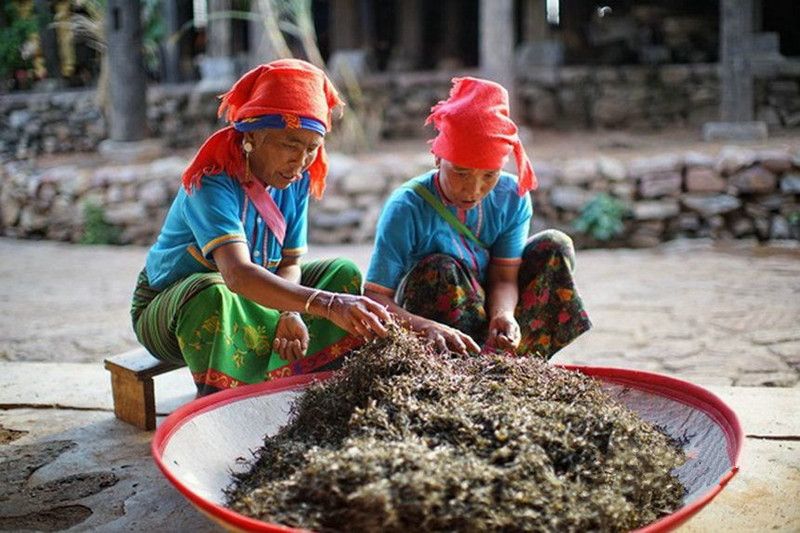
- Tea Tasting and Education: Visit a local tea processing workshop where you’ll learn how tea leaves are processed into tea cakes and loose-leaf teas. Participate in a tasting session to sample the different varieties of Pu’er tea.
- Afternoon: Proceed to Jinghong, the capital of Xishuangbanna. Visit the Jinghong Tea Market, where you can find a wide variety of local and regional teas.
- Evening: Check-in to your hotel in Jinghong for the night.
Day 6: Jinghong – Nannuoshan – Menghai – Jingmai
- Morning: Travel to Nannuoshan, known for its ancient tea trees that are over 1,000 years old.
- Tea Discovery: Take a guided tour of Nannuoshan’s tea plantations and learn about the techniques used to harvest the leaves from these ancient trees.
- Afternoon: Continue your journey to Menghai, another important tea-producing area, where you can visit some of the top tea plantations and observe traditional tea-making techniques.
- Tea Tasting: Visit a local tea house in Menghai to sample a variety of Pu’er teas, including young and aged teas.
- Evening: Arrive in Jingmai, one of the most famous tea-producing regions in Yunnan, and check into your accommodation for an overnight stay.
Day 7: Jingmai
- Full Day: Spend a full day in Jingmai, exploring its ancient tea gardens and centuries-old tea trees. The region is known for producing high-quality raw Pu’er tea.
- Tea Picking and Processing: Participate in a hands-on tea-picking experience, followed by a tour of the local processing facilities to observe how tea leaves are turned into tea cakes or loose-leaf teas.
- Tea Ceremony: Take part in a traditional tea ceremony, where you’ll learn how to properly brew and appreciate Pu’er tea.
- Evening: Relax in Jingmai, enjoying a peaceful night in this serene tea-growing region.
Day 8: Departure from Jingmai
- Morning: Depending on your departure time, enjoy a leisurely breakfast and perhaps one last tea-tasting session.
- Departure: Afterward, you will be transferred to the nearest transportation hub for your onward journey, marking the end of your Pu’er tea adventure.
Service Included:
- Admission fees for all of the sightseeing spots listed in the itinerary;
- Meals as listed in the itinerary;
- Hotels as listed in the itinerary;
- Private English-speaking tour guide;
- Private vehicle for transfers & sightseeing with skilled driver;
- Service charge & government taxes;
- Luggage transfers between airports and hotels;
- Domestic train tickets of soft sleeper.
Service Excluded:
- Any arrival and departure international airfares or train tickets;
- Chinese visa fees;
- Excess baggage charged by Airlines;
- Single room supplement;
- Tips to guides and drivers;
- Personal expenses and gratuities to service staff;
- Personal travel accident insurance;
- All optional programs.


Hello,
Could you please let me know the price for this tour?
Also, do you know of any schools in Yunnan or anywhere else in China where I can take Tea Artist courses in English?
Thank you.
Dear Linda Vu
You asked about this trip:
https://www.yunnanexploration.com/tours/8-days-best-yunnan-puer-tea-tour-to-kunming-puer-xishuangbanna
I high suggest do this trip:
https://www.yunnanexploration.com/tours/yunnan-lincang-fengqing-mengku-bingdao-dianhong-and-puerh-tea-tour
How many people and when come?
Yes we have tea tour school in Kunming, if you come we will arrange all here.
Can you add my whatsapp:+8618088243690
Yours
Rebbeca