7 Days GolfingTour
 8 Days Group Tour
 8 Days Yunnan Tour
 7 Days Shangri La Hiking
 11 Days Yunnan Tour
 6 Days Yuanyang Terraces
 11 Days Yunnan Tour
 8 Days South Yunnan
 7 Days Tea Tour
 8 Days Muslim Tour
 12 Days Self-Driving
 4 Days Haba Climbing
 Tiger Leaping Gorge
 Stone Forest
 Yunnan-Tibet
 Hani Rice Terraces
 Kunming
 Lijiang
 Shangri-la
 Dali
Dali
 XishuangBanna
 Honghe
 Kunming
 Lijiang
 Shangri-la
 Yuanyang Rice Terraces
 Nujiang
 XishuangBanna
 Spring City Golf
 Snow Mountain Golf
 Stone Mountain Golf
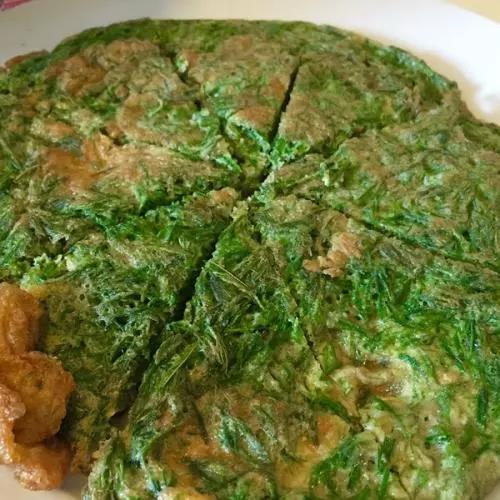





Yunnan Vegetarian Food
Chinese food is full of colors, flavors, and textures that appeal to a wide variety of eaters. Taoism and Buddhism are widely followed in China, both of which adhere to vegetarian lifestyle. In addition, many Yoga enthusiasts in China are vegetarians or vegans. There are over 50 million Chinese vegetarians and 40% of the world’s fruits and vegetables are eaten in China. Vegetarian cuisine is based on food that meets vegetarian standards by not including meat and animal tissue products. Here we provide you the guide of Yunnan Vegetarian Food.
Ingredients of Yunnan Vegetarian Food
A vegetarian diet is one that avoids meat, poultry, seafood, and other animal products, and sometimes also avoids dairy products and honey. Choosing a vegetarian diet is just a way of eating that is conducive to one’s own health, respects other lives, cares for the environment and conforms to the laws of nature. Vegetarianism has gradually become a lifestyle in line with the trend of the times.
Vegetarianism is not limited to vegetables. Besides vegetables, it also includes other plant-based foods such as fruits and melons. Among the categories included in vegetarian food, grains (including rice, wheat, soybeans, etc.) and nuts (including walnuts, peanuts, melon seeds, etc.), which are relatively common, are also two branches of vegetarian food.
In China, the soybean has been a vegetable staple for ages. Not only the ubiquitous sprout, but the bean itself is processed into myriad forms of tofu (bean curd). Mushrooms are another highlight of China’s vegan diet. There are various kinds of mushrooms ranging from tiny baby ones to the large black ones in China, and they exist in various forms, fresh, dry, pickled and so on.
Chinese cooks also use a variety of protein-rich foods to simulate the flavors and textures of meat, known as mock meat, which is created mostly with soy protein and/or wheat gluten to imitate the texture, taste, and appearance of duck, chicken, or pork.
Useful Chinese Phrases for Yunnan Vegetarian Food
The only hard part of being vegetarian in China is learning how to communicate that you don’t want meat. If you travel China by yourself, there is a question how to say you’re vegetarian. Although there is no simple way to make you understood clearly in all situations, remember some phrases close that are also helpful.
The common used one is Wo Chi Su(/wor chrr-soo/, 我吃素), which means I am a vegetarian. Or Wo Bu Chi Rou(/wor boo-chrr roh/, 我不吃肉), which means I do not eat any meat.
You can also have a printed card that says “wo bu chi rou” which is more simple for you. In some places of China, “rou” is just “pork”. So you can write “Wo Chi Su” on this card.
List of Yunnan Vegetarian Dishes
Appetizers
| Chinese | Chinese Pinyin | English |
| 素食春卷 | Sushi Chunjuan | Vegetarian Spring Rolls |
| 蒸蔬菜饺子 | Zheng Shucai Jiaozi | Steamed Vegetable Dumplings |
| 酸菜和黄瓜 | Suancai he Huanggua | Sauerkraut and Cucumber |
| 芝麻酱冷面 | Zhimajiang Lengmian | Cold Noodles with Tahini Sauce |
| 葱油煎饼 | Congyou Jianbing | Pancakes with Onion Oil |
| 油炸豆腐块 | Youzha Doufukuai | Fried Bean Curd Cubes |
| 生姜酱沙拉 | Shengjiangjiang Shala | Salad with Ginger Sauce |
Entrees
| Chinese | Chinese Pinyin | English |
| 蒸蔬菜 | Zheng Shucai | Steamed Vegetables |
| 炒青豆 | Chao Qingdou | Sauteed Green Beans |
| 新鲜芦笋 | Xinxian Lushun | Fresh Asparagus |
| 混合蔬菜 | Hunhe Shucai | Mixed Greens |
| 炒西兰花 | Chao Xilanhua | Sauteed Broccoli |
| 中国豆腐 | Zhongguo Doufu | Chinese Bean Curd |
| 中国茄子 | Zhongguo Qiezi | Chinese Eggplant |
Soups
| Chinese | Chinese Pinyin | English |
| 素食酸辣 | Sushi Suanla | Vegetarian Hot and Sour |
| 豆腐蔬菜 | Doufu Shucai | Tofu Vegetable |
| 蔬菜 | Shucai | Vegetable |
Rice and Noodles
| Chinese | Chinese Pinyin | English |
| 蔬菜炒饭 | Shucai Chaofan | Vegetable Fried Rice |
| 米饭 | Mifan | Steamed Rice |
| 蔬菜捞面 | Shucai Laomian | Vegetable Lo Mein |
How to Order Yunnan Vegetarian Food
While more and more people are familiar with plant-based diets, don’t assume your server knows what it means to be vegetarian or vegan. While ordering vegetarian Chinese food may seem easy at first glance, it can be more trivial than one might expect. It’s not just about avoiding obviously meat-centric dishes, because many Chinese sauces, broths, and condiments contain animal products, even some vegetarian dishes may be cooked in lard, an animal-based fat.
So, before getting into a list of usually vegetarian Chinese food to order, ask what stock and broths are made from, if fish sauce is an ingredient, and what kind of oil is used for cooking. If they serve any type of mock meat, ask what ingredients are in it. Let your server know which foods you do not eat, such as chicken and fish, milk, cheese, butter, eggs, honey, chicken stock or broth, fish stock or broth, fish sauce or lard. If I just say that you are vegan, which leaves open to the server’s interpretation which may not be accurate.
If you travel with us, our guides will be able to help you with this.
Yunnan Food Culture Travel
For people who are interested in Yunnan food, it is a good choice to take a Yunnan food culture tour, which can help the tourists better understand Yunnan cuisine. Yunnan cuisine, also named as Dian cuisine, is an compound of the cuisines of the Han people and other ethnic groups in Yunnan Province, southwest China. With the largest number of ethnic minority groups, Yunnan cuisine is vastly varied. Many Yunnan dishes are quite spicy, and mushrooms are featured prominently. The ingredient is diverse and rare, like flowers, ferns, algae and some insects. Curious about Yunnan food? Why not start a Yunnan food tour?
Recommended Yunnan Food Culture Tours
- 1 Day Weishan Snack Festival Tour
- 4 Days Puer Tea Culture Tour with Jingmai Tea Mountains and Traditional Ethnic Villages
- 6 Days Kunming Jianshui Yuanyang Hani Rice Terraces Photography Tour
- 7 Days Honghe Hani Ethnic Minority’s Long Street Banquet Festival
Read more about Yunnan Food Tours.
Keep Reading