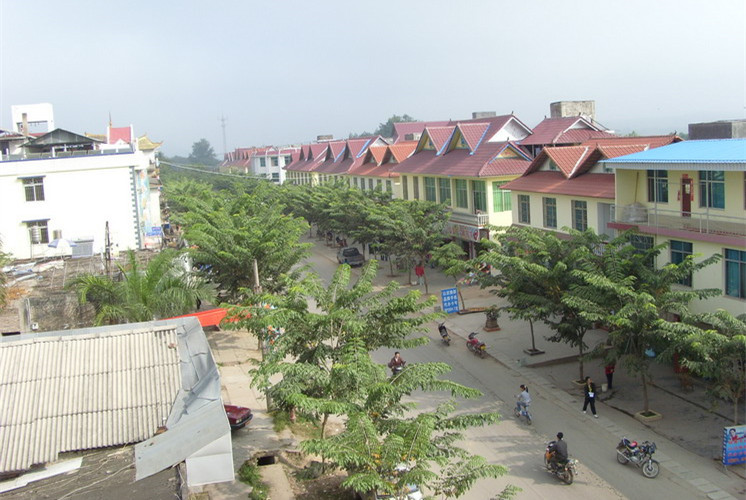
Located in the southwest of Xishuangbanna Dai Autonomous Prefecture (西双版纳傣族自治州), Menghai County (勐海县) is a tropical destination famous for Pu’er tea, ancient tea forests, Dai and Blang cultures, Buddhist temples, tropical mountains, and traditional villages. The county combines rich ethnic traditions with beautiful agricultural and natural landscapes.
Pu’er Tea and Ancient Tea Culture
Hometown of Pu’er Tea: Menghai is one of the most important Pu’er tea-producing areas in Yunnan and has a long history of tea cultivation, processing, and trade. Tea culture is deeply connected with local villages and mountain communities.
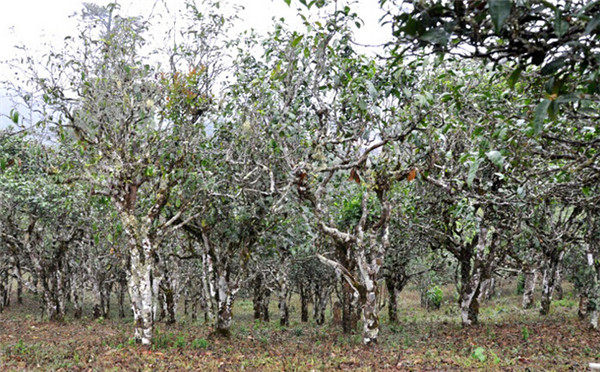
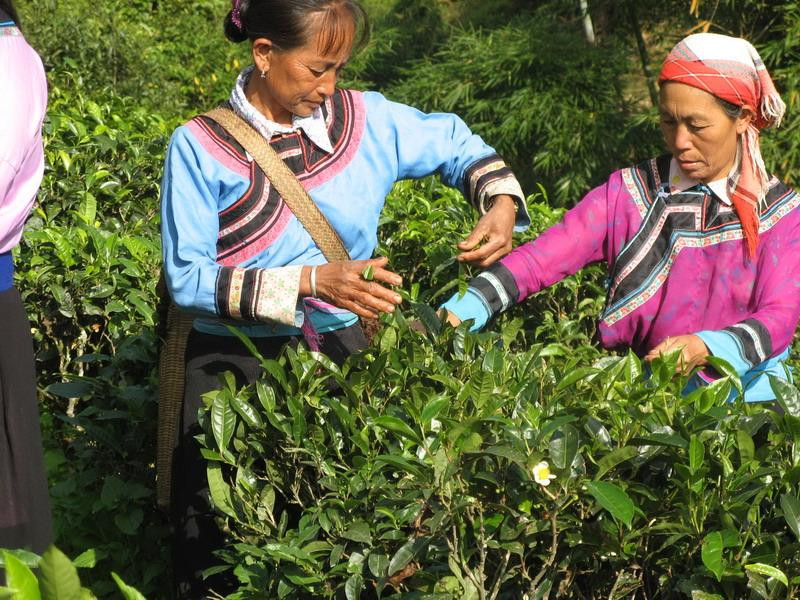
Menghai Tea Mountains: The surrounding mountains contain extensive tea gardens and ancient tea trees. Visitors can explore tea plantations, walk through tea villages, taste local tea, and learn about traditional tea production.
Ancient Tea Forests: Old tea trees growing in traditional forest environments demonstrate the long relationship between local ethnic communities and tea cultivation. These landscapes are particularly attractive for tea enthusiasts and photographers.
Ethnic Culture and Traditional Villages
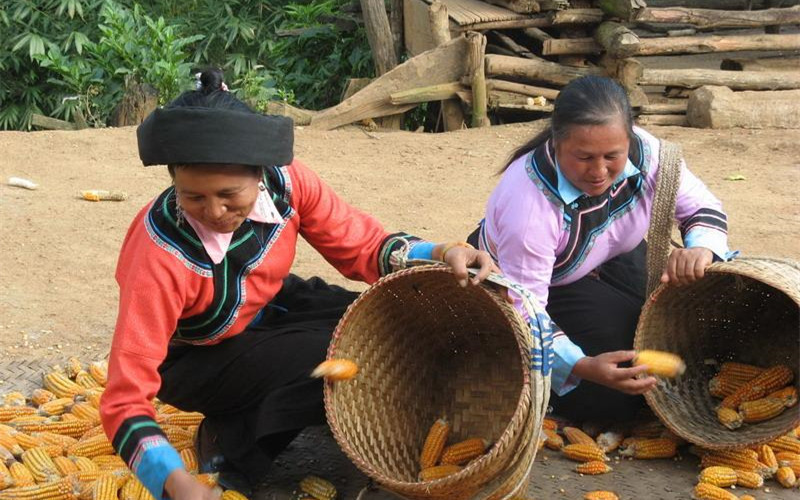
Dai and Blang Culture: Dai and Blang communities have preserved distinctive traditions in architecture, religion, festivals, clothing, music, dance, food, and agricultural practices.
Blang Mountain Villages: Traditional Blang communities live among tea forests and mountains, creating an especially strong connection between ethnic culture and tea heritage.
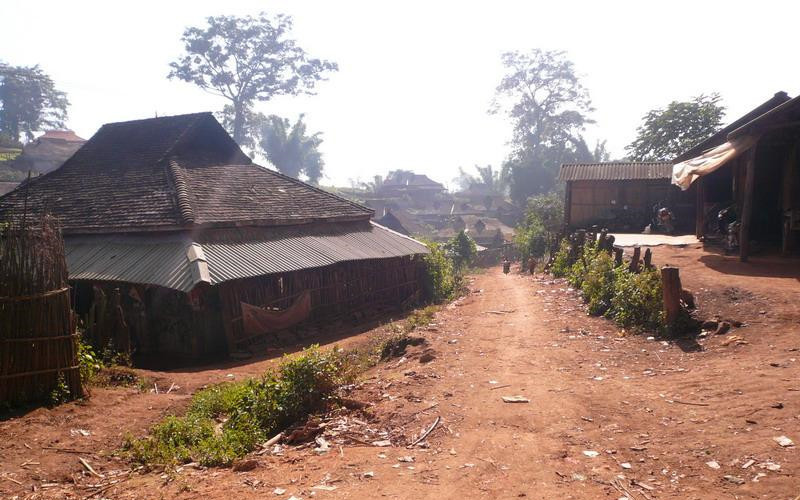
Dai Villages: Traditional houses, Buddhist temples, tropical gardens, rice fields, and village pathways provide opportunities to experience everyday Dai life and local customs.
Buddhist Temples and Religious Heritage
Theravada Buddhist Culture: Buddhism plays an important role in the cultural life of many Dai and Blang communities. Temples, pagodas, religious ceremonies, and traditional architecture create a distinctive cultural landscape.
Traditional Buddhist Temples: Local temples combine religious functions with traditional Southeast Asian-influenced architecture and provide peaceful settings for cultural exploration.
Temple and Village Tours: Visiting temples together with surrounding villages offers a deeper understanding of the relationship between religion, community life, and ethnic traditions.
Tropical Mountains and Natural Landscapes
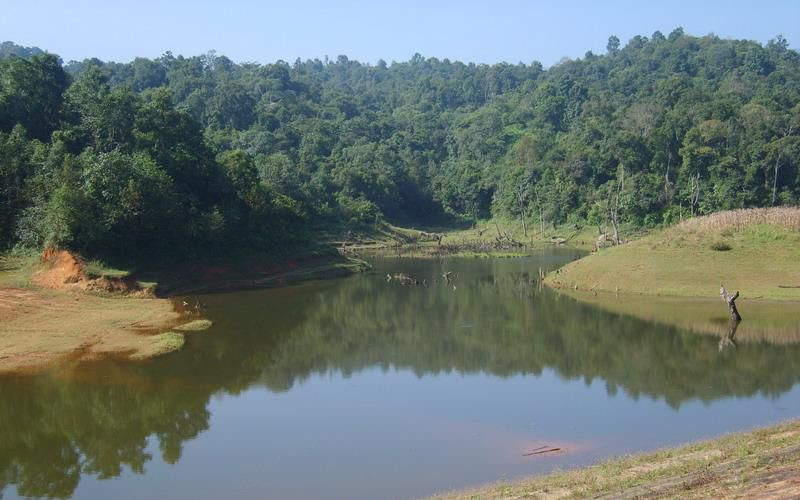
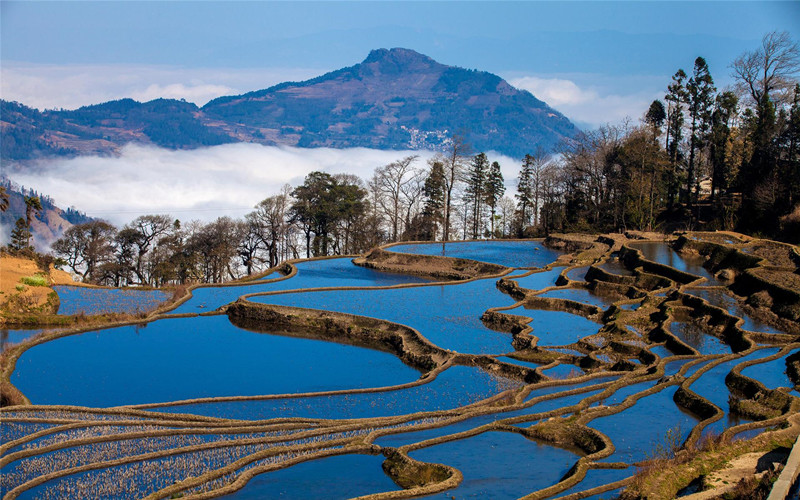
Tropical Mountain Scenery: Menghai features forested mountains, valleys, streams, tea plantations, and tropical vegetation, offering diverse landscapes for hiking and photography.
Nannuo Mountain (南糯山): One of the best-known tea mountains in the area, famous for ancient tea trees, tea villages, mountain scenery, and rich Hani and Dai cultural traditions.
Jingmai Mountain Region (景迈山): The broader tea-growing region is renowned for its ancient tea forests and traditional tea cultivation landscapes, providing an outstanding combination of tea heritage and mountain scenery.
Ethnic Festivals and Local Traditions
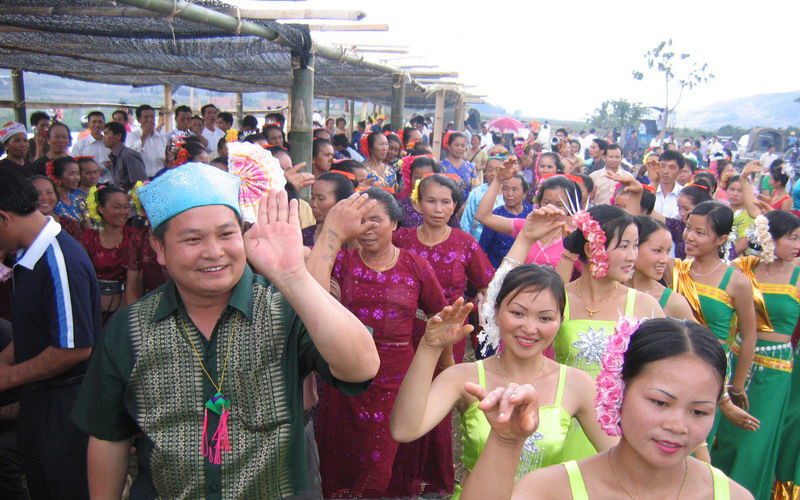
Water-Splashing Festival: The Dai New Year is celebrated with water-splashing, Buddhist ceremonies, singing, dancing, and community activities.
Blang Ethnic Festivals: Traditional Blang celebrations feature folk music, dance, religious customs, food, and community gatherings.
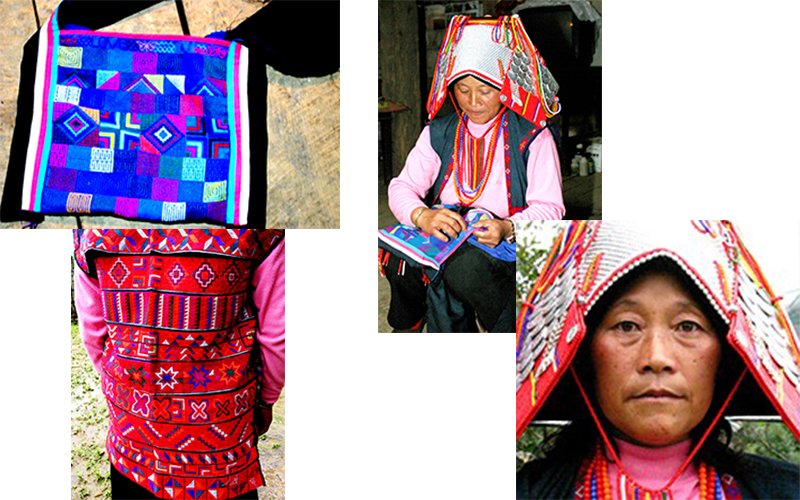
Traditional Handicrafts: Bamboo work, weaving, textiles, wood products, and other handmade crafts reflect the skills and cultural traditions of local communities.
Tropical Agriculture and Rural Landscapes
Tea Plantations: Tea gardens cover many mountain slopes and form one of the most characteristic landscapes in the county.
Tropical Crops: Rubber, bananas, mangoes, pineapples, passion fruit, and other tropical products are cultivated in the warm valleys and countryside.
Rural Experiences: Visitors can explore plantations, villages, agricultural fields, and local markets while experiencing the slower pace of tropical rural life.
Local Cuisine and Tea Experiences
Dai Cuisine: Local dishes feature sticky rice, grilled fish and meat, fresh herbs, bamboo-cooked foods, vegetables, and distinctive sour and spicy flavors.
Blang Cuisine: Traditional Blang food emphasizes local agricultural and forest ingredients, offering another distinctive taste of southwest Yunnan.
Tea Tasting: Visiting tea villages and mountain plantations provides opportunities to taste different Pu’er teas and understand the differences between ancient-tree tea and cultivated tea.
Overview
Menghai County is an important county in Xishuangbanna Dai Autonomous Prefecture, southwestern Yunnan Province. Located in the western part of Xishuangbanna and bordering Myanmar, it is one of the major tea-producing and cultural areas of the prefecture. The county is widely associated with Pu'er tea, ethnic culture, ecological resources, border culture and its relatively mild highland climate.
Read More
Attractions
Menghai County(勐海县) is one of the most culturally distinctive destinations in Xishuangbanna Dai Autonomous Prefecture(西双版纳傣族自治州), located in the southwest of Yunnan Province. Known as the “First County of Pu’er Tea in China”, Menghai is famous for its ancient tea forests, historic tea mountains, traditional ethnic villages, Theravada Buddhist architecture and China-Myanmar border landscapes.
Read More
Tours
Travel packages and tours to Menghai County (勐海县) focus on tea culture, tropical nature, ethnic traditions, and rural experiences. Visitors can explore ancient tea forests and tea plantations, learn about traditional tea production, visit ethnic villages, discover Buddhist cultural sites, taste local specialties, and enjoy the peaceful atmosphere of the mountainous countryside.
Read More
Climate
Menghai County(勐海县) is located in the western part of Xishuangbanna Dai Autonomous Prefecture(西双版纳傣族自治州) in southern Yunnan Province(云南省). Unlike the hotter lowland areas of the region, it is known for its comfortable highland tropical climate, making it one of the most pleasant destinations in southwestern China. The county is famous for ancient tea mountains, ethnic villages, rainforest landscapes and border culture.
Read More
Transportation
Menghai transportation system consists of provincial road, county road and village road. Long-distance bus is the main way for local people to travel around. There are also short-distance buses, taxi, and minibus in Menghai county.
Read More
Festivals and Activities
Menghai County(勐海县) is one of the most culturally diverse regions in Xishuangbanna, famous for its long history of ethnic traditions, tea culture, tropical ecology and borderland customs. The county is home to Dai, Hani, Lahu, Bulang and other ethnic communities, each preserving unique festivals closely connected with agricultural cycles, religious traditions, harvest seasons and village life.
Read More
Travel Tips
Menghai County is located in the western part of Xishuangbanna Dai Autonomous Prefecture and is one of the most important destinations for exploring the origin of Pu'er tea culture. Known as the “First County of Pu'er Tea”, Menghai offers a completely different travel experience from the lively city atmosphere of Jinghong. Instead of large-scale commercial tourism, Menghai attracts visitors with ancient tea mountains, traditional villages, Buddhist temples, border culture, and authentic ethnic lifestyles.
Read More
Maps
The travel maps of Menghai County (勐海县) help visitors understand the county’s location, transportation routes, major attractions, tea-producing regions, and surrounding ethnic communities. Located in the western part of Xishuangbanna, Menghai County (勐海县) features mountains, tropical forests, river valleys, fertile agricultural areas, and extensive tea-growing landscapes, making it an excellent destination for nature and cultural exploration.
Read More
Accommodation
Menghai County(勐海县) offers a completely different accommodation experience from the busy tourist areas of Jinghong City(景洪市). Known as the hometown of Pu’er tea, ancient tea mountains and ethnic villages, Menghai’s hotels are mainly focused on tea culture, wellness holidays, nature retreats and quiet countryside experiences.
Read More
Dining
Menghai County(勐海县) is one of the most important cultural and agricultural regions in Xishuangbanna Dai Autonomous Prefecture(西双版纳傣族自治州), famous for its ancient tea mountains, tropical landscapes and diverse ethnic traditions. Located in the western part of Xishuangbanna, Menghai has developed a unique food culture influenced by Dai, Hani, Lahu, Bulang and other ethnic groups. The local cuisine combines tropical ingredients, traditional cooking methods, tea culture and borderland flavors, creating one of the most distinctive culinary experiences in southern Yunnan.
Read More
Ethnic Culture
Menghai County is one of the most culturally diverse regions in Xishuangbanna Dai Autonomous Prefecture, where ancient tea traditions, Buddhist heritage, and multi-ethnic customs have developed together for centuries. Unlike the lively urban atmosphere of Jinghong City(景洪市) and the rainforest mystery of Mengla County(勐腊县), Menghai is known for its profound cultural landscape shaped by ancient tea forests, traditional villages, and ethnic communities.
Read More
Photos
The travel photos and album gallery of Menghai County (勐海县) showcases the tropical landscapes, famous tea culture, ethnic traditions, and peaceful rural scenery of southwestern Yunnan. The collection features images of ancient tea forests, rolling tea plantations, tropical mountains, rivers, traditional Dai and Bulang villages, Buddhist temples, rice fields, local markets, and colorful ethnic festivals. These photographs offer a vivid introduction to a region where tea heritage, tropical nature, and diverse ethnic cultures are closely connected.
Read More
Shopping
Menghai County in Xishuangbanna is a destination where shopping is closely connected with Pu'er tea culture, ethnic traditions, border trade and rural handicrafts. Unlike the lively night markets and commercial streets of Jinghong, shopping in Menghai focuses more on discovering authentic local products at their source. Visitors can explore ancient tea mountains, ethnic villages, traditional workshops and border markets while purchasing unique souvenirs with strong regional characteristics.
Read More
Education
Menghai County(勐海县) is not only known as one of the most important Pu’er tea-producing areas in China, but also an emerging destination for cultural education and international study tours. Located in the western part of Xishuangbanna(西双版纳), the county combines modern education resources with rich ethnic traditions, ecological landscapes, tea culture, and border exchange opportunities, creating a unique “open classroom” for students from China and overseas.
Read More
Administrative Divisions
Menghai County(勐海县) is located in the southwest of Yunnan Province and the western part of Xishuangbanna Dai Autonomous Prefecture(西双版纳傣族自治州). It borders Jinghong City(景洪市) to the east and Myanmar to the west and south, with a national border stretching approximately 146.56 kilometers. As an important border county in southwestern China, Menghai plays a significant role in cross-border trade, ethnic cultural exchange, and tourism development.
Read More